Reviewed by Alex Francisco
Published November 6, 2026 · Fact-checked against the sources listed below
Reading from Canada? Product rules and what is sold there differ. See the Canadian edition.
How do you tell a deer tick from a dog tick?
Check the shield first. On a deer tick, also called the blacklegged tick, the hard plate behind the head is plain and dark brown; on an American dog tick it carries irregular silvery-white marks. The Illinois Department of Public Health's tick key names the dog tick by those marks, which sit only on the shield in females and spread across the whole back in males.
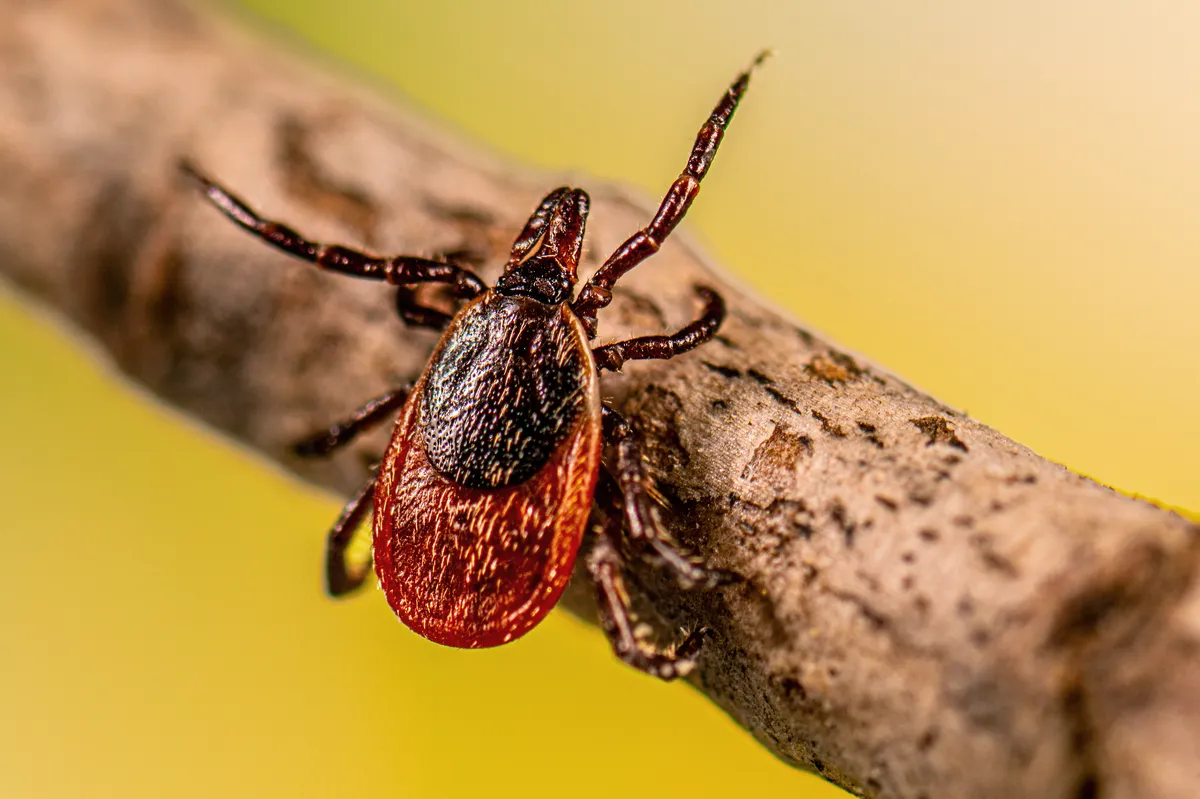
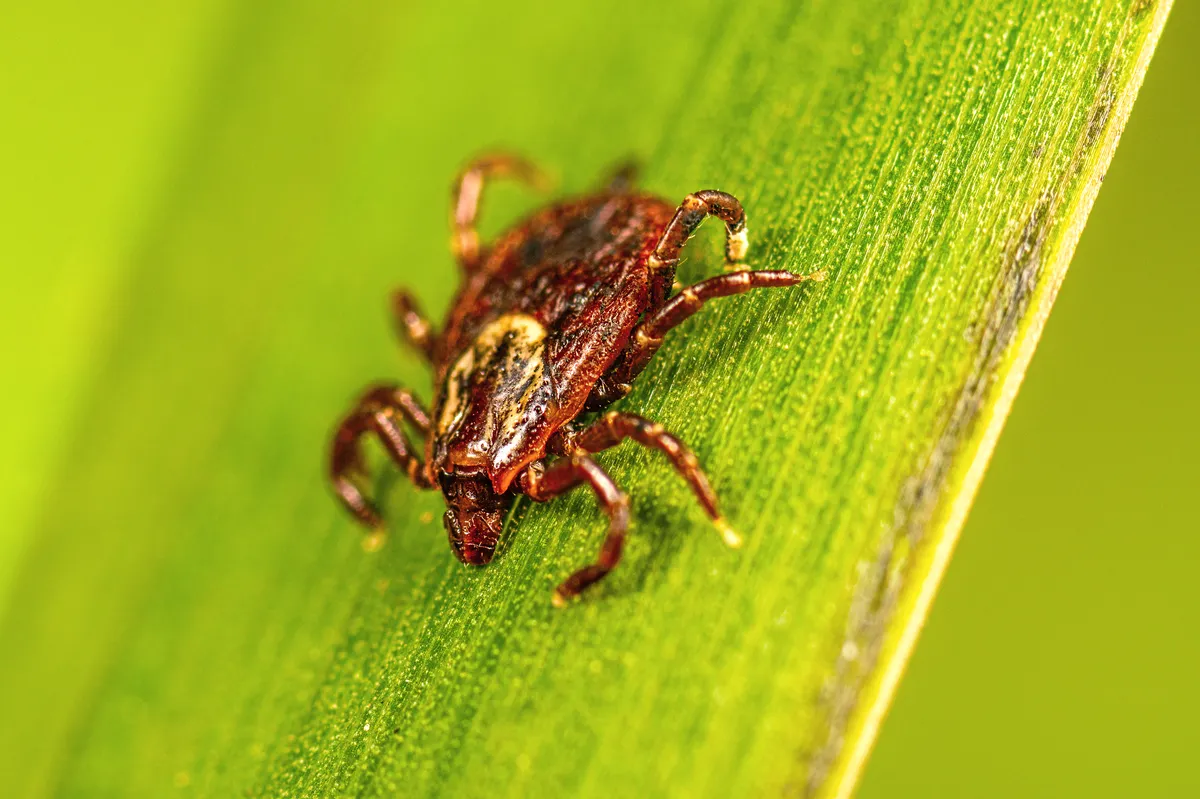
A few more checks settle most of the rest. The Illinois key also sorts ticks by festoons, small squared plates along the rear edge, which the Connecticut Agricultural Experiment Station's Tick Management Handbook says Ixodes ticks, the deer tick's genus, lack:
Deer tick or dog tick?
- Shield. Plain and dark: deer tick. Silvery-white or cream marks: dog tick.
- Mouthparts. Long and narrow, visible from above: deer tick. Short and broad: dog tick.
- Rear edge. Smooth: deer tick. A row of squared plates: dog tick, lone star tick or brown dog tick.
- Size. About 1/8 inch unfed: adult female deer tick. About 3/16 to almost 1/4 inch: adult dog tick. Smaller: probably a nymph or larva.
- Legs. Six means a larva; nymphs and adults have eight.
- Season. In the handbook's Connecticut guide, only adult deer ticks are out from October through March.
To compare both with the lone star tick at actual size, use the tick identification chart; what the common US ticks look like covers the other species.
Deer tick vs dog tick size: how big is each at every stage?
Adult deer ticks are clearly smaller than adult dog ticks, and CDC compares a deer tick nymph to a poppy seed. The sizes below come from the Connecticut handbook and the Illinois Department of Public Health's guide to common ticks:
| Life stage | Deer tick | American dog tick |
|---|---|---|
| Larva (6 legs) | About 1/32 inch (0.7 to 0.8 mm) | Feeds on rodents, not people |
| Nymph (8 legs) | About 1/16 inch (1.3 to 1.7 mm) | Feeds on rodents; rarely on people |
| Adult male | Under 1/8 inch (2 to 2.7 mm); all dark brown | About 3/16 inch; fine silver lines on the back |
| Adult female, unfed | About 1/8 inch (3 to 3.7 mm) | About 3/16 to almost 1/4 inch |
| Adult female, fully fed | Up to about 1/4 inch (6 mm) wide | About 1/2 inch long, up to 5/8 inch (15 mm) |
Fed sizes from Ohio State, Illinois and Texas A&M; the rest from the Connecticut handbook and Illinois.
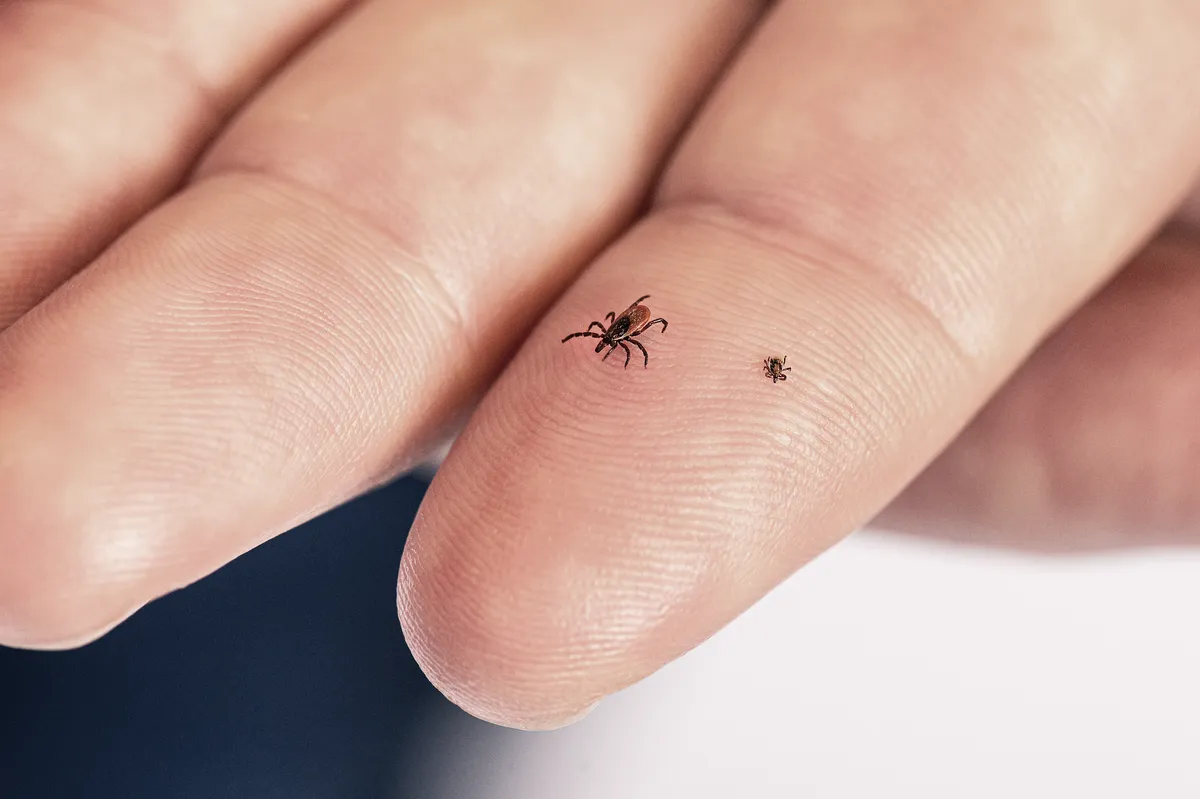
A tiny tick on your skin is unlikely to be a dog tick. CDC says adult females are the dog ticks most likely to bite people, and the handbook says records of dog tick nymphs on people are rare. A pinhead-sized tick is more likely a deer tick nymph or, in much of the East, South and Midwest, a lone star tick nymph.
Males differ too. A male deer tick is all dark brown, the handbook says; a male dog tick has fine silver lines over his back and grows little when he feeds, the Illinois department notes, while the female carries one large silvery patch behind the head.
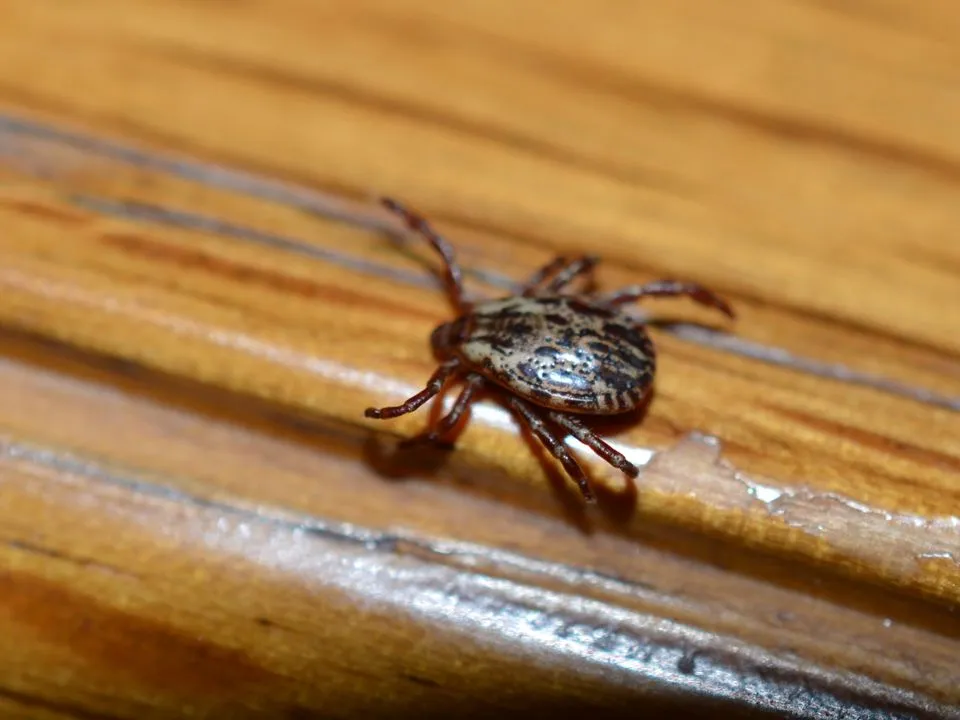
Deer tick vs dog tick engorged: how do you tell a fed tick?
Look at the shield, because it does not stretch. A feeding female's weight can rise 80 to 120 times, the Connecticut handbook says, but her shield stays the same size, so a fed dog tick still shows its white marks, while a fed deer tick has only a small dark shield at the front of a swollen body.
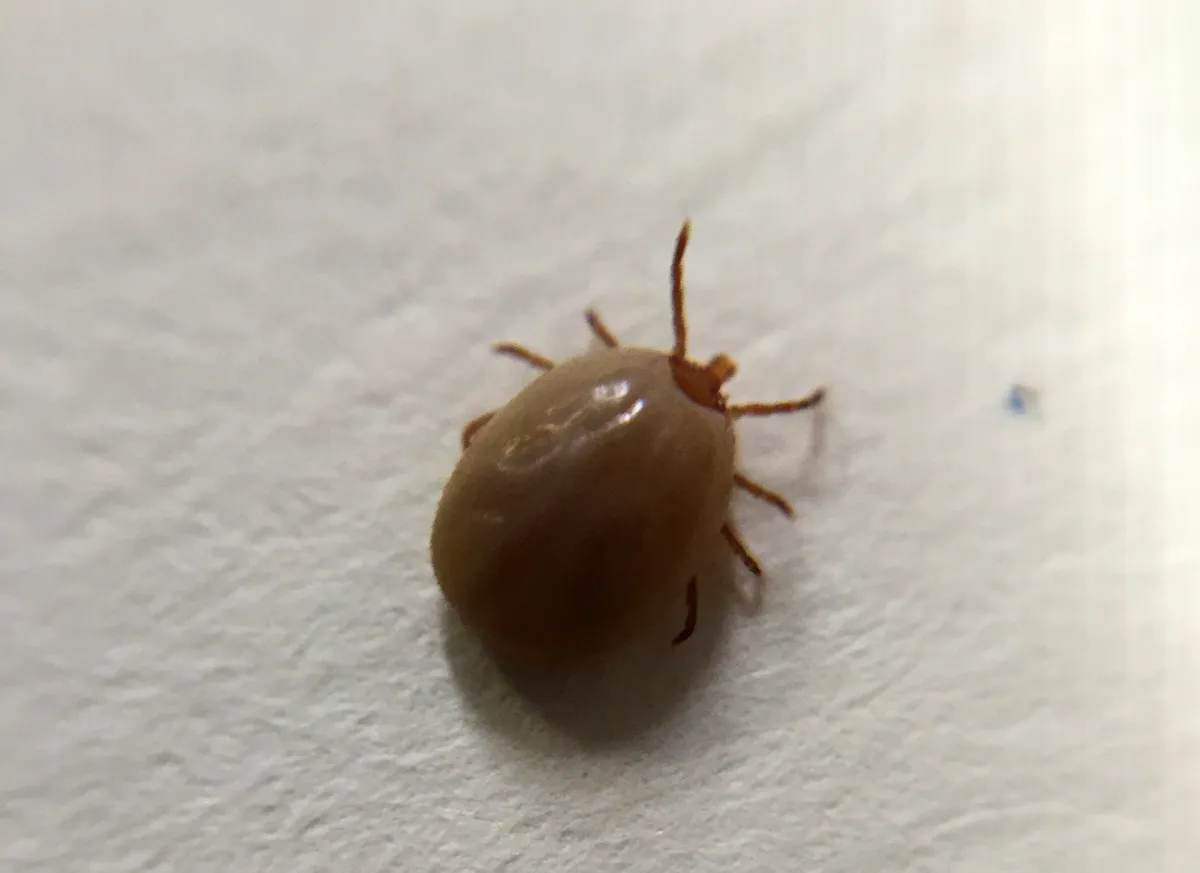
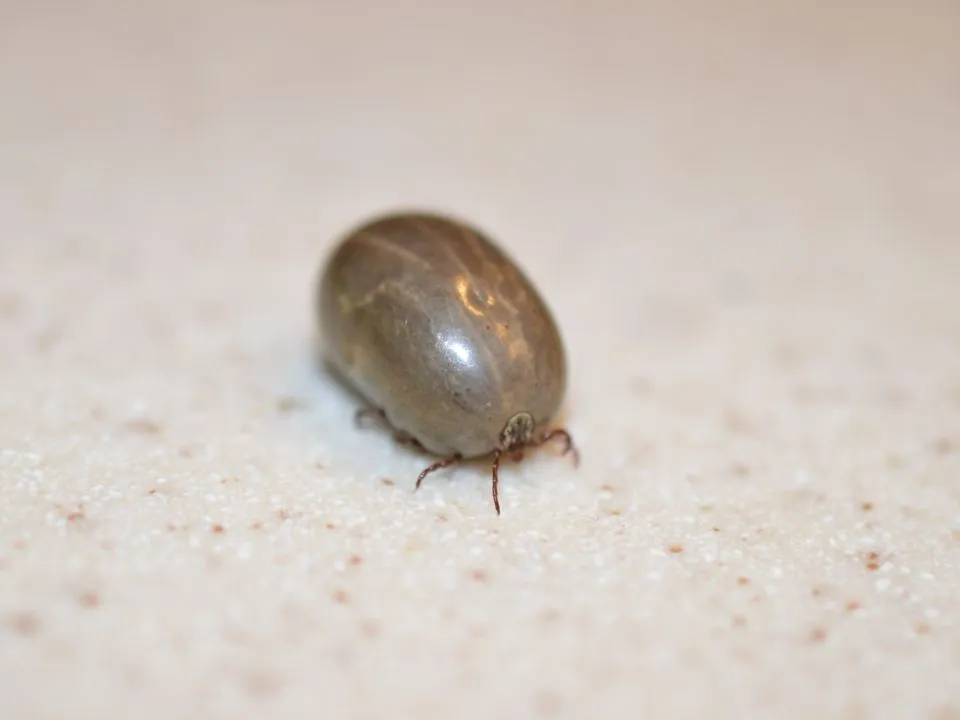
Fed, the two are sometimes confused, the handbook warns. Ohio State University Extension puts a fully fed female deer tick at about 1/4 inch (6 mm) wide; a fed female dog tick reaches about 1/2 inch long, like a small grape, by the Illinois department's measure, or up to about 5/8 inch (15 mm) by Texas A&M's. A partly fed tick could be either.
- Mouthparts still sort them: long and narrow on a deer tick, short and broad on a dog tick.
- Festoons may not show on a fully fed female, the handbook cautions.
- Color settles little: fed deer ticks may look gray, Ohio State says, and the handbook likens a fed dog tick to a dark pinto bean.
Where on your body and in your yard does each turn up?
Deer ticks favor woods, dog ticks grassy edges. Ohio State finds deer ticks mainly in or near forests with heavy leaf litter and in shaded parts of lawns, on low plants up to about 3 feet high. The handbook finds dog ticks most numerous along roadsides, paths, marshy areas and trails through brushy woods or weedy meadows.
On people, deer ticks submitted to the Connecticut Agricultural Experiment Station came from all over the body, more than a third from the legs and arms, while most dog ticks had been removed from the head and neck.
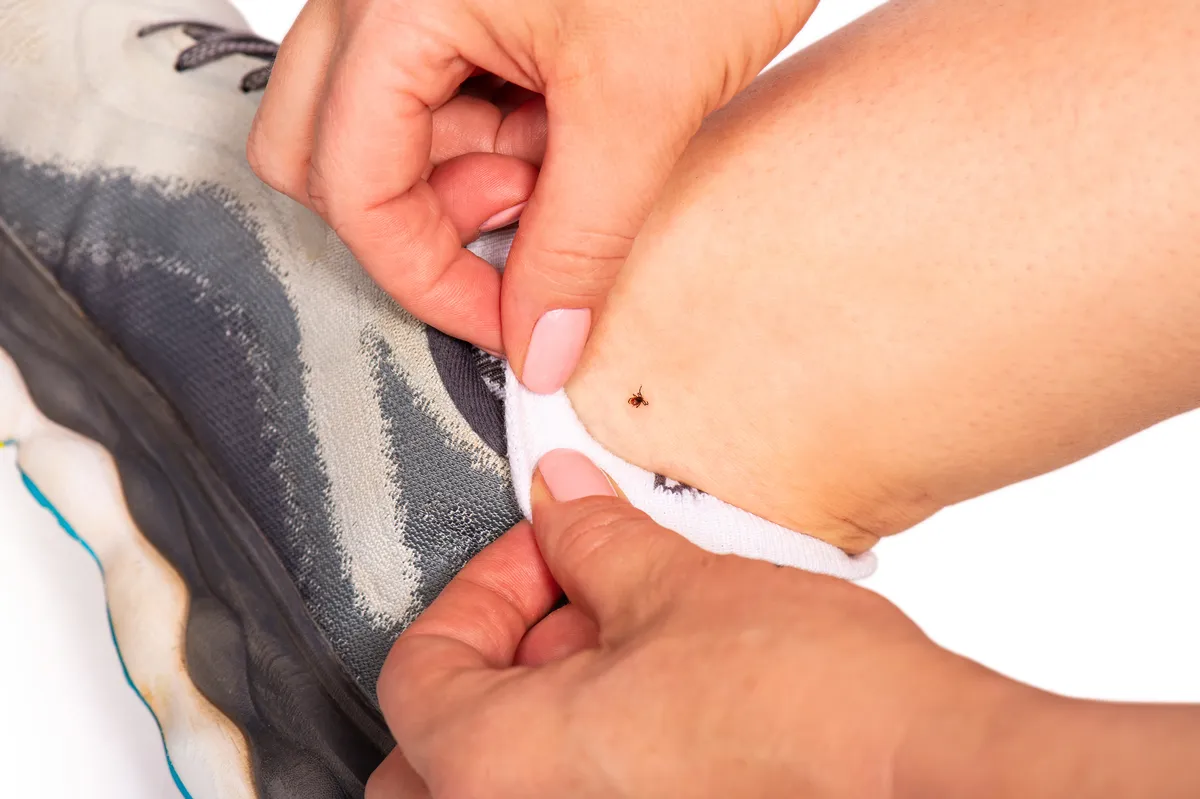
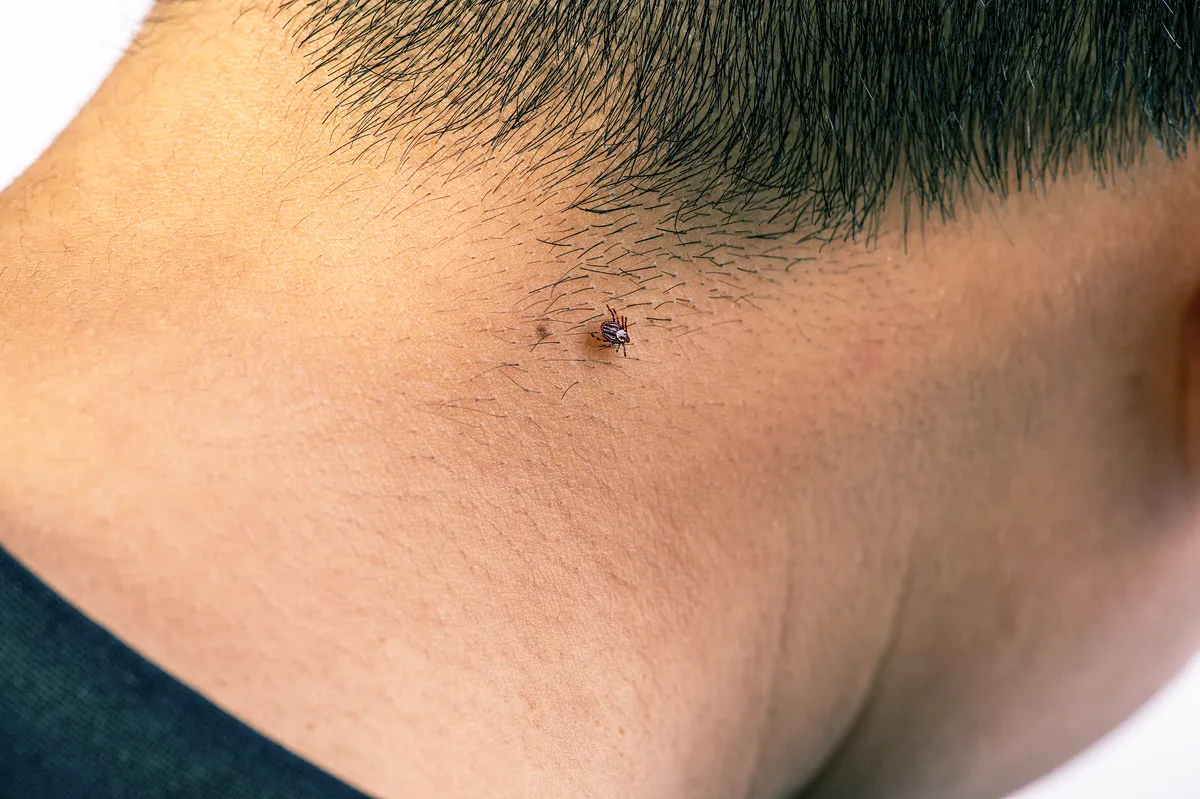
A dog tick carried indoors can survive many days but will not become established there, the handbook adds; ticks breeding inside point to the brown dog tick. A dog tick can also go more than two years without a meal; see how long ticks live.
Deer tick vs wood tick: is a wood tick the same as a dog tick?
Usually, yes. The Connecticut handbook notes that some people call the American dog tick the wood tick, so deer tick vs wood tick is often this same comparison, settled by the same shield and mouthparts.
In the mountain West the name can mean another tick. CDC's page on how tularemia spreads calls Dermacentor andersoni the wood tick, and CDC's guide to where ticks live places this Rocky Mountain wood tick in the Rocky Mountain states at about 4,000 to 10,500 feet, where it can spread Rocky Mountain spotted fever, Colorado tick fever and tularemia.
Could it be a lone star tick, a brown dog tick or a bug?
Often it is. The usual suspects:
- Lone star tick. CDC says the adult female has one white dot on her back; it bites across the Northeast, South and Midwest but cannot spread Lyme disease. See the lone star tick guide.
- Brown dog tick. A different species. CDC calls dogs its main host and says it spreads Rocky Mountain spotted fever in the Southwest and along the Mexican border; the handbook names it as the tick that can infest homes. How to check a dog for ticks covers it.
- Western blacklegged tick. The deer tick's Pacific Coast relative, which CDC says spreads Lyme disease there; see the ticks that carry Lyme disease.
- Deer keds. Six-legged flies, flattened like a tick, that lose their wings on deer, the handbook says; more look-alikes are in bugs that look like ticks.
- Seed ticks. Six-legged specks are tick larvae; see seed ticks.
Commonly confused with
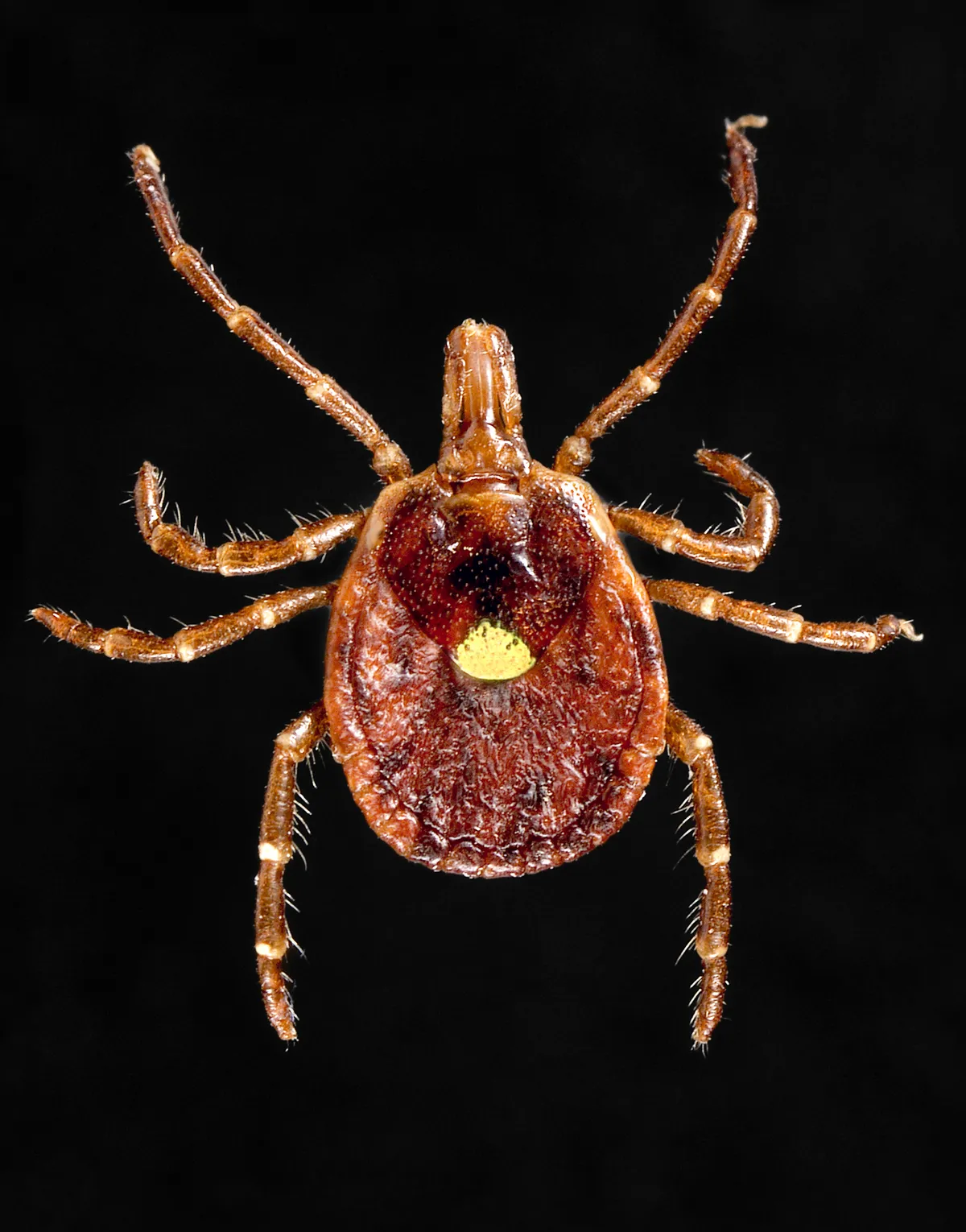 Lone star tickOne white dot on the female's back; cannot spread Lyme disease
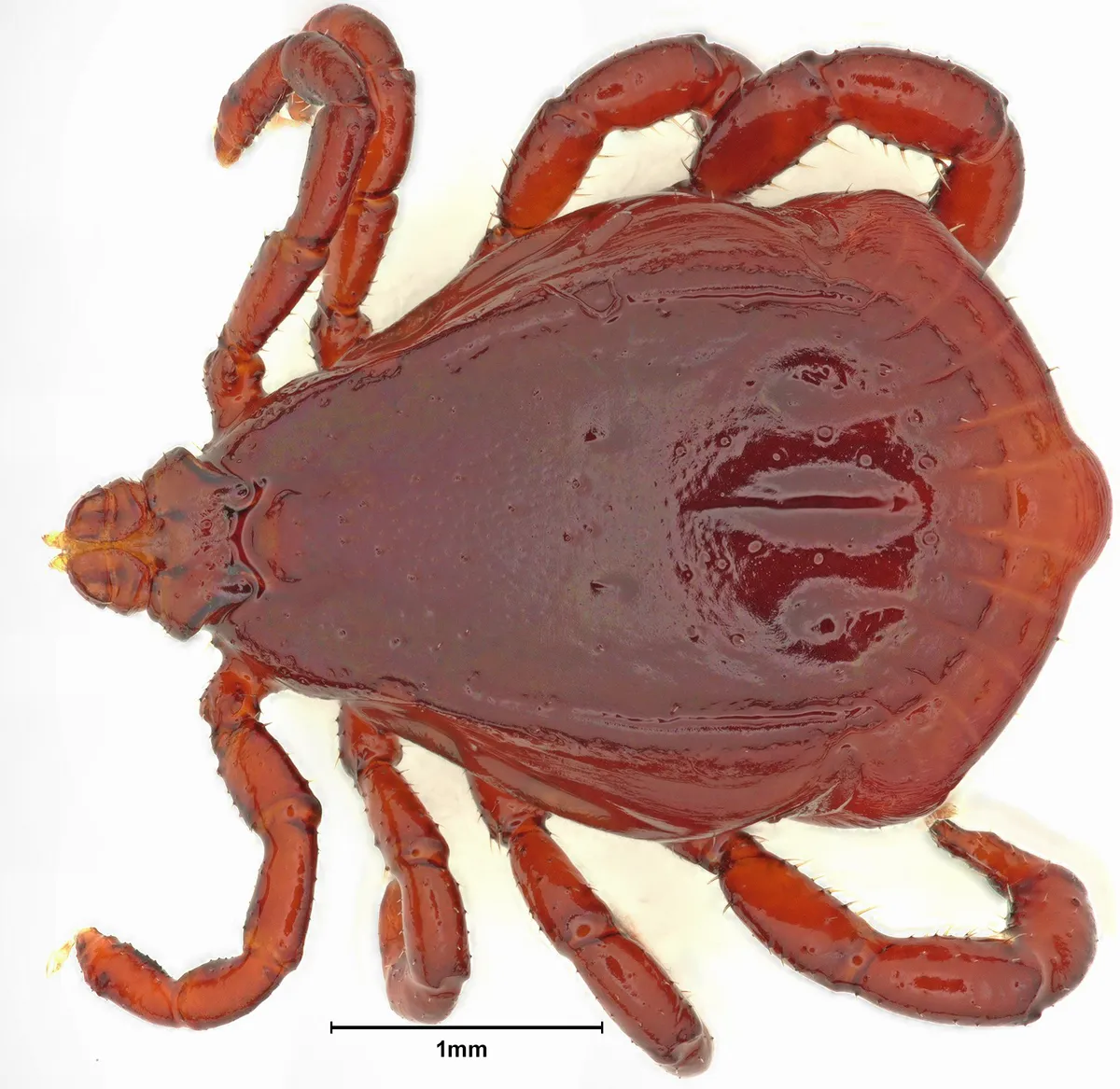 Brown dog tickLives with dogs and can infest homes; spreads Rocky Mountain spotted fever
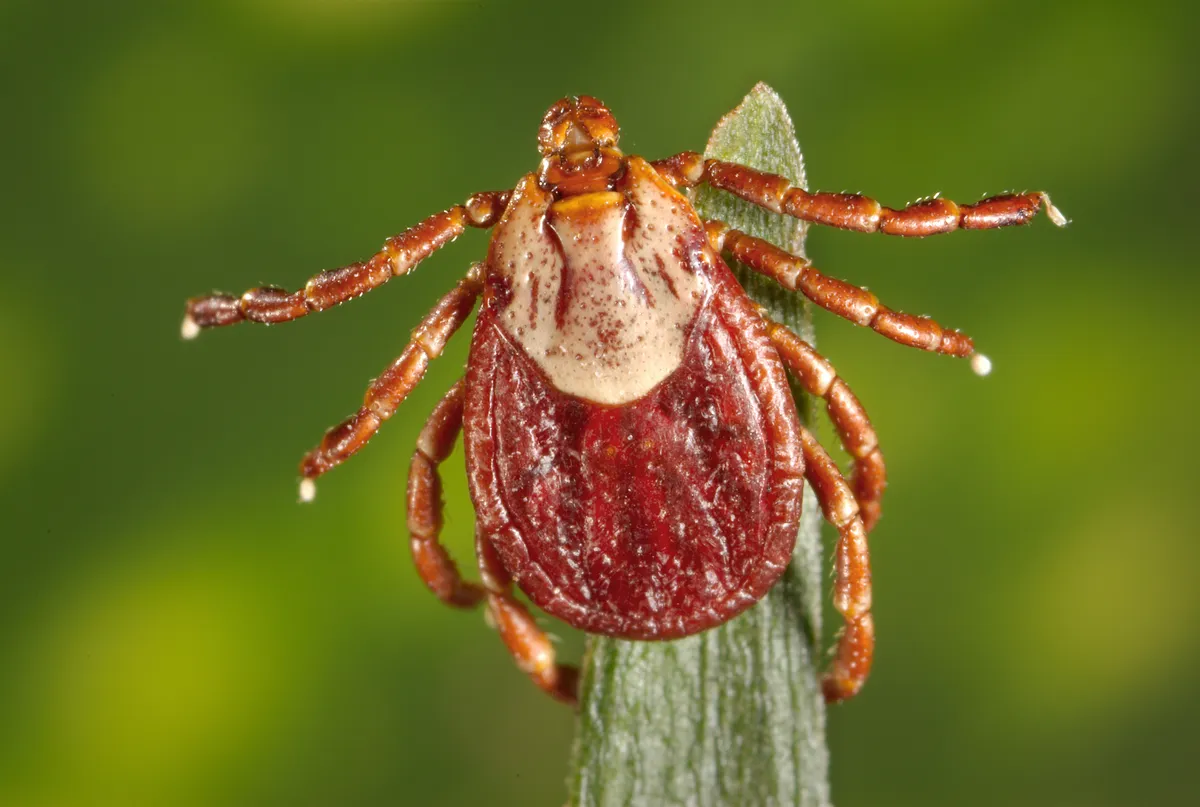 Rocky Mountain wood tickThe mountain West's wood tick, found at about 4,000 to 10,500 feet
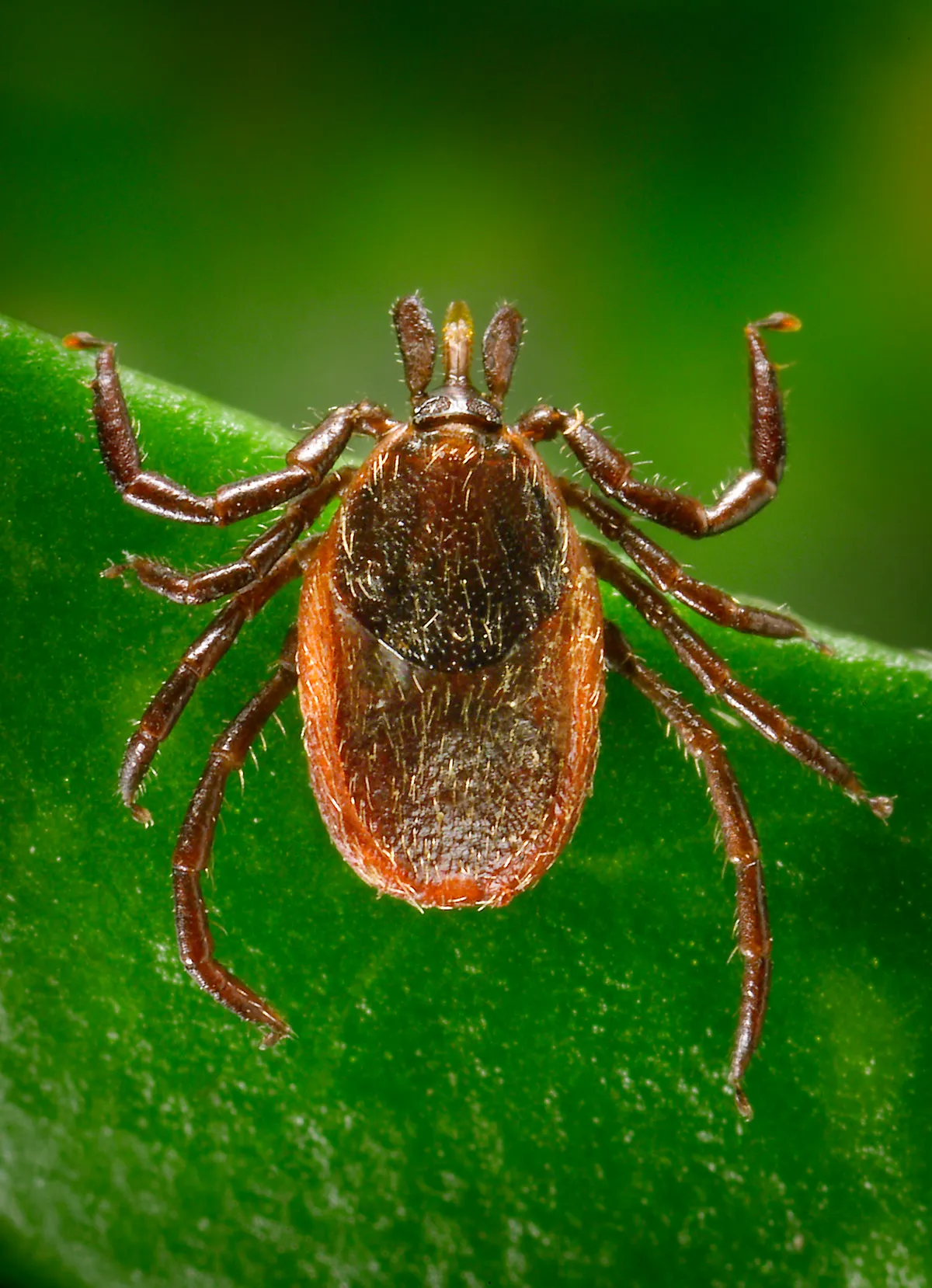 Western blacklegged tickThe deer tick's Pacific Coast relative, which spreads Lyme disease there
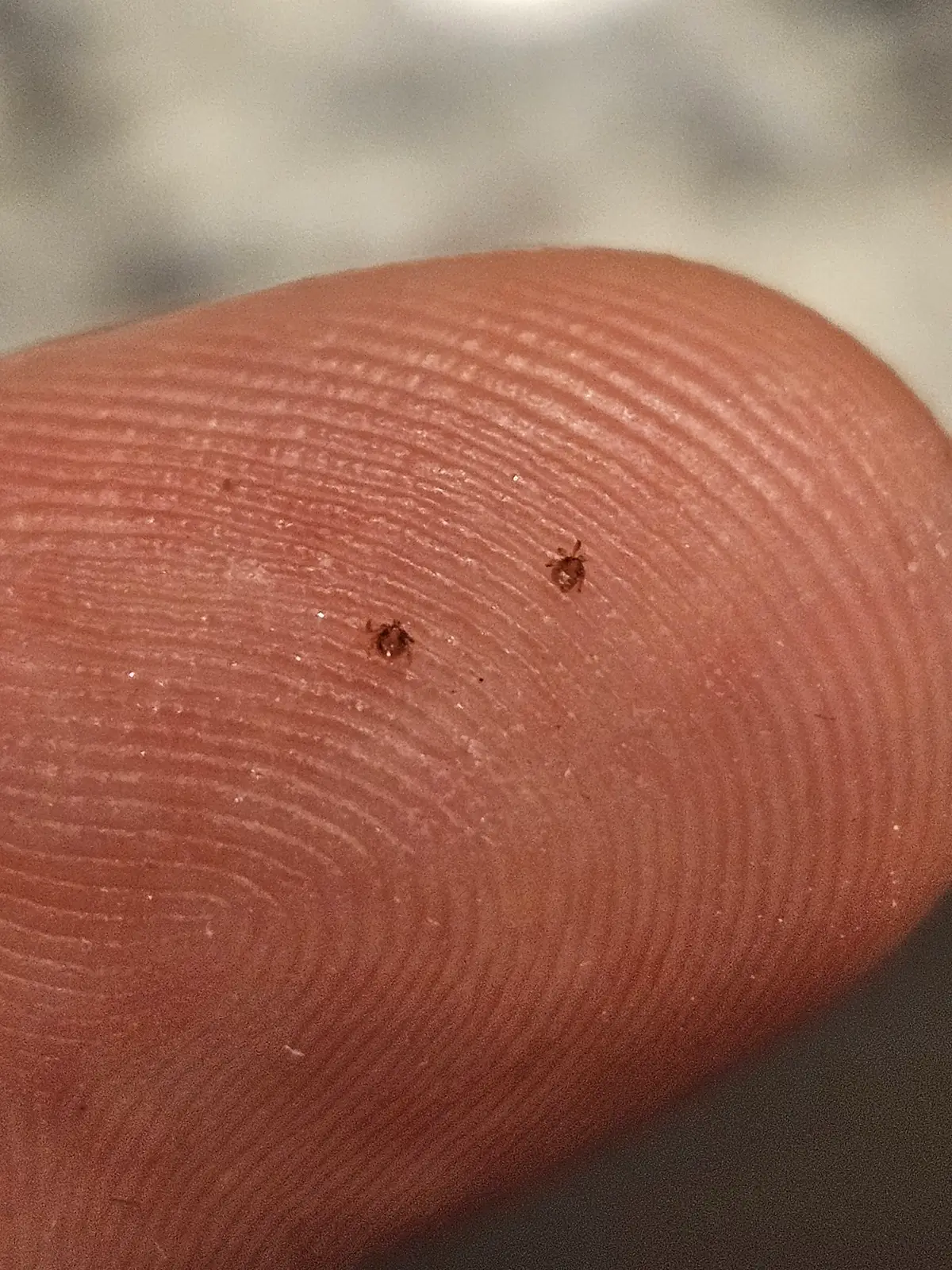 Seed ticks (larvae)Six legs instead of eight; tick larvae cluster after hatching
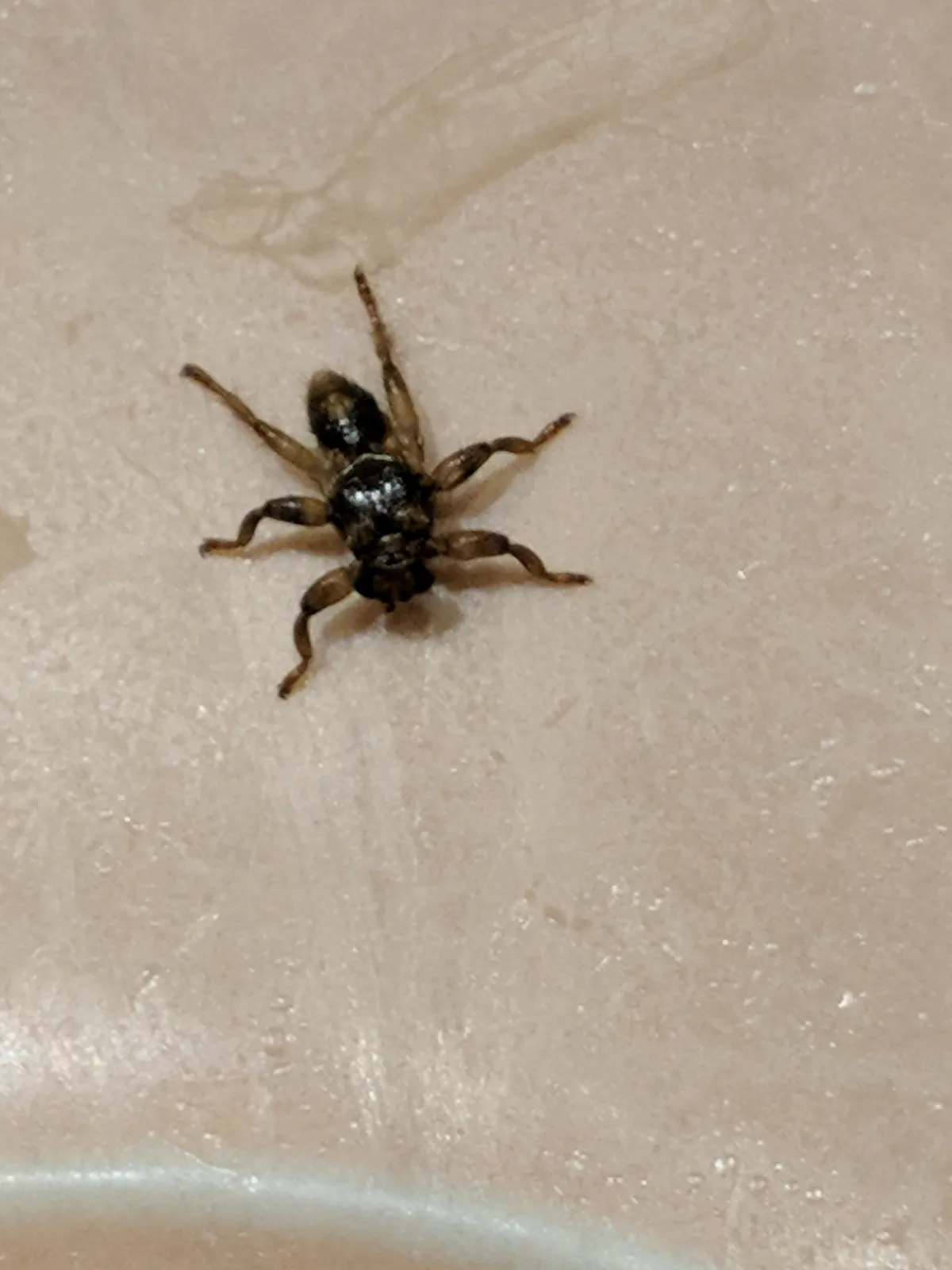 Deer kedA six-legged fly that loses its wings on deer and is often seen by hunters
Photos: Lone star tick: CDC/ Dr. Amanda Loftis, Dr. William Nicholson, Dr. Will Reeves, Dr. Chris Paddock; photo: James Gathany (CDC Public Health Image Library, phil.cdc.gov), public domain. Brown dog tick: CDC/ Dr. Gary Alpert; PhD; photo: Anna Kang; Dr. Gary Alpert; PhD (CDC Public Health Image Library, phil.cdc.gov), public domain. Rocky Mountain wood tick: CDC/ Dr. Christopher Paddock; photo: James Gathany (CDC Public Health Image Library, phil.cdc.gov), public domain. Western blacklegged tick: CDC/ Dr. Amanda Loftis, Dr. William Nicholson, Dr. Will Reeves, Dr. Chris Paddock; photo: James Gathany (CDC Public Health Image Library, phil.cdc.gov), public domain. Seed ticks (larvae): (c) Alex Abair, some rights reserved (CC BY), via iNaturalist, CC BY 4.0. Deer ked: no rights reserved, via iNaturalist, CC0 1.0.
Where do deer ticks and dog ticks live in the US?
Across much of the East and Midwest, both. CDC places the deer tick across the eastern US and the dog tick east of the Rocky Mountains, and its county records through 2025, on the blacklegged tick and American dog tick surveillance pages, list the deer tick as established in about 1,300 counties in 37 states and the District of Columbia, and the dog tick in about 1,150 counties in 39 states.
Where CDC records deer ticks and dog ticks, by state, through 2025
- Deer tick established
- Western blacklegged tick recorded instead
- Only the dog tick established
- Dog tick reported only
- No record
Show the list
Deer tick established (38): Alabama, Florida, Georgia, Indiana, Kansas, Maine, Massachusetts, Minnesota, New Jersey, North Carolina, North Dakota, Oklahoma, Pennsylvania, South Dakota, Texas, Connecticut, Missouri, West Virginia, Illinois, Arkansas, Delaware, District of Columbia, Iowa, Kentucky, Maryland, Michigan, Mississippi, New Hampshire, New York, Ohio, Tennessee, Virginia, Wisconsin, Nebraska, South Carolina, Vermont, Louisiana, Rhode Island
Western blacklegged tick recorded instead (6): Arizona, California, Oregon, Utah, Washington, Nevada
Only the dog tick established (2): Colorado, Montana
Dog tick reported only (2): Wyoming, New Mexico
No record (3): Alaska, Hawaii, Idaho
The balance tilts by region. The deer tick is established in every county of New York and Pennsylvania; on the Great Plains the dog tick leads, with Nebraska at 50 counties to 3. Colorado and Montana have established dog ticks but no established deer ticks.
| State | Deer tick | Dog tick |
|---|---|---|
| New York | 62 of 62 | 22 of 62 |
| Pennsylvania | 67 of 67 | 38 of 67 |
| Minnesota | 66 of 87 | 36 of 87 |
| Wisconsin | 61 of 72 | 26 of 72 |
| Michigan | 56 of 83 | 43 of 83 |
| Ohio | 76 of 88 | 67 of 88 |
| Illinois | 63 of 102 | 84 of 102 |
| Nebraska | 3 of 93 | 50 of 93 |
| Texas | 28 of 254 | 42 of 254 |
Counties where CDC lists each tick as established, through 2025.
West of the Rockies the names change. Dermacentor similis, recognized in 2021 as a separate species, makes up what were the western populations of the American dog tick, and CDC says its role in disease is still being studied. The West's deer tick is the western blacklegged tick, found along the Pacific Coast and established in 97 counties in five western states in CDC's records. Ticks by state compares every state.
When are deer ticks and dog ticks active?
Deer ticks have the longer season. CDC puts the highest risk from deer ticks in spring, summer and fall, with adults out whenever winter temperatures are above freezing, and from dog ticks in spring and summer. The Connecticut handbook's seasonal guide shows the overlap in the Northeast:
| Months (Connecticut) | Deer tick | American dog tick |
|---|---|---|
| March to April | Adults at their second peak | Adults appear in late April |
| May | Adults fading; nymphs appear about mid-May | Adults active |
| June to July | Nymphs at their peak | Adults, peaking in June |
| August to September | Larvae peak; a few nymphs | A few adults, mostly until about mid-August |
| October to November | Adults active | Not listed as active |
| December to February | Adults on warm days; they do not hibernate | Not listed as active |
The Connecticut handbook's seasonal guide and its account of dog ticks in Connecticut and Massachusetts.
Elsewhere the months shift. The Minnesota Department of Health says adult deer ticks there peak in May and are active again from late September; Illinois dog tick adults are most active April through June; and in the warm south, Texas A&M says dog ticks may be active year-round.
Which diseases can each tick carry?
Different ones: CDC's guide to where ticks live lists six illnesses for the deer tick and two for the dog tick, with none in common.
| Illness | Deer tick | American dog tick |
|---|---|---|
| Lyme disease | Yes: the carrier in the eastern US | No: CDC says it cannot transmit the bacteria |
| Anaplasmosis | Yes | Not on CDC's list |
| Babesiosis | Yes | Not on CDC's list |
| Ehrlichiosis | Yes (Ehrlichia muris eauclairensis) | Not on CDC's list |
| Hard tick relapsing fever | Yes | Not on CDC's list |
| Powassan virus disease | Yes | Not on CDC's list |
| Rocky Mountain spotted fever | Not on CDC's list | Yes |
| Tularemia | Not on CDC's list | Yes |
| Tick paralysis | Not on CDC's list | Yes, from a toxin made while it feeds |
CDC's Where Ticks Live; the ehrlichiosis species from Ohio State; tick paralysis from the Connecticut handbook and Texas A&M.
Rocky Mountain spotted fever is the dog tick's serious one: CDC says it can be deadly if not treated early, and that early doxycycline, approved for all ages, can prevent death and severe illness. A deer tick can pass on more than one infection at once, the handbook says.
Do dog ticks carry Lyme disease?
No. CDC's page on how Lyme disease spreads says American dog ticks are not able to transmit Lyme disease bacteria, and neither are lone star, Rocky Mountain wood or brown dog ticks. The blacklegged tick spreads it in the eastern US and the western blacklegged tick along the Pacific Coast.
A dog tick bite still deserves attention because of Rocky Mountain spotted fever and tularemia. For pets, see what Lyme disease means for dogs.
Which tick is the bigger risk where you live?
In the Northeast, mid-Atlantic and upper Midwest, usually the deer tick. CDC says more than 80,000 Lyme disease cases are reported to it each year (surveillance data), and that infected ticks are most common in forested parts of those regions. In 2023, under a case definition revised in 2022, New York reported 22,173 cases and Pennsylvania 16,671.
Farther south the balance shifts. CDC says blacklegged ticks in most of the Southeast are seldom infected, while the highest 2023 rates of spotted fever rickettsiosis, the category CDC has used for Rocky Mountain spotted fever since 2010, were in North Carolina, Arkansas, Kentucky and Missouri, about 18 to 21 cases per million people (CDC data). Other spotted fevers and other ticks count there too.
Infection rates vary. The Minnesota Department of Health puts it at about 1 in 3 adult deer ticks and 1 in 5 nymphs carrying Lyme bacteria, and says dog ticks there rarely spread disease; in a Connecticut study of Rocky Mountain spotted fever, fewer than 1% of about 3,000 dog ticks were infected.
What should you do if you find a deer tick or a dog tick?
Remove it right away; CDC's steps are the same for both:
- Grasp the tick as close to the skin as you can with clean, fine-tipped tweezers.
- Pull away with steady, even pressure; twisting or jerking can break off the mouthparts.
- If mouthparts stay in, remove them only if that is easy; otherwise let the skin heal.
- Clean the bite and your hands with soap and water, rubbing alcohol or hand sanitizer.
- Keep the tick in a sealed container, or put it in alcohol, wrap it in tape or flush it; never crush it with your fingers.
Skip petroleum jelly, nail polish and heat, which CDC advises against. If the head stays in, see tick head stuck in skin; how to remove a tick safely has more detail.
Keep the tick until you know its species; CDC does not advise testing it for germs. Its guidance for clinicians says a single preventive dose of doxycycline can lower Lyme risk only under set conditions: an adult or nymph blacklegged tick, attached an estimated 36 hours or more, in a high-incidence area, with the dose started within 72 hours of removal, for a person who can take doxycycline. A dog tick bite does not qualify.
Then watch for symptoms. A Lyme rash appears in about 70 to 80% of infected people, usually 3 to 30 days after the bite, CDC says. Rocky Mountain spotted fever starts 3 to 12 days after the bite with fever and headache; its rash of small, flat, pink spots on the wrists, forearms and ankles usually follows 2 to 4 days later (CDC). What a tick bite looks like shows ordinary bites.
This guide is general educational information, not medical advice. If you have symptoms or concerns after a bite or exposure, contact a healthcare provider.
Frequently Asked Questions
Is a deer tick the same thing as a blacklegged tick?+
Yes. Blacklegged tick is the correct common name for the tick popularly called the deer tick, Ixodes scapularis, according to the Connecticut Agricultural Experiment Station, and CDC uses both names. It is a different species from the American dog tick, Dermacentor variabilis, and from the western blacklegged tick of the Pacific Coast, a close relative that also spreads Lyme disease. The Illinois Department of Public Health describes its legs as black.
Are dog ticks dangerous to humans?+
They can be. CDC lists Rocky Mountain spotted fever and tularemia among the diseases American dog ticks spread, and Rocky Mountain spotted fever can be deadly without early treatment. A feeding dog tick can also cause tick paralysis, which reverses once the tick is removed, the Connecticut Agricultural Experiment Station says. Illness is not the usual outcome: the Minnesota Department of Health says people there are often bitten by dog ticks, which rarely spread disease. See a provider for a fever or rash in the weeks after a bite.
Does a deer tick bite look different from a dog tick bite?+
Not in a way you can rely on, so identify the tick itself and keep it. What can follow the bite differs. Lyme disease, from deer ticks, often brings an expanding rash at the bite 3 to 30 days later, according to CDC. Rocky Mountain spotted fever, from dog ticks, brings fever and headache 3 to 12 days after the bite, then often small, flat, pink spots on the wrists, forearms and ankles. A rash or fever after either bite is a reason to see a provider.
How long does a deer tick have to be attached to spread Lyme disease?+
CDC says that in most cases an infected tick must be attached for more than 24 hours to spread the Lyme bacteria, which is why checking yourself soon after time outdoors and removing ticks promptly helps. Nymphs are the riskier stage because they are tiny and easy to miss. CDC's guidance for clinicians considers a preventive antibiotic only when a blacklegged tick was attached an estimated 36 hours or more, judged by how engorged it is or how long ago the exposure was.
Should I take an antibiotic after a deer tick bite?+
Ask a health care provider, because it depends on the details. CDC's guidance for clinicians says a single dose of doxycycline can lower the risk of Lyme disease when the tick was an adult or nymph blacklegged tick attached an estimated 36 hours or more, the bite happened in a high-incidence state or an area where more than 20 percent of ticks are infected, the dose can start within 72 hours of removal, and the person has no reason to avoid doxycycline. It is not recommended to prevent Rocky Mountain spotted fever.
What is the difference between a brown dog tick and an American dog tick?+
They are different species. The American dog tick, the one compared on this page, lives outdoors in grassy and brushy places and, the Connecticut Agricultural Experiment Station says, will not become established indoors. The brown dog tick lives with dogs, which CDC calls its main host at every life stage, and it is the species that can infest homes and kennels. CDC says the brown dog tick spreads Rocky Mountain spotted fever in parts of the southwestern US and along the Mexican border.
Is a tiny tick more likely a deer tick or a dog tick?+
A deer tick, or in much of the East, South and Midwest a lone star tick. Deer tick nymphs are about 1/16 inch long (1.3 to 1.7 mm), and CDC says nymphs and adult females are the deer ticks most likely to bite people. American dog tick nymphs feed on rodents, and records of them on people are rare, the Connecticut Agricultural Experiment Station says. Ticks under 1/8 inch are hard to identify by eye, so the Illinois Department of Public Health suggests sending them to an expert.
Can deer ticks and dog ticks live in the same yard?+
Yes, especially where a lawn meets woods and tall grass. Ohio State University Extension finds deer ticks in or near forests with heavy leaf litter and in shaded parts of lawns, while the Connecticut Agricultural Experiment Station finds dog ticks most often along paths, roadsides and grassy or brushy edges. CDC's county records list both as established in 37 states. Check yourself, your children and your pets after yard work and time near those edges, whichever tick you expect.
Do deer ticks and dog ticks go away in winter?+
Dog ticks largely do in the North, but deer ticks do not. CDC says adult deer ticks can be active whenever winter temperatures are above freezing, and the Connecticut Agricultural Experiment Station notes that they do not hibernate. In Connecticut, adult dog ticks appear in late April and are mostly gone by mid-August. In the warm southern part of the dog tick's range, Texas A&M says all of its life stages may be active year-round, with a rise in spring.
Can you tell a deer tick from a dog tick without a magnifying glass?+
Often, for unfed adults. The silvery-white marks on a dog tick's shield and its larger size are the features the Connecticut Agricultural Experiment Station uses to tell adults apart, while a female deer tick shows a plain dark shield in front of a red-orange body. Nymphs and larvae are harder: the Illinois Department of Public Health says ticks shorter than 1/8 inch are usually immature and difficult to identify, and suggests sending them to an expert. A sharp photo taken beside a ruler helps either way.
Sources
- Where Ticks Live (updated July 30, 2025) — Centers for Disease Control and Prevention
- How Lyme Disease Spreads (updated September 24, 2024) — Centers for Disease Control and Prevention
- Blacklegged Tick Surveillance (county status through 2025; updated May 14, 2026) — Centers for Disease Control and Prevention
- American Dog Tick Surveillance (county status through 2025; updated July 2, 2026) — Centers for Disease Control and Prevention
- What to Do After a Tick Bite (updated June 9, 2026) — Centers for Disease Control and Prevention
- Guidance for Clinicians: Caring for Patients after a Tick Bite (CS 304282-B, December 14, 2021) — Centers for Disease Control and Prevention
- About Rocky Mountain Spotted Fever (updated May 15, 2024) — Centers for Disease Control and Prevention
- Rocky Mountain Spotted Fever: Clinical Signs and Symptoms (updated May 15, 2024) — Centers for Disease Control and Prevention
- Signs and Symptoms of Untreated Lyme Disease (updated May 15, 2024) — Centers for Disease Control and Prevention
- How Tularemia Spreads (updated September 21, 2026) — Centers for Disease Control and Prevention
- Lyme Disease Surveillance and Data (updated September 9, 2026) — Centers for Disease Control and Prevention
- Data and Statistics on Spotted Fever Rickettsiosis (state incidence, 2023) — Centers for Disease Control and Prevention
- Other Spotted Fever Rickettsioses: Epidemiology and Statistics (updated March 15, 2024) — Centers for Disease Control and Prevention
- Tick Management Handbook, revised edition (Bulletin No. 1010, K. C. Stafford III, 2007) — The Connecticut Agricultural Experiment Station
- Blacklegged (deer) tick, Ixodes scapularis (ENT-0096, February 29, 2024) — The Ohio State University College of Food, Agricultural, and Environmental Sciences
- Common Ticks — Illinois Department of Public Health
- Tick Identification — Illinois Department of Public Health
- American Dog Tick (Tick Identification) — Texas A&M AgriLife, The Tick App
- Ticks (updated June 30, 2025) — Minnesota Department of Health
Read and approved by Alex Francisco. Found an error? Email support@buzzskito.ca.