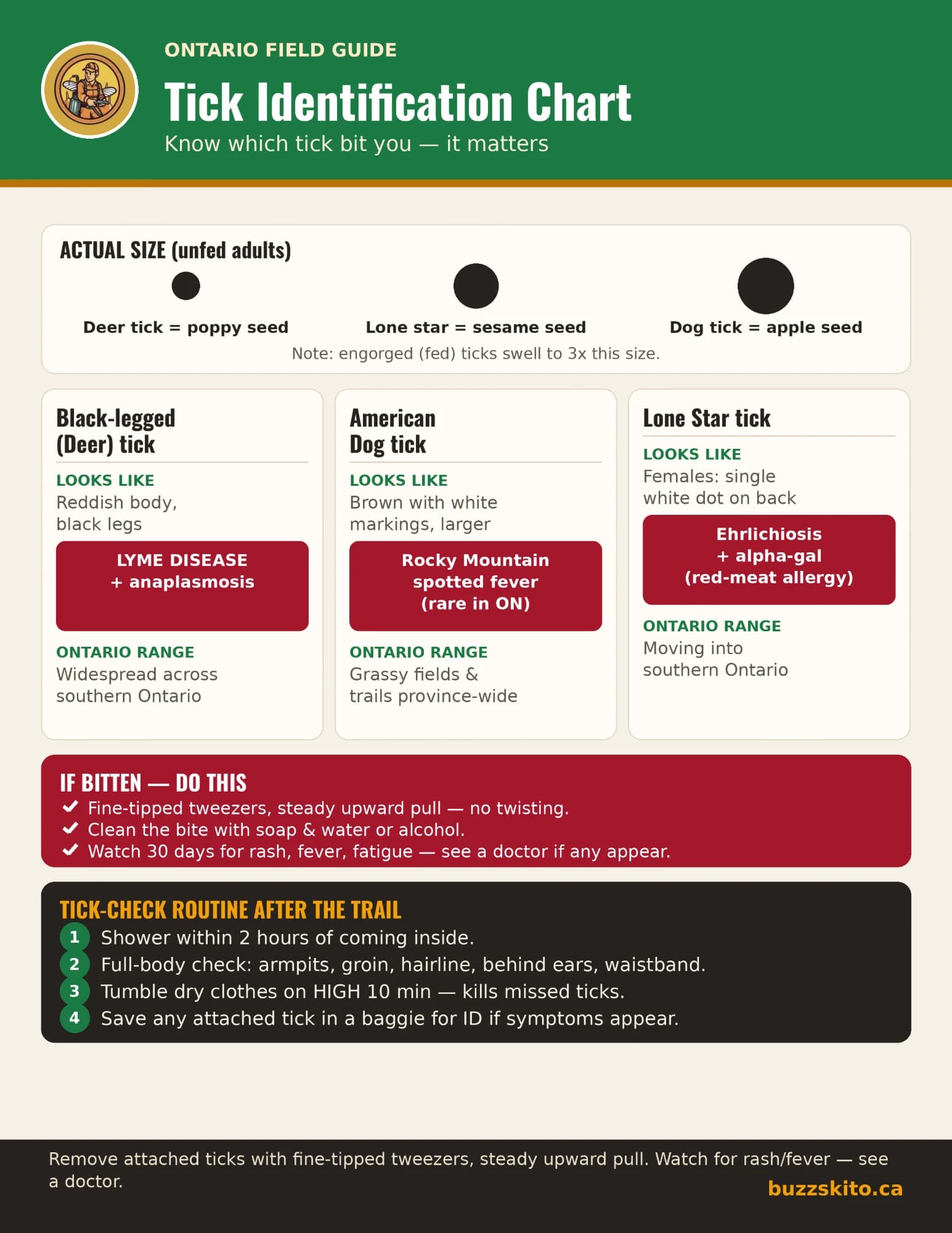
Mosquitoes and ticks are not just a nuisance in the Greater Toronto Area — they are Ontario’s two most important disease vectors. The good news is that the illnesses they carry are, for the most part, preventable through bite reduction. Below are the four diseases GTA families should know, what carries them, the symptoms to watch for, and where to go deeper. This is general educational information, not medical advice — if you suspect any of these illnesses, contact a healthcare provider.
1. West Nile Virus (mosquito-borne)
West Nile virus is the most significant mosquito-borne disease in Ontario. It is spread mainly by Culex mosquitoes, which breed in stagnant, nutrient-rich water like clogged catch basins and neglected containers. Roughly 80% of infected people have no symptoms at all, while most others experience a flu-like illness — fever, headache, body aches, and fatigue. In rare cases (well under 1%), the virus causes serious neurological disease. Risk peaks in late summer, when Culex populations and infection rates are highest. Dig deeper in our West Nile virus mosquito risk guide and track the season on the Ontario West Nile virus tracker.
2. Lyme Disease (tick-borne)
Lyme disease is the most common vector-borne illness in Ontario and the single biggest reason to take tick control seriously. It is spread by the blacklegged (deer) tick, Ixodes scapularis, and most often transmitted by the tiny, easily-missed nymph stage. The classic early sign is a spreading “bullseye” rash (erythema migrans) days after a bite, often with fever, fatigue, headache, and joint pain; untreated, it can progress to serious joint, heart, and neurological problems. Caught early, it responds very well to antibiotics — which is why prompt tick removal matters so much. See the full Lyme disease symptoms guide, learn what percentage of Ontario ticks carry Lyme, and review the province-wide picture in our Lyme disease statistics hub.
3. Eastern Equine Encephalitis / EEE (mosquito-borne)
Eastern Equine Encephalitis is rare in Ontario but serious when it occurs. It is spread by mosquitoes and, as the name suggests, has historically affected horses, though human cases can happen. EEE circulates mainly among birds in freshwater swamp habitats, with certain mosquito species occasionally bridging it to mammals. Most human infections cause mild or no symptoms, but severe cases can lead to brain inflammation (encephalitis). Because there is no vaccine or specific treatment for people, avoiding mosquito bites is the main protection, the same advice as for West Nile; see our Ontario mosquito repellent guide for personal-protection options.
4. Anaplasmosis (tick-borne)
Anaplasmosis is a bacterial infection spread by the same blacklegged tick that carries Lyme disease, and it has been reported more frequently in Ontario as tick populations grow. Symptoms typically appear one to two weeks after a bite and include fever, chills, severe headache, and muscle aches — often without any rash, which can make it harder to recognize than Lyme. Like Lyme, it is treatable with antibiotics and most serious when diagnosis is delayed. Because a single tick can carry more than one pathogen, the prevention playbook is identical: avoid bites, check for ticks, and reduce tick habitat. Read the wider list in our complete list of tick-borne diseases in Ontario.
| Disease | Carrier | Peak risk | Ontario frequency |
|---|---|---|---|
| West Nile virus | Culex mosquito | Late summer | Annual, dozens-hundreds of cases |
| Lyme disease | Blacklegged tick | Spring-fall (nymphs) | Most common — hundreds+ cases |
| EEE | Mosquito | Late summer | Rare |
| Anaplasmosis | Blacklegged tick | Spring-fall | Uncommon but rising |
How to Lower Your Family’s Risk
Every one of these diseases is transmitted by a bite, so every prevention strategy comes down to the same principle: avoiding bites where your family lives and plays. A layered approach:
- Reduce vectors at the source: Remove standing water where mosquitoes breed; keep grass short and clear leaf litter to reduce tick habitat.
- Treat your yard: A professional mosquito barrier spray and tick barrier spray target the resting areas and edge zones where adult mosquitoes and questing ticks gather around your home. It is pest control for the yard, not a replacement for the personal steps below.
- Protect your body: Use repellent, wear long sleeves in tick habitat, and perform a tick check after every outing.
- Act fast on bites: Remove ticks promptly and correctly, and watch for the symptoms above in the days that follow.
For step-by-step routines, see how to combat mosquitoes and how to combat ticks.
Keep Learning
- West Nile Virus Mosquito Risk in Ontario
- Lyme Disease Symptoms Guide
- Complete List of Tick-Borne Diseases in Ontario
- What Percentage of Ticks Carry Lyme in Ontario?
- Lyme Disease Statistics
- ← Back to the Ontario Learning Centre
This page is general educational information and is not medical advice. If you have symptoms or a concerning bite, consult a licensed healthcare provider.
Frequently Asked Questions
What diseases do mosquitoes and ticks carry in Ontario?+
In Ontario, mosquitoes primarily spread West Nile virus and, more rarely, Eastern Equine Encephalitis (EEE). Blacklegged (deer) ticks spread Lyme disease — by far the most common tick-borne illness — along with anaplasmosis and, less often, babesiosis and Powassan virus. Lyme disease and West Nile virus account for the large majority of reported cases each year.
What is the most common tick-borne disease in Ontario?+
Lyme disease is by far the most common tick-borne disease in Ontario, transmitted by the blacklegged (deer) tick. Ontario reports hundreds to over a thousand human cases in recent years and the number has climbed as tick range has expanded across the GTA and southern Ontario. Early treatment is highly effective, which is why prompt tick removal and awareness of the bullseye rash matter.
How do I reduce my family's risk of these diseases?+
Public health agencies' core advice is to avoid bites: use insect repellent as its label directs, wear long sleeves and pants in mosquito and tick habitat, do tick checks after being outdoors, and remove any attached tick promptly. Around the home, remove standing water, keep grass short, and clear leaf litter. Some families also have the yard's mosquito resting areas and tick edge zones treated with a professional barrier spray; that is pest control for the yard, not a substitute for personal protection or medical advice.
Are mosquito and tick diseases in Ontario getting worse?+
Yes. Warmer, longer seasons have expanded the range of the blacklegged tick across the GTA and southern Ontario, driving a steady rise in Lyme disease cases, while West Nile virus remains an annual risk in mosquito season. Public-health surveillance shows both tick populations and reported cases trending upward, making bite prevention increasingly important.