Published by BuzzSkito Mosquito & Tick Control
Published October 20, 2026 · Drafted with AI assistance and fact-checked against the sources listed below
Reading from Canada? Product rules and what is sold there differ. See the Canadian edition.
What does bed bug poop look like?
Bed bug poop looks like black dots and specks, not pellets: it is digested blood, passed as a semi-liquid that dries where it lands. Virginia Tech's guide to identifying an infestation says the spots are black rather than red because the blood is already digested, and the EPA's guide to finding bed bugs sizes each dot at about a printed bullet point that may bleed into fabric the way a marker would.
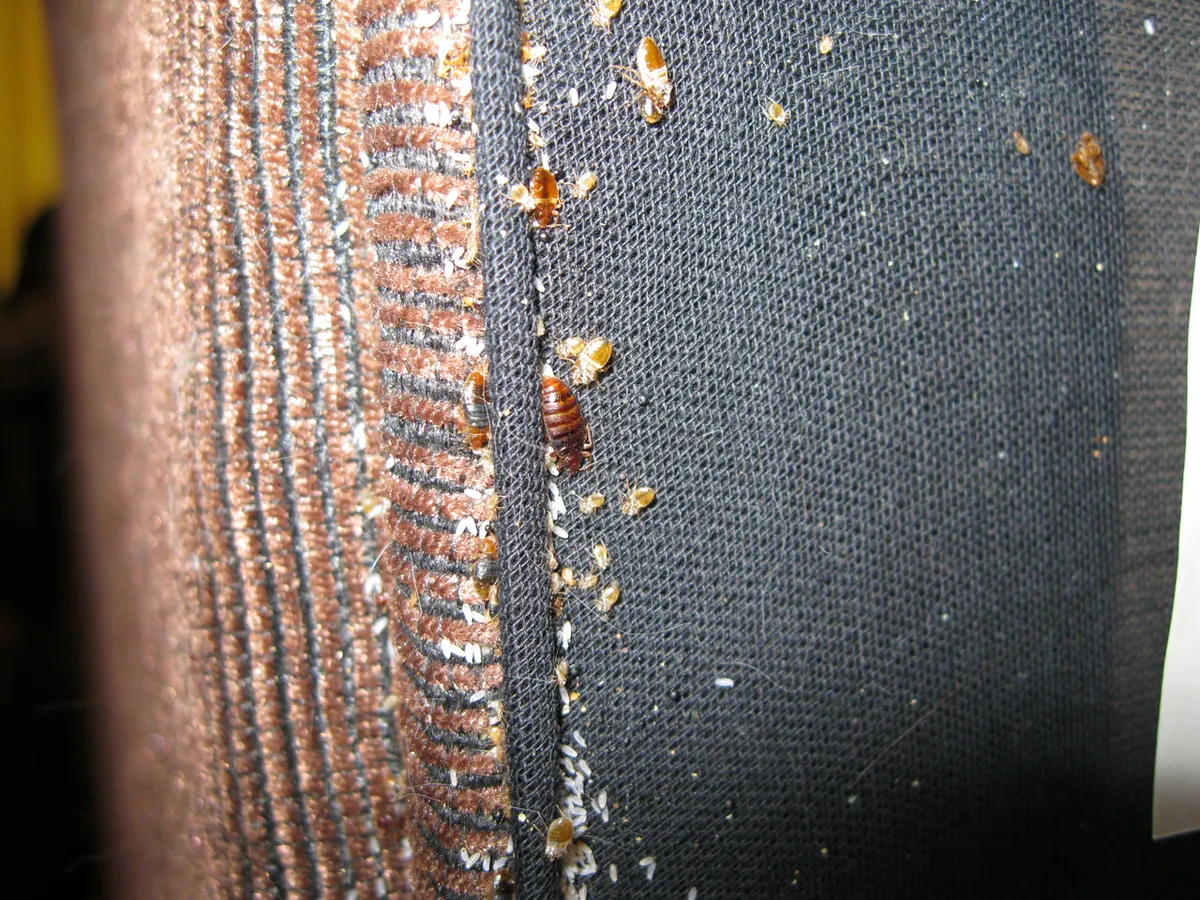
The spots collect where the bugs rest between meals. Bed bugs typically feed every five to 10 days, says Cornell IPM's bed bug FAQ, and Virginia Tech explains that blood holds so much water that they pass the excess as waste wherever they go after feeding, often leaving groups of 10 or more spots.
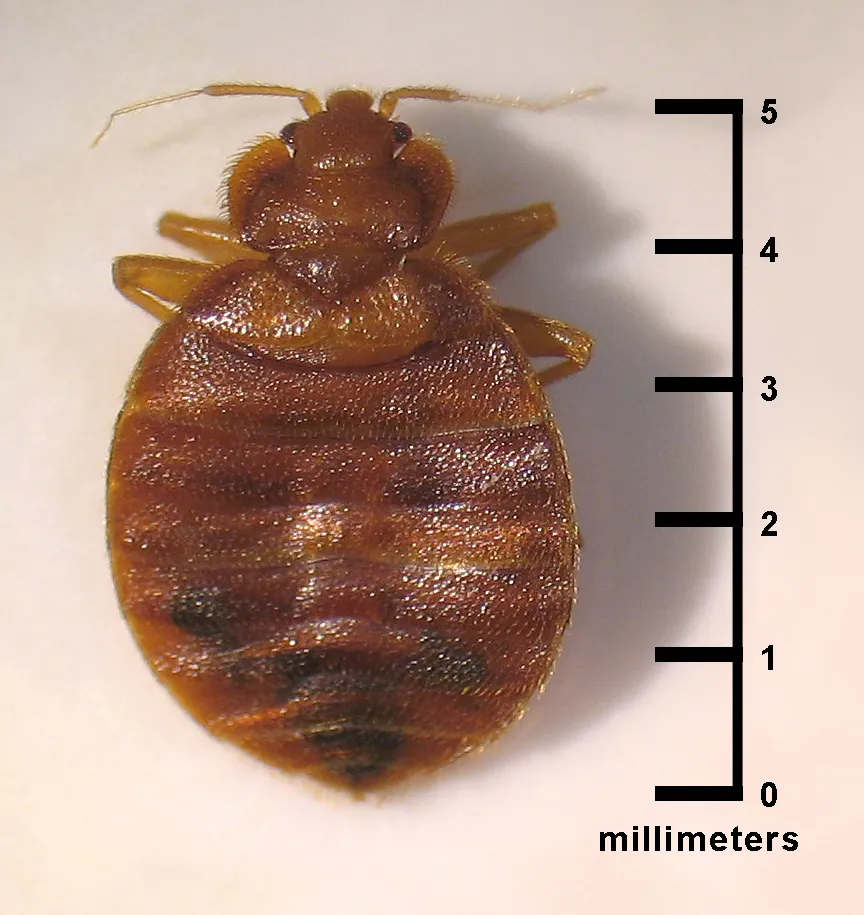
For the bug itself, see what bed bugs look like from egg to adult and whether a bed bug can look black; for biology and treatment, see the complete guide to bed bugs.
What does bed bug poop look like on sheets, mattresses, wood and walls?
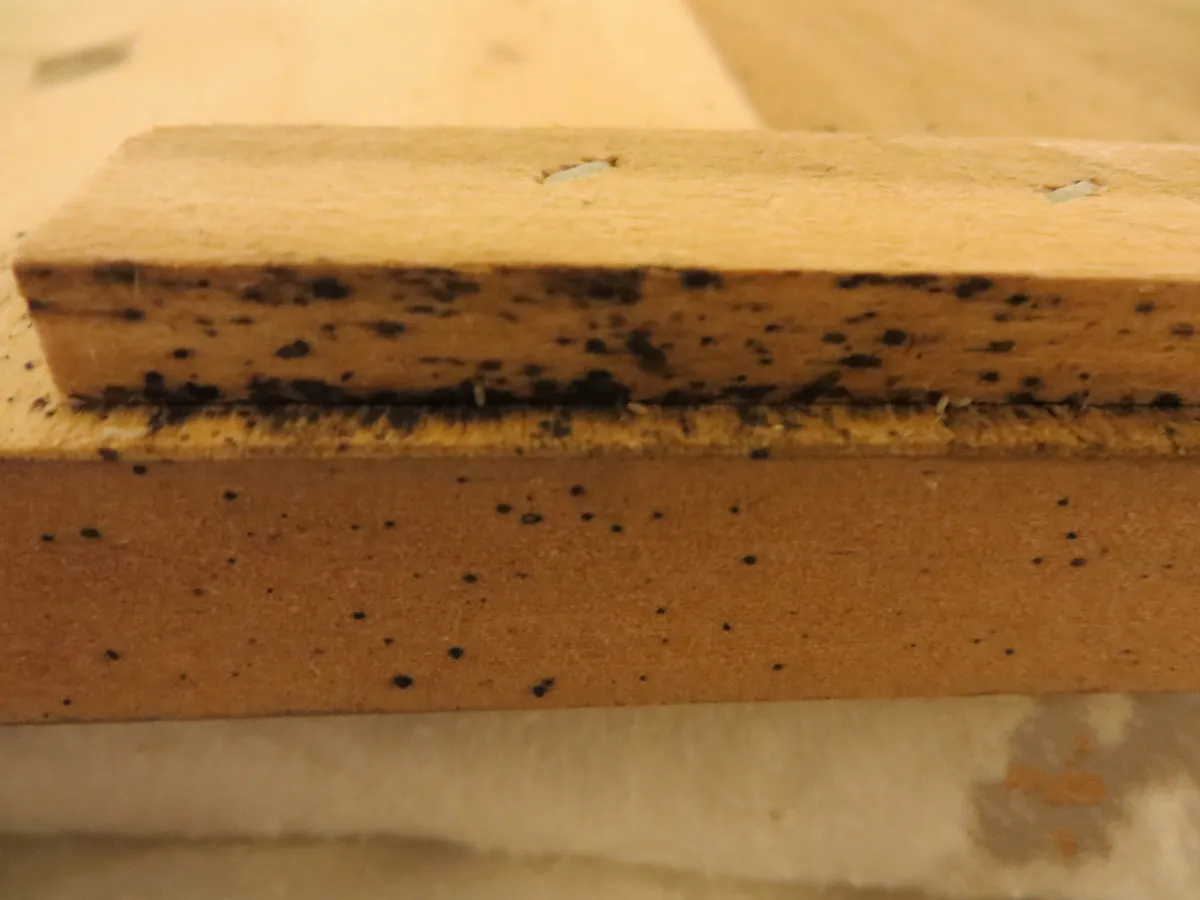
On fabric the spots can bleed in like marker ink; on wood they show as black speckling along joints, as in the photo above, and around screws, as photos from the University of Tennessee and the University of Kentucky show. Read what you found by where you found it:
| Where you found it | What bed bug spots look like there | Check nearby for |
|---|---|---|
| Sheets and pillowcases | Dark dots that may bleed in like a marker; rusty or tarry spots from bugs voiding earlier blood meals while feeding | Rusty or reddish smears from crushed bugs |
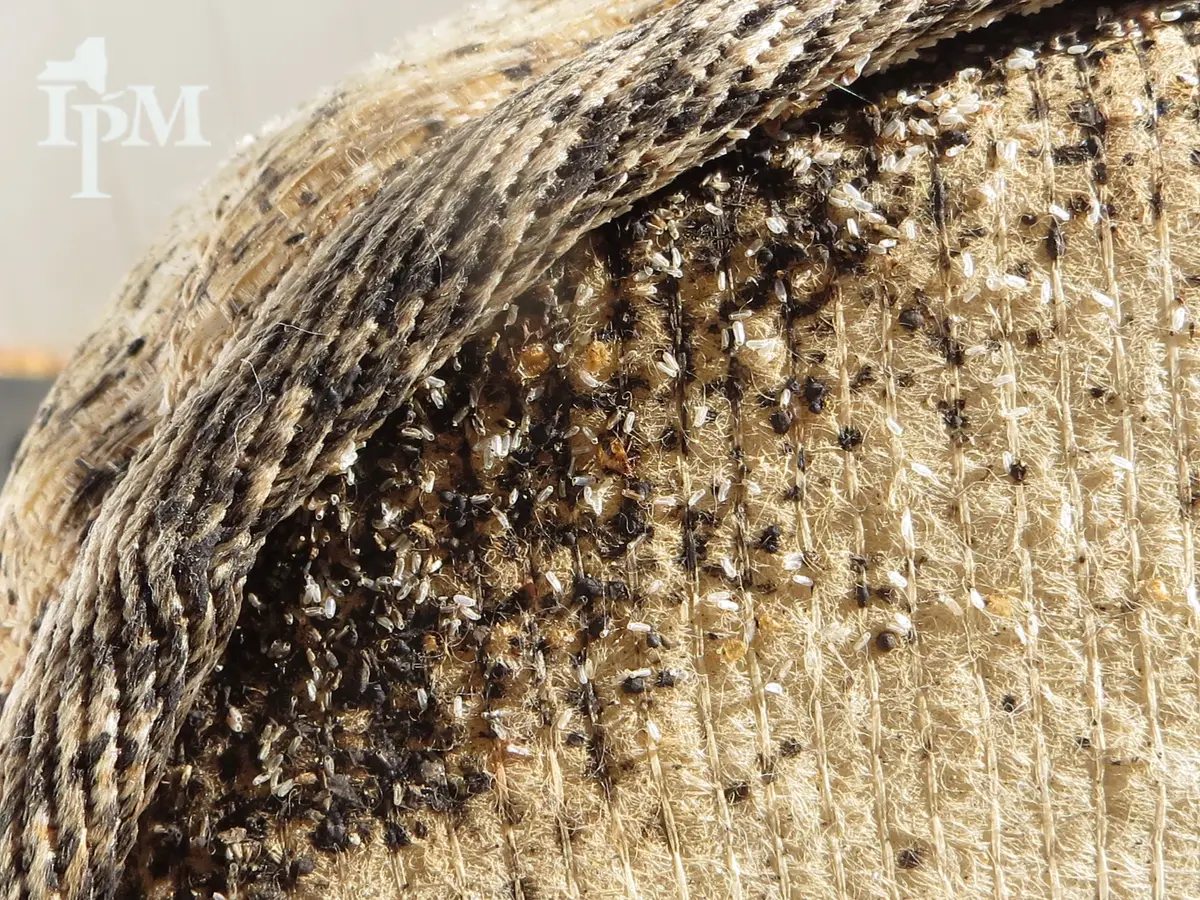
| Mattress and box spring | Black spots along the seams, piping and tag, often in groups; thick black stains in a large infestation | Eggs, pale shed skins and live bugs |
| Bed frame, headboard, nightstand | Black speckling along wood joints, behind the headboard and around recessed screws | Bugs and eggs in screw holes and cracks |
| Walls, baseboards, ceilings | Spots on baseboard tops, at ceiling-wall joints, behind pictures and at outlets; dense patches can pass for mold | Bugs under loose wallpaper and wall hangings |
| Curtains | Spots in the seams where curtains gather at the rod | Bugs in the folds |
| Sofas and recliners | Spots along seams, skirts and fabric folds where the bugs rest | Bugs, especially if someone sleeps there |
| Plastic and metal | Not described in the sources on this page | Nearby wood and fabric, which Kentucky says bed bugs favor |
Sources: the EPA, Virginia Tech, Kentucky, Tennessee and the New York State IPM Program.
Start with wood and fabric, which the Kentucky fact sheet says bed bugs favor over metal or plastic. After the bed, a room-by-room list of where bed bugs hide ranks the next places to search.
How do you test a spot to see if it is bed bug poop?
Wipe it with a wet tissue: a rusty color on the tissue suggests bed bug poop, according to Cornell's guide to identifying bed bugs. The University of Tennessee's identification page explains the point: bed bug fecal matter can look like German cockroach droppings, but bed bug feces run red when moistened and cockroach feces do not. Cornell treats a rusty smear as a first step, not proof.
Test a spot in four steps
- Look around it. Shed skins or hatched eggs nearby point to bed bugs; Virginia Tech says to check for them first.
- Feel it. Bed bug spots feel smooth, being dried liquid; German cockroach droppings feel granular, Virginia Tech says.
- Wipe it with a wet tissue. A rusty color suggests bed bugs; cockroach specks do not run red.
- Note where it is. The University of Kentucky's cockroach fact sheet says cockroach spotting can usually be told apart by location, since cockroaches seldom gather on beds the way bed bugs do.
The wet test has a blind spot: fleas. Flea dirt is dried blood too, and Ohio State University Extension's flea fact sheet says its pellets turn water bright red. Where you found the specks usually decides it: flea dirt falls from a pet and collects where it rests and sleeps, while bed bug spots stay put along seams and bed frames.
What else leaves black spots like bed bug poop?
Three things are easy to mistake for bed bug poop: cockroach specks, flea dirt and black patches that pass for mold. If you find bugs too, bat bugs and bird bugs can pass for bed bugs.
Cockroach specks
Cockroach droppings are pepper-like specks where cockroaches gather, the University of Kentucky's cockroach fact sheet says, similar to bed bug spotting but usually set apart by where they are. German cockroaches, the most common in homes, live mostly in kitchens and bathrooms, under sinks, behind appliances and inside cabinets, and turn up in bedrooms and closets when their numbers are large or food is scarce. The brown-banded cockroach is often found away from kitchens: high on walls and in cabinets and closets, behind picture frames, and in furniture.
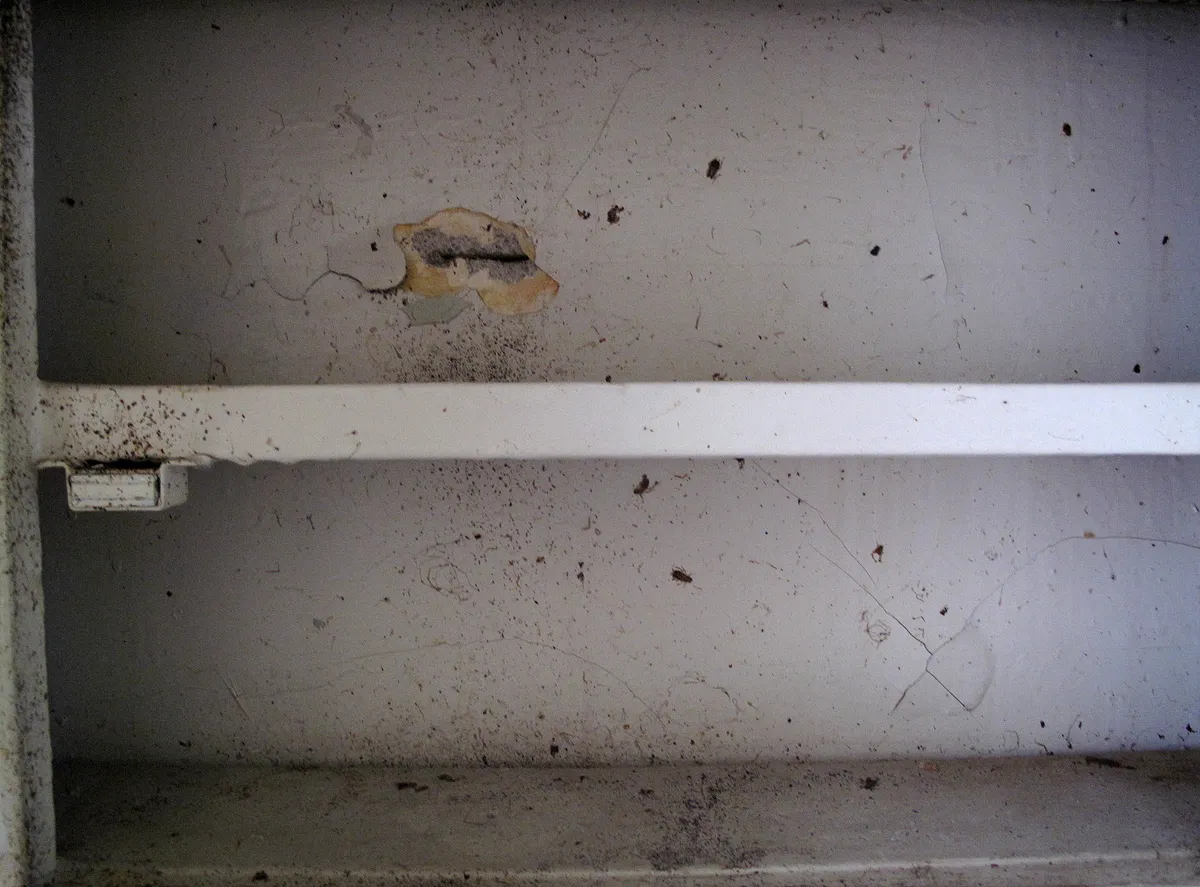
The guide to cockroach droppings covers the specks of small cockroaches and the pellets of large ones, and the German cockroach guide covers the species itself.
Flea dirt
Flea dirt is loose, granular specks, black or dark brown and like ground pepper, on a pet's skin and fur, says the University of Minnesota's veterinary diagnostics textbook, which confirms it on a wet paper towel: the specks dissolve reddish-brown. Ohio State adds that cats can leave the pellets on refrigerators, tables and bookcases, and the University of Kentucky that fleabites occur mainly around the ankles, while bed bugs bite any skin exposed during sleep.
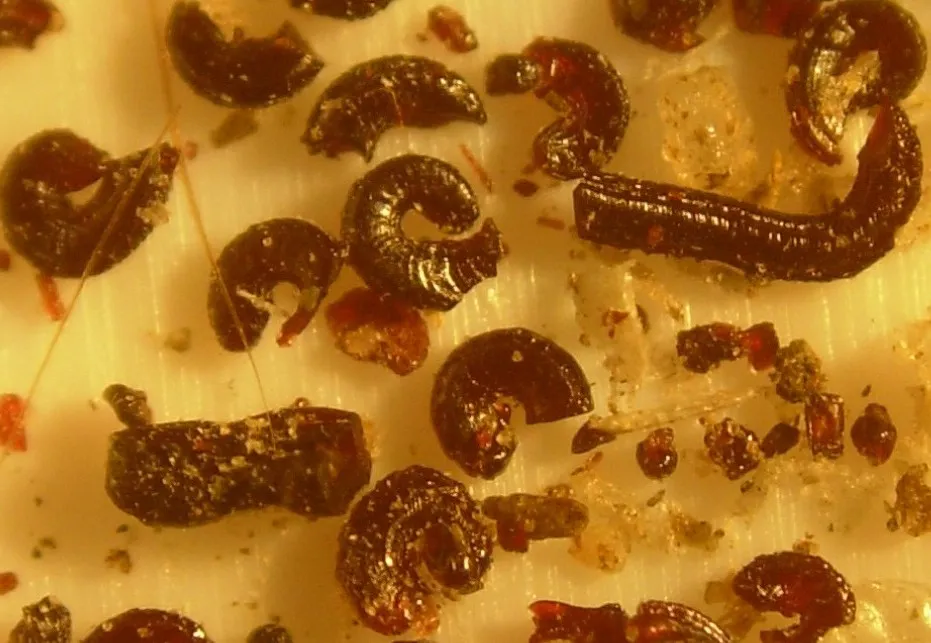
What flea eggs and flea dirt look like shows both close up, and the guide to flea bites on people covers the bites.
Black patches that look like mold
A dense patch of bed bug spots on a wall or ceiling can look like mold. Virginia Tech describes an apartment ceiling that at first glance looked like a mold or mildew problem from moisture upstairs; up close, the black material was fecal spotting around clusters of bed bugs. Check with a flashlight: bed bug clusters hold live bugs, cast skins and eggs among the spots.
Bat bugs and bird bugs
Bat bugs and bird bugs are close relatives of the bed bug that may bite people, especially after their wild hosts leave, the University of Kentucky says, and an entomologist or pest professional can tell them apart. Cornell adds that bat bugs do not infest beds or couches the way bed bugs do. Identification matters because Kentucky says their control centers on the roosts and nests and on keeping the animals out. The insects most often mistaken for bed bugs compares them side by side.
Droppings with a shape of their own, rather than flat stains, come from other animals. Compare them with mouse poop and rat droppings, or sort them with the animal poop identification chart.
Commonly confused with
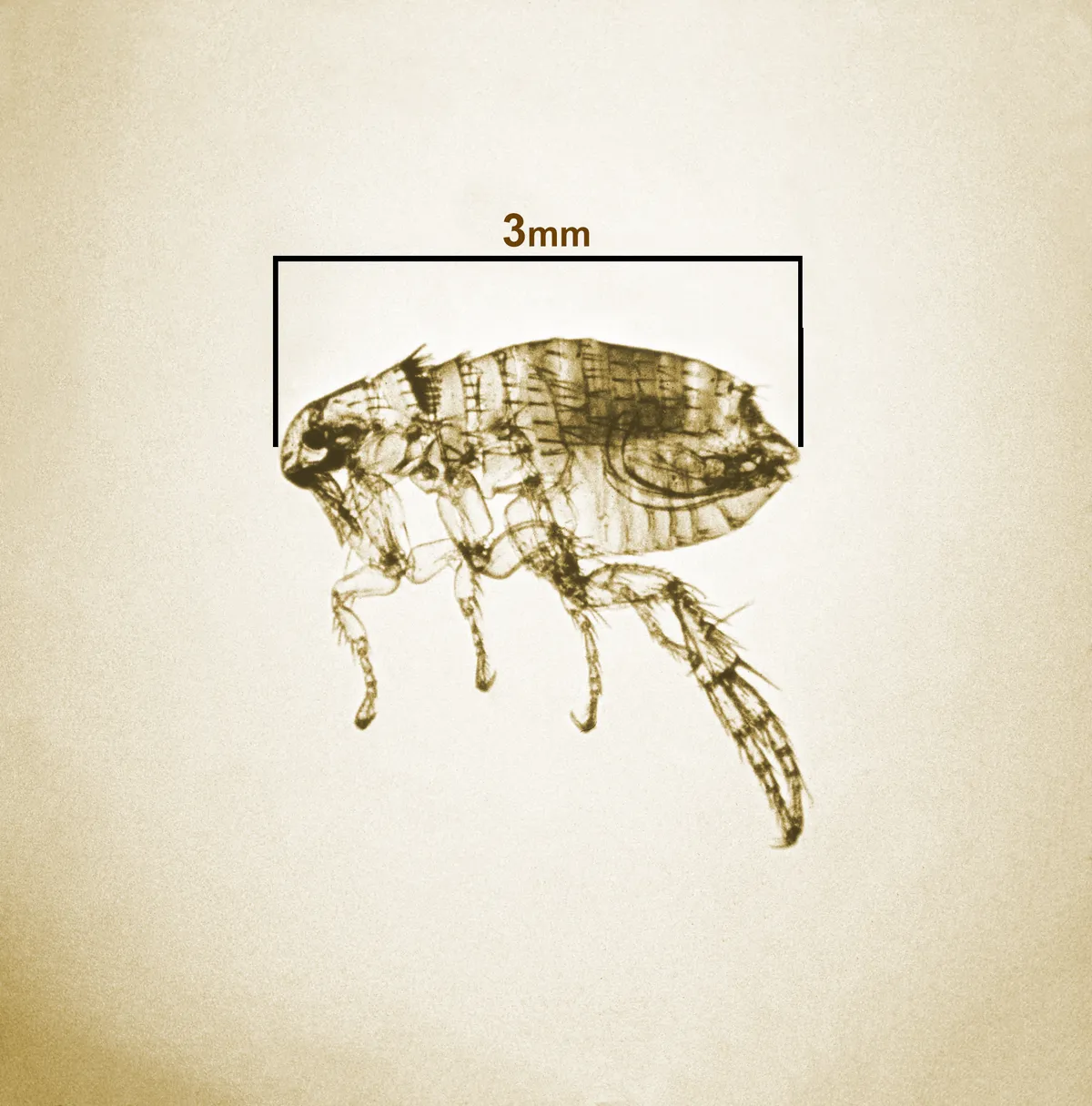 Cat fleaLeaves flea dirt: loose, gritty specks in a pet's fur and resting spots that also turn red when wet
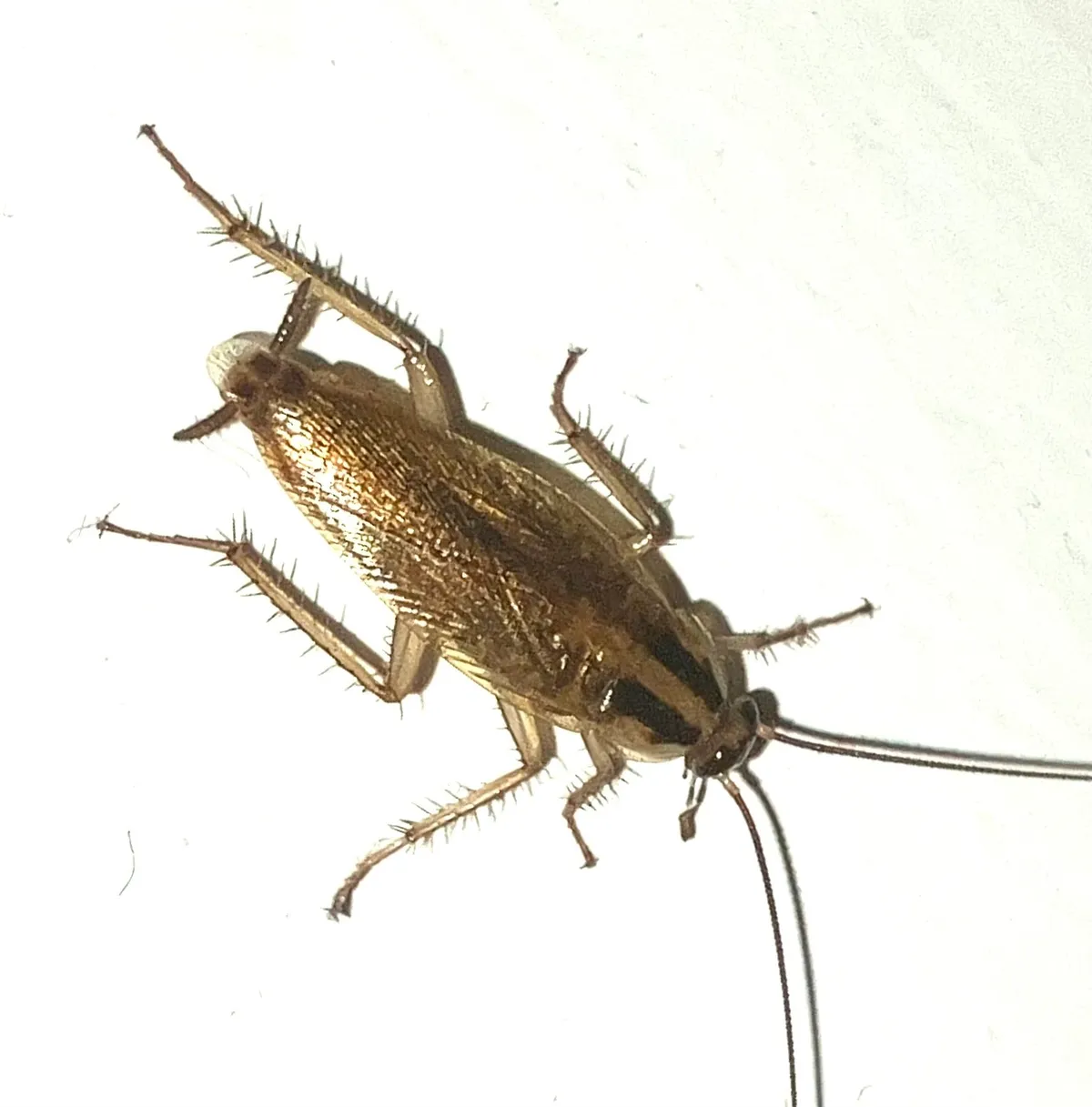 German cockroachIts pepper-like specks feel gritty, stay dark when wet and seldom turn up on beds
 Bat bugA close relative that lives with bats and does not infest beds or couches
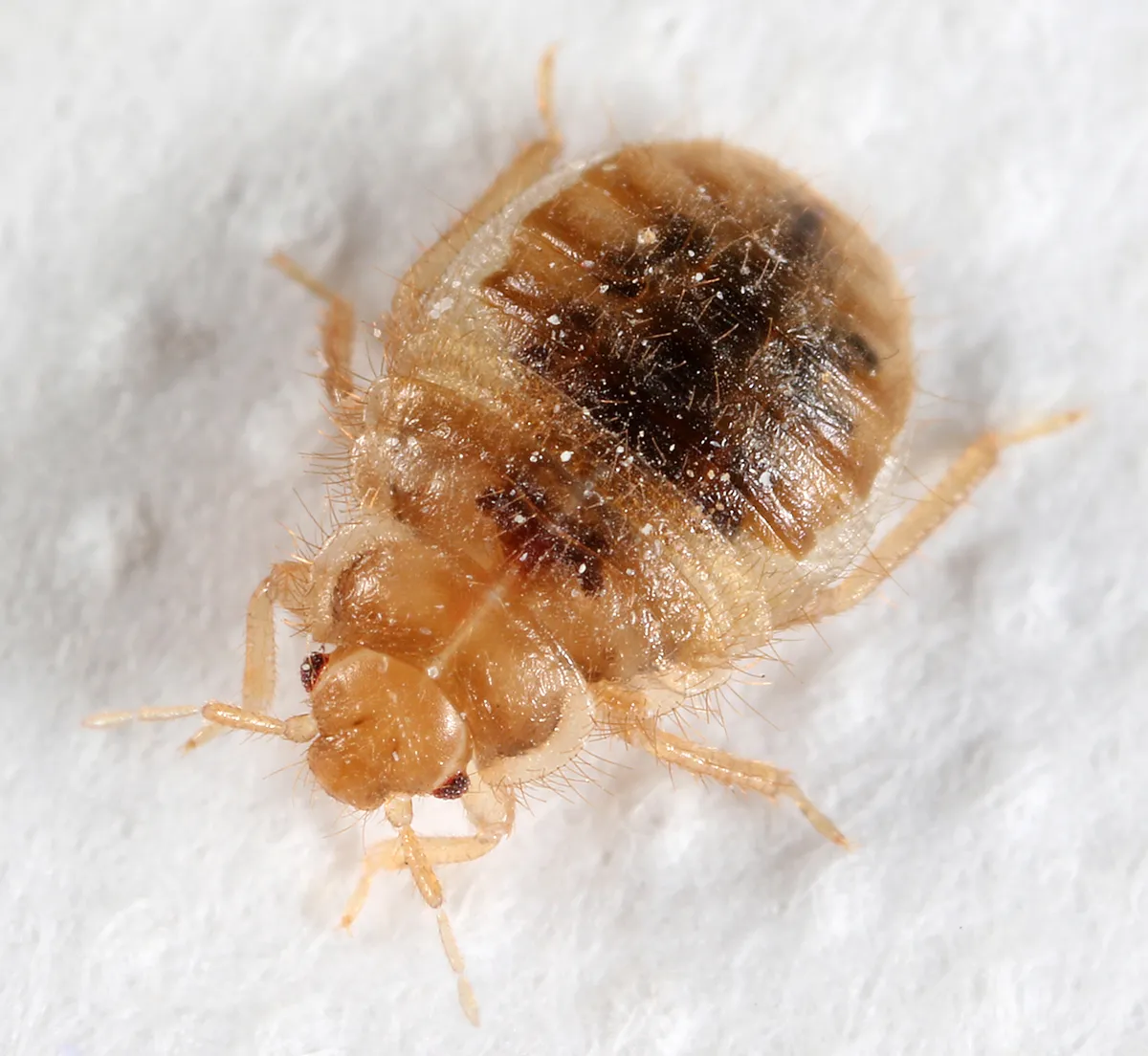
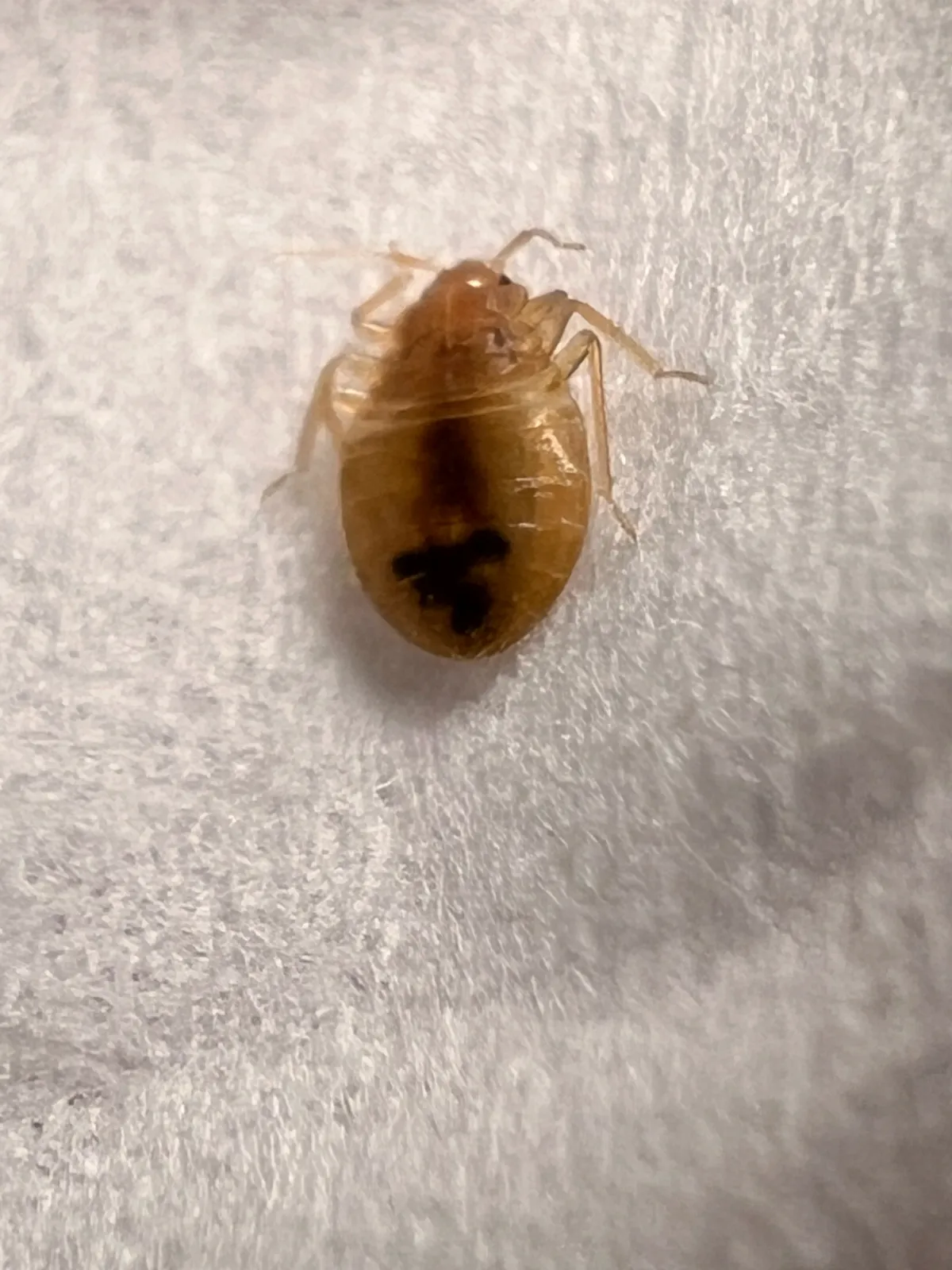 Baby bed bugA tiny nymph crawls away; a fecal spot is a stain that stays put
Photos: Cat flea: CDC (CDC Public Health Image Library, phil.cdc.gov), public domain. German cockroach: no rights reserved, via iNaturalist, CC0 1.0. Bat bug: CDC/ Gary D. Alpert, Ph.D., Northern Arizona University, Department of Biological Sciences; photo: Gary D. Alpert, Ph.D., Northern Arizona University, Department of Biological Sciences (CDC Public Health Image Library, phil.cdc.gov), public domain. Baby bed bug: no rights reserved, via iNaturalist, CC0 1.0.
What does finding bed bug poop mean?
It means bed bugs have fed and rested there, but not necessarily that they are there now. Cornell IPM's answers to common bed bug questions say blood spots, hatched eggs and cast skins may be left from an infestation already dealt with, and that live bed bugs are the only confirming evidence. Still, Cornell calls black fecal spots on mattresses and bed frames the best way to begin an inspection.
The amount hints at the size of the problem. Virginia Tech says a low infestation may leave only one or two spots where a bug passed through, while in a large one fecal spots can be found anywhere, like the thick stains on the mattress above.
Bed bug poop but no bugs?
Keep looking: small infestations are hard to find. The EPA says low-level infestations are much more challenging to find and identify, and the University of Kentucky says bed bugs spend the day hidden close to where people sleep, so search seams, joints and cracks with a flashlight. If you find no bugs but the bites continue or blood spots turn up on your bedding, Cornell advises having a professional with bed bug experience inspect.
If the bites go on and no bed bug ever turns up, the guide to bites when no bed bugs can be found sorts the other suspects, from fleas and bird mites to rashes that are not bites at all, by the clues around the bites.
The signs of bed bugs checklist ranks the other evidence from strongest to weakest, and what bed bug shed skins look like helps with the pale casings that often sit beside the spots.
Can you wash bed bug poop stains out?
None of the government or university sources cited here gives a way to remove the stains; they cover killing the bugs. Cornell IPM's bed bug FAQ says the dryer's hottest setting for 30 minutes kills bed bugs and their eggs, and warns that bed bugs can survive a hot wash cycle. Kentucky, which advises washing at 120°F or hotter, agrees that a dryer alone kills every life stage. Dry cleaning kills them too: tell the cleaner the item may be contaminated, and dry it first only if heat will not damage it and stains will not set.
A stained mattress does not have to go. Cornell advises against throwing out an infested mattress: a bed bug-proof encasement kept on for a year and a half starves the bugs inside, and its light color and lack of piping or tags make new bugs easier to see. What to do about bed bugs on a mattress covers vacuuming, steaming and encasing.
Cleaning may matter for more than looks. Bed bugs give off high levels of histamine in their feces, and an NC State University study found histamine in household dust at least 20 times higher in infested apartments than in homes without bed bugs, little changed three months after heat and insecticide treatment. The lead researcher suggested that heat treatment combined with rigorous cleaning to remove some of the household dust could reduce it, which the team planned to test.
Is bed bug poop dangerous?
Not as a source of disease, as far as is known. The CDC's bed bug overview says bed bugs are not known to spread diseases to people, and the University of Kentucky says that although the bugs can harbor various pathogens, transmission to humans has not been proven and is considered unlikely.
The open question is histamine. NC State's announcement notes that histamine can cause rashes on the skin and breathing problems when inhaled, and the study's authors wrote that the high levels, their persistence and their closeness to sleeping people suggest bed bug histamine may be an emerging indoor contaminant and a serious health risk. They planned further research on its effects.
The bites themselves are covered in how bed bug bites look and how long they last.
What should you do once you know it is bed bug poop?
Confirm it, then follow a plan. Cornell's advice is to keep sleeping in your own bed, since moving to another room can carry the bugs to a new place, and not to throw out the mattress. The step-by-step plan for getting rid of bed bugs covers containment, heat, encasements, monitoring and when to call a professional.
Frequently Asked Questions
How can you tell if it's bed bug droppings?+
Check where the spots are, then test one. Bed bug droppings are black dots of digested blood that collect along mattress seams and tags, box spring frames, headboards and baseboards, and on fabric they can bleed in like a marker. Wipe one with a wet tissue: Cornell IPM says a rusty color on the tissue suggests bed bug poop, and the University of Tennessee says cockroach feces do not run red. Shed skins or eggs nearby make it likelier, and only a live bug confirms it.
Does bed bug poop smear when wet?+
Yes. The University of Tennessee says bed bug feces run red when moistened, and Cornell IPM suggests wiping a spot with a wet tissue and looking for a rusty color on the tissue. German cockroach droppings, which can look similar, do not run red. Flea dirt does, because it is dried blood as well: Ohio State says it turns water bright red. So a red smear rules out cockroaches but not fleas, and where you found the spot usually decides between those two.
Is bed bug poop hard or soft?+
It is a dried stain rather than a hard pellet. Virginia Tech explains that bed bugs pass digested blood as a semi-liquid waste that dries where it lands, so the spots feel smooth to the touch. German cockroach droppings feel granular because they contain solid waste, and flea dirt is loose and granular too. A crumb or a pellet with a shape of its own points away from bed bugs and toward one of the look-alikes or another animal's droppings.
What color is bed bug poop?+
Black or nearly black. Virginia Tech says bed bug fecal spots are black rather than red because the blood has already been digested, and the EPA calls them dark spots. Wetting brings the red back: the University of Tennessee says bed bug feces run red when moistened. Rusty or reddish marks on sheets have two causes the EPA describes: crushed bugs, or the remains of an earlier blood meal voided while a bug was still feeding.
Can you find bed bug poop but no bed bugs?+
Yes, for two reasons. The spots can be old: Cornell IPM says blood spots, hatched eggs and cast skins may be left from an infestation that has already been dealt with, and that live bed bugs are the only confirming evidence. Or the bugs are hiding: the EPA says low-level infestations are much more challenging to find, and the University of Kentucky says bed bugs spend the day hidden close to where people sleep. If bites continue or you find blood spots on your bedding, Cornell advises a professional inspection.
Do you have to throw out a mattress with bed bug stains?+
No. Cornell IPM advises against throwing out an infested mattress and buying a new one, partly because bed bugs hide in more than mattresses and new mattresses may travel in the same trucks as used ones. A bed bug-proof encasement on the mattress and box spring, kept in place for a year and a half, starves the bugs inside, and its light color makes new bugs easier to spot. If you do need a new mattress, Cornell suggests waiting until the infestation is gone.
Is it safe to touch bed bug poop?+
Virginia Tech's identification guide tells readers to touch suspected spots to check their texture, smooth for bed bugs and granular for cockroaches, and the CDC says bed bugs are not known to spread diseases to people. The open question is histamine, which bed bugs release in their feces: an NC State University study found it at least 20 times higher in the dust of infested homes than in homes without bed bugs, and the researchers planned further study of its health effects.
How do you tell bed bug poop from flea dirt?+
By where it is and what form it takes, not by the wet test, because both are digested blood and both run red when wet. Flea dirt is loose, granular specks like ground pepper on a pet's skin and fur, the University of Minnesota's veterinary textbook says, and Ohio State notes that cats can leave it on tables and shelves. Bed bug spots are stains that bleed into fabric like a marker, along mattress seams, box springs and bed frames, often beside shed skins and eggs.
What does bed bug poop look like on walls?+
Black spots where walls meet other surfaces. Virginia Tech lists the tops of baseboards and the edge of the carpet, ceiling-wall junctions, the space behind pictures and electrical outlets among the places to check, and describes a ceiling where dense clusters at first looked like mold or mildew. Up close, bed bug clusters hold live bugs, cast skins and eggs among the spots. In heavily infested rooms, the EPA adds loose wallpaper and wall hangings as hiding places.
What does bed bug poop look like on sheets?+
Dark dots that may bleed into the fabric the way a marker would, according to the EPA. The EPA adds that rusty or tarry spots on sheets come from adults and large nymphs voiding the remains of earlier blood meals while still feeding, and Cornell IPM notes that bed bugs poop soon after they feed. Rusty or reddish smears can also be bugs crushed in the bed. Cornell suggests light-colored bedding, which makes insects and spots easier to see.
Sources
- How to Find Bed Bugs — US Environmental Protection Agency
- Identifying Bed Bugs — Cornell Integrated Pest Management (Cornell IPM), Cornell University
- Bed Bug FAQs — Cornell Integrated Pest Management (Cornell IPM), Cornell University
- How to Identify a Bed Bug Infestation, by Dini M. Miller — Virginia Tech Department of Entomology (hosted by the Virginia Department of Agriculture and Consumer Services)
- Biology and Identification — University of Tennessee Institute of Agriculture
- ENTFACT-636: Bed Bugs — University of Kentucky Department of Entomology
- ENTFACT-614: Cockroach Elimination in Homes and Apartments — University of Kentucky Department of Entomology
- Fleas (HYG-2081) — Ohio State University Extension
- Module 10.7: Fleas, Clinical Veterinary Diagnostic Laboratory — University of Minnesota Libraries Publishing
- About Bed Bugs — Centers for Disease Control and Prevention
- Bed Bug Histamines Are Substantial, Persistent in Infested Homes (2018) — NC State University News
How this guide was made: it was researched and drafted with AI assistance from the sources listed above. A second, independent AI pass then checked each factual claim against those sources. Found an error? Email support@buzzskito.ca.