
Published by BuzzSkito Mosquito & Tick Control
Published October 16, 2026 · Drafted with AI assistance and fact-checked against the sources listed below
What do flea eggs look like?
Flea eggs look like tiny, smooth white ovals, all the same shape. The University of Florida's cat flea profile puts them at about 1/50 inch (0.5 mm) long and says their dry, smooth surface lets them fall easily out of an animal's hair. UC IPM's flea guide calls them pearly white and gives a slightly larger size, about 1/32 inch.
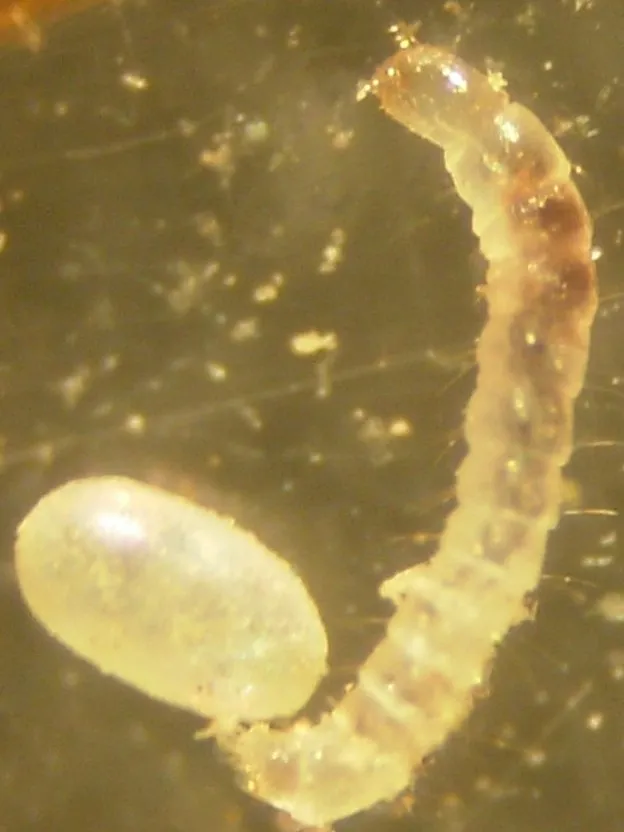
At life size, an egg is just a white speck: the University of Florida calls the eggs visible but nearly impossible to see against carpet, bedding or lawn. A magnifying glass shows the smooth, pearly oval, unlike a flat flake of skin.
Eggs start on the pet. UC IPM says adult cat fleas feed, mate and lay eggs on their host, about 20 to 50 eggs a day per female, and that the eggs hatch in about 2 to 5 days. Ohio State University Extension's flea fact sheet gives 15 to 20 eggs a day and 2 to 14 days to hatch, and says they usually drop out where the animal sleeps and spends its time: rugs, carpets, upholstered furniture, kennels and lawns.
This page covers what fleas leave around a home: eggs, larvae and flea dirt. The adult, the jumping insect found on pets, people and furniture, has its own guide to what adult fleas look like.
What does flea dirt look like?
Flea dirt looks like ground black pepper: tiny black or dark brown specks, uneven in shape, in a pet's fur and bedding. The University of Minnesota's Clinical Veterinary Diagnostic Laboratory textbook describes the specks that way and calls flea dirt often the first visible sign of an infestation. Texas A&M AgriLife Extension's guide to managing fleas calls it a fine, reddish-black dust.
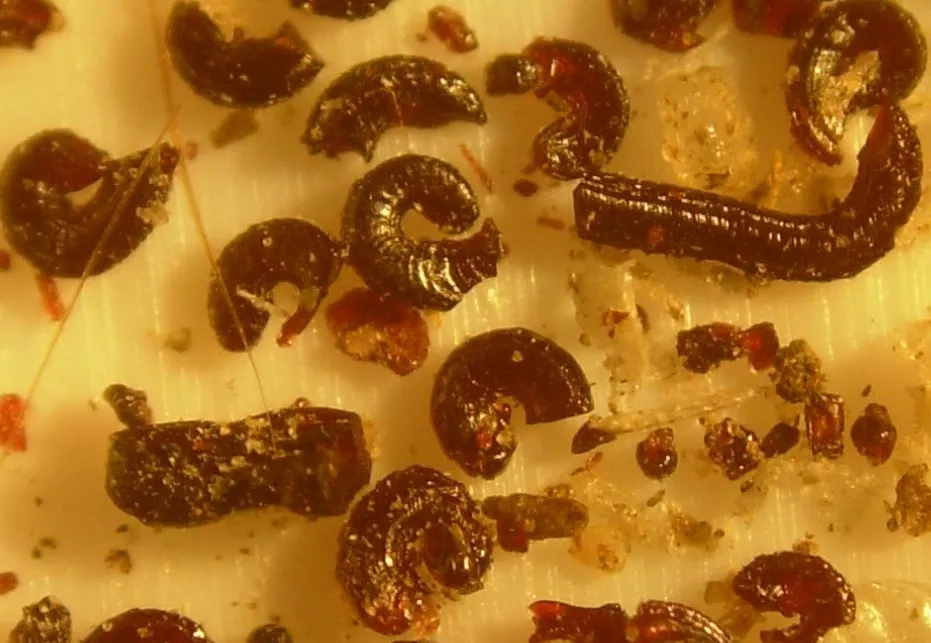
Ohio State explains that adult fleas take in more blood than they need to digest, and the excess dries and falls from the animal as small black pellets. Flea larvae feed on it: the University of Florida calls flea dirt their main food, and UC IPM says larvae are likely to be found where adults have left dried blood and feces.
How do you confirm it is flea dirt?
Wet it. Ohio State's method is to stand the pet in a white sink or bathtub, comb its fur and wet any small black specks that fall: if they turn red, they are the blood-filled droppings of adult fleas. The University of Minnesota textbook uses a wet paper towel: specks that dissolve into a reddish-brown color are likely flea dirt, not ordinary dirt, which has no blood to color the towel.
What do flea larvae look like?
Flea larvae look like tiny, pale worms with a brownish head and no legs. UC IPM describes them as wormlike and hairy, no larger than 3/16 inch, with a distinct brownish head but no eyes or legs, and Ohio State as translucent white and sparsely covered with hairs. The University of Florida gives a length of 1/16 to 3/16 inch (1.5 to 5 mm) and notes a dark gut that shows through the thin, translucent outer skin.
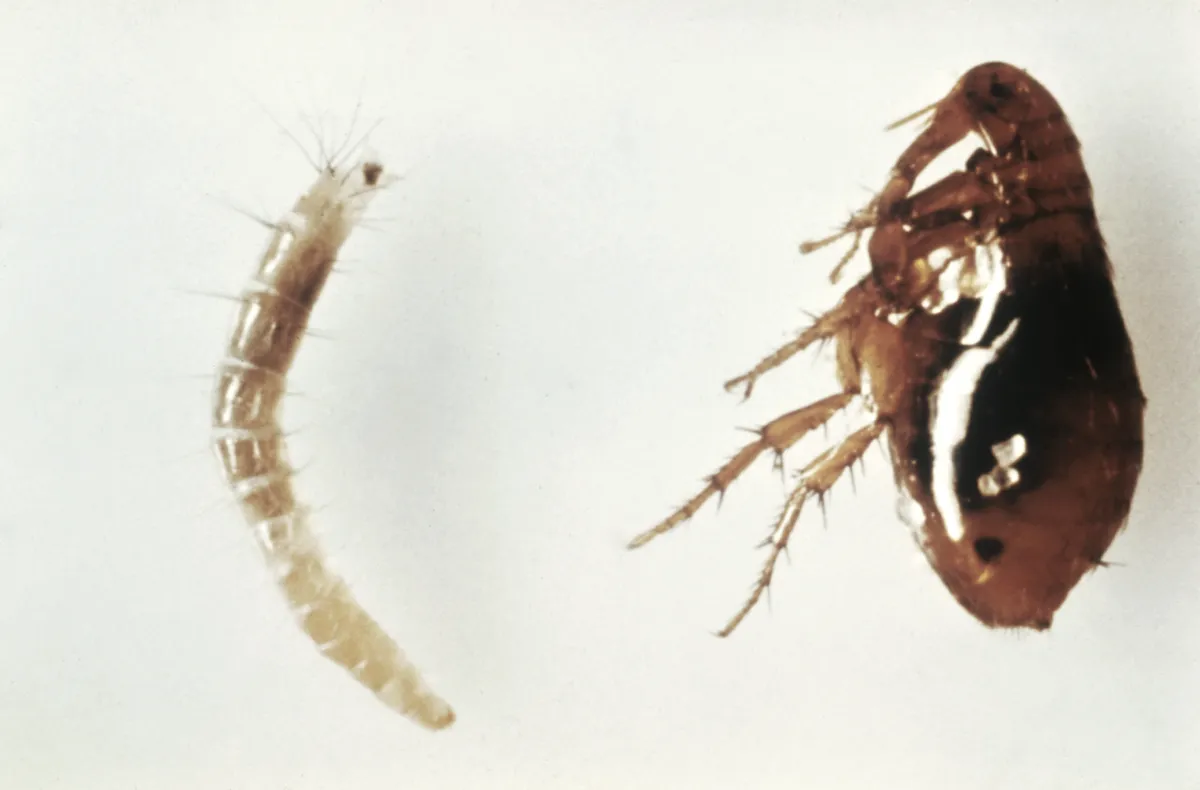
Larvae avoid light. Ohio State says they are typically active at night and hide in carpet fibers, bedding and other protected places, and Texas A&M says the most likely place to find them is infested pet bedding. UC IPM says they develop at the base of carpet fibers, need at least 75% relative humidity, prefer 70 to 90°F, are usually absent from spots with heavy foot traffic or sunlight, and feed for 8 to 15 days before spinning a cocoon.
What does a flea cocoon look like?
A flea cocoon looks like a bit of debris: the University of Florida says its sticky silk collects dirt and debris as camouflage, and UC IPM says pet hair, bits of skin and carpet fibers usually cover it. The adult inside can wait up to 12 months at cool temperatures, UC IPM says, until warmth or the pressure of feet or a vacuum on the carpet brings it out.
How do you tell flea eggs from dandruff, flea dirt and sand?
Check the shape and color, then wet anything dark. Flea eggs are smooth white ovals that match one another, flea dirt is dark and irregular and dissolves reddish-brown when wet, and dandruff is skin: the Merck Veterinary Manual's entry on seborrhea describes dandruff as scaling of the skin, so a flake is a scrap of shed skin rather than an egg-shaped grain.
Dandruff and fleas are not either-or. For a scaly pet that itches a lot, the Merck manual lists itchy parasite problems such as fleas among the causes a veterinarian should consider, and it includes flea combing among the tests.
| What you found | Color and shape | Size | Where it turns up | Telltale sign |
|---|---|---|---|---|
| Flea eggs | Pearly white, smooth, matching ovals | About 1/50 inch (0.5 mm) | Pet bedding, carpet, resting spots | Fall easily out of fur |
| Flea dirt | Black to dark brown, irregular, like ground pepper | Very small specks | Pet fur and bedding | Dissolves reddish-brown on a wet paper towel |
| Dandruff | Flakes of skin (scale) | Varies | The pet's coat | Flakes, not matching ovals |
| Ordinary dirt or sand | Grains of soil or sand | Varies | Anywhere | Usually no reddish-brown when wet |
| Flea larvae | Pale, legless worms with a brownish head | Up to 3/16 inch | Carpet base, pet bedding, away from light | No legs; few hairs |
| Carpet beetle larvae | Brown, fuzzy, often striped | Up to 5/16 inch (black carpet beetle) | Dark spots with wool, fur or pet hair | Looks fuzzy or hairy |
Sources: University of Florida, UC IPM, Ohio State, Texas A&M, University of Minnesota and Merck Veterinary Manual, each linked in the text.
Sort the specks in five steps
- Comb over white. Comb the pet over a white sink, tub or sheet of paper so whatever falls out shows up.
- Look closely. With a magnifying glass, matching white ovals suggest eggs, dark irregular grains flea dirt and flat flakes dandruff.
- Wet the dark specks. Flea dirt dissolves reddish-brown on a wet paper towel; ordinary dirt and sand usually do not.
- Measure. Beside a ruler marked in inches, an egg is about 1/50 inch and a larva at most 3/16 inch; creamy white grains like rice suggest tapeworm segments.
- Note the place. Flea signs gather where a pet rests; dark spots soaked into mattress seams point to bed bugs.
Where do flea eggs collect on a dog, a cat and in the house?
Flea eggs collect where the pet rests and sleeps, because they fall so easily out of the fur. On the animal itself, check where fleas feed: Ohio State says fleas concentrate their bites on the neck, shoulder blades and base of the tail, and the University of Minnesota textbook adds the belly and groin, the armpits and between the legs as places to check for flea dirt.
In the house, Ohio State says the spots where the pet prefers to rest hold the most eggs, larvae and pupae, even after vacuuming: for dogs, the doorway they use and the places they eat, sleep and spend time with the family at the base of furniture; for cats, the carpets and furniture they use, and even the tops of refrigerators, tabletops and bookcases, where blood pellets from infested cats may turn up.
In a bed, eggs and flea dirt suggest a pet sleeps there, since Ohio State says eggs drop out where the animal sleeps. Texas A&M says cat fleas do not normally live on people but bite people who handle or sleep with infested animals, and Ohio State says those bites are usually on the ankles and legs. If you have bites too, what flea bites look like on people covers them.
Outdoors, larvae need shade and moisture. Texas A&M says they live in moist, shaded spots near pet resting areas and do not survive well in hot, sunny lawns, where relative humidity below 50 percent or soil temperatures above 95°F kill them.
What else could white specks or tiny worms be?
Three other finds can be mistaken for flea eggs or larvae: carpet beetle larvae, bed bug signs and dried tapeworm segments.
Carpet beetle larvae
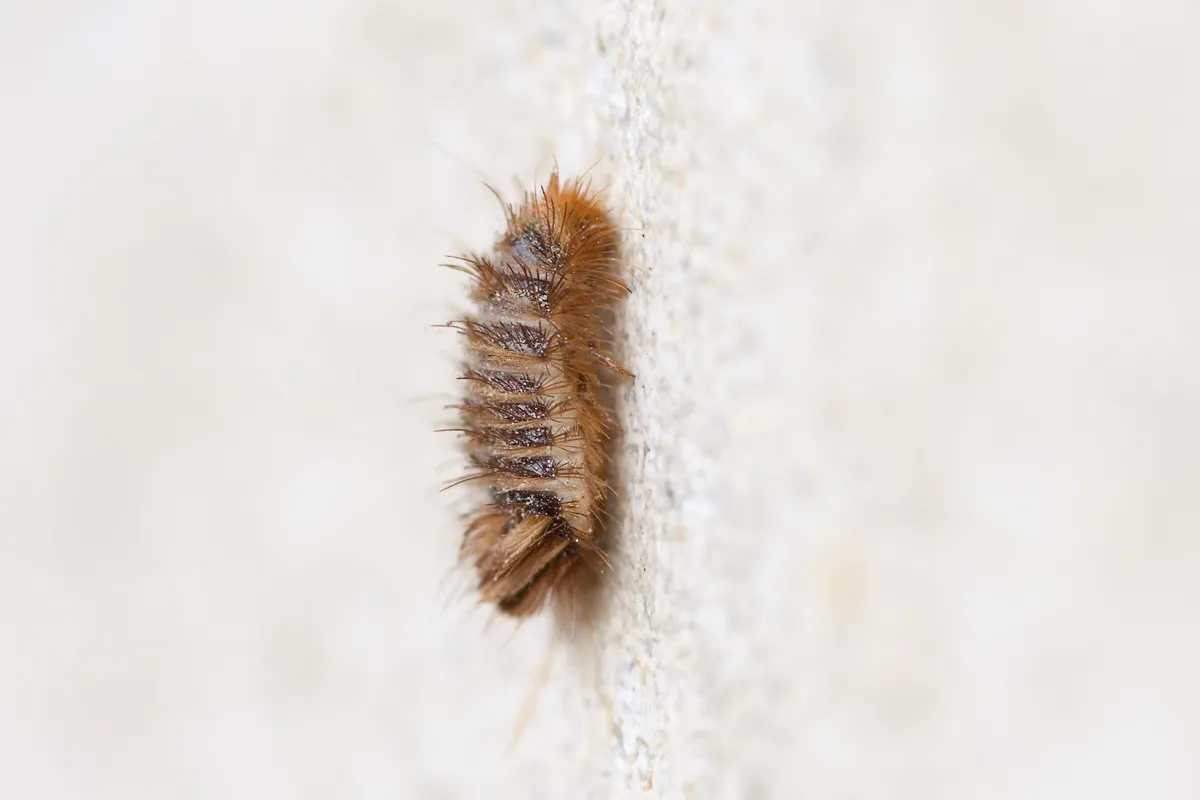
Carpet beetle larvae are brown and fuzzy, while flea larvae are pale and sparsely haired. UC IPM's carpet beetle guide says they look like fuzzy or hairy maggots, that varied carpet beetle larvae have dense tufts of hair and light and dark brown stripes, and that they feed in dark, undisturbed places on wool, fur, feathers and pet hair. How to get rid of carpet beetles covers them, and the guide to bugs that look like fleas compares other look-alikes with a real flea.
Bed bug eggs and droppings
Bed bug signs turn up mainly in and around the bed itself. The EPA's guide to finding bed bugs describes their eggs as tiny, about 1/25 inch (1 mm), and their droppings as dark spots that may bleed into fabric like a marker, found along mattress seams, piping and tags and in cracks in the bed frame and headboard. Flea dirt, by contrast, is loose and falls off the pet. What bed bugs look like at every stage describes the eggs, and a guide to bed bug droppings and stains covers the spots.
Dried tapeworm segments
White grains that look like rice are not flea eggs. Texas A&M describes dried dog tapeworm segments as creamy white and rice-like, usually seen around a pet's anus, in its feces or in its bedding. Pets get this tapeworm by eating infested fleas, Texas A&M explains, and it advises talking to the veterinarian about a pet with tapeworms.
What does finding flea eggs or flea dirt mean?
It points to adult fleas feeding on an animal in your home and laying eggs that drop into the house. Flea dirt comes from adults that have fed, and the University of Florida says the adult is the only stage of the cat flea that lives on the pet.
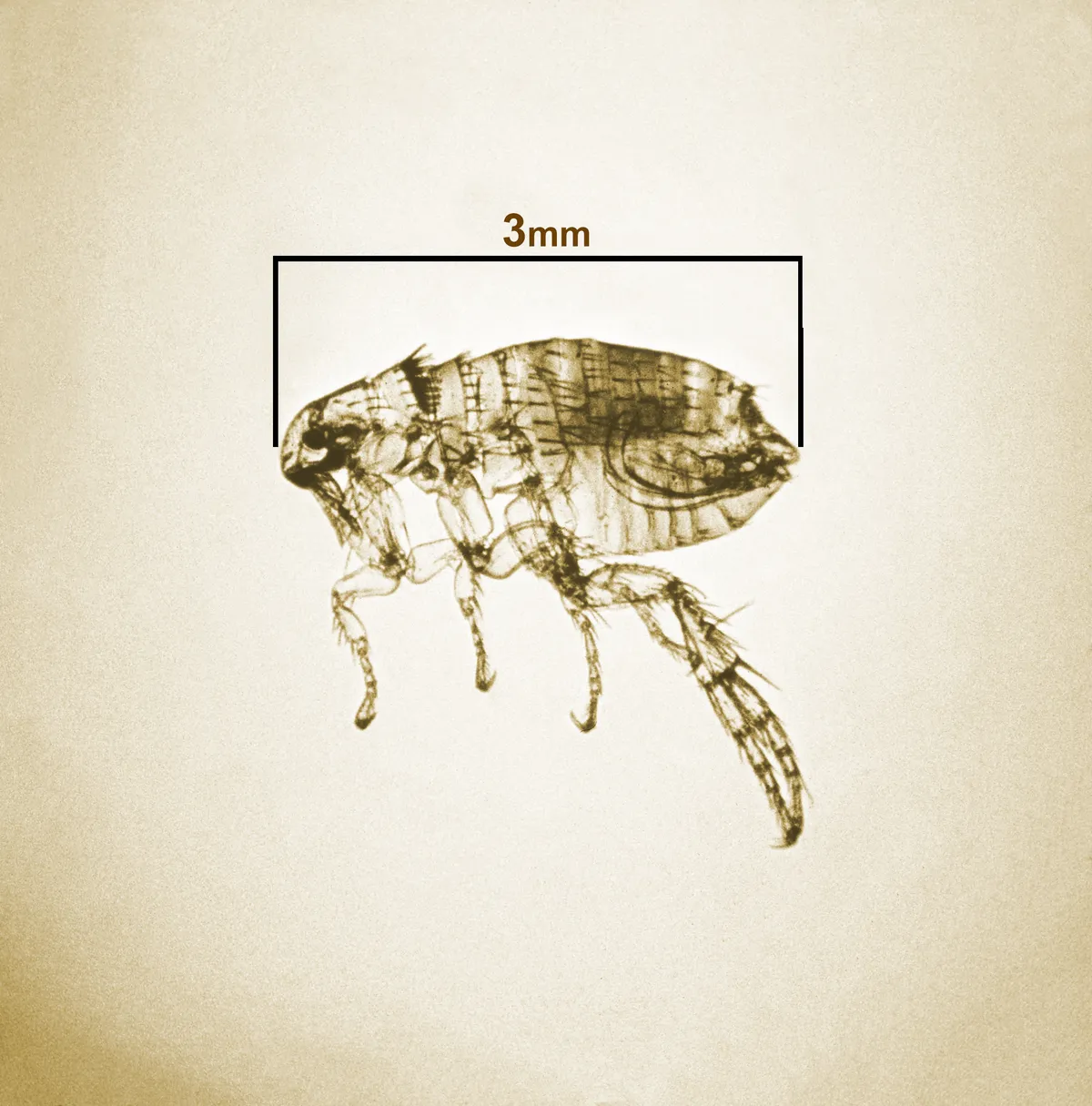
The next generation can arrive within weeks. UC IPM says the cycle from egg to adult can take about 18 days at normal room temperature; the University of Florida gives a usual 30 to 75 days, depending on temperature and humidity. Winter does not stop it indoors: Ohio State says fleas may persist all year indoors and that most fleas overwinter as larvae or pupae, and UC IPM says fleas turn up on pets year-round, rising sharply in spring and early summer.
A home with no pets can have fleas too. Texas A&M says adults can wait in the cocoon for a host, so long-vacant homes can come alive with fleas when new tenants move in, and that buildings can be infested from a previous owner's pets or from wildlife such as rats, squirrels and raccoons living under or around them.
What should you do once you know?
Treat every pet and the home at the same time, with a veterinarian's help for the animals. The CDC's guide to getting rid of fleas says every pet in the home must be treated, advises asking a veterinarian about the right flea control product and says to begin home treatment at the same time. Because some life stages resist insecticides, it calls for follow-up treatments and ongoing vacuuming to pick up remaining eggs and young fleas, and says moderate to severe infestations take months to control.
UC IPM adds vacuuming floors, rugs, carpets and upholstered furniture daily or every other day and washing pet bedding in hot, soapy water at least weekly. The full plan is in the step-by-step guide to getting rid of fleas. To check for adult fleas, UC IPM suggests walking through pet resting areas in white socks pulled up to the knee: fleas jump onto them, where they are easy to see.
This guide is general educational information, not medical advice. If you have symptoms or concerns after a bite or exposure, contact a healthcare provider.
Frequently Asked Questions
Can you see flea eggs with the naked eye?+
Yes, as tiny white specks, but they are easy to miss. Cat flea eggs are about 1/50 inch long, and the University of Florida says that although they are visible, the white eggs are nearly impossible to see against carpet, bedding or lawn. A dark surface and a magnifying glass help, and the magnifier shows their smooth oval shape. Flea dirt, the dark specks adult fleas leave in a pet's fur and bedding, is often the first sign people notice.
Are flea eggs sticky?+
No. The University of Florida says cat flea eggs have a dry, smooth surface, which is why they fall so easily out of an animal's hair, and UC IPM says the smooth eggs readily drop from the pet onto bedding and carpeting. That is why eggs collect where a pet rests and sleeps instead of building up in its coat. A white speck stuck fast to a hair deserves a closer look before you decide it is a flea egg.
How long do flea eggs take to hatch?+
From about 2 days to 2 weeks, depending on the source. UC IPM says cat flea eggs hatch in about 2 to 5 days, the University of Florida within two days and Ohio State in two to 14 days. UC IPM says the larvae feed and crawl around for 8 to 15 days before spinning cocoons, and develop faster in warmth, preferring 70 to 90°F. The whole cycle from egg to adult can take about 18 days at normal room temperature by UC IPM's figure or a usual 30 to 75 days by the University of Florida's, and UC IPM says adults can wait in their cocoons up to 12 months when it is cool.
Can fleas lay eggs in human hair?+
It is unlikely with cat fleas, the usual fleas of dogs and cats. UC IPM says adult cat fleas stay on their animal host, where they feed, mate and lay eggs, and Texas A&M says cat fleas do not normally live on humans, although they bite people who handle or sleep with infested animals. Those bites are usually on the ankles and legs, according to Ohio State. White specks in a person's hair are more likely to have another cause, and a healthcare provider can help identify them.
Can you find flea eggs in winter?+
Yes, indoors. Ohio State says fleas may persist all year indoors and that most overwinter as larvae or pupae, and UC IPM says fleas can be found on pets throughout the year, although their numbers rise sharply in spring and early summer. Because eggs hatch within about two weeks, eggs found in December or January most likely mean fleas are laying now, not that they are left over from summer.
Does vacuuming pick up flea eggs?+
Yes. UC IPM recommends vacuuming floors, rugs, carpets, upholstered furniture and the crevices along baseboards daily or every other day to remove flea eggs, larvae and adults, and says vacuuming also prompts adults waiting in cocoons to come out. The CDC says vacuuming and cleaning should continue through the follow-up period after treatment to pick up the remaining eggs and young fleas, and it pairs that with treating every pet in the home.
Sources
- Cat Flea, Ctenocephalides felis (Bouché) (EENY-011) — University of Florida, UF/IFAS Featured Creatures
- Pest Notes: Fleas — University of California Statewide IPM Program
- Fleas (HYG-2081) — Ohio State University Extension
- Managing Fleas (ENTO-PU-046) — Texas A&M AgriLife Extension
- Module 10.7: Fleas (Clinical Veterinary Diagnostic Laboratory) — University of Minnesota
- Getting Rid of Fleas — Centers for Disease Control and Prevention
- Seborrhea in Animals — Merck Veterinary Manual
- Pest Notes: Carpet Beetles — University of California Statewide IPM Program
- How to Find Bed Bugs — U.S. Environmental Protection Agency
How this guide was made: it was researched and drafted with AI assistance from the sources listed above. A second, independent AI pass then checked each factual claim against those sources. Found an error? Email support@buzzskito.ca.