Published by BuzzSkito Mosquito & Tick Control
Published October 20, 2026 · Drafted with AI assistance and fact-checked against the sources listed below
What does rat poop look like?
Rat poop comes as dark, cylindrical pellets about 1/2 inch to 1 inch long. Cornell IPM's guide to mouse and rat biology gives Norway rat droppings as 3/4 to 1 inch long and roof rat droppings as about 1/2 inch, and describes rodent droppings as cylindrical, with pointed to rounded ends. NC State Extension's guide to structure-invading rats puts rat droppings at roughly 1/2 to 3/4 inch, cylindrical and dark when fresh.
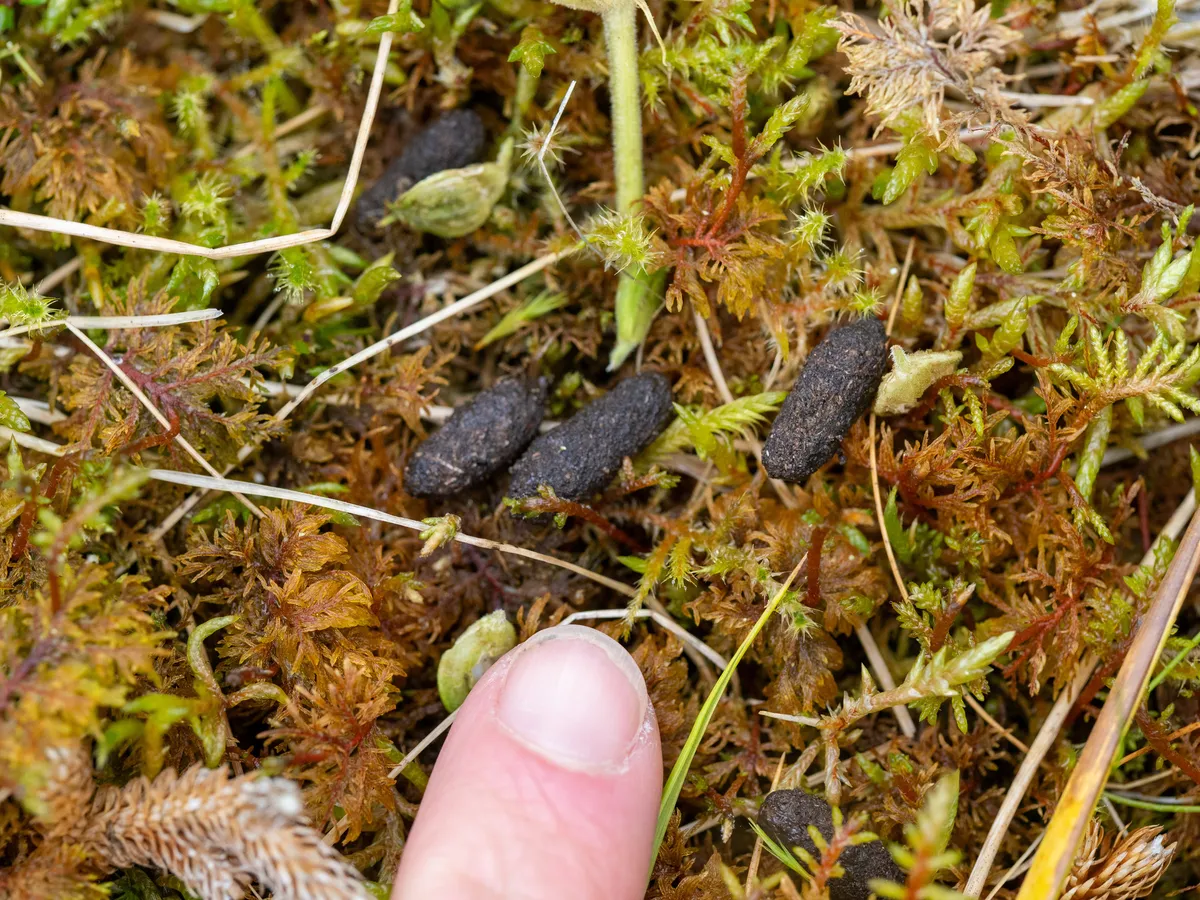
They are thick, too: Maricopa County's roof rat identification table gives Norway rat droppings a diameter of 1/4 to 3/8 inch and roof rat droppings 3/16 inch. Color says less than size. Cornell says rodent droppings are typically black but can change color with what the animal ate, and that green or red droppings may mean it fed on a rodenticide bait.
How is rat poop different from mouse poop?
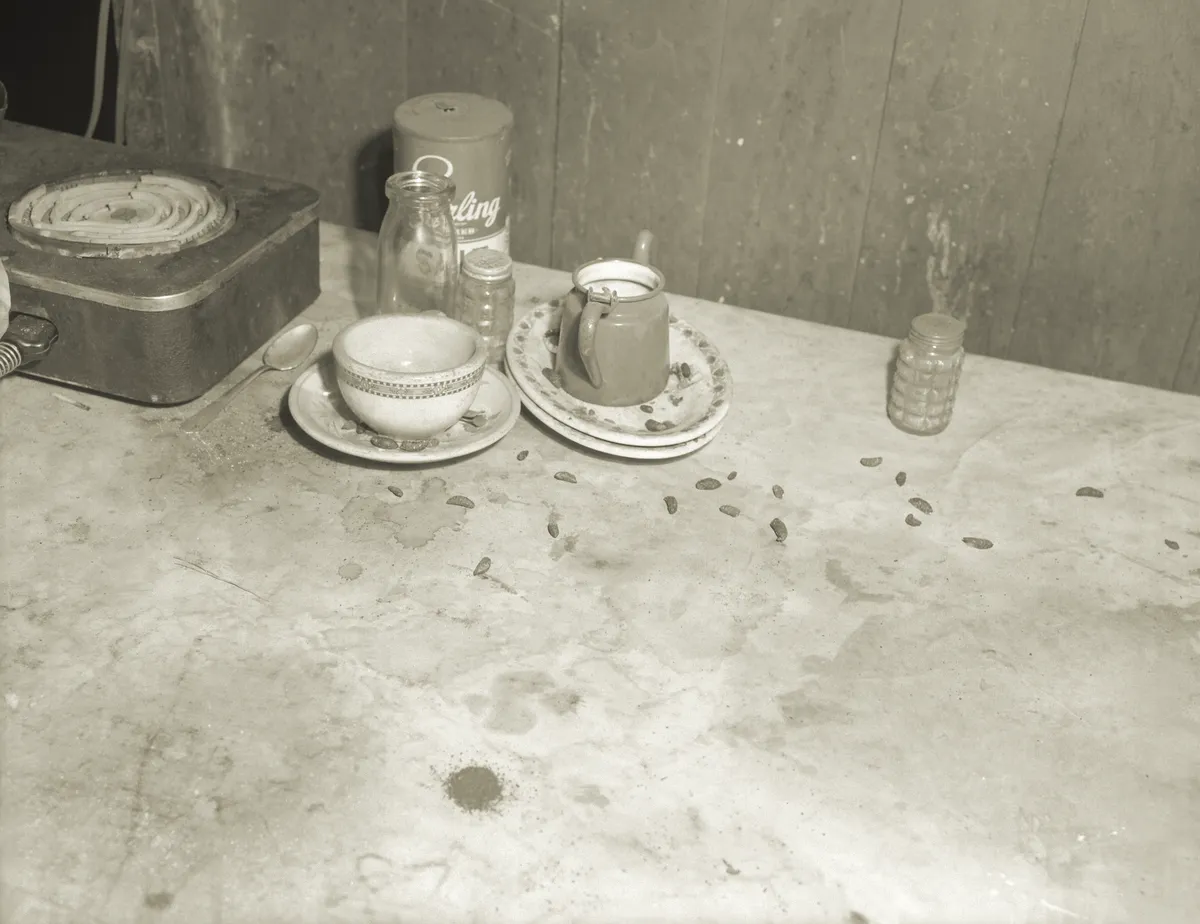
Length is the test: rat droppings are about 1/2 inch long or more, mouse droppings 1/8 to 1/4 inch, by Cornell IPM's figures. The droppings chart in the Army Public Health Center's rodent control fact sheet gives average lengths of 3/4 inch for Norway rat droppings, 1/2 inch for roof rat droppings and 1/4 inch for house mouse droppings, with rounded ends on the Norway rat's and pointed ends on the other two.
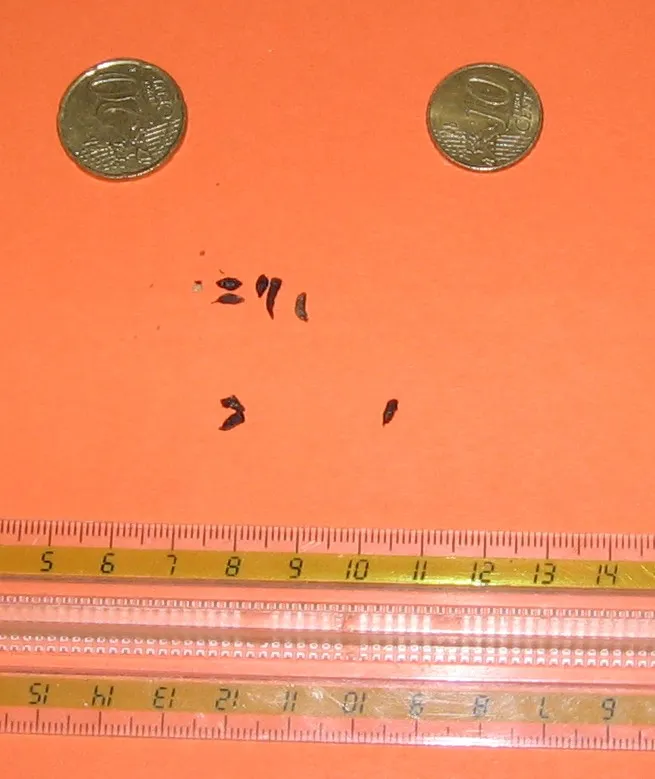
There is a gray zone between 1/4 and 1/2 inch: Maricopa County's table puts roof rat droppings at 1/4 to 1/2 inch long, close to a mouse's. In that range, check the thickness, the ends and the other signs. The side-by-side guide to rats and mice covers those signs, from gnaw marks and entry holes to the animals themselves.
Mouse droppings have guides of their own: what mouse droppings look like, fresh and old, and the US guide to mouse poop. For the house mouse itself, from identification to control, see the complete guide to mice.
Is it Norway rat or roof rat poop?
Thick droppings 3/4 to 1 inch long with blunt ends point to a Norway rat; pointed ones about 1/2 inch long, often banana-shaped, point to a roof rat, by the sizes and shapes Cornell IPM and Maricopa County give. NC State Extension likewise describes Norway rat droppings as more rounded on the ends and roof rat droppings as pointier.
Where you find them points the same way. UC IPM's rat Pest Notes say Norway rats in buildings usually live in the basement and ground floor and burrow outside along foundations, while roof rats favor attics, walls, false ceilings and cabinets. The roof rat chapter of the Prevention and Control of Wildlife Damage handbook adds that because roof rats travel overhead, their droppings, urine and tracks are less likely to show up on floors.
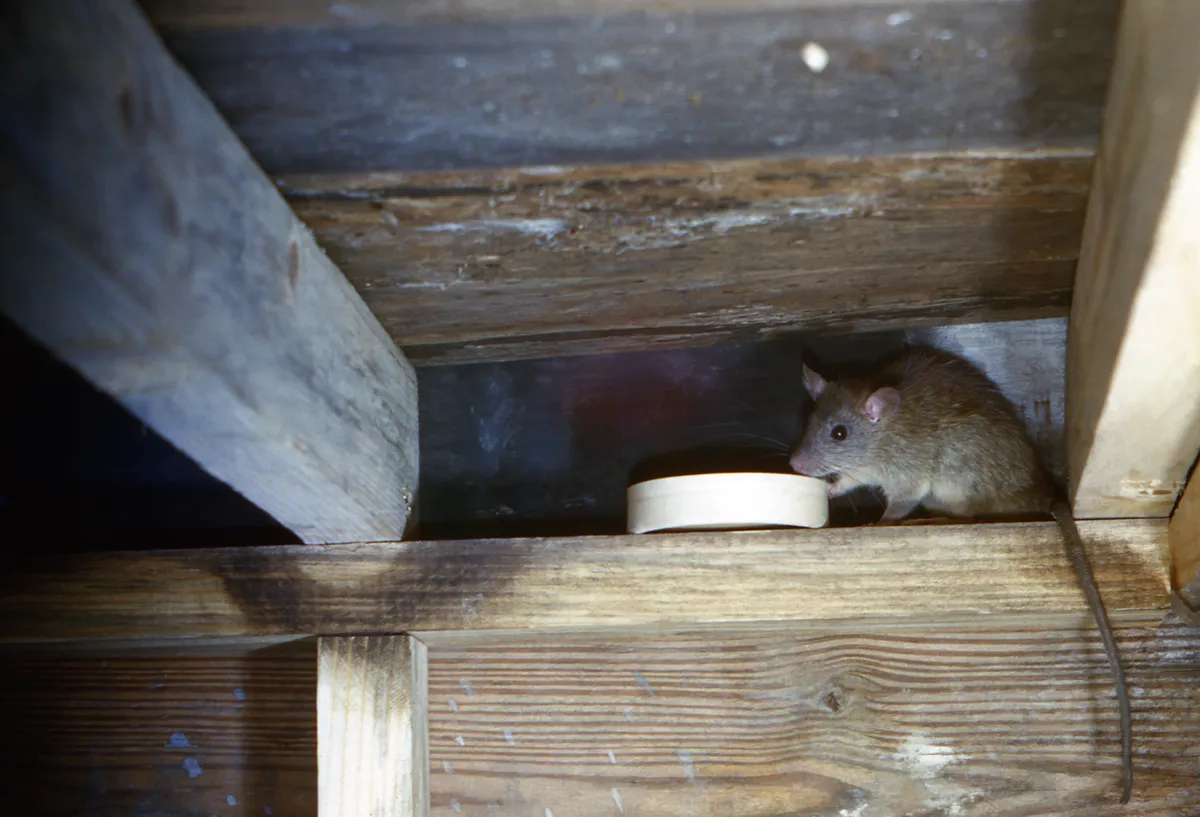
Your region narrows it down. Norway rats have spread throughout the contiguous 48 states, says the handbook's Norway rat chapter. Roof rats prefer warm climates and coastal areas, though UC IPM says their documented range is expanding. The side-by-side guide to roof rats and Norway rats compares the animals' tails, ears and snouts.
Is it rat poop or squirrel poop?
Size alone will not settle it: none of the extension or health agency sources cited here gives a size for squirrel droppings, so let the timing of the noises and the other signs decide. UC IPM's tree squirrel Pest Notes say tree squirrels are active during the day, most of all in early morning and late afternoon, and can get into attics through gaps or broken vent screens or gnaw their own way in.
Rats work the other shift: UC IPM says they are mostly active at night, and the roof rat chapter says attic sounds are often the first sign of roof rats, heard once the house is quiet. The US Fish and Wildlife Service's House Bat Management adds that scrambling and scratching in attics and walls can also come from mice or flying squirrels, and that noise rising around dusk probably means bats.
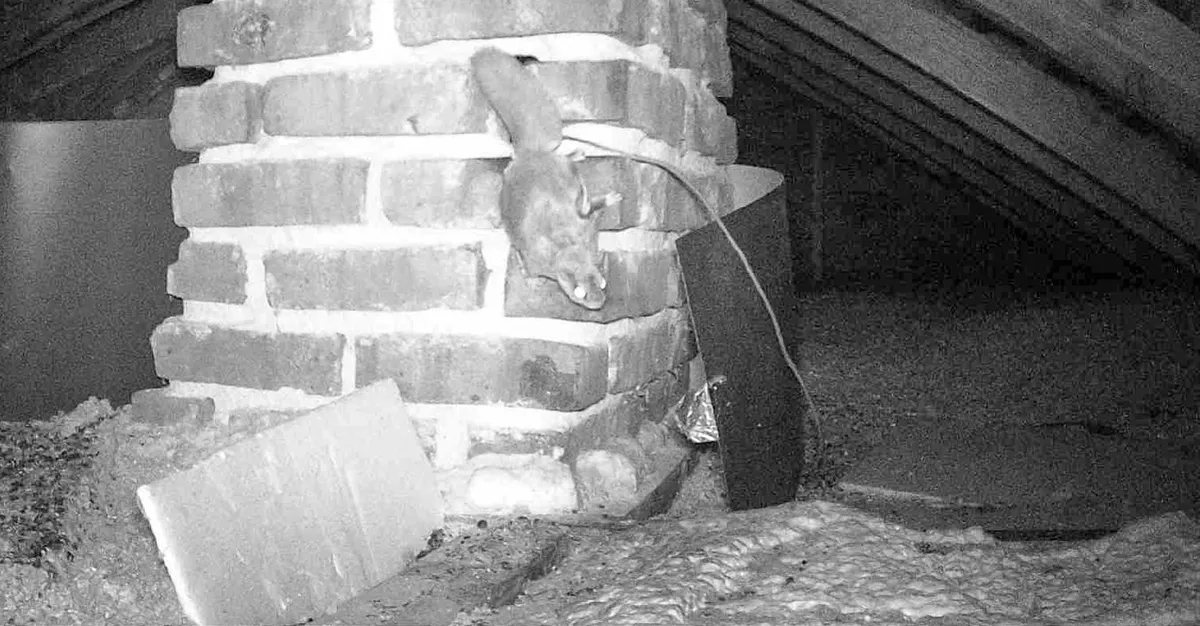
Squirrel droppings get their own guide, what squirrel poop looks like, and the guide to animals in the attic sorts the noises by time of day.
What else looks like rat droppings?
Bat droppings, cockroach droppings, a wood rat's droppings and the white-marked droppings of birds and lizards are the usual look-alikes, and each has a tell.
Bat droppings
Bats leave droppings beneath entrance holes and below roosts, and guano builds up in attics and wall spaces, according to the USFWS bat guide. It says bat droppings crush easily, revealing shiny bits of undigested insect shell, while rodent droppings are unsegmented, harder and more fibrous. Do not handle either kind with bare hands.
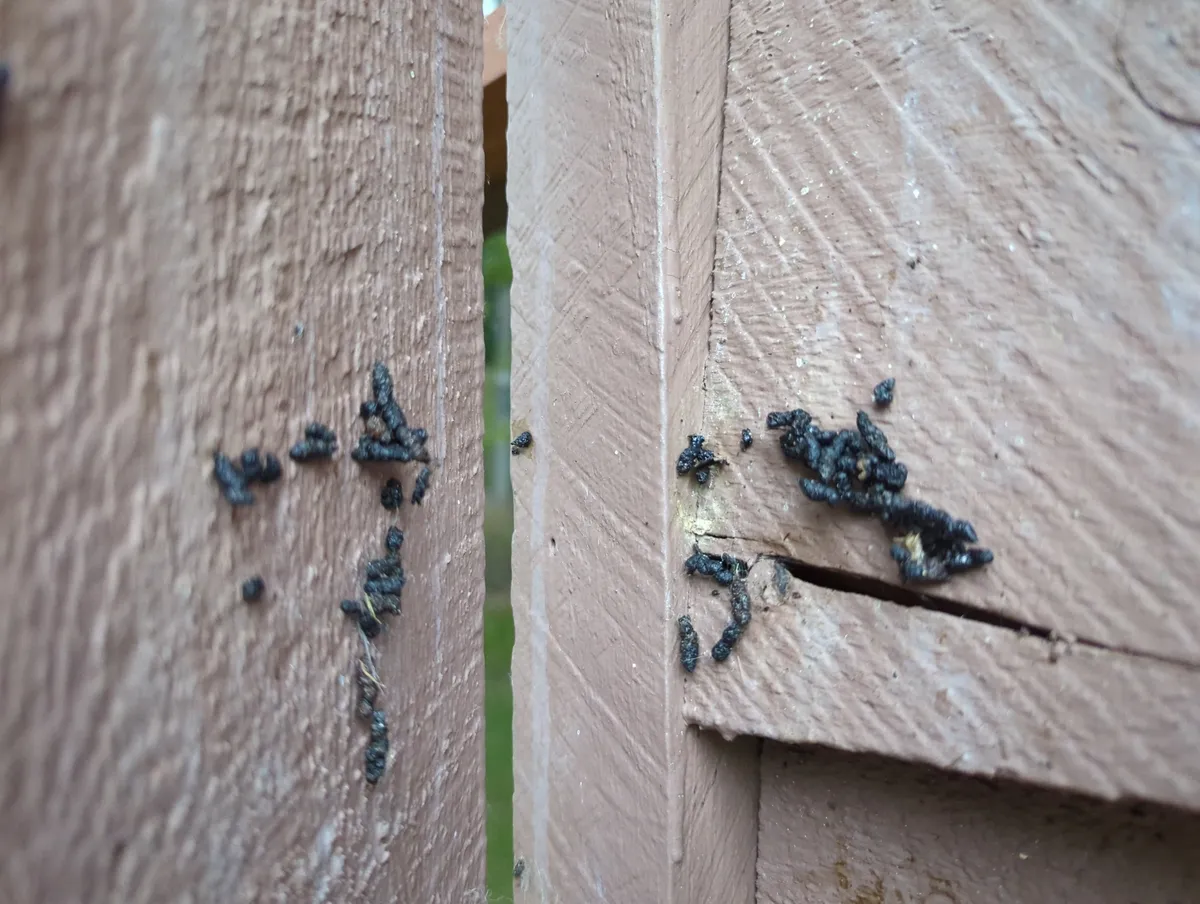
Treat them with the same care as rat droppings: CDC's histoplasmosis page says the disease comes from breathing in spores of a soil fungus that spreads in bird and bat droppings mixed into soil. The guide to bat poop covers them in detail.
Cockroach, wood rat, bird and lizard droppings
Cockroach droppings look different. Texas A&M AgriLife Extension's cockroach guide describes German cockroach droppings as tiny, like crushed pepper, stuck where cockroaches gather, and Cornell notes lines along American cockroach droppings, which rodent droppings lack. The guide to cockroach droppings covers both kinds.
A wood rat, or pack rat, leaves blunt droppings 1/2 to 3/4 inch long, within the house rats' range, by Maricopa County's table, which sets the animal apart by its hairy tail.
White, chalky material made of uric acid is characteristic of bird and lizard droppings, the USFWS bat guide says, and bat droppings never contain it. Droppings far bigger than a rat's come from bigger animals: the animal poop identification chart sorts them, with separate guides to raccoon poop and possum poop.
Commonly confused with
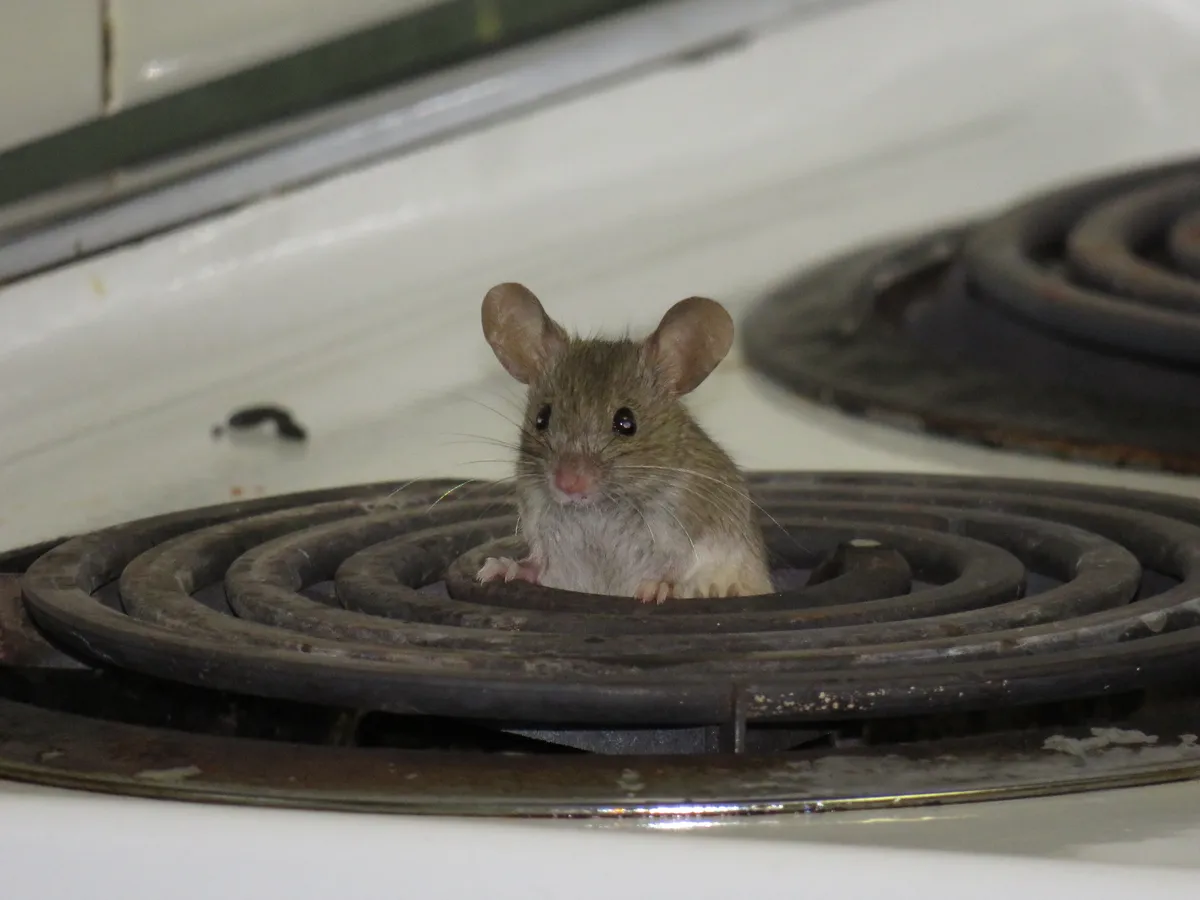 House mouseDroppings only 1/8 to 1/4 inch long, with pointed ends
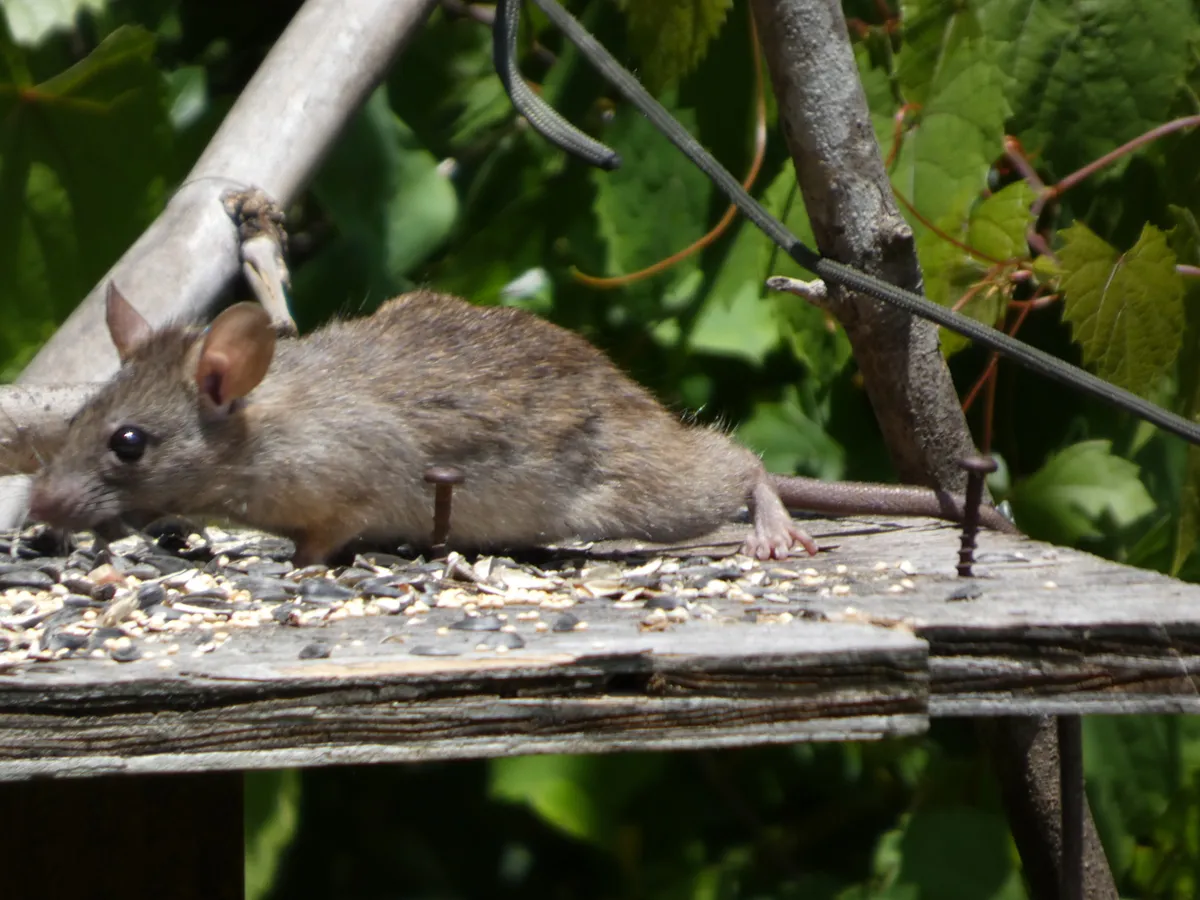 Roof ratDroppings about 1/2 inch with pointed ends, often found up high
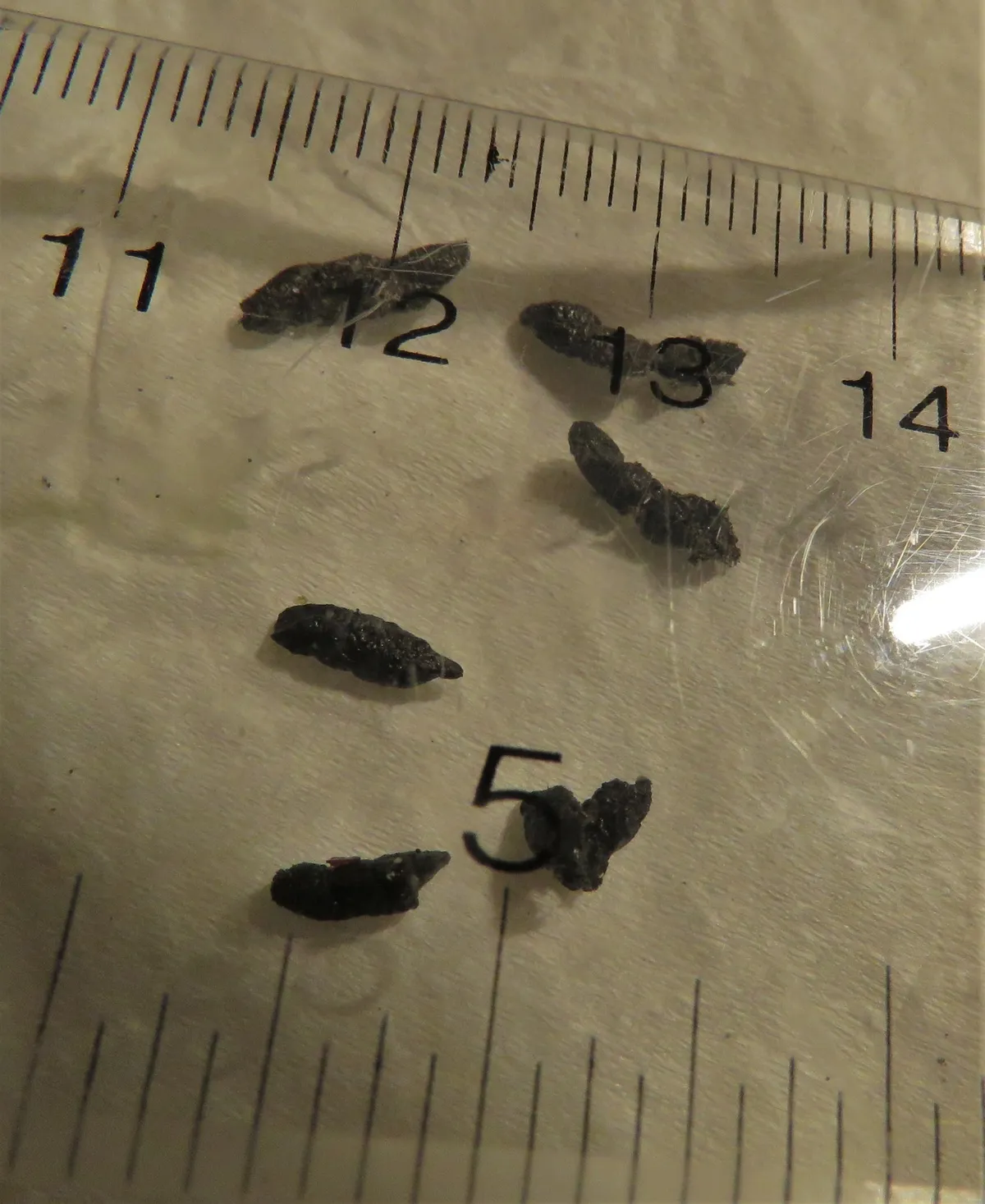 Bat droppingsCrush easily, showing shiny bits of insect; build up below roosts
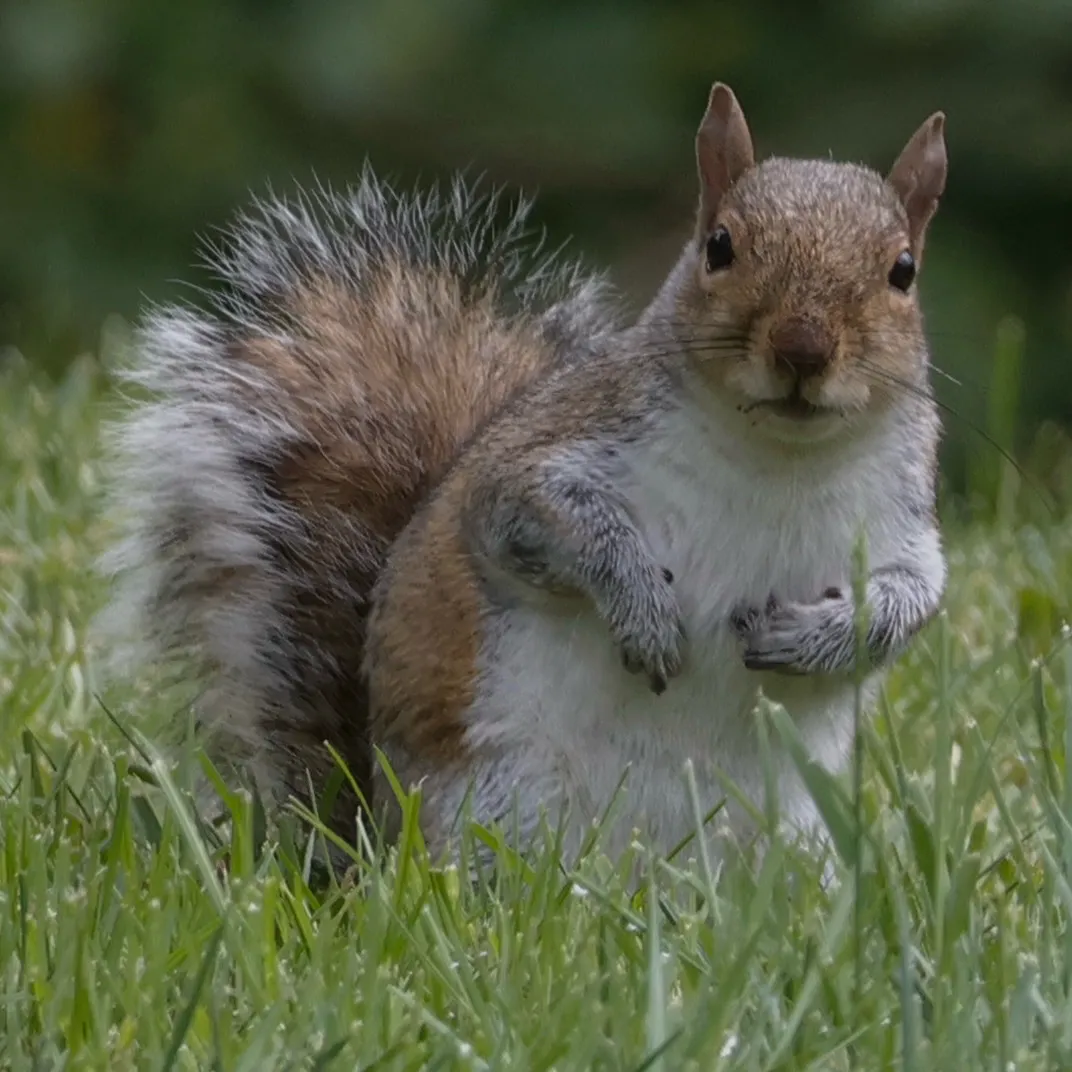 SquirrelTree squirrels are active by day; rats mostly at night
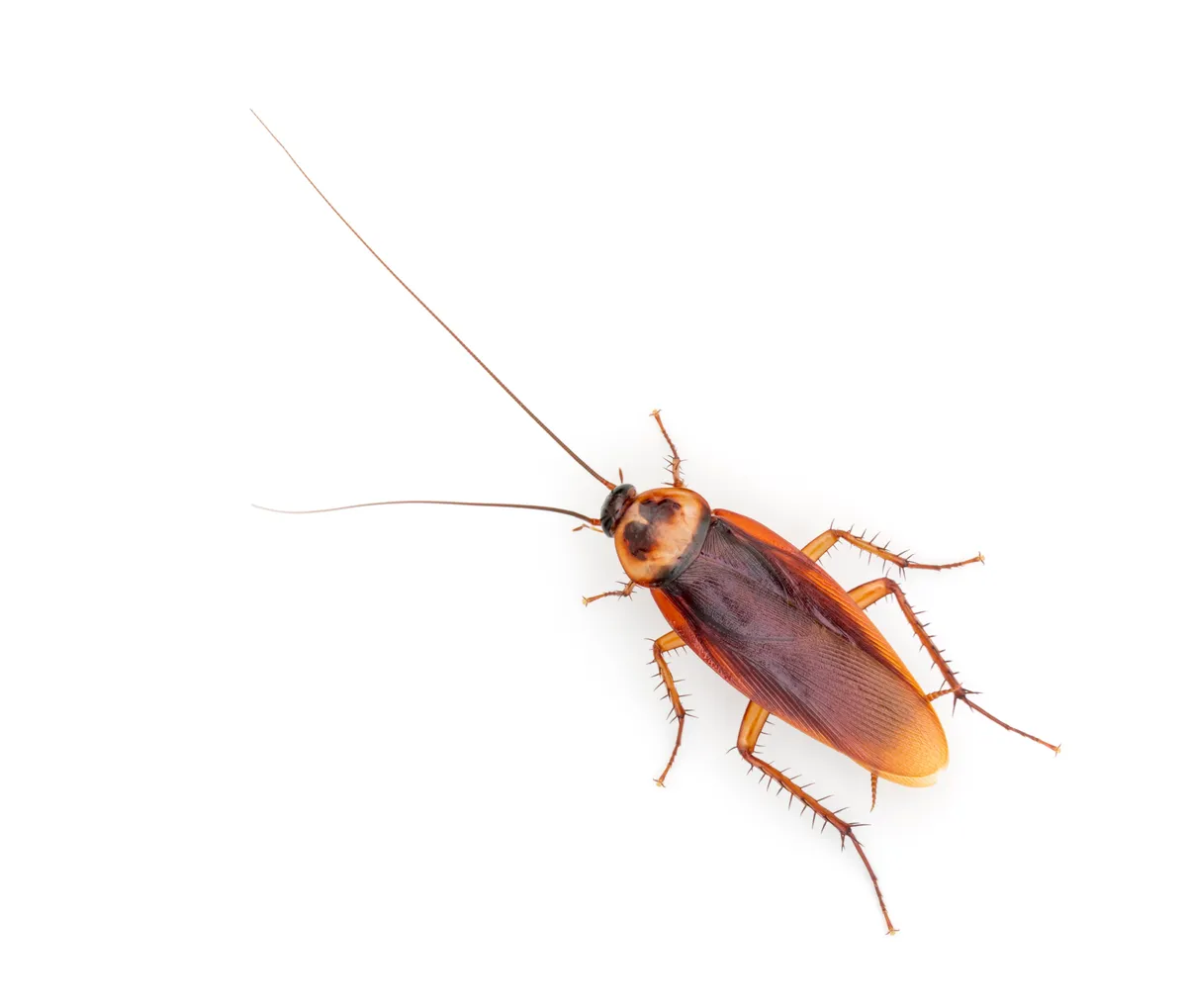 American cockroachIts droppings have lines running along them; rodent droppings have none
Photos: House mouse: (c) jonsense, some rights reserved (CC BY), via iNaturalist, CC BY 4.0. Roof rat: no rights reserved, via iNaturalist, CC0 1.0. Bat droppings: (c) Barry Cottam, some rights reserved (CC BY), via iNaturalist, CC BY 4.0. Squirrel: no rights reserved, via iNaturalist, CC0 1.0. American cockroach: Insects Unlocked, CC0, via Wikimedia Commons, CC0 1.0.
How can you tell if rat droppings are fresh?
Fresh rat droppings are dark and soft; old ones are hard, or gray and brittle. That is how CDC's manual for urban rodent surveys tells them apart, and NC State Extension adds that droppings wash out in color and can break apart as they age. The same CDC manual says urine may be wet, glossy or sticky, or a dried stain, and that a black light can help show rodent urine stains.
Mouse urine has a guide of its own, what mouse pee looks and smells like, with a photo of it glowing under a UV light and the signs that set it apart from a rat's.
Fresh droppings mean rats are active now, so watch for new ones after cleanup and while trapping. CDC's guide to trapping rodents says a week with no rodents caught and no new signs means the rats are gone, while new droppings, urine spots or gnawing after a week may mean a rat infestation.
How much you find matters too. The handbook's Norway rat chapter grades it: old droppings and gnawing that are common, or rats seen by flashlight at night but not by day, point to medium numbers; fresh droppings, tracks and gnawing, three or more rats seen at night, or rats seen in daytime point to large numbers. NC State Extension says a rat produces 30 to 50 droppings a day on average.
Where do rat droppings turn up, inside and outside?
Rat droppings collect along the routes rats travel, in feeding areas and near shelter, the handbook's Norway rat chapter says, and the Army fact sheet calls droppings the most common sign of rodent activity. NC State Extension says to look around food such as seeds, pet food and trash, and in rarely disturbed places such as attics, crawlspaces, sheds and barns.
Inside the house
- Kitchen and pantry. Rat droppings near food preparation or storage areas, or around pet food containers, are on UC IPM's list of rat signs.
- Low or high. Basements and ground floors for Norway rats; attics, walls, false ceilings and cabinets for roof rats, UC IPM says.
- Garage. UC IPM lists rat nests behind boxes or in drawers in the garage.
Outside: yard, bins and woodpiles
- Pet dishes. UC IPM lists droppings around dog or cat dishes and says rats can become a problem where dogs are fed outdoors.
- Bins, compost and garbage cans. Look for droppings in recycling bins and burrows beneath compost piles or garbage cans.
- Woodpiles, gardens and fruit trees. UC IPM's signs include nests in firewood, burrows among garden plants, and fruit or nuts fed on in the trees.
- Foundations. Norway rat burrows turn up along foundations and beneath rubbish or woodpiles.
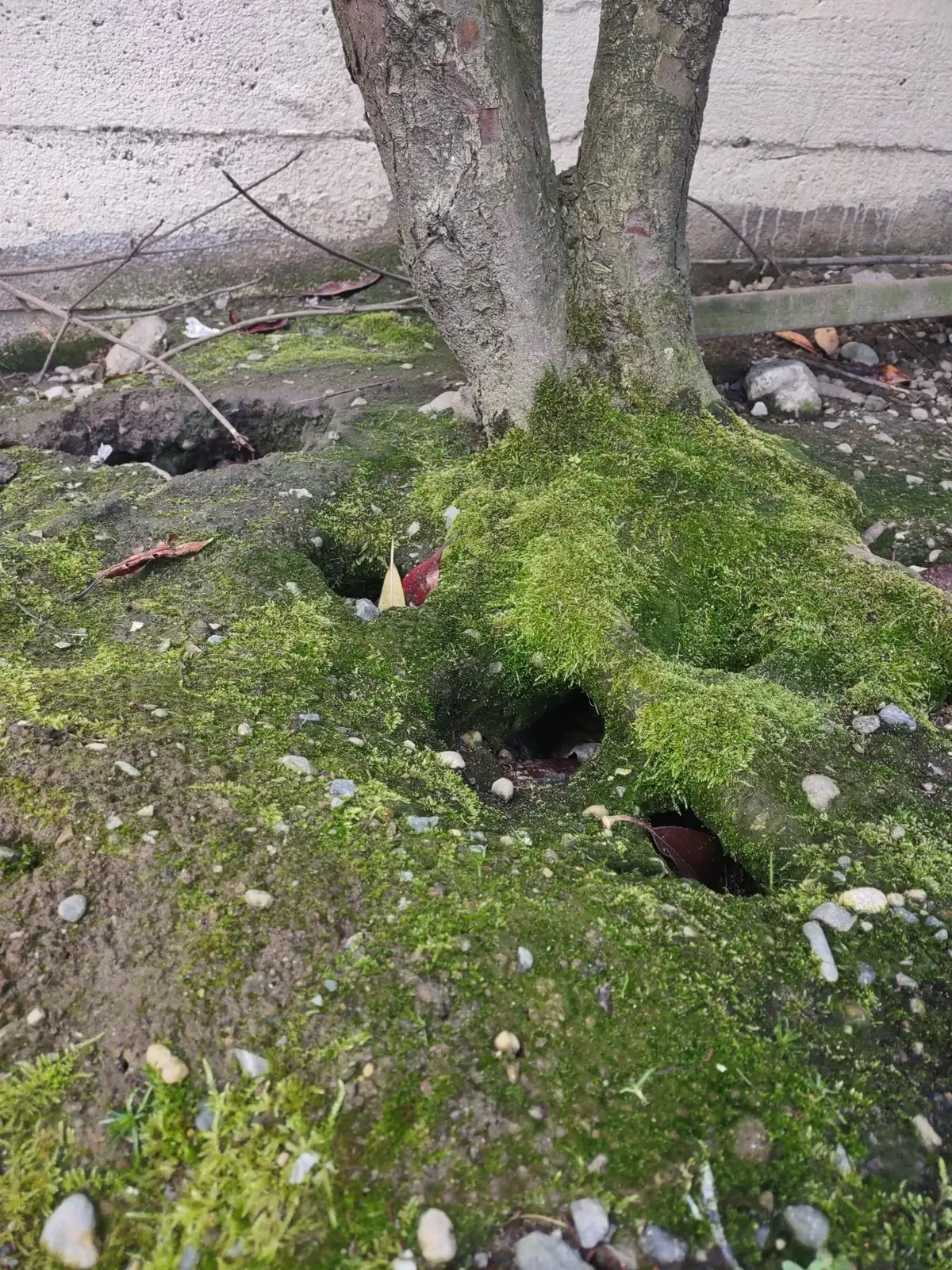
Take away what draws them. UC IPM advises picking up dog and cat feces in the yard, since rats eat it, and the Army fact sheet advises keeping pet food and bird seed in thick plastic or metal canisters and notes that compost piles attract rodents. Keeping rats out of a compost bin has its own guide.
Is rat poop dangerous?
It can be. CDC's hantavirus overview says people get hantaviruses from contact with rodents such as rats and mice, especially their urine, droppings and saliva, and CDC's cleanup page says rodent diseases reach people mainly when they breathe in contaminated air, which is why it says never to sweep or vacuum droppings.
- Seoul virus. This hantavirus is carried mainly by Norway rats and has been found in wild and pet rats in the United States, says CDC's guidance on Seoul virus. Infected rats look healthy, can shed it in urine, feces and saliva for months, and pass it on through direct contact or when infected material gets into the air. CDC says Seoul virus infections are usually moderate, with less than 1% of patients dying.
- Hantavirus from deer mice. The most common hantavirus behind hantavirus pulmonary syndrome in the United States is spread by the deer mouse, CDC says, so mouse-sized droppings deserve the same care. The deer mouse guide shows how to recognize one.
- Leptospirosis. CDC's leptospirosis page says it spreads through the urine of infected animals, rats among them. The Norway rat chapter notes urine stains along travel routes and in feeding areas, where droppings collect too.
- Rat-bite fever and food poisoning. CDC's rat-bite fever page says rat-bite fever spreads through scratches, bites, a rodent's saliva or urine, and contaminated food or drink, and UC IPM lists foodborne illnesses such as salmonella among the most common diseases rats transmit.
How do you clean up rat droppings safely?
Wet them down and wipe them up; never sweep or vacuum, which CDC says can put tiny droplets containing viruses into the air. CDC's steps for cleaning up after rodents are:
- Open all doors and windows for 30 minutes before you start, and leave the area while it airs out.
- Put on rubber or plastic gloves.
- Spray the droppings and any urine with an EPA-registered disinfectant, or a mix of 1.5 cups of household bleach in 1 gallon of water, until very wet, and let it soak for 5 minutes or as the disinfectant label directs.
- Wipe it all up with paper towels and throw them in a covered garbage can that is emptied regularly.
- Mop or sponge the area with disinfectant, including floors, countertops, cabinets and drawers.
- Wash your gloved hands with soap and water or disinfectant, take the gloves off, then wash your hands with soap and warm water.
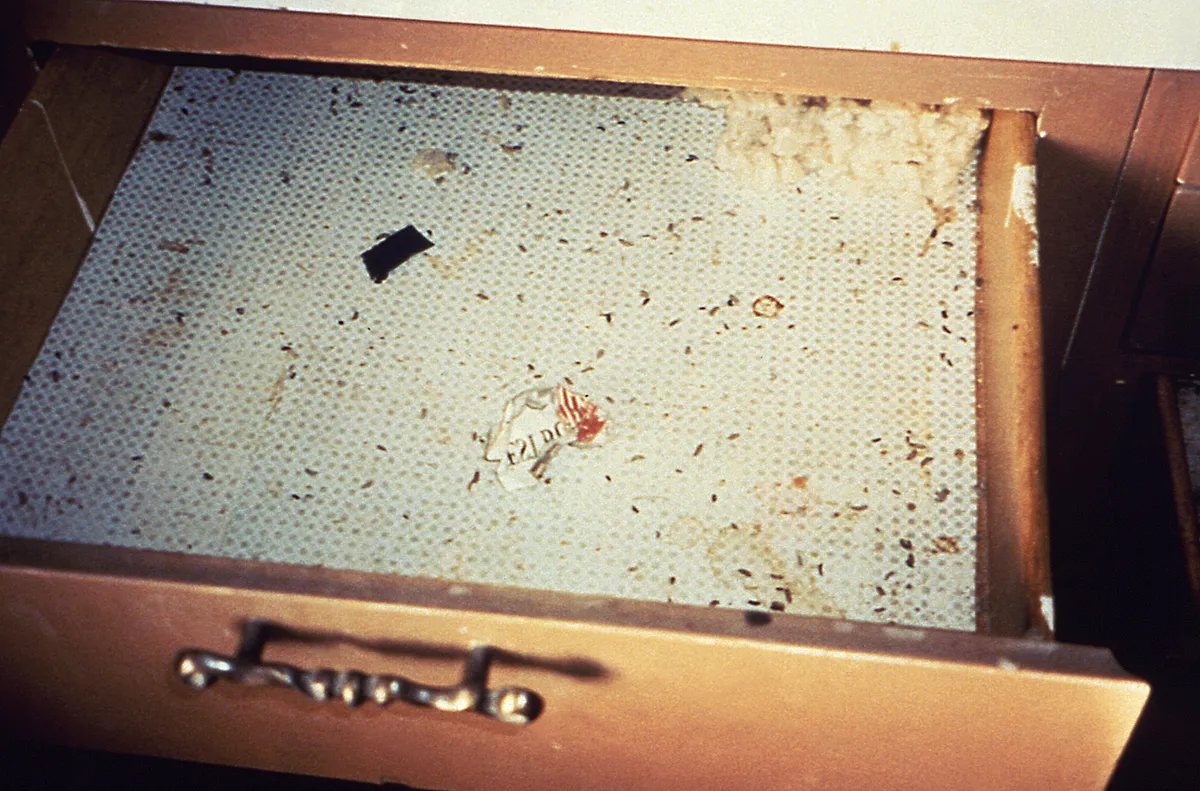
CDC's page also covers the harder cases: shampoo carpets and upholstery with a commercial disinfectant or a commercial-grade steam cleaner, launder bedding and clothing in hot water with detergent, and in a car, open the hood, doors and trunk to air it out for 20 minutes first. A heavy infestation calls for protective clothing, goggles and a respirator with HEPA filters; for questions about your situation, CDC suggests your local health department.
What should you do once you know it is rats?
Clean up, seal up and trap up: the Army fact sheet sums up rodent control in those three steps. For traps, CDC recommends traditional snap traps and says not to use glue traps or live traps, which can scare rodents into urinating; NC State Extension adds that mouse snap traps are typically not an effective tool against rats. Let the droppings guide placement: UC IPM says to set traps for Norway rats close to walls, behind objects, in dark corners and where you found droppings, and traps for roof rats off the ground on ledges, shelves, branches, fences, pipes or beams.
A step-by-step plan for clearing rats with traps and exclusion covers the order of work, from sealing gaps to confirming the rats are gone.
This guide is general educational information, not medical advice. If you have symptoms or concerns after a bite or exposure, contact a healthcare provider.
Frequently Asked Questions
How can you tell if it's rat droppings?+
Measure one against a ruler without touching it. Cornell IPM gives rat droppings as about 1/2 inch long for a roof rat and 3/4 to 1 inch for a Norway rat, against 1/8 to 1/4 inch for a mouse. NC State Extension describes rat droppings as cylindrical and dark when fresh, with more rounded ends on a Norway rat's and pointier ends on a roof rat's. Other signs help confirm it: gnawing, dark greasy rub marks along walls and beams, burrows, and noises from the attic.
What can be mistaken for rat poop?+
Mouse, squirrel and bat droppings are the usual confusions, along with the droppings of a wood rat, or pack rat. Mouse droppings are only 1/8 to 1/4 inch long, by Cornell IPM's figures. Bat droppings crush easily and show shiny bits of insect, according to the US Fish and Wildlife Service. Maricopa County's vector control table lists wood rat droppings as blunt and 1/2 to 3/4 inch long, in the same range as the house rats. White, chalky material on a dropping points to a bird or a lizard.
What should I do if I find rat droppings?+
Do not sweep or vacuum them. CDC's steps are to open doors and windows for 30 minutes and leave the area, put on rubber or plastic gloves, spray the droppings until very wet with a disinfectant or a mix of 1.5 cups of bleach per gallon of water, let it soak for 5 minutes, wipe up with paper towels and throw them in a covered garbage can, then disinfect the surfaces. After that, seal entry gaps, set snap traps and watch for new droppings.
Is rat poop dangerous to breathe or touch?+
It can be. CDC says people catch hantaviruses from contact with rodents such as rats and mice, especially their urine, droppings and saliva, and that rodent diseases reach people mainly through breathing contaminated air, which sweeping or vacuuming droppings can create. Norway rats carry Seoul virus, which CDC says spreads through direct contact or when infected material gets into the air. Wear rubber or plastic gloves, soak droppings with disinfectant before wiping them up, and talk to a healthcare provider if you think a recent illness may be linked to rodents.
Can you vacuum rat droppings?+
No. CDC says not to vacuum or sweep rodent urine, droppings or nesting materials, because that can put tiny droplets containing viruses into the air, and it says rodent diseases spread to people mainly through breathing contaminated air. Spray the droppings with disinfectant or a bleach solution, let them soak for 5 minutes, and wipe them up with paper towels instead. For carpets and upholstery, CDC suggests shampooing with a commercial disinfectant or using a commercial-grade steam cleaner.
What are the signs of a rat infestation?+
Droppings are the most common sign of rodent activity, says the Army Public Health Center. UC IPM's list of rat signs adds noises from the attic or drop ceilings, smudge marks where rats rub against beams, rafters, pipes and walls, burrows under compost piles, garbage cans or garden plants, nests in firewood or behind boxes in the garage, fruit fed on in the trees, and rats running along utility lines or fence tops at dusk.
How many droppings does a rat leave in a day?+
On average a rat produces 30 to 50 droppings a day, according to NC State Extension. Rats leave them along the routes they travel, in feeding areas and near shelter, the Norway rat chapter of the Prevention and Control of Wildlife Damage handbook says, so droppings collect where rats run and eat. The same chapter treats fresh droppings, tracks and gnawing, three or more rats seen at night, or rats seen in daytime as signs of large numbers.
Does rat poop have white tips?+
Not in the descriptions given by the extension and health sources on this page. Cornell IPM describes rodent droppings as cylindrical and typically black, with color that can change with what the animal ate. White, chalky material made of uric acid is characteristic of bird and lizard droppings, according to the US Fish and Wildlife Service, which notes that bat droppings never contain it. A pellet with a white, chalky end therefore points to a bird or a lizard rather than a rat.
What color is rat poop?+
Usually dark. Cornell IPM says rodent droppings are typically black but can vary with the food eaten, and that green or red droppings may mean the rodent fed on a rodenticide bait. NC State Extension says rat droppings are dark when fresh and wash out in color as they age, and CDC's manual for urban rodent surveys describes old droppings as hard, or gray and brittle, against fresh ones that are dark and soft.
Are rats harder to get rid of than mice?+
Rats are more cautious. UC IPM says rats often avoid new traps and baits for the first several days, and maybe weeks, and CDC's trapping guide suggests baiting rat traps without setting them until the bait is eaten, because rats fear anything new. NC State Extension says mouse snap traps are typically not an effective tool for rats, so use traps made for rats. CDC says a week with no rodents caught and no new signs means the rats are gone.
Sources
- Mouse and Rat Biology and Behavior — Cornell Integrated Pest Management (Cornell IPM), Cornell University
- Surveillance and Management of Common Structure-Invading Rats (2024) — NC State Extension, North Carolina State University
- Roof Rat Identification — Maricopa County Environmental Services Department, Vector Control
- Rodent Control (Fact Sheet 18-080-1218) — Army Public Health Center, Entomological Sciences Division
- Integrated Pest Management: Conducting Urban Rodent Surveys (2006) — Centers for Disease Control and Prevention
- Norway Rats (Prevention and Control of Wildlife Damage, 1994), by Robert M. Timm — University of Nebraska-Lincoln, Digital Commons
- Roof Rats (Prevention and Control of Wildlife Damage, 1994), by Rex E. Marsh — University of Nebraska-Lincoln, Digital Commons
- Pest Notes: Rats (UC ANR Publication 74106) — University of California Statewide IPM Program
- Pest Notes: Tree Squirrels (UC ANR Publication 74122) — University of California Statewide IPM Program
- House Bat Management (Resource Publication 143, 1982), by Arthur M. Greenhall — U.S. Fish and Wildlife Service, via the USGS Publications Warehouse
- Cockroach Biology and Management — Texas A&M AgriLife Extension
- How to Clean Up After Rodents — Centers for Disease Control and Prevention
- How to Trap Up to Remove Rodents — Centers for Disease Control and Prevention
- About Hantavirus — Centers for Disease Control and Prevention
- Veterinary Guidance for Testing for Seoul Virus in Pet Rats — Centers for Disease Control and Prevention
- About Leptospirosis — Centers for Disease Control and Prevention
- About Rat Bite Fever (RBF) — Centers for Disease Control and Prevention
- About Histoplasmosis — Centers for Disease Control and Prevention
How this guide was made: it was researched and drafted with AI assistance from the sources listed above. A second, independent AI pass then checked each factual claim against those sources. Found an error? Email support@buzzskito.ca.