Published by BuzzSkito Mosquito & Tick Control
Published October 21, 2026 · Drafted with AI assistance and fact-checked against the sources listed below
What does it mean when you have bites but no bed bugs?
It means bed bugs are still hiding, something else is biting you, or the marks are not bites at all, and the bites themselves rarely tell you which. The EPA calls bites a poor indicator of bed bugs: theirs can look like mosquito or chigger bites, eczema, fungal infections or hives, and some people do not react at all. The CDC says other clues are needed to tell whether you have an infestation.
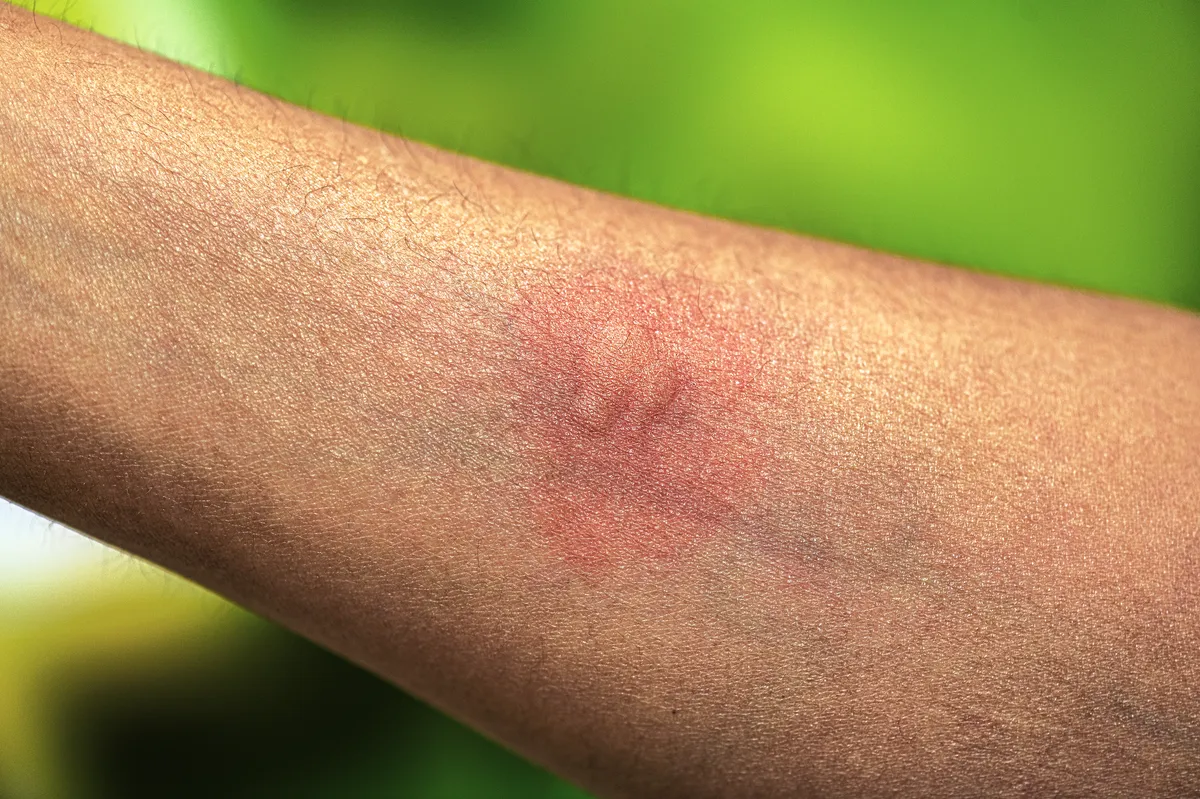
So read the clues around the bites. The University of Kentucky's guide to mystery bites says the itching often has nothing to do with insects or mites and cannot be solved by pest control. The bug bite identifier tests your pattern against many biters, and the bug bite photo chart sets the common bites side by side.
Four questions that sort the suspects
- Where on the body? Feet and ankles suggest fleas; sock lines and waistbands, chiggers; skin left uncovered in bed, bed bugs.
- Which room? Bites only in rooms close to where birds or rodents nest suggest their mites.
- Who else itches? Scabies passes between household members and partners; bed bug bites affect each person differently.
- What changed? A trip, a nest removed or rodents trapped, bats shut out, a pet or wildlife, a day in tall weeds, a new detergent or medicine.
Could it still be bed bugs?
Yes. The EPA says low-level infestations are much more challenging to find, and Kentucky's mystery-bite guide says that because bed bugs stay well hidden, people are often bitten repeatedly yet never see one; confirmation means finding the bugs, their shed skins or dark spots of digested blood, which is hardest early on. The CDC says marks can take as long as 14 days to develop, and that frequent travel or sleeping where others have slept raises the risk.
Reactions vary too. The University of Kentucky's bed bug fact sheet says studies in infested apartments suggest about 30 percent of people do not react even when bitten repeatedly, so two people in one bed can wake up with very different skin. Bed bug bites shows what they usually look like.
How do you check properly for bed bugs?
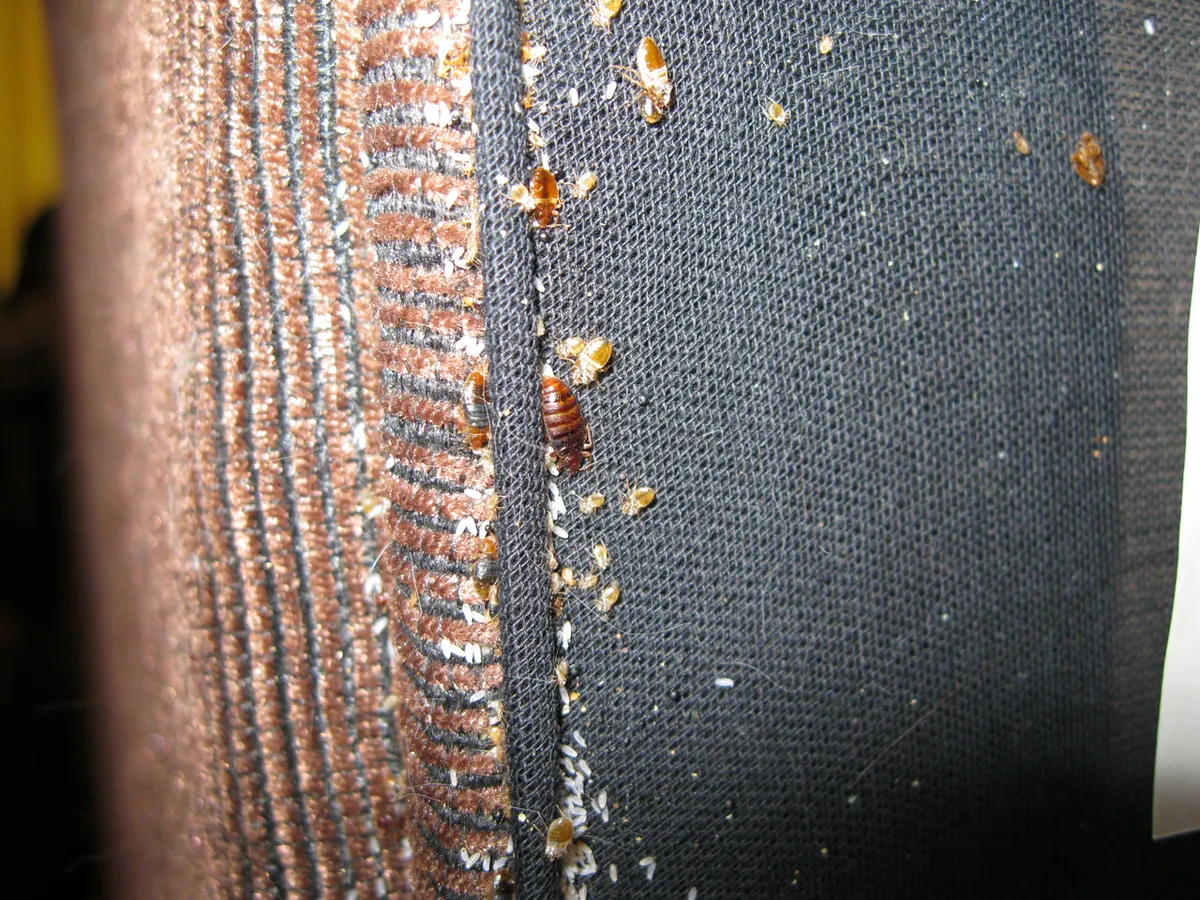
Search with a flashlight where bed bugs rest by day, then trap the bed. The EPA says to check the piping, seams and tags of the mattress and box spring and cracks in the bed frame and headboard, and in a heavily infested room chair and couch seams, drawer joints and outlets; a crack that will hold a credit card could hide a bed bug. The CDC says they tend to live within 8 feet of where people sleep.
- Dark spots about the size of a printed bullet point, which may bleed into fabric like a marker.
- Rusty stains on sheets from bugs crushed in the bed.
- Eggs about 1/25 inch (1 mm) long, and pale yellow shed skins.
- The bugs, 1/25 to 1/4 inch (1 to 7 mm) long, per the CDC.
Kentucky's bed bug fact sheet describes interceptor traps, small plastic dishes under bed and furniture legs that wandering bed bugs fall into and cannot climb out of; checked regularly, they can reveal an infestation in its early stages, and a trap under each bed leg can help reduce bites. How to read an interceptor trap explains a catch.
For a full inspection, use the signs of bed bugs checklist and where bed bugs hide; the complete guide to bed bugs covers treatment, and bugs that look like bed bugs helps name a small brown bug you catch.
What else bites at night if it is not bed bugs?
Fleas, mosquitoes, bird and rodent mites, and bat bugs can all bite in a bedroom. All but bat bugs are on the American Academy of Dermatology's list of bugs that commonly bite or sting people in the United States.
Fleas: bites low on the legs
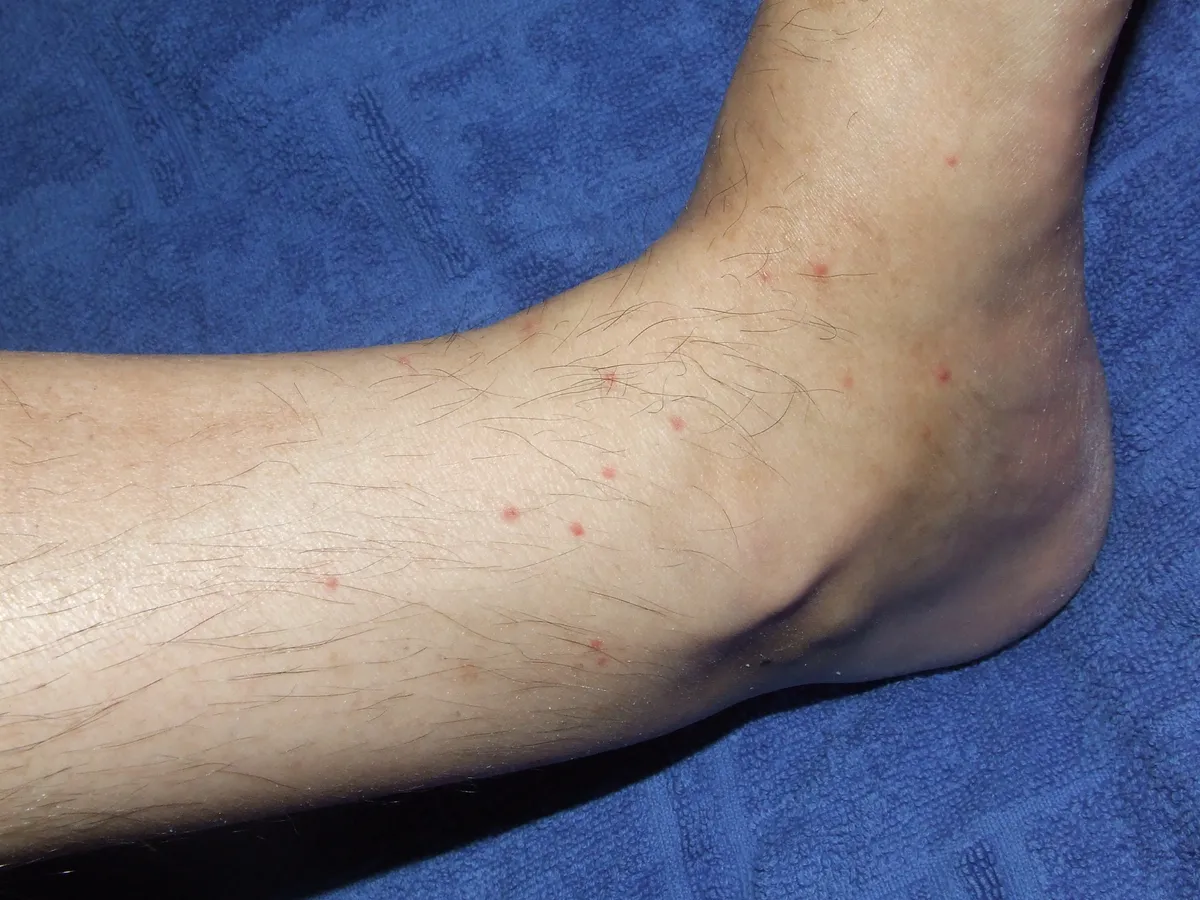
Flea bites are small bumps, sometimes with a halo, in a line or cluster on the feet, calves and ankles, and rarely above the knee unless you spend a lot of time sitting or lying down, says Cleveland Clinic; with no animal around, fleas will bite anyone. Kentucky says that besides pets, mice, rats, squirrels, skunks, opossums or raccoons can start an infestation. Check the pets, or walk the rooms in white socks pulled up high to spot fleas. See flea bites on people.
Mosquitoes: they bite at night too
A mosquito bite can raise a puffy, reddish bump within minutes, or a hard, itchy, reddish-brown bump a day or so later, the CDC says. Mosquitoes bite day and night, so the CDC's prevention page advises screens on windows and doors, with any holes repaired. Skeeter syndrome covers big, swollen reactions, and bed bug bites vs mosquito bites compares the two.
Bird and rodent mites: bites after a nest empties
These mites can bite people when their hosts leave or die. The University of Kentucky's mite fact sheet says rat mites can become a serious problem during or after rodent control, causing irritation and sometimes painful dermatitis that may last 2 to 3 days, and that bird mites may enter homes after their host leaves the nest. It adds that the chicken mite, a poultry pest, almost never bites people by day but readily bites at night.
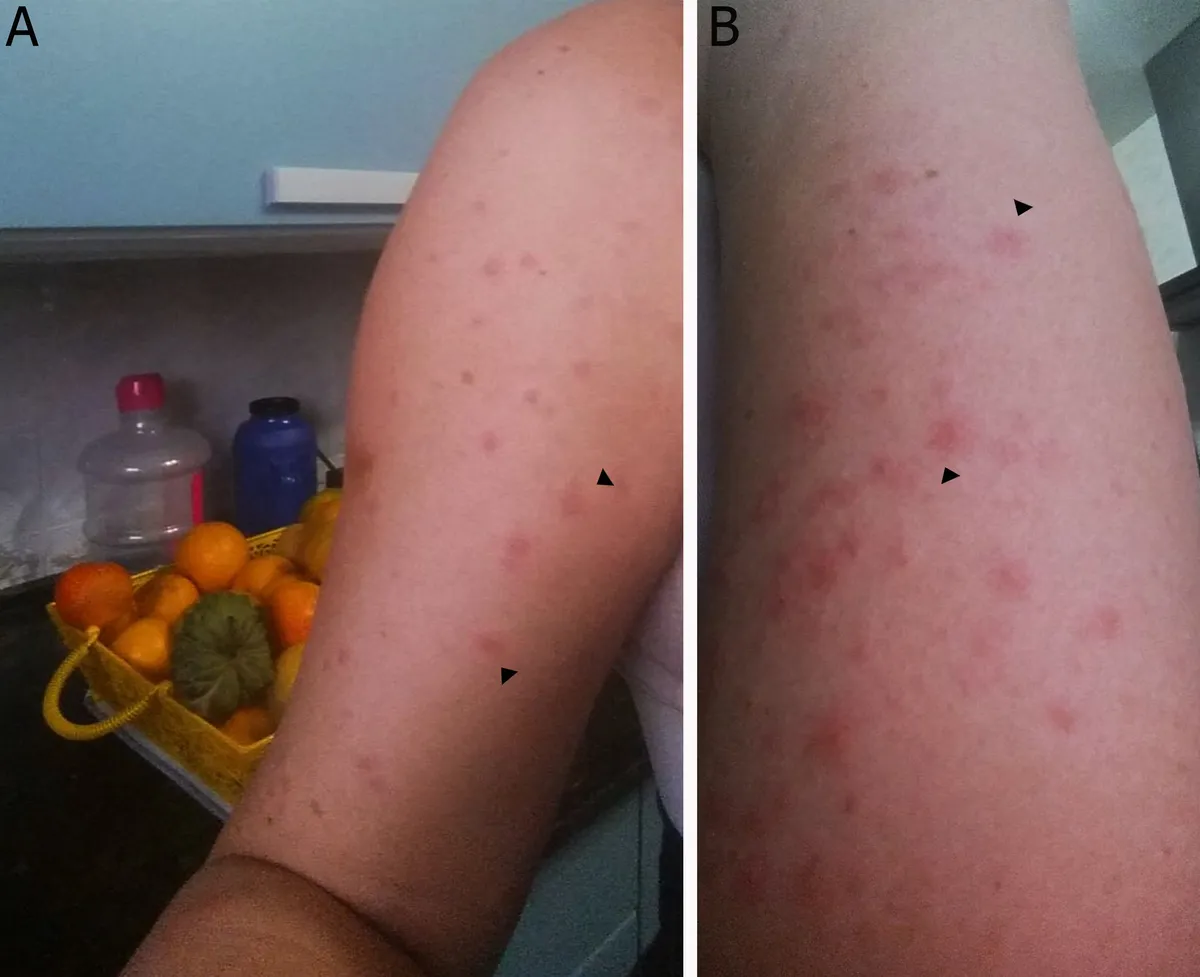
Texas A&M's guide to biting mites gives the clues: bites usually only in certain rooms, presumably near the nests; mites that, unlike bed bugs, do not hitchhike on people or belongings; rat mites about the size of a printed period; and rodent problems mostly in fall and winter, bird problems in spring and summer. See bird mites and rat mites.
Bat bugs and swallow bugs: after bats or birds leave
These bed bug relatives feed on bats or on birds such as swallows and chimney swifts, and Kentucky's bed bug fact sheet says they may bite people, especially once those hosts are gone. An entomologist or pest professional can tell them from bed bugs, and treatment targets the roost or nest plus keeping the animals out. See bat bugs and, to confirm bats, bat droppings.
Kissing bugs, lice, ticks and spiders
Texas A&M's guide to mysterious bites says kissing bugs feed at night, biting mostly the hands, arms, feet, head or other skin exposed during sleep, but are uncommon in well-built homes (kissing bug look-alikes). Lice, Kentucky says, are tiny whitish-gray insects visible on close examination, spread mainly by close contact or shared hats and combs, and a bug attached to the skin may be a tick (tick vs bed bug).
Spiders are blamed more than they bite: Kentucky calls spider bites a rare event, usually when a spider is crushed or threatened, and says that without the spider, even a physician's diagnosis is little more than a guess. See what spider bites look like and brown recluse bites.
Could you have picked up the bites outdoors?
Yes, and a delayed itch makes the bed look guilty: Kentucky says chigger and oak itch mite bites may not be felt until the following day.
Chiggers
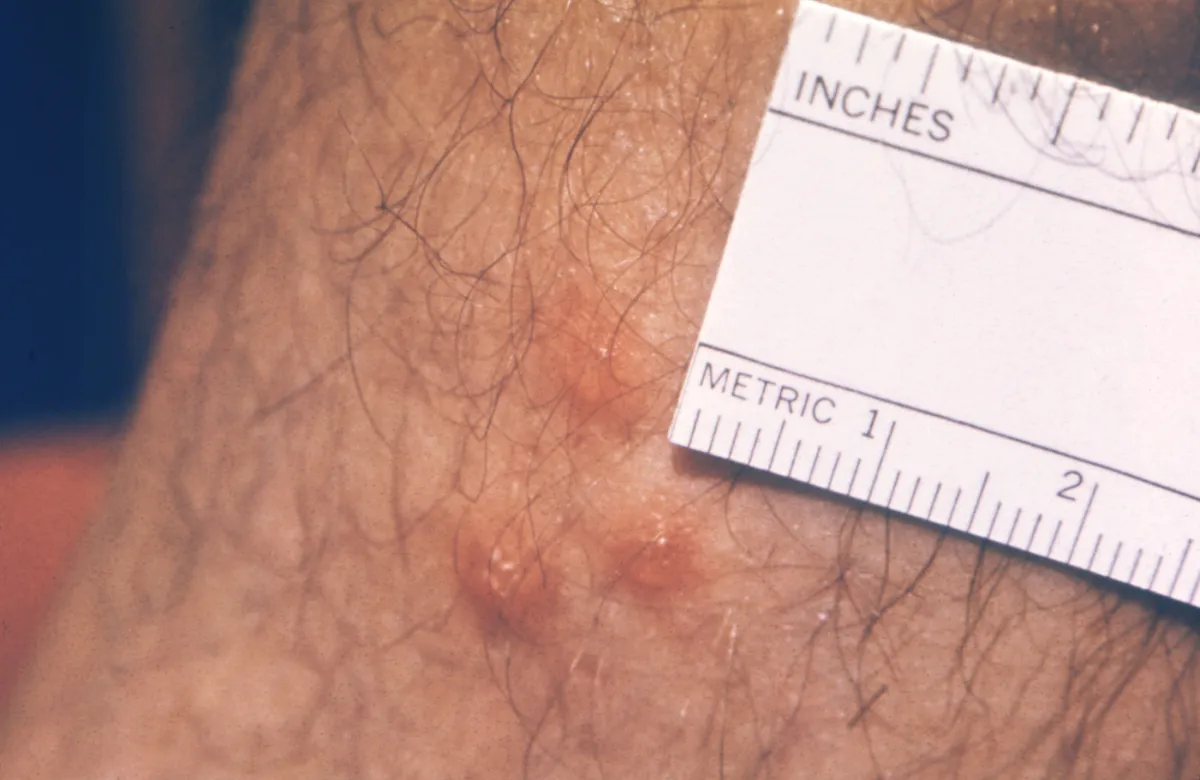
Chiggers, young mites from tall weeds and dense vegetation, attach where clothing fits tightly, Kentucky says. Cleveland Clinic describes very itchy red spots or pimples at waistbands, bra lines and sock lines, worst in the first 24 to 48 hours and gone after about two weeks; chiggers do not burrow into the skin. See chigger bites.
No-see-ums
These biting midges are flies only 1/32 to 1/8 inch long that breed outdoors in marshes and other moist places, Kentucky says. The University of Arizona Cooperative Extension says they are usually active at dawn or dusk, can pass through standard window screens and leave small red welts about 1/8 inch across or water-filled blisters. See no-see-um bites.
Itch mites
Kentucky says oak leaf gall itch mites can drift onto people in late summer or autumn, mainly in the Midwest, biting the face, neck, chest and arms, and straw itch mites cause a severe rash in people who handle infested straw, grain or hay. See itch mites.
What looks like a bite but is not one?
Scabies, carpet beetle larvae, irritants and dry skin. UC IPM's guide to unexplained itching says that if no organism can be found, chances are you need to look for other causes.
Scabies
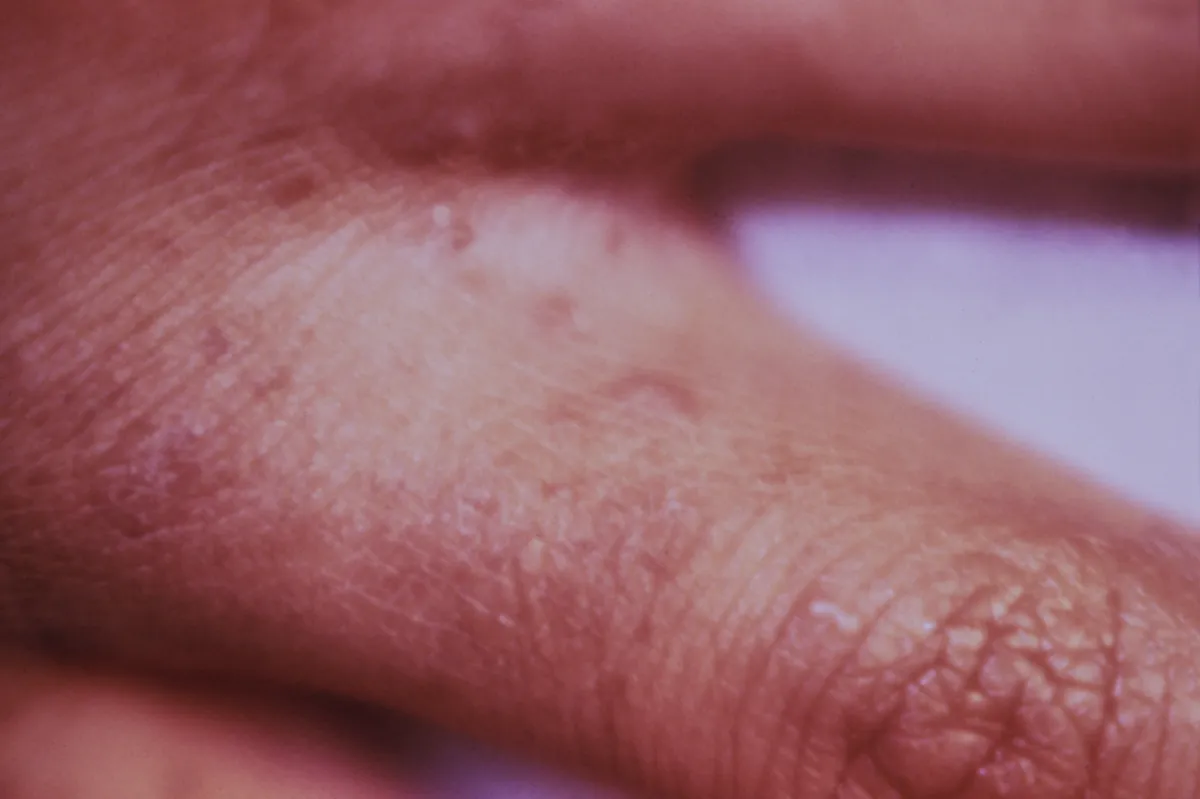
Scabies is caused by a microscopic mite that burrows into the skin. The CDC's scabies symptoms page lists intense itching, especially at night, and a pimple-like rash, often between the fingers and in skin folds of the wrist, elbow, knee or armpit; a first case can take up to three to six weeks to show. It spreads through extended skin-to-skin contact, as between household members and sexual partners, and less commonly through shared clothing, towels or bedding, says the CDC's page on how it spreads.
It needs a doctor, not an exterminator: Kentucky's mite fact sheet says confirmation includes a skin scraping and that prescription medicines come from a medical professional, and Texas A&M says scabies is not treatable with pesticides applied to the home or bed. See scabies vs bed bugs.
Carpet beetle larvae
Carpet beetles do not bite, but Texas A&M says their larvae's hairs irritate some people and bite-like lesions can form where skin presses against a larva. In a case series in the CDC journal Emerging Infectious Diseases, 11 patients in southern France had lesions that mimicked bites, mostly under clothing; the authors say the hairs spread through a home on air currents and that mistaking the lesions for bed bug or flea bites can lead to insecticide use.
See carpet beetle rash, signs of carpet beetles and getting rid of carpet beetles.
Irritants, dry skin and other causes
Kentucky's mystery-bite guide names tiny fragments of paper, fabric or insulation among the most common environmental irritants, felt as anything from prickling or crawling to intense itching with a rash or welts. It also names fiberglass picked up by laundry washed in a machine used for curtains, static, which draws particles to the skin and moves body hair, and dry skin, which it calls winter itch. UC IPM adds many medical conditions and suggests taking your prescription list to a pharmacist; Texas A&M adds solvents, detergents and cosmetics. Kentucky says house dust mites do not cause itching or bite-like reactions.
Often blamed on bed bugs
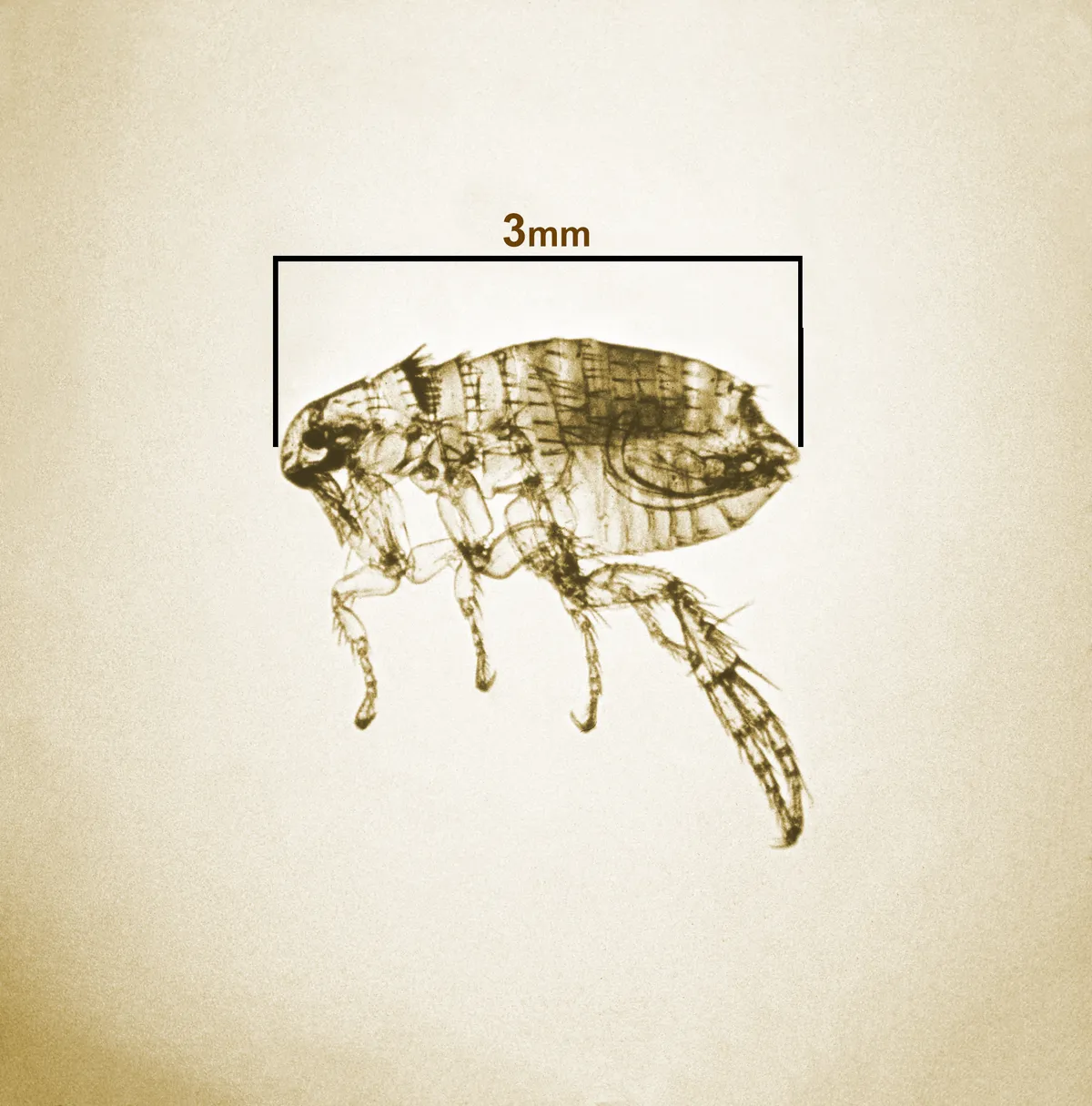 Cat fleaJumps; bites cluster on the feet, ankles and calves; needs a pet or wild animal host
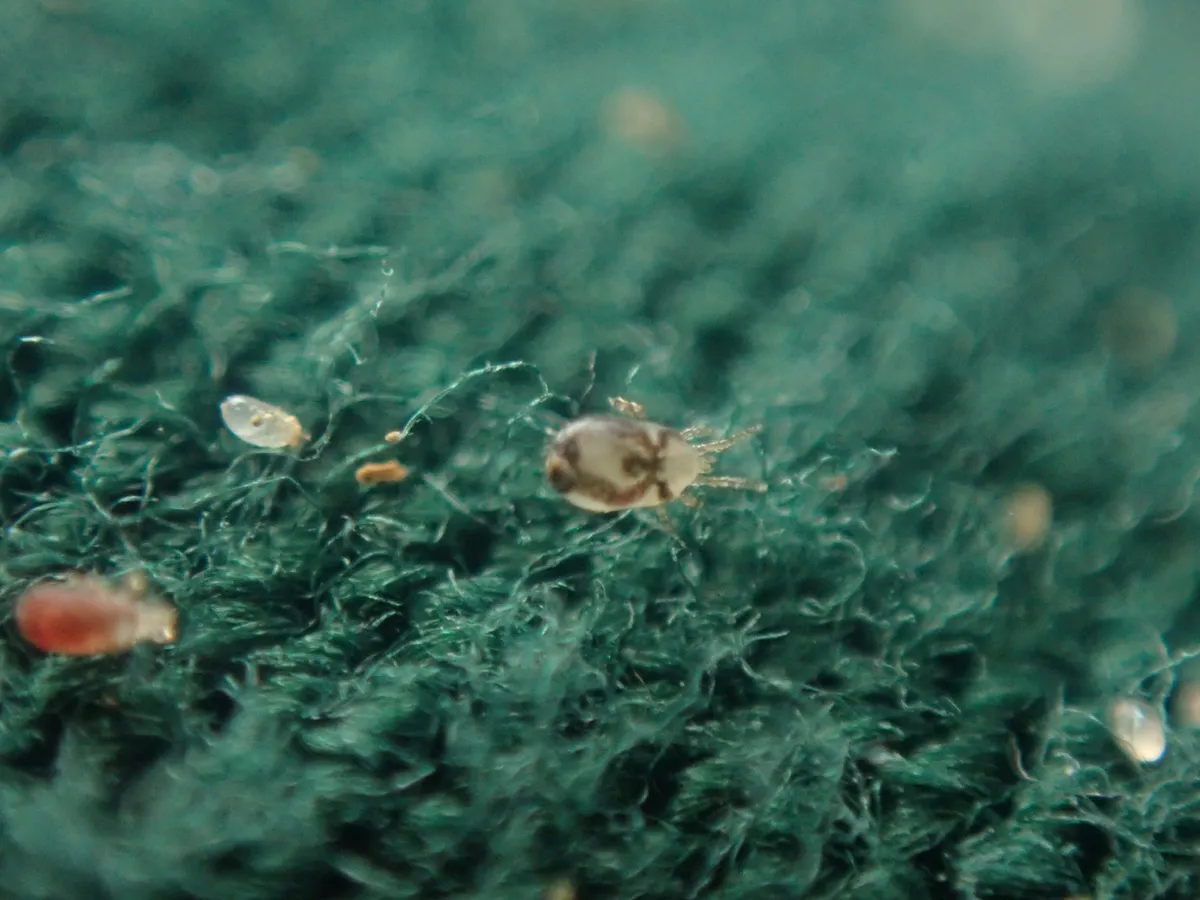 Northern fowl mite (bird mite)Period-size mites that can wander indoors from a nest and cause itchy rashes once the birds leave
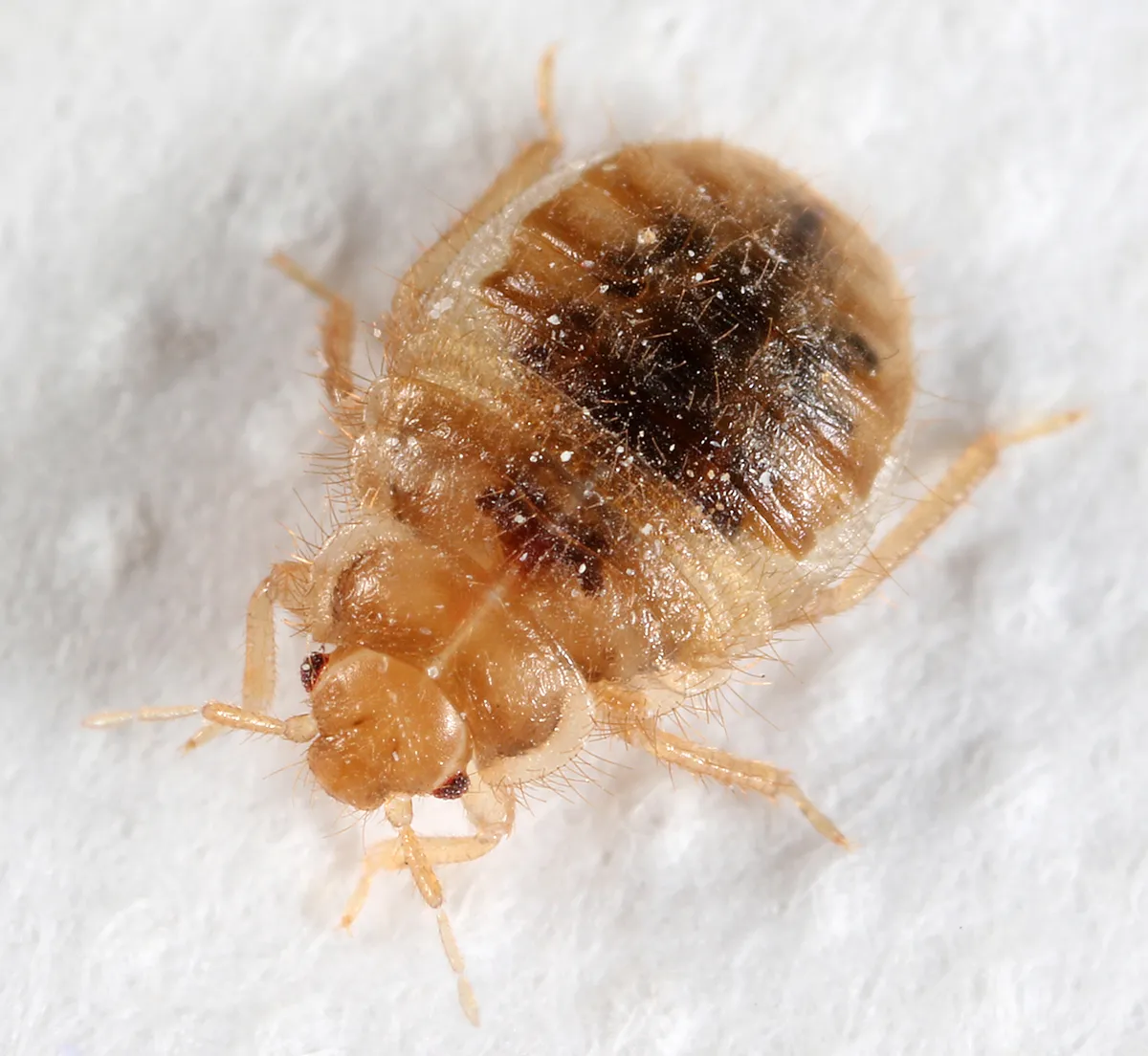 Bat bugA bed bug relative that may bite people once its bats are gone
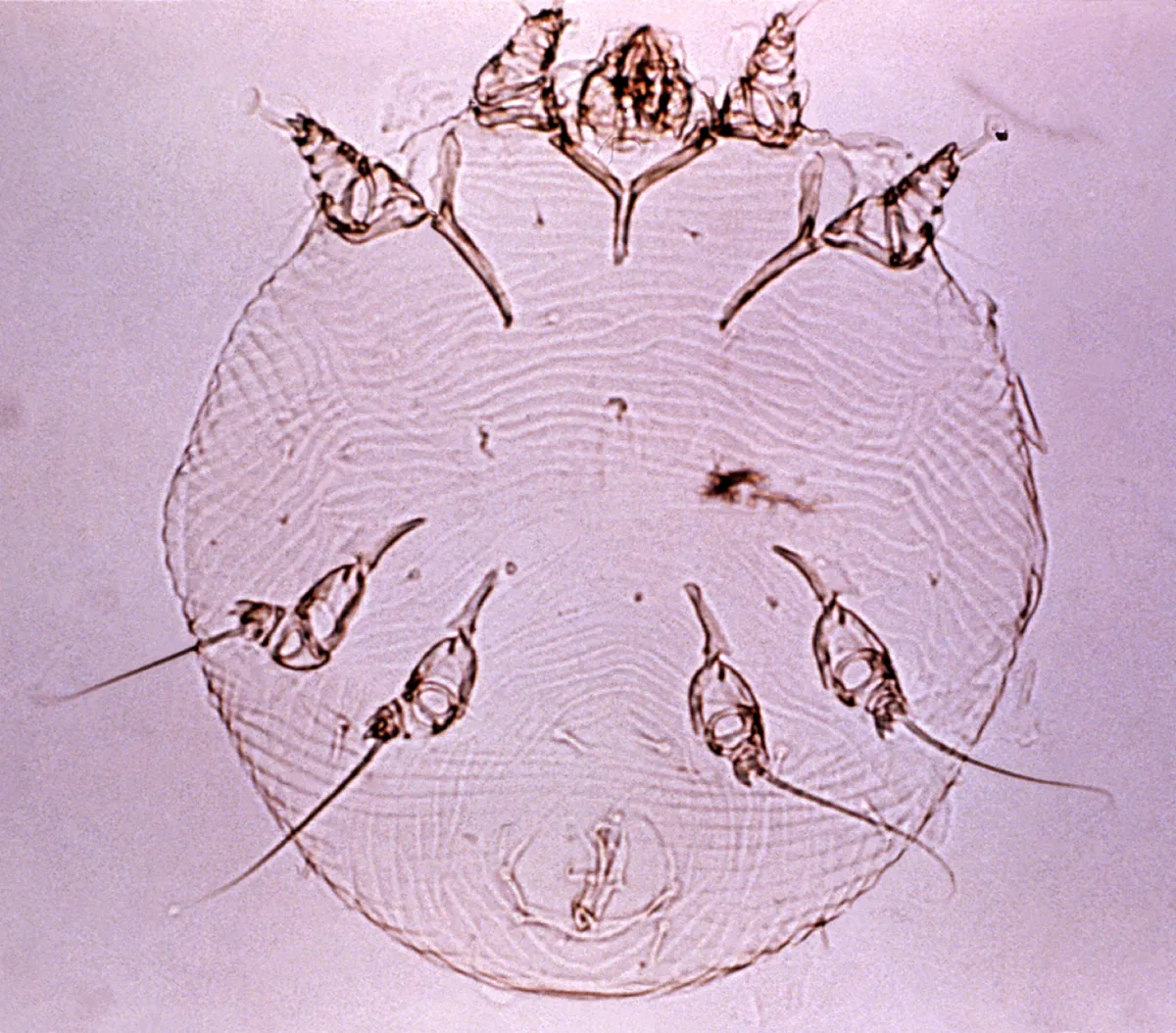 Human itch mite (scabies)Lives in the skin; the rash itches most at night and spreads by skin-to-skin contact
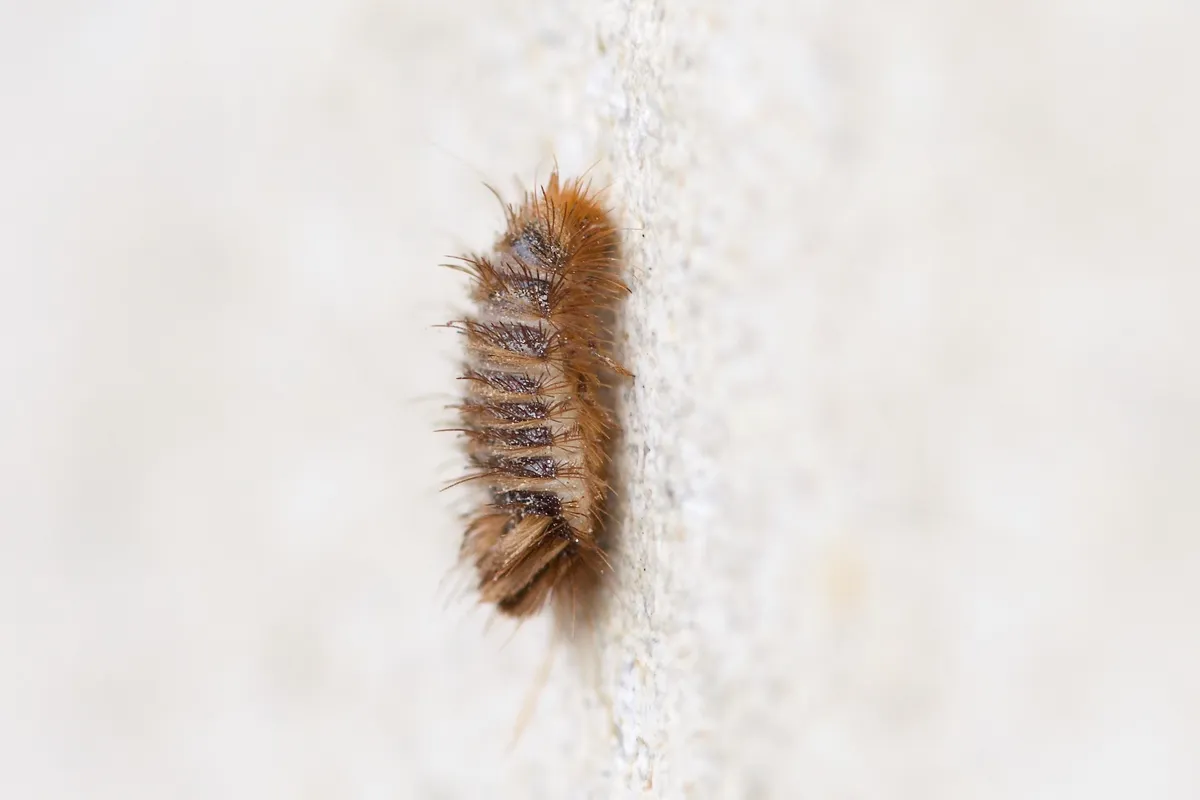 Carpet beetle larvaDoes not bite; its hairs can cause bite-like bumps where skin presses against it
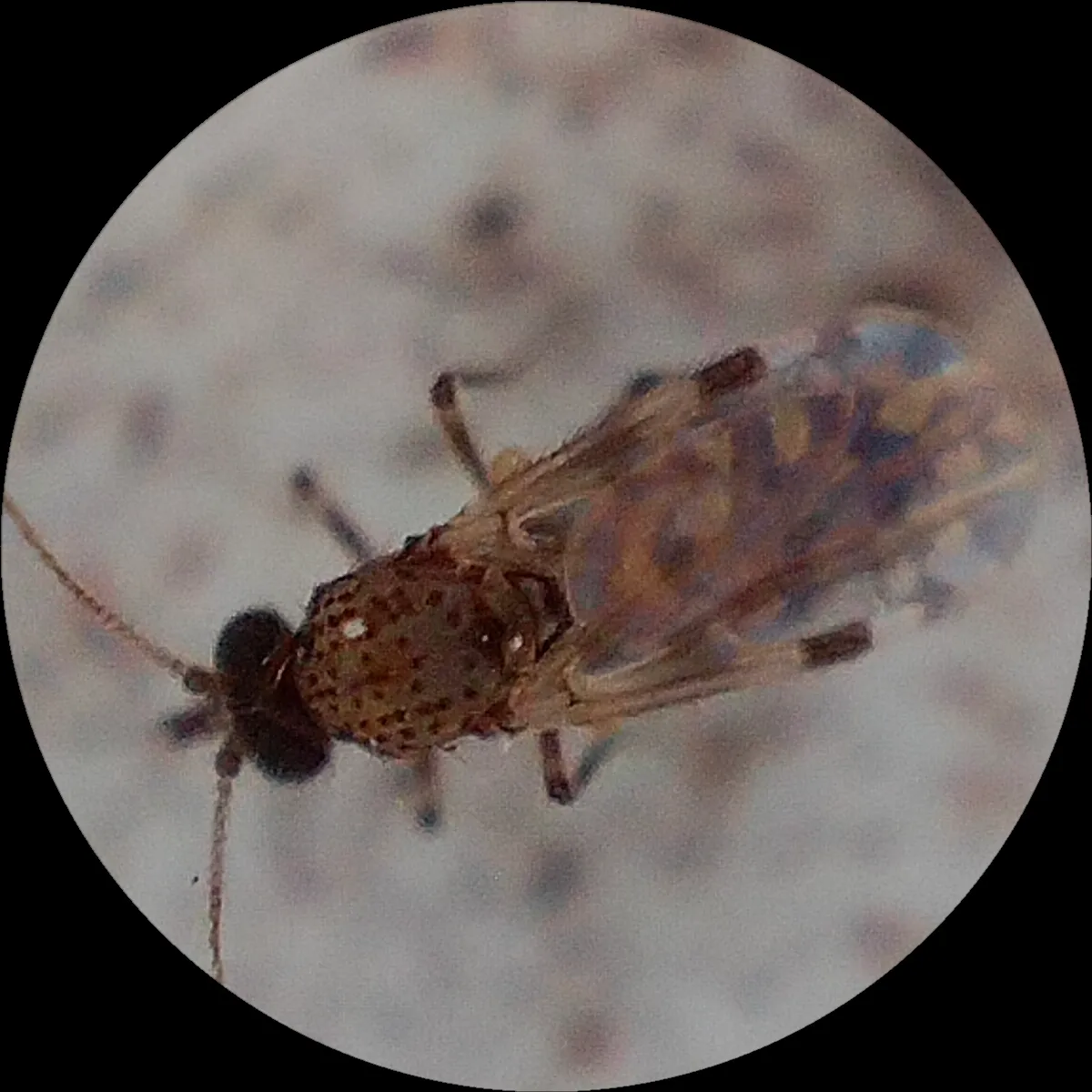 Biting midge (no-see-um)A fly 1/32 to 1/8 inch long that can pass through standard window screens
Photos: Cat flea: CDC (CDC Public Health Image Library, phil.cdc.gov), public domain. Northern fowl mite (bird mite): no rights reserved, via iNaturalist, CC0 1.0. Bat bug: CDC/ Gary D. Alpert, Ph.D., Northern Arizona University, Department of Biological Sciences; photo: Gary D. Alpert, Ph.D., Northern Arizona University, Department of Biological Sciences (CDC Public Health Image Library, phil.cdc.gov), public domain. Human itch mite (scabies): CDC/ Donated by the World Health Organization, Geneva, Switzerland (CDC Public Health Image Library, phil.cdc.gov), public domain. Carpet beetle larva: (c) Owen Strickland, some rights reserved (CC BY), via iNaturalist, CC BY 4.0. Biting midge (no-see-um): no rights reserved, via iNaturalist, CC0 1.0.
How do you get a bug or mite identified?
Catch it whole and get it identified: Texas A&M points to a pest control professional or board-certified entomologist for identification, and to your county Extension office for help.
- Trap where the bites happen. Kentucky suggests glue traps there; they are not always reliable but can show whether biting pests are present. For bed bugs, use interceptors.
- Keep specimens whole, in a crush-proof container rather than an envelope or tape, as Kentucky asks; Texas A&M says tiny mites can be lifted with an artist's brush or tissue dipped in rubbing alcohol and kept in a vial of it.
- Skip the tape test. Kentucky says tape pressed on the skin seldom reveals the cause.
- Note when and where the bites happen, who else is affected and what changed.
- Get the answer before treatment. Texas A&M says most pest control companies will, rightly, not treat a home without proof of a pest.
Why not spray for bed bugs just in case?
Because spraying for a pest no one has found seldom fixes anything. Texas A&M says to avoid pesticide sprays without a confirmed identification and not to use household sprays or foggers repeatedly against unseen pests, and Kentucky's rule of thumb is no pesticide unless biting pests or clear evidence of them are found or strongly suspected. The fix belongs to the cause: scabies needs a prescription, and Kentucky says chemical treatments for bird and rodent mites likely give only temporary relief unless their source is managed.
When should you see a doctor about bites with no bugs?
Right away for the warning signs below, and soon for itching no one can explain: UC IPM says the first person to contact about unexplained itching is your family physician or primary health care provider, and Kentucky's mystery-bite guide says a dermatologist may be needed when no pests are found.
For bed bug bites, the American Academy of Dermatology lists difficult breathing, an irregular or forceful heartbeat, a swollen tongue, large blisters, fever, feeling very sick and infection from scratching as serious reactions that require immediate medical care. After any bug bite, the AAD advises seeing a board-certified dermatologist immediately for a headache, fever, body aches, constant tiredness or a rash. The CDC's mosquito bite page says an infected bite may look red, feel warm or show a spreading red streak.
Cleveland Clinic advises contacting a provider when flea bite symptoms last longer than a few days and when chigger itching lasts beyond two weeks. If no bug is ever found and the itching continues, stay with your doctor: UC IPM says many medical conditions cause itching and that very real sensations on the skin can lead to a mistaken belief of infestation, which it says can be medically managed. For young children, see bug bites on babies.
What should you do once you know what is biting you?
Treat the cause you found with the guide for that pest: the bed bug elimination plan, getting rid of fleas in the house, getting rid of mosquitoes in the house or chigger control. Bird and rodent mites end with the nest and the animals: Kentucky calls exclusion, reduction and elimination of rodents the best control for rat mites, and the guide to mice covers that.
This guide is general educational information, not medical advice. If you have symptoms or concerns after a bite or exposure, contact a healthcare provider.
Frequently Asked Questions
Can you have bed bug bites but no bed bugs?+
You can have bites without finding bed bugs, for two reasons. The bugs may still be there: the EPA says low-level infestations are much more challenging to find, and the University of Kentucky says people are often bitten repeatedly yet never see one. Or something else caused the marks, because the EPA says bed bug bites can look like mosquito or chigger bites, rashes such as eczema or fungal infections, or hives. Interceptor traps under the bed legs and an identified specimen tell you which.
Do bed bug bites always show up?+
No. The CDC says bed bug bites affect each person differently and lists no physical signs among the possible results, and the University of Kentucky says studies in infested apartments suggest about 30 percent of people do not react even when bitten repeatedly, with more non-reaction among the elderly. When marks do appear, the CDC says most people notice them one to several days after the bite, and in some people they take as long as 14 days to develop.
Why am I getting bitten in bed but not my partner?+
Your partner may be bitten too and simply not react. The University of Kentucky cites studies suggesting about 30 percent of people do not react to bed bug bites even when bitten repeatedly, and the CDC says the bites affect each person differently. Clear skin on a partner does not rule out scabies yet either: it spreads through extended skin-to-skin contact, and the CDC says symptoms can take up to three to six weeks to appear in someone who has never had it.
What else looks like bed bug bites?+
Quite a lot. The EPA says bed bug bites can look like bites from other insects, such as mosquitoes or chiggers, like rashes such as eczema or fungal infections, or even like hives, and the CDC says they look similar to mosquito or flea bites. Scabies, the hairs of carpet beetle larvae and irritants such as fiberglass or paper fibers can also cause bite-like bumps, which is why identifying the insect, or seeing a doctor when none is found, matters more than how the bite looks.
What is biting me at night under my clothes?+
Bed bugs are less likely there, since the University of Kentucky says their bites usually show as welts on exposed skin. Chiggers attach where clothing fits tightly, such as the ankles, waist or armpits, and Cleveland Clinic says their bites gather at waistbands, bra lines and sock lines; Kentucky adds that the itch may not be felt until the next day. Carpet beetle larvae do not bite, but in a case series published in a CDC journal, the bite-like lesions from their hairs were mostly under clothing.
Can mites bite you at night?+
Some can. Bird and rodent mites can leave their nests and bite people when the birds or rodents die or leave, and the University of Kentucky says the chicken mite almost never bites people during the day but readily bites at night. Scabies mites live in the skin, and the CDC says their itch is intense especially at night. House dust mites are not the answer: Kentucky says the idea that they cause itching or bite-like reactions is untrue. A mite has to be caught and identified to be sure.
Do fleas bite people if you don't have pets?+
They can. Cleveland Clinic says that when no animal is around, fleas will bite anyone, and the University of Kentucky says that besides pets, mice, rats, squirrels, skunks, opossums or raccoons can bring an infestation. Kentucky adds that animal hosts must be present for an extended time for fleas to become established, so a brief visit by a dog or cat is unlikely to cause one. Flea bites cluster on the feet, ankles and calves, and walking the rooms in white socks pulled up high makes fleas easier to see.
Should I spray for bed bugs if I can't find any?+
No. Texas A&M AgriLife Extension says pesticide sprays should be avoided without a confirmed pest identification and that household sprays and foggers should not be used repeatedly against unseen pests. The University of Kentucky's rule of thumb is to apply no pesticide unless biting pests or clear evidence of them are found or strongly suspected, and it warns that spraying seldom fixes such problems. Monitor with interceptor traps under the bed legs and get any specimen identified first.
How do you treat itchy bites when you don't know what bit you?+
For bed bug bites, the CDC suggests antiseptic creams or lotions for the itch and avoiding scratching to prevent a secondary infection, and says an antihistamine may help control itching. For mosquito bites, it suggests washing the area with soap and water, an ice pack for 10 minutes and an over-the-counter anti-itch or antihistamine cream. The CDC says to see a healthcare provider if symptoms get worse, and notes that a bite that turns red, feels warm or has a spreading red streak may be infected.
When should I see a doctor about bites with no bugs?+
Right away for any sign of a severe reaction: the American Academy of Dermatology lists difficulty breathing, the sensation that your throat is closing, swollen lips, tongue or face, chest pain and a racing heartbeat that lasts more than a few minutes among the reasons to go to the emergency room. Otherwise, UC IPM says your family physician is the first person to contact about unexplained itching, the CDC says to contact a healthcare provider if you suspect scabies, and the University of Kentucky says a dermatologist may be needed when no pests are found.
Sources
- About Bed Bugs — Centers for Disease Control and Prevention
- How to Find Bed Bugs — US Environmental Protection Agency
- Bedbugs: Signs and Symptoms — American Academy of Dermatology
- Bug Bites and Stings: When to See a Dermatologist — American Academy of Dermatology
- ENTFACT-636: Bed Bugs — University of Kentucky Department of Entomology
- ENTFACT-649: Mystery Bites: Insect and Non-Insect Causes — University of Kentucky Department of Entomology
- ENTFACT-637: Parasitic Mites of Humans — University of Kentucky Department of Entomology
- Diagnosing Mysterious Bug Bites (ENT-3006) — Texas A&M AgriLife Extension Service
- Biting Mites (ENT-3009) — Texas A&M AgriLife Extension Service
- Itching and Infestation: What's Attacking Me? (Pest Notes) — University of California Statewide IPM Program
- Symptoms of Scabies — Centers for Disease Control and Prevention
- How Scabies Spreads — Centers for Disease Control and Prevention
- Anthrenus sp. and an Uncommon Cluster of Dermatitis (Emerging Infectious Diseases, July 2021) — Centers for Disease Control and Prevention
- Flea Bites — Cleveland Clinic
- Chigger Bites — Cleveland Clinic
- About Mosquito Bites — Centers for Disease Control and Prevention
- Preventing Mosquito Bites — Centers for Disease Control and Prevention
- Something's Biting Me, but I Can't See It — University of Arizona Cooperative Extension
How this guide was made: it was researched and drafted with AI assistance from the sources listed above. A second, independent AI pass then checked each factual claim against those sources. Found an error? Email support@buzzskito.ca.