Reviewed by Alex Francisco
Published November 6, 2026 · Fact-checked against the sources listed below
Reading from Canada? Product rules and what is sold there differ. See the Canadian edition.
Our picks at a glance
BuzzSkito did not test these products. The picks follow the EPA-accepted labels, the Connecticut Agricultural Experiment Station's Tick Management Handbook, CDC and the field studies below. A liquid pyrethroid labeled for ticks, sprayed on the edges where ticks live, is the main recommendation; the rest of the list covers lawn borders, mouse nests, leaf litter and deer.
Yard tick control picks
As an Amazon Associate I earn from qualifying purchases.
- Check price on Amazon →
Easiest for lawn borders
Bifenthrin lawn insect granules labeled for ticks
Bifenthrin is sold to homeowners as liquids and granules. One 0.2% granule's maker claims 3 months against ticks. Water it in without runoff, and keep pets off for 24 hours or longer, which NPIC says lawn granules may require.
- Check price on Amazon →
For mouse-heavy yards
Mice line their nests with the treated cotton, which kills ticks feeding on them. Results are mixed: Wisconsin tube sites had 54% fewer questing nymphs, while Connecticut and New York trials found no drop in infected nymphs. Place them in April and July, no more than 10 yards apart.
- Check price on Amazon →
If you mix a concentrate
The Connecticut handbook says a small hand pump sprayer is unlikely to give the coverage tick control needs and that a garden hose sprayer is the minimum. Set the dial to the rate on your product's label.
- Check price on Amazon →
For leaf litter
CDC lists removing leaf litter first, and the handbook says leaves can be raked or blown out from under shrubs, then composted or bagged instead of being moved to another part of the property.
- Check price on Amazon →
To keep deer out
The handbook calls fencing the most effective way to keep deer off a property and describes black polypropylene mesh in 7.5-foot-wide rolls, flagged at about 4 feet and staked at the ground. Check local fence rules first.
What is the best tick spray for a yard?
An EPA-registered product whose label lists ticks, applied where ticks live. The Tick Management Handbook from the Connecticut Agricultural Experiment Station calls acaricides (pesticides that kill ticks) the most effective way to reduce ticks, particularly when combined with landscaping, and says synthetic pyrethroids are the most commonly used. Blacklegged and American dog ticks, it notes, are readily killed by almost all ornamental and turf insecticides labeled for tick control.
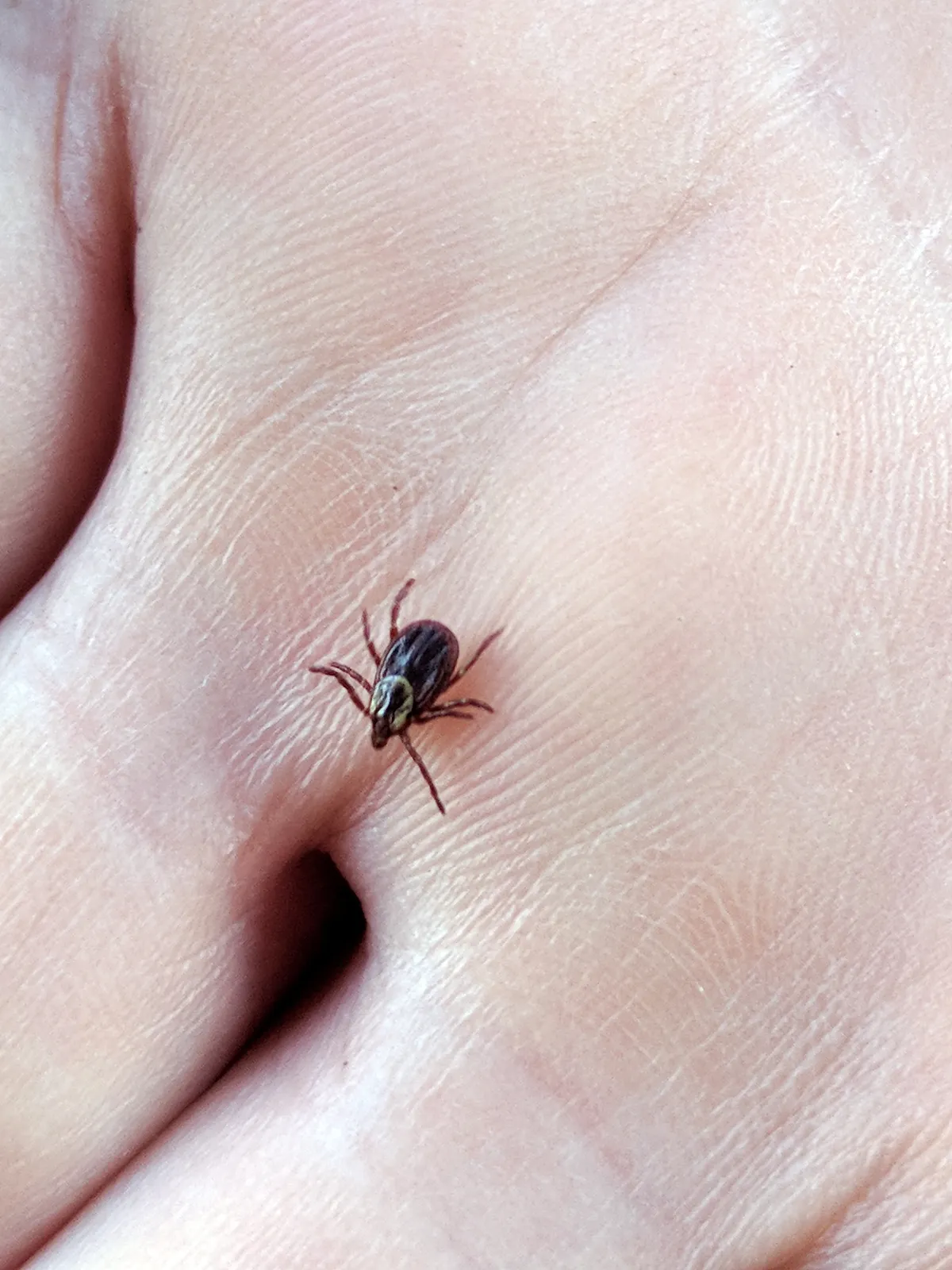
The research agrees. A 2025 systematic review of 127 studies found chemical tick control the most effective and consistent approach, with a mean 93.8% suppression of questing nymphs across the 25 studies it pooled. The 2024 CDC review says EPA-registered synthetic products have, with one notable exception, killed more than 80% of ticks in field tests, and that pyrethroids suppressed blacklegged ticks for at least 6 weeks.
Read the label before you buy. The handbook warns that some products cover only brown dog ticks or indoor and foundation use, and others mix in fertilizer or weed killer. The product must be registered with EPA and your state, and liquids usually control ticks somewhat better than granules.
Which active ingredients kill ticks in a yard?
Most homeowner tick sprays are pyrethroids. The table gives one example label per ingredient; formulas change, so check the label you buy.
| Active ingredient | Example label (EPA Reg. No.) | Form | What the label says |
|---|---|---|---|
| Bifenthrin 0.2% (pyrethroid) | Ortho BugClear Lawn Insect Killer | Lawn granules | Maker claims 3 months on American dog, brown dog and deer ticks; enter once dry |
| Gamma-cyhalothrin 0.08% (pyrethroid) | Spectracide Triazicide for Lawns & Landscapes Concentrate (9688-277-8845) | Concentrate | EPA's 2020 registration review proposed canceling its outdoor residential uses (lawns, gardens, trees), so we do not recommend it; check the current label before any use |
| Lambda-cyhalothrin 0.5% (pyrethroid) | Lambda 0.5% Concentrate (53883-197) | Concentrate or hose-end | Lists no ticks; an April 2024 amendment under EPA's registration review also barred residential lawns and turf |
| Beta-cyfluthrin 0.36% plus imidacloprid 0.72% | BioAdvanced Complete Insect Killer for Soil & Turf (92564-12) | Hose-end | Lists ticks, including deer ticks; lawns and building foundations only; highly toxic to bees |
| Permethrin 0.5% (pyrethroid) | CIC Residual Insecticide No. 1, gallon sizes (50404-3) | Ready to use | A band of vegetation and leaf litter 6 to 10 feet wide around buildings and activity areas |
| Permethrin 7.4% (pyrethroid) | Thermacell Tick Control Tubes (71910-10) | Treated cotton | Kills ticks feeding on mice; at least twice a year |
| Carbaryl (carbamate) | Sevin, among others | Liquid or granules | Extremely toxic to bees, moderately toxic to fish (handbook) |
Labels: BioAdvanced via Washington State University; CIC No. 1, the tick tubes and Lambda 0.5% Concentrate via EPA; Ortho's product page. EPA's proposal on gamma-cyhalothrin: proposed interim decision, Sept 2020.
Pyrethroids share their downsides. The handbook says they are highly toxic to fish and other aquatic life but much less toxic to mammals and birds, and that many concentrated pyrethroids are restricted to licensed applicators. NPIC's bifenthrin fact sheet rates bifenthrin very highly toxic to bees and highly toxic to fish, says it binds tightly to soil but can reach surface water in runoff, and notes that EPA classifies it as a possible human carcinogen. Natural pyrethrins with piperonyl butoxide gave limited tick control in several residential trials, the handbook adds.
Where should you spray for ticks?
On the edges, not the open lawn. In the yards the handbook summarizes, blacklegged ticks lived mainly in dense woods (67% of those sampled) and in the unmaintained edge between woods and open ground (22%), with 9% in ornamental plantings and 2% on lawns; 82% of the lawn ticks were within 3 yards of the edge, especially along woods, stone walls and plantings. Where your product's label allows, the handbook says to spray:
- Where the lawn meets woods, stone walls or ornamental plantings.
- Several yards into bordering woods, where ticks are densest.
- Groundcover such as pachysandra near the house or walkways.
- The edges of play areas, gardens, storage areas, paths and the walk to the mailbox.
- Not herb, vegetable or butterfly gardens.
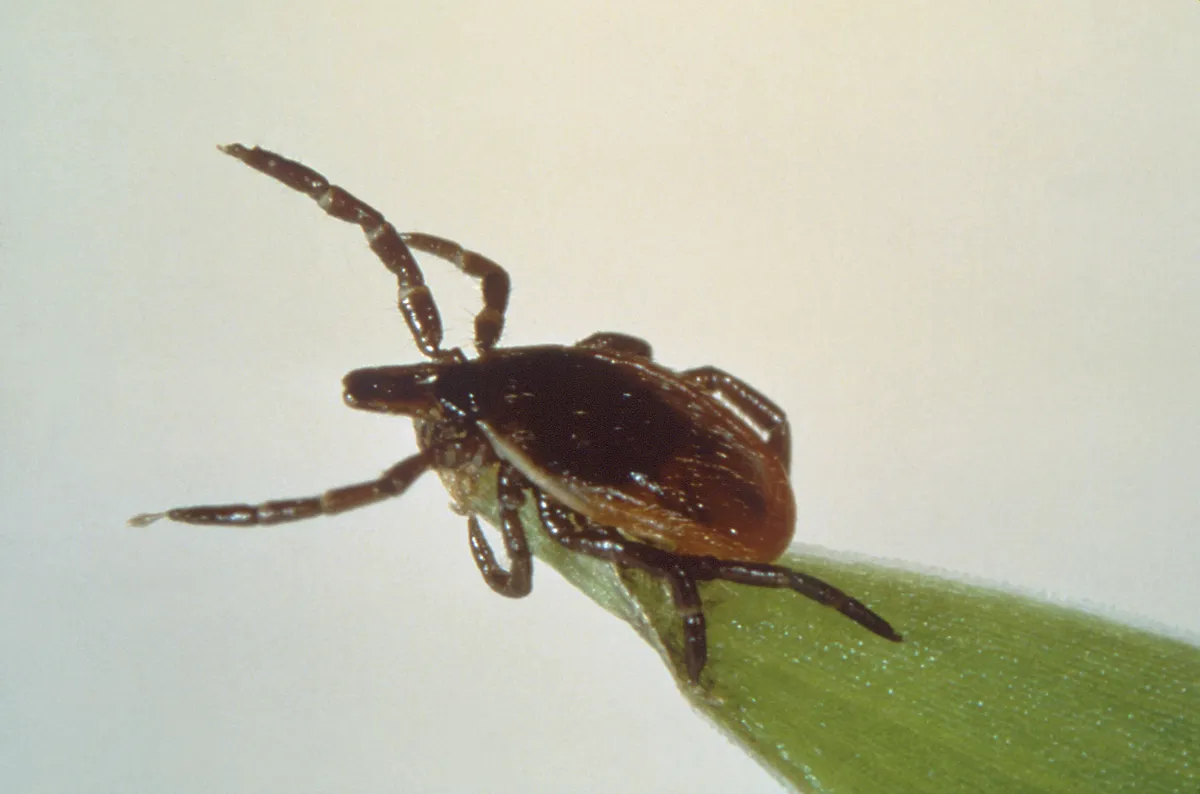
Check first with a tick drag, which the handbook describes as a square yard of white flannel or corduroy on a 3-foot dowel, pulled over the lawn and leaves. It catches only a small share of the ticks present, so do several drags, and skip it when vegetation is wet. CDC's Lyme disease prevention page adds that well-maintained lawns away from brushy areas hold fewer blacklegged ticks, and that ticks are less likely in bright, sunny spots.

When should you spray your yard for ticks?
In the Northeast, spray once in May or early June for blacklegged tick nymphs, the stage most likely to transmit Lyme disease, with an optional October application for adults; for American dog ticks, any time after the adults appear in spring, the handbook says. A single application of most ornamental and turf insecticides gives 85 to 90% or better control with some residual activity, so repeat sprays are rarely needed, though some organic products break down quickly and need more than one.
Timing differs by region and species, so CDC says to ask local health or agricultural officials about the best time and type of pesticide for your area and the rules for residential properties. Lone star ticks, widespread in the Northeast, South and Midwest, keep their own calendar, laid out in the lone star tick guide. Pick a calm, dry spell: the handbook says not to spray when wind tops 10 mph or within 24 hours of rain.
How do you spray a yard for ticks?
- Confirm the ticks. Drag the edges and note where you find them.
- Buy for the label. It must list ticks and your use site and carry an EPA registration number.
- Mix by the label. Each label sets the tick rate and where the product may be used; follow it exactly.
- Use a hose-end sprayer or bigger. The handbook says a small hand pump is unlikely to give enough coverage, and the spray should soak through vegetation and leaf litter.
- Protect yourself and the house. Wear the gear your label lists, close windows and doors, and keep children and pets inside.
- Keep it off water and pavement. Stay 25 feet from ponds, streams and wetlands (100 feet from coastal marshes), and treat driveways, walks and patios only as spots and cracks, as pyrethroid labels require.
- Do not water it in unless the label says to, as some granules do, and rinse the sprayer over the treated area.
- Store it out of reach. An EPA survey cited in the handbook found that 47% of households with children under 6 kept pesticides within a child's reach.
Is tick spray safe for dogs, cats and kids?
Keep everyone off the treated area until it dries, and follow the label's re-entry rule. The labels in the table say to keep children and pets out until the spray dries, and NPIC's guide to pesticide use around pets adds that the area should be well ventilated and that lawn granules may need 24 hours or longer. The handbook's guideline is 12 to 24 hours for family members and pets, especially cats, or the label's re-entry interval.
NPIC says pets exposed to bifenthrin may vomit or have diarrhea once, be less active or twitch their ears. Cats need extra care with permethrin, which NPIC says their bodies break down slowly: keep cats away from wet permethrin sprays, and store tick tubes out of reach of children and pets, as their label says.
- Dogs still need their own preventive. A yard spray does not protect a dog on a walk; ticks on dogs covers preventives and checks.
- If a pet is exposed, call your veterinarian or the ASPCA Animal Poison Control Center at (888) 426-4435; a consultation fee may apply.
- If a person is exposed, the tick tube label lists Poison Control at 1-800-222-1222, and NPIC answers pesticide questions at 800-858-7378.
Do natural tick sprays and cedar oil work?
Some barely work, and the label will not tell you which. Cedar oil, garlic, peppermint and rosemary sprays are often minimum-risk pesticides, which are exempt from EPA registration. EPA's conditions for minimum-risk products say EPA does not review them, that their labels may not suggest federal endorsement, and that a label may say a product controls ticks but not that it controls ticks that carry Lyme disease.
In field tests gathered by the 2024 CDC review, two cedarwood oil products knocked down only 5 to 6% of ticks and left 0 to 8% suppression after two weeks. A rosemary and peppermint oil product matched bifenthrin for several months when sprayed at high pressure in Maine, but similar products sprayed at low pressure held nymph suppression above 90% for only 1 to 3 weeks, and a garlic product gave 37 to 59% suppression for 1 to 3 weeks. Results differ from product to product, the review concludes, and independent data on specific products are most often lacking.
Other alternatives have uneven records. The fungal spray Met52 did not significantly reduce ticks in a New York neighborhood trial, and two experimental 10% nootkatone formulas knocked down more than 94% of blacklegged ticks in field trials published in 2026 but were still in development, while a commercially available nature-based product tested alongside them showed no significant tick-killing activity. Chickens are no fix either, as the evidence on chickens and ticks shows.
Do tick tubes work?
Sometimes, and best as an add-on. Tick tubes hold permethrin-treated cotton that mice carry home as nesting material, killing ticks that feed on them. The label for Thermacell's tubes says to lay them flat in brush, woodpiles, stone walls and flower beds no more than 10 yards apart, skip mowed lawns, and set them out at least twice a year, ideally April and July; a quarter-acre lot takes 6 tubes per application.
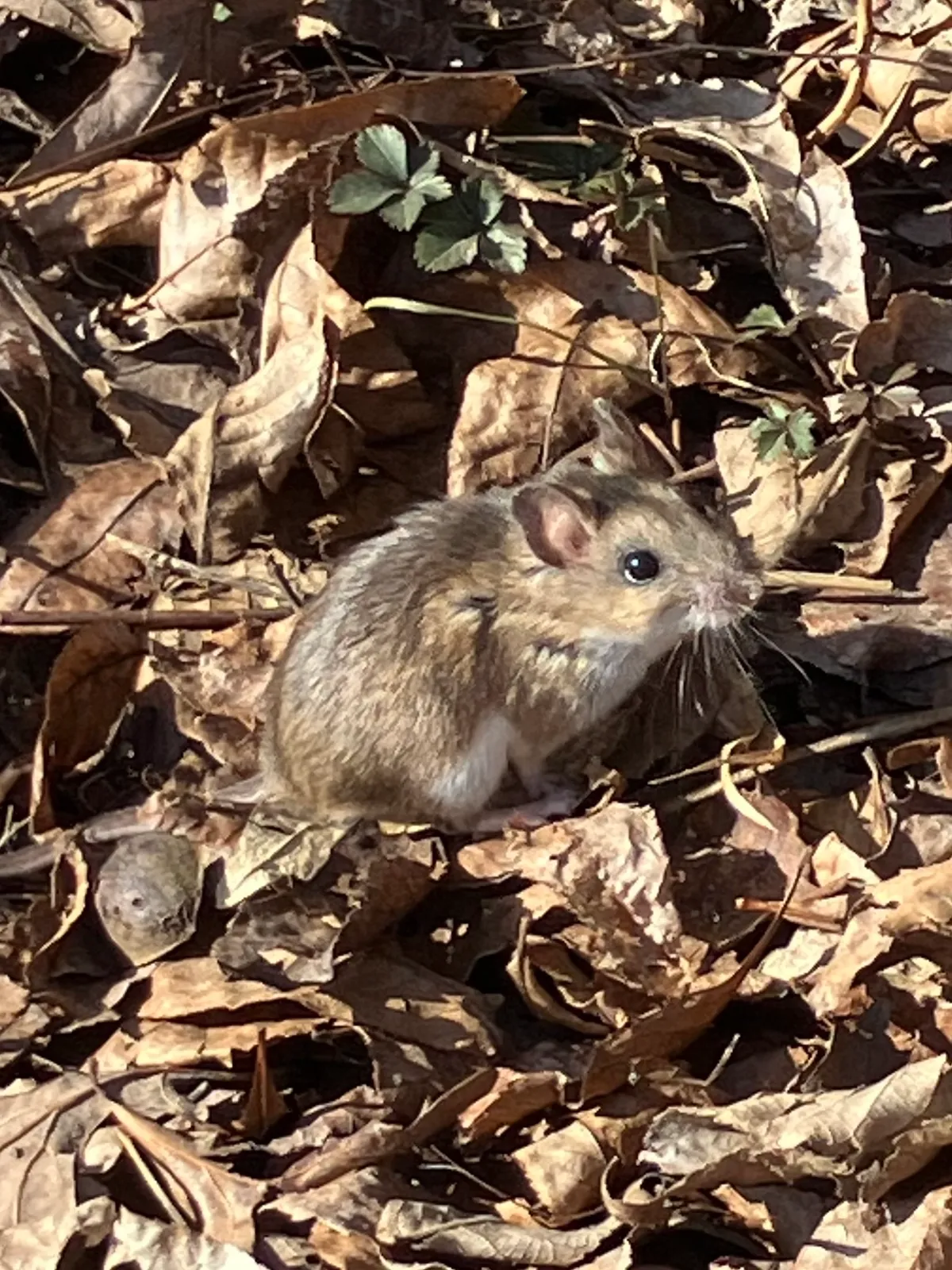
The evidence is mixed. The handbook reports fewer ticks in a couple of Massachusetts studies but no drop in infected, host-seeking nymphs after three years in Connecticut and New York on sites of 4 acres or less, perhaps because mice ignored the cotton or chipmunks kept feeding ticks. In south central Wisconsin, a 2021 study found 54% fewer questing nymphs and 66% fewer infected nymphs at tube sites, and the reductions held in every year after the first.
Bait boxes that dab mice with fipronil cut nymphs by 53% in forest habitat and roughly halved the ticks on each mouse in the Dutchess County, New York, trial, with no significant effect on lawns; the handbook notes an earlier bait box was sold only through licensed applicators. The mice involved are profiled in field mice and deer mice.
What landscaping keeps ticks out of a yard?
Landscaping makes the yard less welcoming to ticks and their hosts. CDC's list:
- Remove leaf litter.
- Clear tall grasses and brush around the house and at the edge of the lawn.
- Put a 3-foot-wide barrier of wood chips or gravel between lawn and woods to restrict ticks moving into play areas.
- Mow the lawn frequently.
- Stack wood neatly in a dry area, which discourages rodents.
- Keep playground equipment, decks and patios away from yard edges and trees.
- Use fences to keep out deer, raccoons and stray dogs.
- Remove old furniture, mattresses and trash where ticks can hide.
The handbook adds: compost or bag leaves instead of moving them elsewhere on the property, trim branches at the lawn edge to let in sunlight, move bird feeders and firewood away from the house, and renew wood chips, which soon break down into something like leaf litter. A barrier 3 feet wide or more may reduce ticks on the lawn, it says, but results vary widely from yard to yard and year to year.
Should you fence deer out of your yard?
If deer visit often, fence them out; the handbook says deer repellents alone will not lower tick numbers unless deer avoid the property entirely. It calls fencing the most effective way to keep deer off a property: a slanted electric fence around 15 to 18 acres cut blacklegged tick nymphs by up to 84% and larvae by 100% about 70 yards or more inside it. A deer fence does not stop mice or chipmunks, so smaller fenced yards may still need tick control inside and along the fence line.
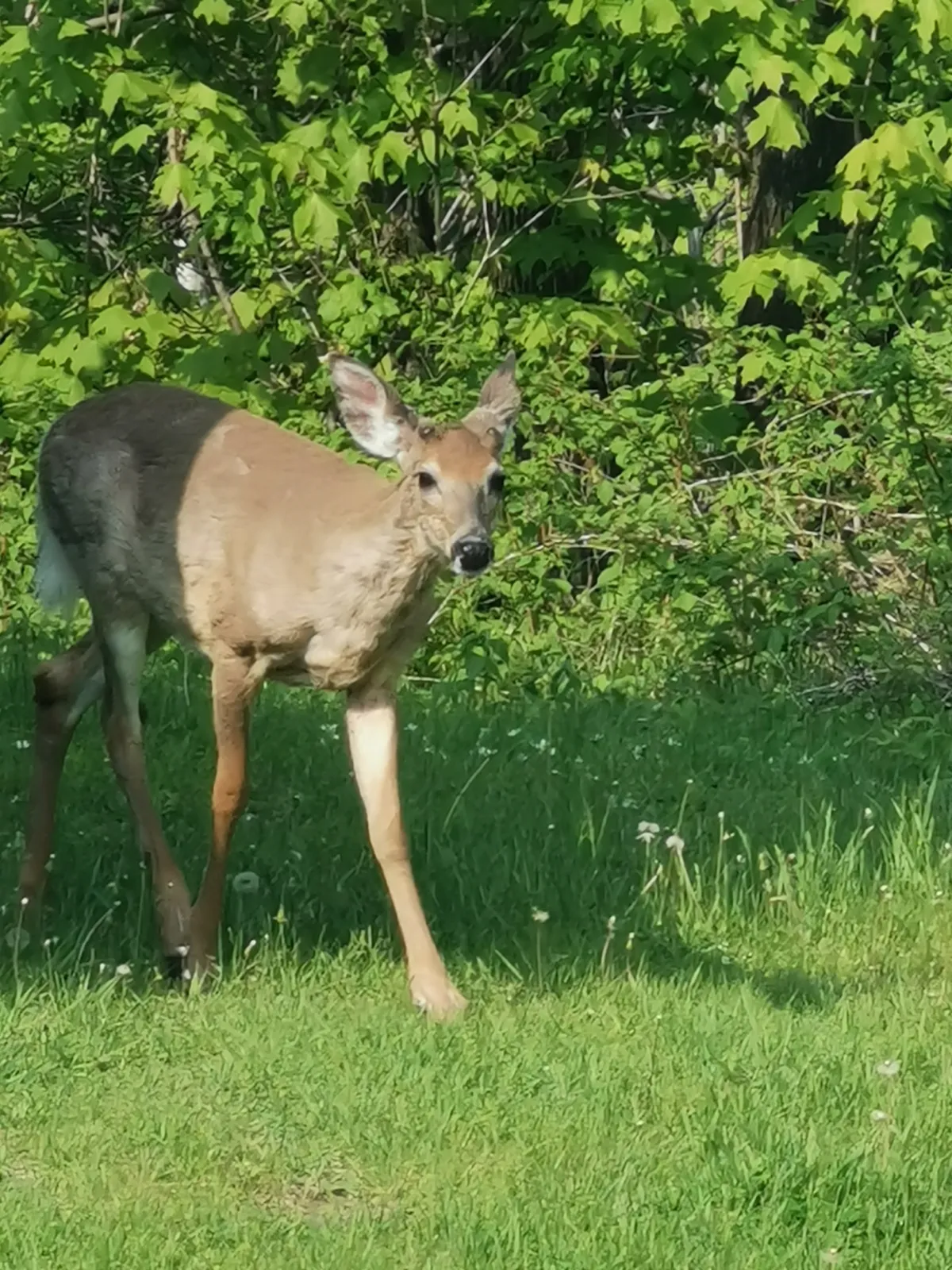
The handbook describes black polypropylene mesh in 7.5-foot-wide rolls, flagged at about 4 feet and staked at the ground, because deer more often push under a fence than jump it; check local fence rules first. Feeding stations that brush a tick-killing pesticide onto deer, called 4-posters, cut blacklegged ticks by up to 81% in community trials, though the handbook says they are most practical as part of a neighborhood or community program.
Does spraying your yard prevent Lyme disease?
Not on the evidence so far. In the placebo-controlled trial of 2,727 households in three northeastern states, properties sprayed with bifenthrin had 63% fewer questing ticks, yet human tick encounters and tick-borne disease did not differ, and the authors concluded that barrier sprays do not significantly reduce a household's risk of tick exposure. In the Dutchess County trial, tick encounters were about 20% lower with both active treatments, not a statistically significant difference, and human disease did not change significantly, though pets had about half as much tick-borne disease with either treatment.
CDC, too, says not to rely on spraying to reduce your risk of infection. Treat the yard as one layer and keep the others: a skin repellent from the repellent buying guide, a full-body tick check after yard work, 10 minutes in a hot dryer for work clothes, and prompt removal of any attached tick, covered in how to remove a tick safely and the tick removal tool comparison. What kills ticks covers clothing, gear and pets.
Should you hire a professional for tick control?
Consider one if you have a lot of wooded edge or would rather not handle concentrates, many of which are sold only to licensed applicators. Anyone spraying your property for pay needs a state license, which you can ask to see or check with your state pesticide agency. The handbook says a company should tell you:
- The name of the product and its active ingredient.
- The re-entry period before family members and pets can go back on the treated area.
- The form of the pesticide and the equipment it will use.
- Copies of the label and safety data sheet, which most states require companies to provide.
Many states also require written notice before an application to customers, or to neighbors who ask for it. Whoever sprays, ticks by state shows which species you are likely dealing with, and the tick identifier helps name the ones you find.
This guide is general educational information, not medical advice. If you have symptoms or concerns after a bite or exposure, contact a healthcare provider.
Use any pesticide exactly as its label directs. The label is the law, and what is registered and sold varies by state.
Frequently Asked Questions
What is the best tick killer for a yard?+
An EPA-registered product whose label lists ticks, usually a pyrethroid such as bifenthrin, beta-cyfluthrin or permethrin. The Connecticut Agricultural Experiment Station's Tick Management Handbook says a single application of most ornamental and turf insecticides gives 85 to 90% or better control, and a 2025 systematic review found chemical tick control the most effective approach studied. Where the label allows, spray the woods edge, stone walls and shrub beds rather than the open lawn, and follow the label's rate and re-entry rules.
Is tick spray safe for dogs?+
Keep dogs off the treated area until the spray has dried, as the labels require. NPIC says the area should also be well ventilated and that lawn granules may need 24 hours or longer to dissolve and dry, and the Connecticut handbook advises keeping pets off for 12 to 24 hours or the label's re-entry interval. NPIC says pets exposed to bifenthrin may vomit, have diarrhea, be less active or twitch their ears. If a dog is exposed, call your veterinarian or the ASPCA Animal Poison Control Center.
How long does a yard tick spray last?+
Weeks to a few months, depending on the product. A 2024 CDC review found that pyrethroids suppressed blacklegged ticks for at least 6 weeks, while minimum-risk products often lasted only 1 to 3 weeks. The Connecticut handbook says one application of most turf insecticides has enough residual activity that repeat sprays are rarely needed. Makers' claims vary, such as 3 months for one bifenthrin granule, and labels limit how often you may reapply, so follow yours.
When is the best time to spray your yard for ticks?+
In the Northeast, the Connecticut handbook advises one application in May or early June, aimed at blacklegged tick nymphs, with an optional application in October for adults. For American dog ticks, spray any time after the adults appear in spring. Seasons differ by region and species, so CDC suggests asking local health or agricultural officials about the best timing. Choose a calm day with no rain expected for 24 hours, and avoid spraying when wind tops 10 mph.
Should you spray the whole lawn for ticks?+
No. In the yards the Connecticut handbook summarizes, only 2% of blacklegged ticks were on the lawn, and 82% of those were within 3 yards of its edge. Most were in the woods and the brushy edge. The handbook says to spray where the lawn meets woods, stone walls and plantings, a few yards into the woods and around play areas and paths, and to focus treatment on tick habitat. Skip herb, vegetable and butterfly gardens.
Do cedar oil and natural yard sprays kill ticks?+
Some do briefly and some barely at all. These are often minimum-risk products, which EPA exempts from registration and does not review. In field tests summarized by a 2024 CDC review, two cedarwood oil products knocked down only 5 to 6% of ticks, while a rosemary and peppermint product matched bifenthrin when sprayed at high pressure, and similar products sprayed at low pressure held high suppression for only 1 to 3 weeks. The review found that results differ from product to product and that independent data on specific products are usually lacking.
Do tick tubes really work?+
The results are mixed. Tick tubes hold permethrin-treated cotton that mice use as nesting material, killing ticks that feed on them. The Connecticut handbook reports reductions in Massachusetts but no drop in infected nymphs after three years in Connecticut and New York, while a 2021 Wisconsin study found 54% fewer questing nymphs at tube sites. If you use them, place them in brush, woodpiles and stone walls no more than 10 yards apart, in April and July, as the label directs.
Will spraying your yard prevent Lyme disease?+
There is no good evidence that it does. In a placebo-controlled trial of 2,727 households in three northeastern states, bifenthrin cut questing ticks by 63%, but it did not reduce human encounters with ticks or tick-borne disease. A later New York trial of bait boxes and a fungal spray also found no significant effect on human disease. CDC says you should not rely on spraying to reduce your risk of infection, so keep using repellent, tick checks and prompt tick removal.
Can you spray for ticks yourself, or should you hire a pro?+
Either can work if the product is labeled for ticks and applied, as its label allows, where ticks live. The Connecticut handbook says homeowners need at least a garden hose sprayer for adequate coverage and must follow the label exactly. A company must be licensed by your state, and the handbook says it should tell you the product, active ingredient, re-entry period and equipment, and give you copies of the label and safety data sheet. Professionals can buy concentrated products that homeowners cannot.
How do you get rid of ticks in your yard without pesticides?+
Change the habitat. CDC advises removing leaf litter, clearing tall grass and brush at the lawn edge, mowing often, putting a 3-foot strip of wood chips or gravel between lawn and woods, stacking wood in a dry spot and keeping play equipment away from the edges. The Connecticut handbook calls fencing the most effective way to keep deer out. These steps make the yard less hospitable to ticks, but the handbook says landscaping alone does not kill many ticks and results vary by yard.
Sources
- Tick Management Handbook (Bulletin No. 1010, revised edition, K. C. Stafford III, 2007) — Connecticut Agricultural Experiment Station
- Preventing Tick Bites (August 28, 2024) — Centers for Disease Control and Prevention
- Preventing Lyme Disease (updated May 21, 2026) — Centers for Disease Control and Prevention
- Effectiveness of Residential Acaricides to Prevent Lyme and Other Tick-borne Diseases in Humans (A. F. Hinckley et al., Journal of Infectious Diseases 214(2):182-188, 2016; PMID 26740276) — PubMed, U.S. National Library of Medicine
- Effects of Tick-Control Interventions on Tick Abundance, Human Encounters with Ticks, and Incidence of Tickborne Diseases in Residential Neighborhoods, New York, USA (F. Keesing et al., Emerging Infectious Diseases 28(5):957-966, 2022) — Centers for Disease Control and Prevention
- A systematic review of the effectiveness and utility of Lyme disease prevention measures in Canada, the United States, and Europe (K. Ost et al., BMC Infectious Diseases 25:889, 2025; PMID 40604446) — PubMed, U.S. National Library of Medicine
- Efficacy of Unregulated Minimum Risk Products to Kill and Repel Ticks (L. Eisen, Emerging Infectious Diseases 30(1):1-7, 2024) — Centers for Disease Control and Prevention
- Conditions for Minimum Risk Pesticides (updated August 31, 2026) — U.S. Environmental Protection Agency
- Bifenthrin General Fact Sheet (reviewed June 2011) — National Pesticide Information Center (Oregon State University and EPA)
- Permethrin General Fact Sheet (reviewed July 2009) — National Pesticide Information Center (Oregon State University and EPA)
- Pesticide Use Around Pets (updated April 14, 2026) — National Pesticide Information Center (Oregon State University and EPA)
- Lambda-Cyhalothrin and Gamma-Cyhalothrin Proposed Interim Registration Review Decision (September 2020) — US Environmental Protection Agency
- Lambda 0.5% Concentrate, EPA Reg. No. 53883-197, label dated September 23, 2026 (residential lawns and turf removed in the April 18, 2024 amendment) — U.S. Environmental Protection Agency, Pesticide Product and Label System
- BioAdvanced Complete Brand Insect Killer for Soil & Turf Ready-To-Spray label, EPA Reg. No. 92564-12 — Washington State University, Pesticide Information Center Online (PICOL) label database
- CIC Residual Insecticide No. 1 (0.5% permethrin), EPA Reg. No. 50404-3, label accepted December 3, 2021 — U.S. Environmental Protection Agency, Pesticide Product and Label System
- Zecken Rollen Tick Tubes (alternate brand name Thermacell Tick Control Tubes), EPA Reg. No. 71910-10, label accepted October 16, 2020 — U.S. Environmental Protection Agency, Pesticide Product and Label System
- Ortho BugClear Lawn Insect Killer (product page) — The Scotts Company (Ortho)
- Integrated Tick Management in South Central Wisconsin: Impact of Invasive Vegetation Removal and Host-Targeted Acaricides on the Density of Questing Ixodes scapularis Nymphs (J. T. Mandli et al., Journal of Medical Entomology 58(6):2358-2367, 2021; PMID 34397096) — PubMed, U.S. National Library of Medicine
- Field evaluation of novel experimental nootkatone-based products for control of Ixodes scapularis and Amblyomma americanum (C. Sengsourinho et al., Journal of Medical Entomology 63(4), 2026; PMID 42458844) — PubMed, U.S. National Library of Medicine
- Animal Poison Control — ASPCA
Read and approved by Alex Francisco. Found an error? Email support@buzzskito.ca.