Reviewed by Alex Francisco
Published November 5, 2026 · Fact-checked against the sources listed below
Reading from Canada? Product rules and what is sold there differ. See the Canadian edition.
Our picks at a glance
These picks follow CDC, EPA and American Academy of Pediatrics guidance on active ingredients, strength and age limits, not product testing. A 20% picaridin repellent is this page's main recommendation, explained in the next section; each pick below covers another job those sources describe, from long days in heavy bugs to a baby's stroller.
Mosquito repellent picks by job
As an Amazon Associate I earn from qualifying purchases.
- Check price on Amazon →
For long days in heavy bugs
DEET insect repellent, 25% to 30%
UC IPM calls DEET the most effective repellent for long periods where mosquitoes are abundant, and the AAP puts 30% DEET at about 5 hours. CDC says DEET's effect peaks at about 50%, so stronger bottles add little time. Use it as the label directs.
- Check price on Amazon →
Plant-based, EPA-registered
Oil of lemon eucalyptus repellent
The AAP gives about 6 hours for 30% to 40% oil of lemon eucalyptus. Buy the registered repellent, not the essential oil, which CDC does not recommend. CDC says not to use OLE on children under 3; EPA says some OLE-only products at 30% or less carry no such limit, so read the label.
- Check price on Amazon →
For clothing and gear
Permethrin spray for clothing (0.5%)
CDC says permethrin-treated clothing kills or repels mosquitoes and keeps working after multiple washings, and the Yellow Book describes clothing treated at 0.5%. Spray fabric, never skin. NPIC says cats are more sensitive to permethrin than dogs or people, so keep it away from cats.
- Check price on Amazon →
For babies in strollers
CDC's advice for babies is clothing that covers arms and legs and mosquito netting over strollers and baby carriers. A net puts nothing on the skin, and the AAP says parents of newborns should be especially cautious about putting DEET or other chemicals on a baby.
What is the best mosquito repellent?
The best mosquito repellent is an EPA-registered product made with one of the active ingredients CDC recommends, at a strength that matches how long you will be outside. CDC's guide to preventing mosquito bites names six: DEET, picaridin (called icaridin or KBR 3023 outside the US), IR3535, oil of lemon eucalyptus (OLE), para-menthane-diol (PMD) and 2-undecanone. CDC says an EPA registration number on the label means the maker gave EPA technical information on the product's effectiveness, and EPA's page on how it regulates skin-applied repellents says registered products have been evaluated for human safety and effectiveness when used as the label directs.
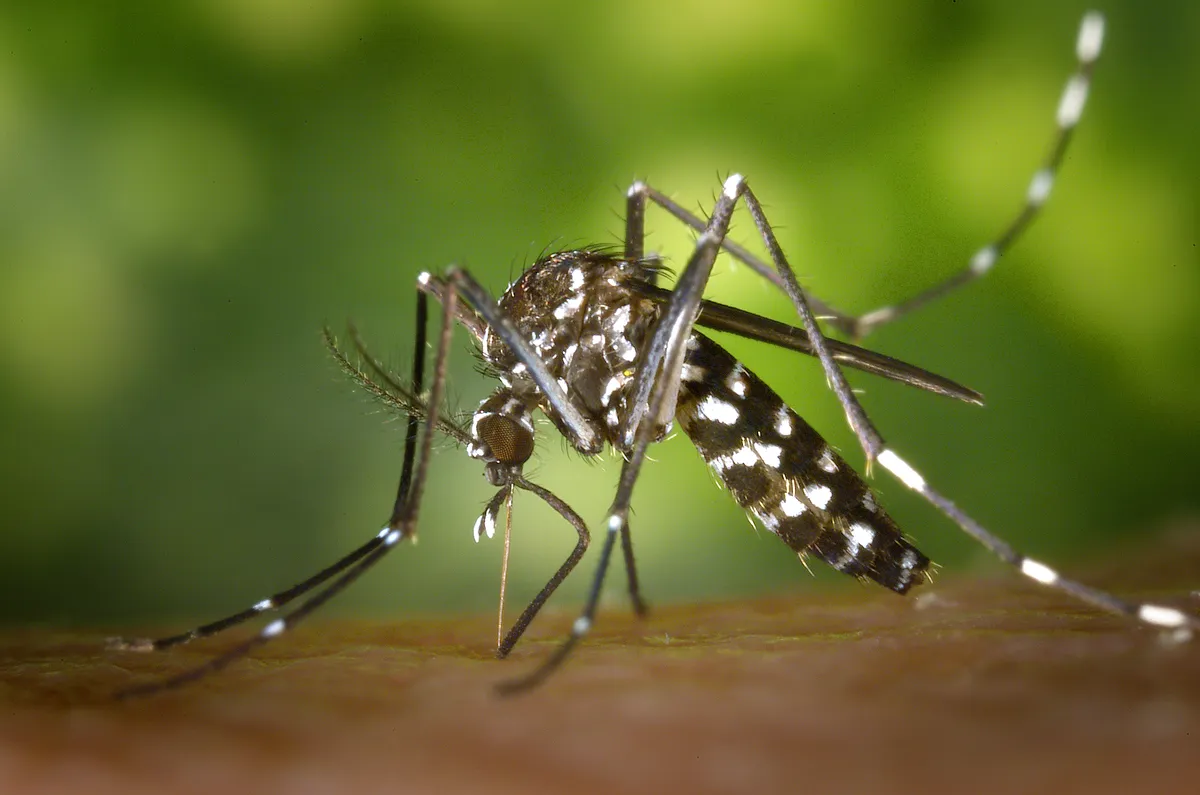
For most people that means 20% picaridin or 20% to 30% DEET. UC IPM's Pest Note on mosquitoes calls DEET the most effective repellent for long periods where mosquitoes are abundant and names DEET and picaridin as the two conventional repellents most used against them. The American Mosquito Control Association (AMCA) calls DEET the standard other repellents are judged by, and says studies have shown picaridin to be as repellent to mosquitoes as DEET; it describes picaridin as odorless and pleasant to wear, and says it does not damage plastics the way DEET can. Oil of lemon eucalyptus is the plant-derived choice with protection hours from the AAP behind it, covered below.
How do DEET, picaridin, lemon eucalyptus and IR3535 compare?
They differ in who can use them, how long they have been on the market and how long they last. The table pulls the CDC, EPA and AMCA guidance together; the next section gives the hours by strength.
| Active ingredient | Who can use it | Good to know |
|---|---|---|
| DEET | Children with no age restriction (EPA, CDC); the AMCA says family members older than 2 months can use up to 30% | Registered for public use since 1957 (EPA); the AMCA's benchmark repellent |
| Picaridin | Children with no age restriction (CDC) | Called icaridin outside the US; sold in the US since 2005 (NPIC); odorless and easy on plastics (AMCA) |
| Oil of lemon eucalyptus (OLE) | Not under age 3 (CDC), though EPA says certain OLE-only products at 30% or less carry no under-3 limit | Buy the registered repellent; CDC does not recommend the essential oil |
| PMD | Not under age 3 (CDC) | The synthesized version of OLE (CDC Yellow Book) |
| IR3535 | Children with no age restriction (CDC) | One IR3535 product averaged about 23 minutes of complete protection in a 2002 lab study |
| 2-undecanone | Children with no age restriction (CDC) | EPA lists a single registered product |
| Permethrin | Clothing and gear only, never skin (CDC) | Kills or repels mosquitoes and lasts through multiple washings (CDC) |
Ages from CDC, the CDC Yellow Book, EPA and the AMCA; product facts from CDC, EPA, NPIC, the AMCA and a 2002 New England Journal of Medicine study, each linked on this page.
EPA's list of active ingredients in registered skin-applied repellents is a little longer than CDC's: it also includes catnip oil and oil of citronella, each in only a few products. CDC's recommendation names the six skin repellents in the table, so those are the ones to look for on a label.
How long does mosquito repellent last, and does a higher percentage help?
A higher percentage buys more hours, up to a point. The CDC Yellow Book says higher concentrations protect longer whatever the active ingredient, that products with less than 10% active ingredient might protect for only 1 to 2 hours, and that DEET's effect peaks at about 50%. The American Academy of Pediatrics (AAP) also says DEET above 50% adds no time, and gives these typical figures:
| Product | Typical protection | Source |
|---|---|---|
| DEET 10% | About 2 hours | AAP |
| DEET 30% | About 5 hours | AAP |
| DEET above 50% | No longer than about 50% | AAP, CDC Yellow Book |
| Picaridin 5% | 3 to 4 hours | AAP |
| Picaridin 20% | 8 to 12 hours | AAP |
| Oil of lemon eucalyptus 8% to 10% | Up to 2 hours | AAP |
| Oil of lemon eucalyptus 30% to 40% | About 6 hours | AAP |
| Any active ingredient under 10% | Often 1 to 2 hours | CDC Yellow Book |
Typical times, not promises. EPA's DEET page gives 2 to 12 hours against mosquitoes and 2 to 10 hours against ticks, depending on the percentage.
A 2002 New England Journal of Medicine study shows how wide the gaps between products can be. In a laboratory test with 15 volunteers, a 23.8% DEET product gave an average of 301.5 minutes (about 5 hours) of complete protection, a soybean-oil product 94.6 minutes and an IR3535 product 22.9 minutes, while the other botanical products averaged under 20 minutes. Repellent wristbands gave no protection at all.
Two EPA tools show the hours for a specific product. The repellency awareness graphic is a voluntary label symbol giving typical protection times against mosquitoes, ticks or both, and EPA says products that carry it have had an extra review. EPA's repellent search tool filters registered skin-applied products by insect, protection time and active ingredient, though EPA notes its database was last updated in June 2019, so a newer product may not appear.
Picaridin vs DEET: which should you buy?
Either one works; choose by how long you will be out and how the product feels. Both are on CDC's list, and the Yellow Book says both can be used on children without age restriction. By the AAP's figures, 20% picaridin lasts longer (8 to 12 hours) than 30% DEET (about 5 hours). DEET has the longer record: EPA's DEET page says it was registered for public use in 1957 and that products for skin contain 5% to 99%, while the National Pesticide Information Center (NPIC) says picaridin has been available in the US only since 2005.
- Choose picaridin for everyday wear and for children, or if you dislike how DEET feels; the AMCA calls picaridin odorless and pleasant to wear and says it does not damage plastics as DEET can.
- Choose DEET for long stretches where mosquitoes are thick, the case UC IPM singles it out for, and in tick country, where the AMCA advises a product of at least 20%.
- Whichever you buy, cover all exposed skin: the AMCA says most apparent DEET failures come from misapplication.
Lab results depend on the test. In a 2017 New Mexico State University study that counted how many yellow fever mosquitoes flew toward a volunteer, the strongest results among the sprays came from a 98% DEET spray and a 30% oil of lemon eucalyptus spray, and a 10% picaridin spray reduced attraction the least of the five sprays tested. That was half the strength of the 20% picaridin products behind the AAP's 8 to 12 hours.
Does oil of lemon eucalyptus work as a natural repellent?
Yes, as a registered repellent, and it is the one plant-derived ingredient the AAP gives protection hours for. UC IPM recommends only the form made into a repellent and notes that the pure oil is not EPA-registered, and the Yellow Book says CDC does not recommend using the unformulated essential oil as a repellent because it has not had validated testing for safety and efficacy. The AAP gives about 6 hours of protection for 30% to 40% OLE, and in the New Mexico State study a 30% OLE spray was among the most effective products at keeping mosquitoes from flying toward a volunteer.
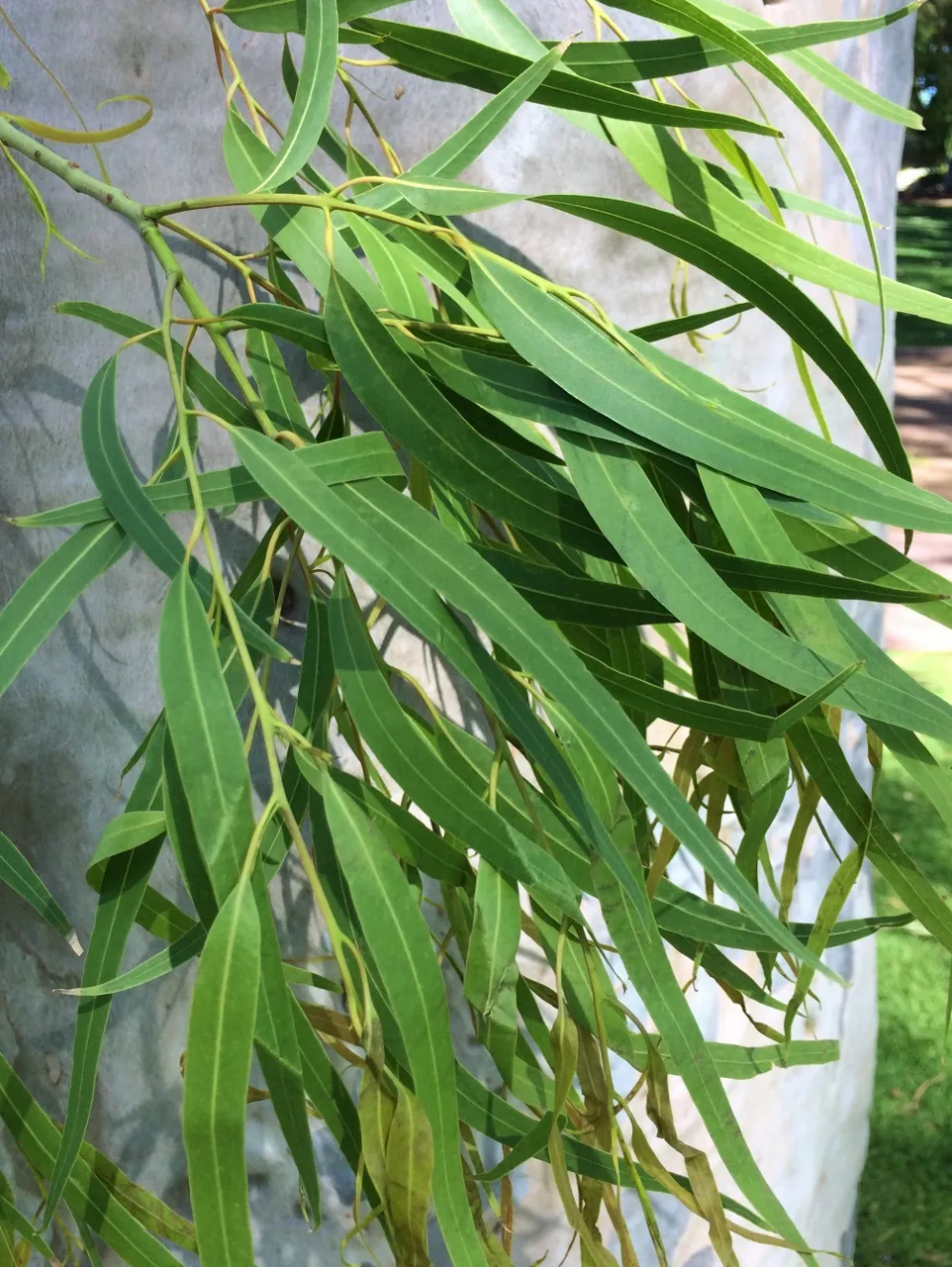
Mind the age rule. CDC says not to use OLE or PMD on children under 3, and the Yellow Book gives the reason as avoiding potential allergic skin reactions. EPA's guide to using repellents safely and effectively adds that certain products whose only active ingredient is OLE, at 30% or less, carry no under-3 restriction, so the label on the bottle decides. PMD is the synthesized version of OLE, the Yellow Book says, and EPA regulates OLE as a separate ingredient.
Which mosquito repellent is best for kids and babies?
For children, choose DEET, picaridin, IR3535 or 2-undecanone, the four the Yellow Book says can be used without age restriction. EPA says DEET is approved for children with no restriction on age or on the percentage in the product. The AMCA says family members older than 2 months can use DEET repellents of up to 30%, and the AAP says to apply DEET sparingly and that parents of newborns and premature infants should be especially cautious about DEET or other chemicals on a baby's skin.
- Apply it for them. CDC says to put repellent on your own hands and then apply it to a child's face, and to keep it off a child's hands, eyes, mouth, cuts and irritated skin.
- Outside clothing only. The AAP says to apply repellent to the outside of a child's clothing and to exposed skin, never under clothing.
- Skip combination sunscreen-repellent products. The AAP says sunscreen needs reapplying every 2 hours in the sun and after swimming or sweating, which could expose a child to too much repellent.
- No OLE or PMD under 3, unless the label of an OLE-only product at 30% or less says otherwise (CDC, EPA).
- Babies: CDC advises clothing that covers arms and legs, and mosquito netting over strollers and baby carriers.
- Questions about a product and a child? EPA points parents to the National Pesticide Information Center at 1-800-858-7378.
Should you treat clothing with permethrin?
Yes, if you spend long hours outdoors, but treat only the fabric. CDC says permethrin is an insecticide that kills or repels mosquitoes, that treated clothing keeps protecting after multiple washings, and that permethrin products should never go directly on skin. The Yellow Book says clothing treated at 0.5% repels and kills ticks, chiggers, mosquitoes and other arthropods, and that clothing bought pretreated is labeled to last through many launderings.
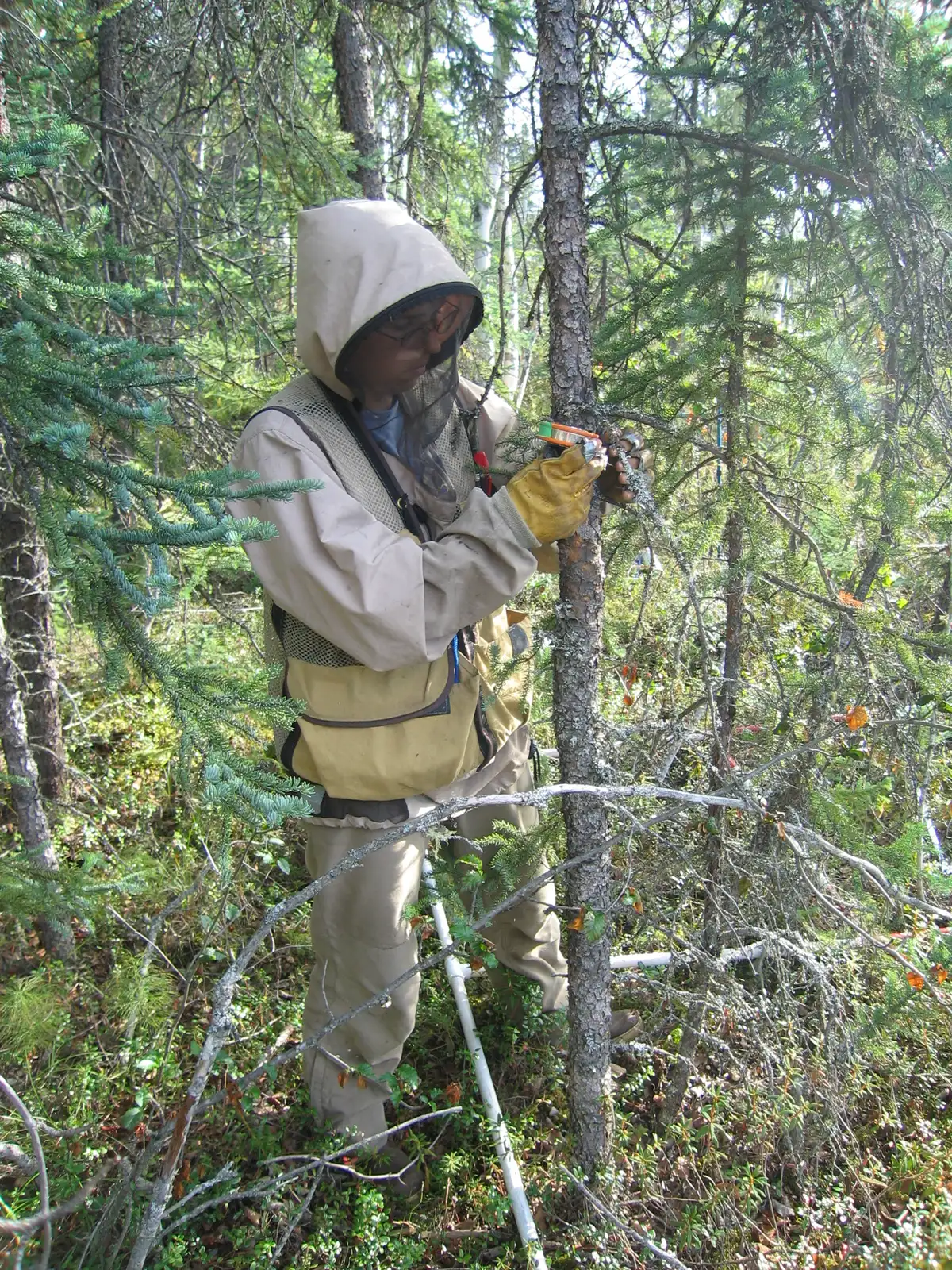
EPA's page on repellent-treated clothing says it first registered factory-treated permethrin clothing for consumers in 2003, that small amounts of permethrin come off in the wash, and that available data show it is poorly absorbed through the skin; the label says to wash treated clothes separately. EPA also advises a repellent labeled for skin on the parts of the body the clothing leaves exposed. NPIC's permethrin fact sheet adds that cats are more sensitive to permethrin than dogs or people and that it is highly toxic to fish and bees, so treat clothes away from cats and ponds. For ticks on boots and packs, see what kills ticks.
How do you apply mosquito repellent so it works?
Cover every bit of exposed skin, follow the label and reapply on its schedule. The steps below come from EPA's safe-use guide, CDC and the Yellow Book.
- Read the label for the insects it covers, how long it lasts and how often you may reapply.
- If you wear sunscreen, put it on first and the repellent second, as CDC advises. The Yellow Book notes limited data showing that DEET applied over sunscreen cuts the sunscreen's SPF by one-third.
- Apply repellent to exposed skin and clothing only, never under clothing and never over cuts, wounds or irritated skin (EPA).
- Spray your hands and rub the repellent onto your face, keeping it away from your eyes and mouth and using it sparingly around your ears (EPA).
- Do not spray in enclosed areas, and avoid breathing the spray (EPA).
- Use the amount the label calls for; EPA says not to overuse a product. If you start getting bitten, reapply, but not more often than the label allows (CDC Yellow Book).
- Back indoors, wash treated skin and clothes with soap and water (EPA).
Clothing does part of the job too. UC IPM says some mosquitoes bite through lightweight clothing, so a thin shirt is not a shield, and which colors attract mosquitoes is worth a look before you dress for an evening outdoors.
Do natural repellents, bracelets and ultrasonic devices work?
Mostly not, and the plant oils that help work only briefly. EPA says products made only of minimum-risk ingredients, such as citronella, cedar, geranium and peppermint oils and soybean oil, are exempt from registration and have not been evaluated for effectiveness, and CDC says the effectiveness of non-registered natural repellents is unknown. The AAP says most natural repellents keep insects away for only a short time and may be good if there is no concern about getting a serious insect-borne illness.
- Wristbands and bracelets. The Yellow Book calls repellent-impregnated wristbands ineffective. They gave no protection in the 2002 NEJM study, and none of the three repellent bracelets in the 2017 New Mexico State study measurably reduced mosquito attraction.
- Ultrasonic and sound devices. The Yellow Book lists sound-emitting devices as ineffective, the AMCA says such devices just do not work, and a sonic repeller in the 2017 study had no measurable effect.
- Vitamin B and garlic. Taking either does not keep mosquitoes off, the Yellow Book says.
- Citronella candles. The AMCA says they have a mild repellent effect but give little more protection than other candles that make smoke; the citronella candle in the 2017 study had no measurable effect.
- Clip-on and patio devices. These release an insecticide with repellent action, such as metofluthrin or allethrin, into the air. A metofluthrin clip-on was the only wearable device in the 2017 study that reduced attraction, but the Yellow Book says spatial repellents have not been adequately evaluated for preventing disease and should be used alongside an EPA-registered repellent on skin or clothing.

Fans, screens and timing cut bites without anything on your skin; ways to keep mosquitoes away from you and your patio covers them, and the bug zapper buying guide explains why a zapper is not one of them.
What will mosquito repellent not do?
- Shrink the mosquito population in your yard. Repellent keeps mosquitoes off treated skin; the ones breeding nearby keep coming. How to get rid of mosquitoes starts with the standing water they breed in, and a full backyard mosquito control plan covers the rest.
- Protect skin you skipped or skin under thin clothing. EPA says to apply it to exposed skin and clothing, not under clothing, and UC IPM says some mosquitoes bite through lightweight clothing; permethrin-treated clothing covers that gap.
- Change why mosquitoes pick you. Some people draw more bites than others, and what attracts mosquitoes to you explains the reasons; repellent only covers you for the hours it lasts.
- Work on pets. Products made for people are labeled for people; whether mosquitoes bite dogs, and what to use on one, is covered separately.
When should you call Poison Control, a doctor or a professional?
- A reaction to a repellent. Wash the treated skin with soap and water, as EPA advises after any use, and contact Poison Control at 1-800-222-1222 or through its online tool, which the National Capital Poison Center describes as free, expert and confidential. Have the product label with you.
- Fever, headache, body aches, vomiting, diarrhea or a rash after mosquito bites. CDC says West Nile virus is the leading cause of mosquito-borne disease in the contiguous United States; most people infected have no symptoms, but it can cause these, and CDC says to talk to a healthcare provider if you think you or a loved one might have it.
- More mosquitoes at home than repellent can handle. CDC's steps for mosquito control at home include hiring a pest control professional to treat areas inside your home, and the AMCA points to organized community-wide mosquito control programs, so ask whether your city or county runs one.
Not sure a mosquito was the culprit? The bug bite identifier walks through the clues, and mosquito bite relief covers the itch.
This guide is general educational information, not medical advice. If you have symptoms or concerns after a bite or exposure, contact a healthcare provider.
Use any pesticide exactly as its label directs. The label is the law, and what is registered and sold varies by state.
Frequently Asked Questions
What is the most effective mosquito repellent?+
DEET has the longest record, and UC IPM calls it the most effective repellent for long periods where mosquitoes are abundant. Picaridin is the main alternative: the American Mosquito Control Association says studies have shown it to be as repellent to mosquitoes as DEET, and the American Academy of Pediatrics puts 20% picaridin at 8 to 12 hours, against about 5 hours for 30% DEET. Whichever you choose, pick a product with an EPA registration number and one of the six active ingredients CDC lists, and apply it as the label directs.
Is picaridin better than DEET?+
Neither is better for everyone. Both are on CDC's list of recommended active ingredients, and the CDC Yellow Book says both can be used on children without age restriction. The American Mosquito Control Association describes picaridin as odorless and says it does not damage plastics the way DEET can, and the American Academy of Pediatrics gives 20% picaridin 8 to 12 hours of protection. DEET has been registered for public use since 1957, and UC IPM singles it out for long periods where mosquitoes are abundant.
Is a higher percentage of DEET better?+
Only up to about 50%. The CDC Yellow Book says DEET's effectiveness peaks at a concentration of about 50% and that stronger products do not add a marked increase in protection time against mosquitoes, and the American Academy of Pediatrics says the same. Below that, strength does matter: the AAP puts 10% DEET at about 2 hours and 30% DEET at about 5 hours, and EPA's DEET page gives 2 to 12 hours against mosquitoes depending on the percentage. Most people do well with 20% to 30% and reapplying as the label directs.
What mosquito repellent can you use on kids?+
The CDC Yellow Book says repellents containing DEET, picaridin, IR3535 or 2-undecanone can be used on children without age restriction. CDC says not to use oil of lemon eucalyptus or PMD on children under 3, and EPA notes that certain products whose only active ingredient is OLE at 30% or less carry no under-3 limit, so read the label. Put repellent on your own hands and then apply it to the child's face, keep it off the child's hands, eyes, mouth, cuts and irritated skin, and skip combination sunscreen-repellent products, which the American Academy of Pediatrics advises against.
Can you put mosquito repellent on a baby?+
Start with clothing and netting. CDC's advice for babies is clothing that covers arms and legs and mosquito netting over strollers and baby carriers. The American Academy of Pediatrics says parents of newborns and premature infants should be especially cautious about putting DEET or other chemicals on a baby's skin, and the American Mosquito Control Association says family members older than 2 months can use DEET repellents of up to 30%. Do not use PMD on children under 3, or oil of lemon eucalyptus unless the label of an OLE-only product at 30% or less allows it.
Does oil of lemon eucalyptus work as well as DEET?+
At full strength it comes close. The American Academy of Pediatrics gives about 6 hours of protection for products with 30% to 40% oil of lemon eucalyptus, against about 5 hours for 30% DEET. In a 2017 New Mexico State University study, a 30% oil of lemon eucalyptus spray and a 98% DEET spray gave the strongest results among the sprays tested. Use the EPA-registered repellent, not the essential oil, which CDC does not recommend, and follow the under-3 age limit on the label.
Do mosquito repellent bracelets work?+
No. The CDC Yellow Book lists repellent-impregnated wristbands among products that are ineffective. In a 2002 New England Journal of Medicine laboratory study, repellent wristbands offered no protection, and in a 2017 New Mexico State University study none of three repellent bracelets measurably reduced the number of mosquitoes drawn to a volunteer. The American Academy of Pediatrics also lists wristbands soaked in chemical repellents among products not proven to work. A registered repellent on all exposed skin is the alternative.
Should you put on sunscreen or bug spray first?+
Sunscreen first, then repellent, as CDC advises. The CDC Yellow Book says repellents applied according to the label can be used with sunscreen without losing repellent activity, but notes limited data showing that DEET applied over sunscreen lowers the sunscreen's SPF by one-third. Avoid combination sunscreen-repellent products: the American Academy of Pediatrics notes that sunscreen needs reapplying every 2 hours in the sun and after swimming or sweating, which could mean applying too much repellent.
How often should you reapply mosquito repellent?+
As often as the label says, and no more. CDC says to reapply repellent as directed, and the CDC Yellow Book adds that if you start getting bitten you should reapply, but not more often than the label allows. Strength sets the schedule: the American Academy of Pediatrics puts 10% DEET at about 2 hours and 20% picaridin at 8 to 12 hours. EPA's repellency awareness graphic, when a product carries it, shows the typical protection hours for mosquitoes and ticks.
Can you use mosquito repellent while pregnant?+
CDC's guidance is that pregnant and breastfeeding women can use EPA-registered insect repellents as the label directs, and the CDC Yellow Book says EPA recommends no extra precautions for them beyond the usual label directions. EPA's page on permethrin-treated clothing says there is no evidence of reproductive or developmental effects to mother or child following exposure to permethrin. If you have questions about a specific product, ask your healthcare provider or call the National Pesticide Information Center at 1-800-858-7378.
Sources
- Preventing Mosquito Bites (August 28, 2024) — Centers for Disease Control and Prevention
- Mosquitoes, Ticks, and Other Arthropods (CDC Yellow Book 2026; C. R. Connelly and J. E. Gimnig, April 23, 2025) — Centers for Disease Control and Prevention
- Regulation of Skin-Applied Repellents (updated June 25, 2026) — U.S. Environmental Protection Agency
- Skin-Applied Repellent Ingredients (updated January 23, 2026) — U.S. Environmental Protection Agency
- Using Insect Repellents Safely and Effectively (updated November 3, 2026) — U.S. Environmental Protection Agency
- Find the Repellent That Is Right for You (updated September 8, 2026; database last updated June 2019) — U.S. Environmental Protection Agency
- Repellency Awareness Graphic (updated April 9, 2026) — U.S. Environmental Protection Agency
- DEET (updated May 27, 2026) — U.S. Environmental Protection Agency
- Repellent-Treated Clothing (updated February 26, 2026) — U.S. Environmental Protection Agency
- How to Choose an Insect Repellent for Your Child (S. J. Balk, updated June 21, 2024) — American Academy of Pediatrics, HealthyChildren.org
- FAQs — American Mosquito Control Association
- Pest Notes: Mosquitoes (UC ANR Publication 7451; W. E. Walton and B. F. Eldridge, updated April 2020) — University of California Statewide IPM Program
- Picaridin General Fact Sheet (reviewed December 2009) — National Pesticide Information Center (Oregon State University and EPA)
- Permethrin General Fact Sheet (reviewed July 2009) — National Pesticide Information Center (Oregon State University and EPA)
- Comparative Efficacy of Insect Repellents against Mosquito Bites (M. S. Fradin and J. F. Day, New England Journal of Medicine 347(1):13-18, 2002; PMID 12097535) — PubMed, U.S. National Library of Medicine
- Efficacy of Some Wearable Devices Compared with Spray-On Insect Repellents for the Yellow Fever Mosquito, Aedes aegypti (S. D. Rodriguez et al., Journal of Insect Science 17(1):24, 2017) — Journal of Insect Science (Oxford Academic)
- About West Nile (updated June 16, 2026) — Centers for Disease Control and Prevention
- Mosquito Control at Home (April 16, 2024) — Centers for Disease Control and Prevention
- Poison Control — National Capital Poison Center
Read and approved by Alex Francisco on November 5, 2026. Found an error? Email support@buzzskito.ca.