
Reviewed by Alex Francisco
Published November 10, 2026 · Fact-checked against the sources listed below
Which bugs get mistaken for head lice?
Booklice and aphids are the bugs that medical and university sources name among suspected lice that turned out to be something else, and specks in the hair cause many of the false alarms. The American Academy of Pediatrics' clinical report on head lice notes that many suspected lice and nits that physicians, nurses, teachers and caregivers sent to a laboratory turned out to be dandruff, hairspray droplets, scabs, dirt or other insects, such as aphids blown in by the wind and caught in the hair. Fleas, bed bugs and bird mites come up for a different reason: Harvard's public health entomology lab named them among the possible causes when people feel infested but no louse can be found.
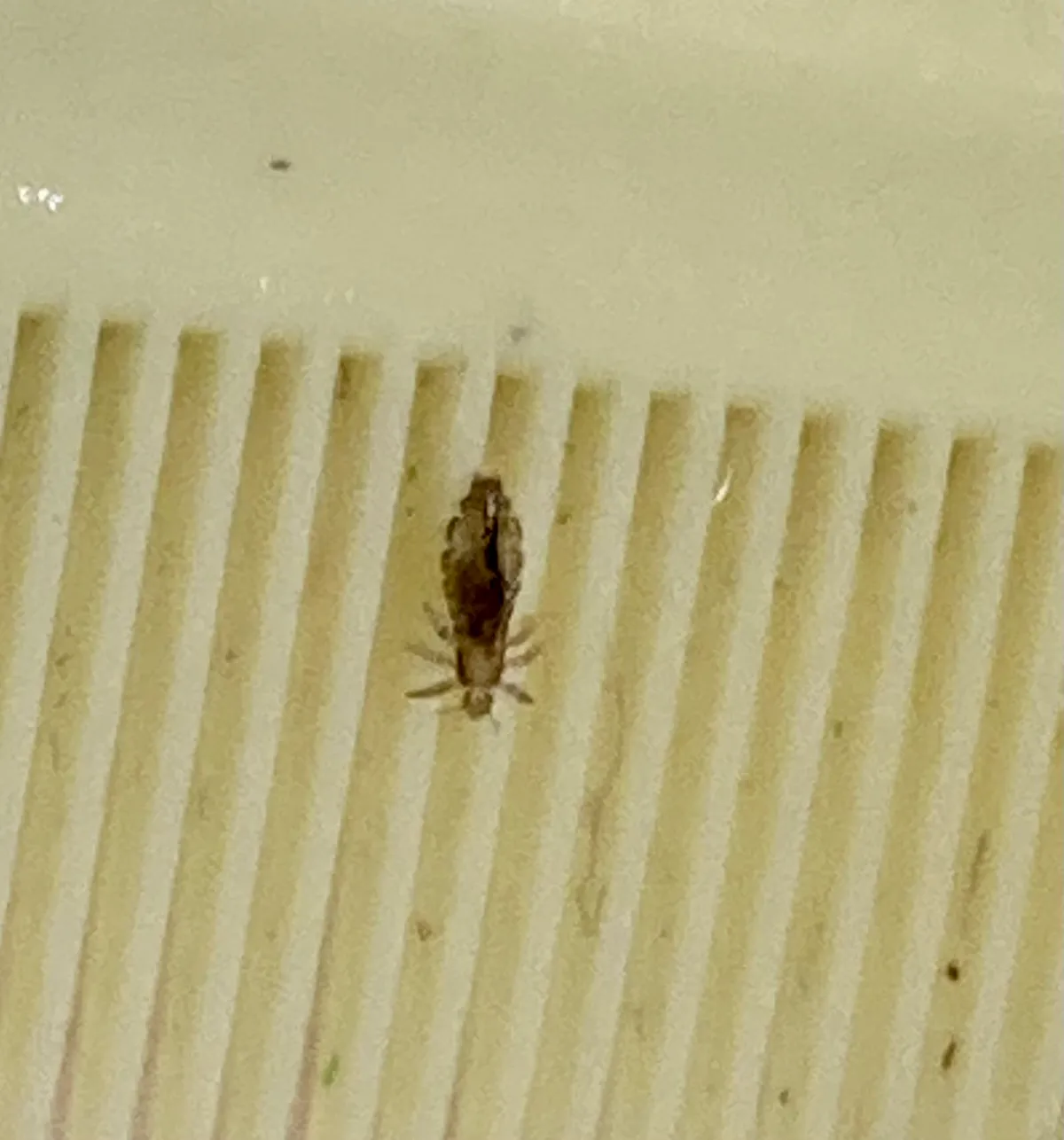
Mistakes are common enough to count. Harvard's lab reported that fewer than two-thirds of the more than 600 samples sent in as presumed lice and nits held any sign of infestation; the rest were other insects or debris that resembled eggs. UGA Extension's guide to head lice for schools sums up a Harvard University study as dandruff, fibers, dirt, scabs, skin cells, knotted hair or other insects being misdiagnosed as head lice 40% of the time, and CDC says misdiagnosis of head lice is common. Where you found the speck narrows the list fastest:
| Where you found it | Most likely | The check |
|---|---|---|
| On hairs close to the scalp | Head lice and their eggs (nits) | Six clawed legs that crawl; nits stay glued to the hair |
| Loose among the hairs | Dandruff, hairspray, dirt, sand or lint | Flicks or combs off; nothing crawls |
| In the hair after time outdoors | An aphid or a sticky seed | Pear shape, maybe wings, two rear tubes; seeds have no legs |
| On books, papers or damp shelves | Booklice | Soft, pale and wingless; lives on mold |
| In mattress seams or the bed frame | Bed bugs | Flat and oval; hides in the bed, not in hair |
| In the seams of clothing | Body lice | Like head lice, but living on clothing |
| On a pet or where it sleeps | Fleas, or the pet's own lice | Fleas jump; pet lice rarely affect people |
| Biting at night near a bird nest | Bird mites | Eight legs, about the size of a period |
Compiled from CDC, the AAP, Harvard's lab, EPA, the Connecticut Agricultural Experiment Station and the extension sources linked in the sections below.
How do you know it's a real head louse?
Watch it move and count its legs. A head louse has six legs, each ending in a claw that grasps the hair shaft, and it crawls but cannot hop, fly or jump, according to UC IPM's head lice guide, which puts adults at 1/12 to 1/8 inch, beige to gray. The AAP's advice for parents warns that live lice are hard to find because they avoid light and move quickly, and suggests a fine-tooth louse or nit comb to search the scalp section by section.
Before you call it lice: six checks
- Does it jump or fly? Then it is not a head louse: CDC says lice move by crawling and cannot hop or fly. A jumper from a pet points to fleas; a speck with wings, to an insect that blew in.
- How many legs? Six legs ending in claws fit a louse. Eight point to a mite, such as a bird mite.
- Where was it? On hairs close to the scalp fits lice. Books, damp shelves, mattress seams, clothing seams or a pet's bed point to the bug that lives there.
- Glued on or loose? The AAP says nits are firmly attached to the hair, while dandruff, dirt and other particles are not.
- Fixed to the skin itself? A louse holds onto hairs. CDC's tick bite prevention page lists in and around the hair among the places to check a child for ticks after time outdoors; how to do a tick check shows what to look for.
- How big? Beside a ruler marked in inches, an adult louse is 1/12 to 1/8 inch. Bird mites and most booklice are smaller, and an adult bed bug is larger.
Close-ups of adult lice, baby lice and nits, and how they look in light and dark hair, are in the photo guide to what lice look like.
Booklice vs head lice: how can you tell them apart?
Booklice live on mold in damp rooms, not on people, so a soft, pale speck on a book, a damp shelf or a box of stored food is far more likely to be a booklouse than a head louse. Penn State Extension's booklice page describes them as 1 to 2 mm (about 1/25 to 1/12 inch), soft-bodied, wingless and flattened, usually light to dark tan, and says they do not bite, are not vectors of disease and do not otherwise affect human health.
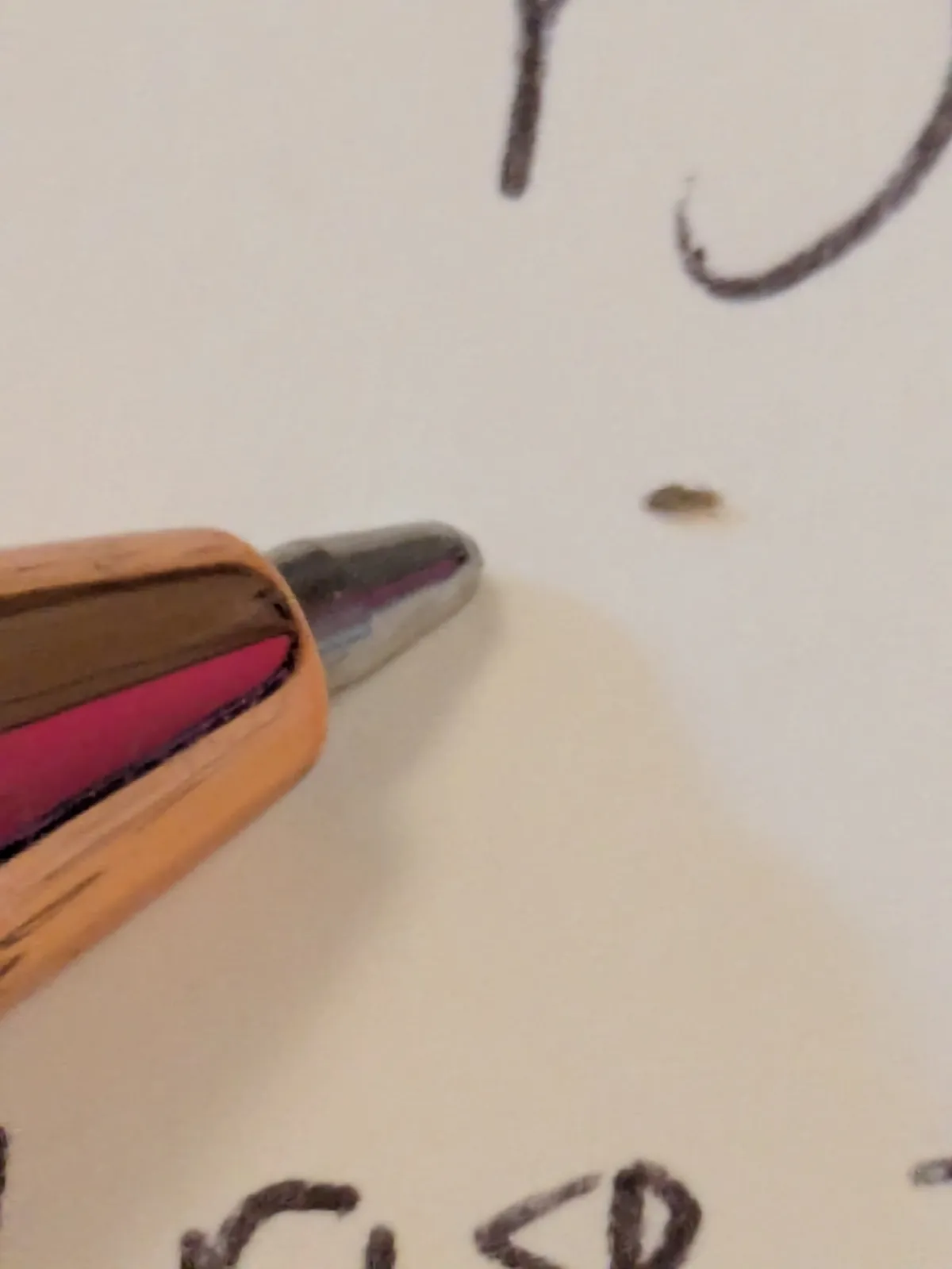
The name misleads. Utah State University Extension says some species resemble lice, but booklice and their relatives are not true lice, which are parasites of animals. Harvard's public health entomology lab, which examined suspected lice sent in by physicians, nurses, teachers and parents, noted that book and bark lice were occasionally submitted as presumed parasites, yet their presence on a person is incidental: they do not parasitize people (Harvard School of Public Health, archived page).
Penn State adds that keeping indoor humidity below 50% prevents the mold they feed on, and that their flat shape gets them confused with bed bugs too. The booklice guide covers where they come from and the moisture fixes.
Could it be an insect that blew in from outdoors?
Yes, and the AAP's clinical report gives an example: aphids blown by the wind and caught in the hair. Washington State University's aphid fact sheet describes aphids as small (1/16 to 1/8 inch), soft-bodied insects that suck sap from plants, green to yellowish, rose or black depending on the species, and says they can come indoors on plants or through open windows.
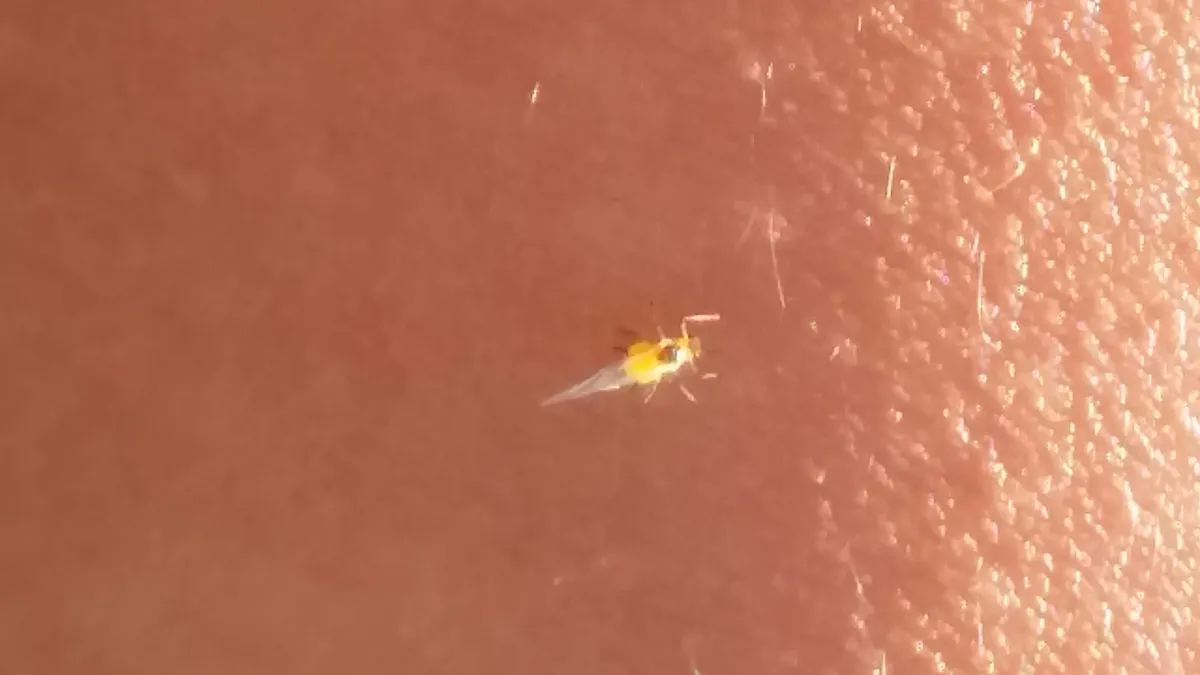
Two features rule out a louse. Most aphid species also occur in winged forms, and most carry a pair of tubes called cornicles sticking out from the rear end, a feature that UC IPM's aphid guide says sets aphids apart from all other insects. The sources here describe aphids only as plant feeders; the aphid control guide covers them on plants.
Seeds hitch rides as well. Harvard's lab noted that many kinds of plant seeds stick to clothing and hair and are commonly called beggar's lice. They have no legs, do not crawl and pull off by hand; the section on lice that are not lice, below, shows some.
Bed bugs vs lice: which one is in the bed?
Bed bugs live in the bed and visit people only to feed, while head lice live on the head. The Connecticut Agricultural Experiment Station's bed bug identification poster says bed bugs do not live on humans but travel to their host from a hiding place to feed, and that they walk rather than jump, fly or hop. It shows lice among the bed bug look-alikes and describes them as long, tear-shaped insects that live on people or in their clothing and cannot live long away from a human host, though they occasionally turn up on the mattresses of heavily infested people.
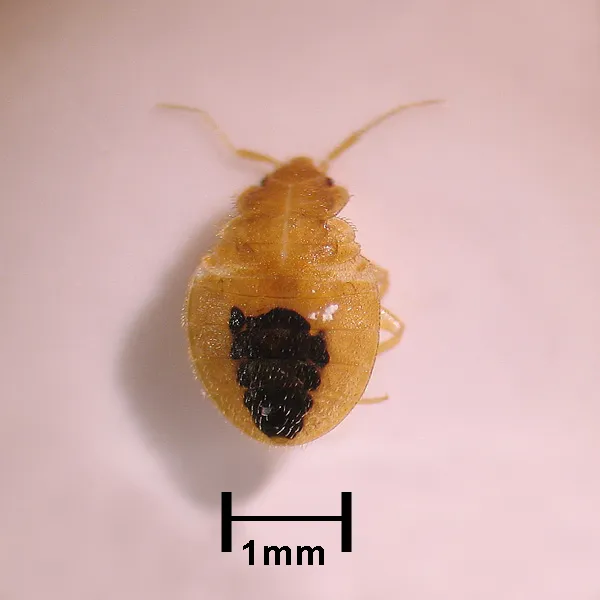
Size overlaps at the small end. EPA's bed bug identification page gives newly hatched nymphs as 1.5 mm and the oldest as 4.5 mm (about 1/16 to 3/16 inch), translucent or whitish-yellow and nearly invisible before they feed; adults are flat, oval and about the size of an apple seed, 3/16 to 1/4 inch long. Baby bed bugs, stage by stage shows each size, and the guide to bugs that look like bed bugs sorts the other bed suspects.
Is it a flea or a louse?
A flea jumps; a head louse cannot. UC IPM's flea guide describes adult fleas as reddish-brown, wingless insects no larger than 1/8 inch, flattened from side to side so they look as if they walk on edge, and says the cat flea attacks both dogs and cats and will also bite people. Flea numbers are highest where pets sleep, and UC IPM's check is to walk through those spots in white socks pulled up to the knee.
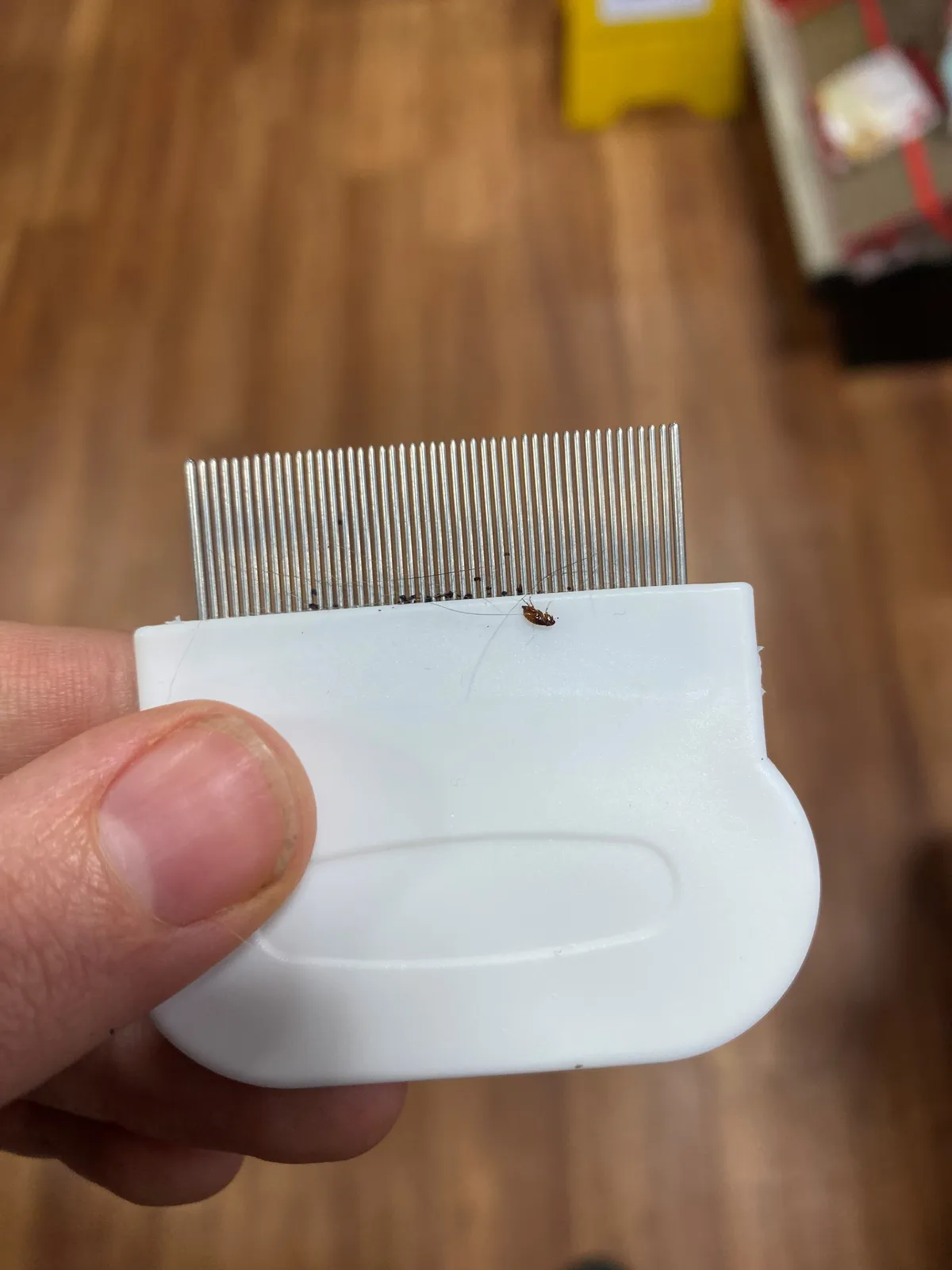
Fleas also bite and leave. Writing about people who feel infested when no louse can be found, Harvard's lab noted that insects such as mosquitoes, fleas and bed bugs may visit a person only briefly and may or may not be noticed biting. Whether fleas can live in human hair has its own answer, flea bites on people shows the bites, and the flea look-alike guide sorts the bugs mistaken for fleas.
Can kids get lice from the dog or cat?
No. CDC says animals do not get or spread head lice, and UC IPM says head lice cannot live on family pets. Dogs, cats and birds carry lice of their own, but Harvard's lab noted that the many kinds of lice on mammals and birds rarely affect people, and that pets play no part in keeping or spreading human lice and should not be treated for head lice.
What bites at night after birds nest on the house?
Bird mites are a likely suspect. Harvard's lab, writing about people who feel infested when no louse can be found, noted that mites from bird nests occasionally wander into houses. Washington State University's bird mite fact sheet says they become pests indoors when starlings, pigeons, sparrows or other birds nest in the eaves, attic or chimney, and that bites usually come at night as small, itchy or painful pimple-like bumps.
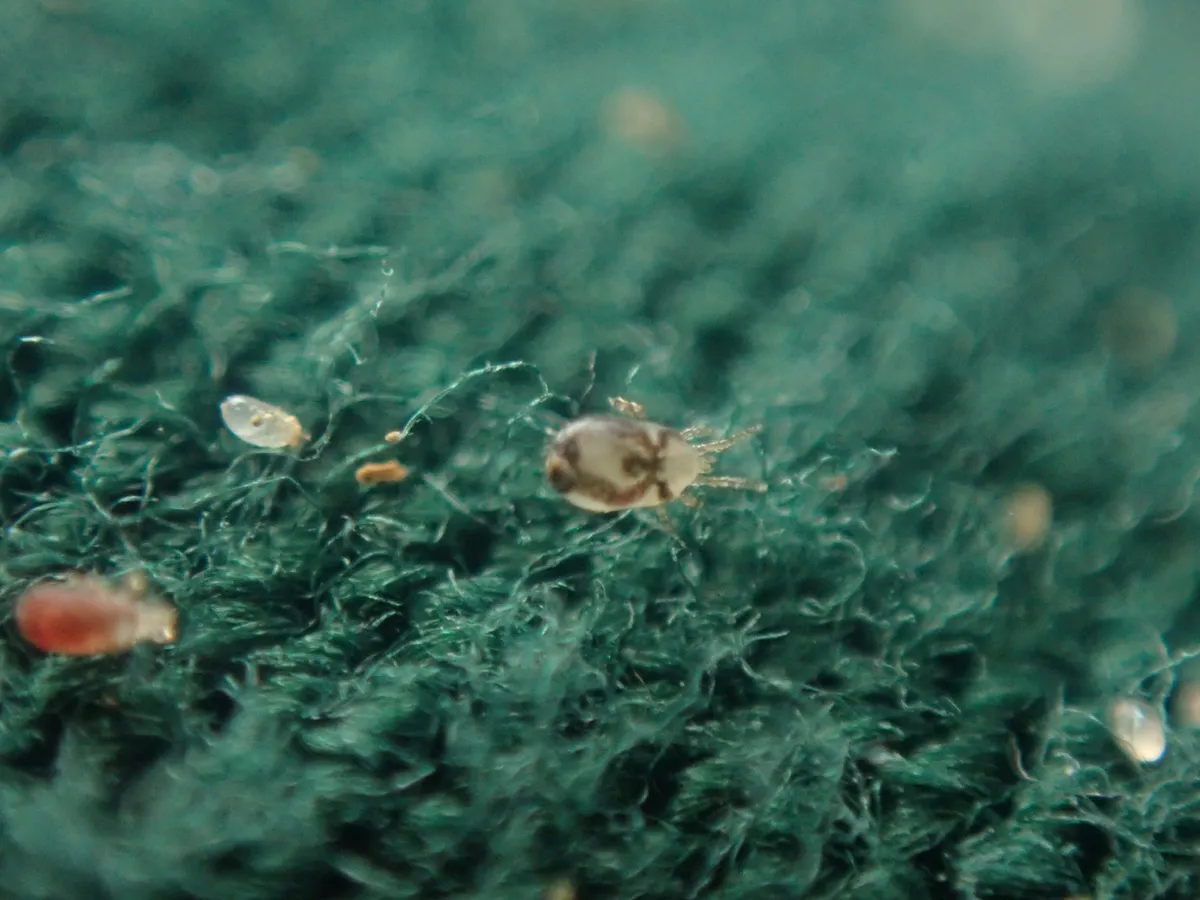
Size and movement separate them from lice. The University of Kentucky's guide to mystery bites describes bird and rodent mites as dark, slow-moving specks about the size of a period that cannot jump or fly, and WSU says bird mites cannot survive and reproduce on human blood, so they die off or leave without birds. WSU advises removing abandoned nests promptly, songbird nests only after the young have left because songbirds are protected by federal law, and vacuuming up wandering mites. Mite bites compares their bites with other mites'; see a healthcare provider about bites that worry you.
Could it be body lice or crab lice instead?
It could, but each kind lives somewhere else. Body lice are close relatives of head lice, Harvard's lab noted, but CDC's body lice page says they live and lay eggs on clothing and bedding, and are found by spotting eggs and crawling lice in the seams of clothing.
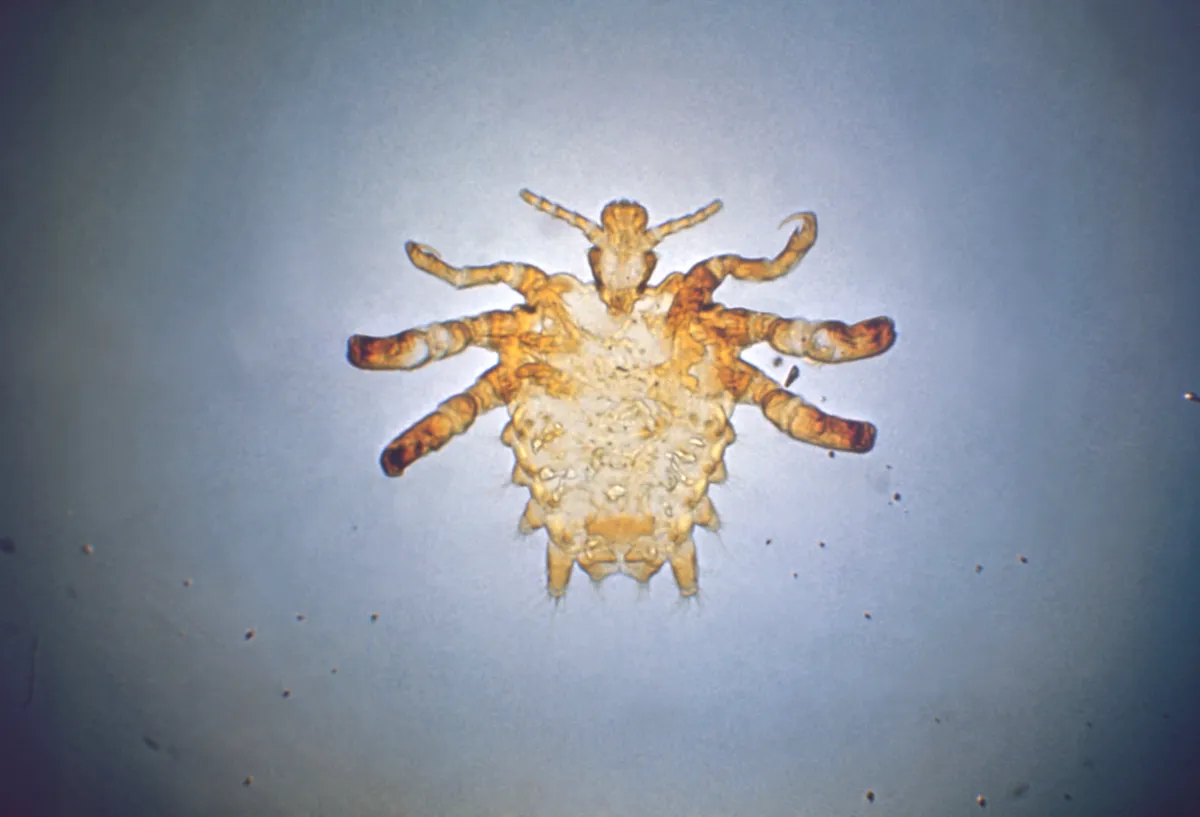
Pubic lice, also called crab lice, live mainly in pubic hair, CDC's pubic lice page says, and lice found on the head are generally head lice, not pubic lice. What lice look like compares the three kinds side by side, with their sizes and which one spreads disease.
Are booklice, plant lice and beggar's lice real lice?
No. Harvard's lab noted that book, bark, beggar's and sea lice are quite unrelated to the lice that bite people, and beggar's lice are not even animals:
| Called | What it really is | Lives on people? |
|---|---|---|
| Book lice and bark lice | Small insects of damp paper, leaf litter and tree bark | No; they do not parasitize people |
| Plant lice | A name for some insects related to aphids | No |
| Beggar's lice | Plant seeds that stick to clothing and hair | No; seeds have no legs |
| Sea lice | Parasites of fish; the name is often misapplied to seabather's eruption, a seasonal skin condition in sea bathers that appears to come from stinging cells of certain jellyfish | No |
| Dog, cat and bird lice | True lice of animals | Rarely; pets do not spread head lice |
From the Harvard School of Public Health's archived head lice page; the pet row also rests on CDC.
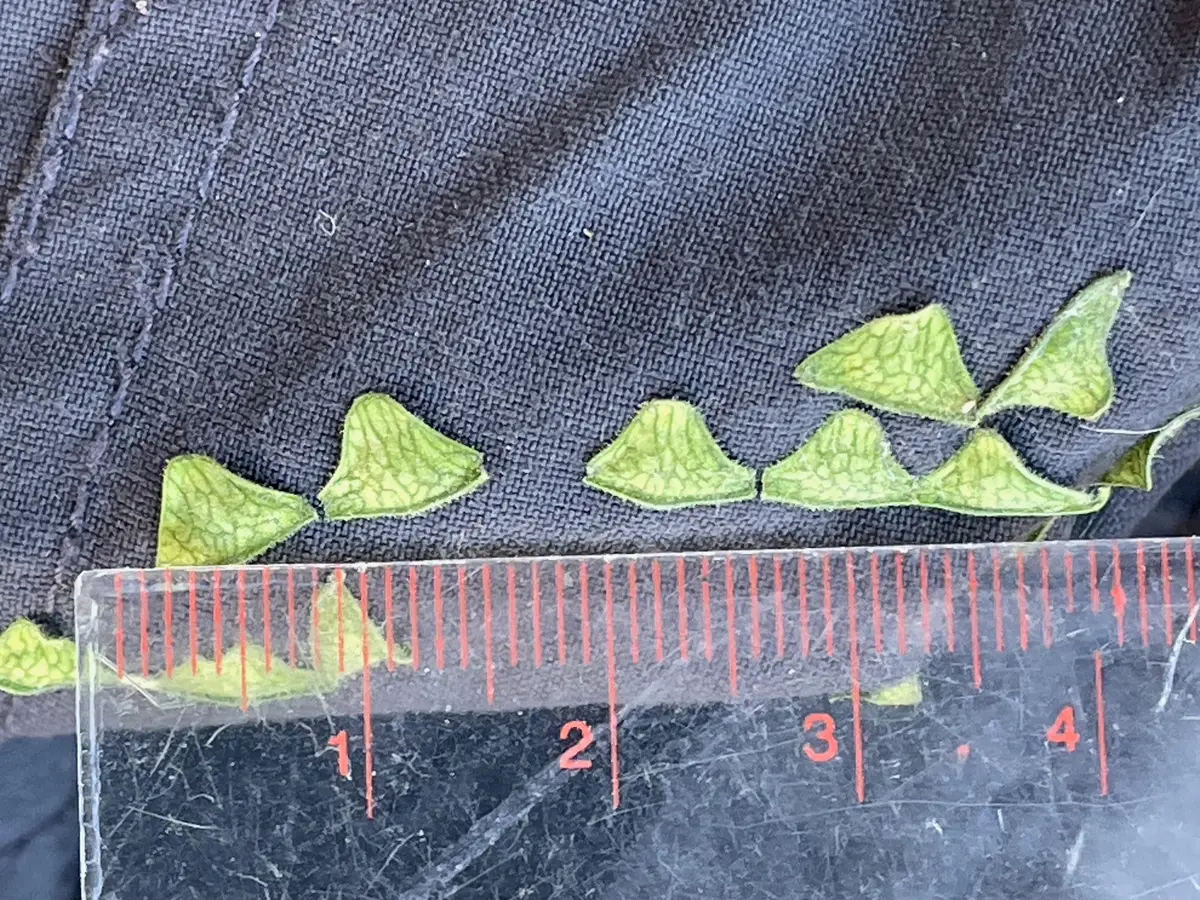
What specks in hair look like lice but aren't bugs?
Dandruff, hairspray droplets and dirt are often confused with lice eggs, CDC's head lice overview says, and the AAP's report adds hair casts (pseudonits) and other hair debris; unlike a nit, none of them is firmly fixed to the hair. What lice eggs look like shows nits beside dandruff and a hair cast, and how to tell live nits from hatched ones.
Which of these bugs bite people?
Fleas, bed bugs, bird mites and all three kinds of human lice feed on people. Booklice do not bite, and the sources here describe aphids only as plant feeders.
| Suspect | Bites people? | What to expect |
|---|---|---|
| Head louse | Yes | Itching is the most common symptom; head lice do not spread disease (CDC) |
| Body louse | Yes | Itching, rash and bites; body lice can spread disease (CDC) |
| Crab louse | Yes | Itching in the genital area (CDC) |
| Cat flea | Yes | A small red spot inside a red halo, usually without much swelling (UC IPM) |
| Bed bug | Yes | Feeds, then goes back to its hiding place (Connecticut poster) |
| Bird mite | Yes | Itchy or painful pimple-like bumps, usually at night (WSU) |
| Booklouse | No | Does not bite or affect human health (Penn State) |
| Aphid | Not described | Feeds on plant sap (WSU) |
From CDC, UC IPM, the Connecticut Agricultural Experiment Station, WSU and Penn State Extension, linked in the sections above.
Bug bites are hard to diagnose, even for physicians, the University of Kentucky notes, so catch the bug if you can, and see a healthcare provider about any bite or rash that worries you. The bug bite identification chart compares bites by pattern, place on the body and timing.
How do you confirm it's lice before treating?
Find a live louse. CDC calls a live nymph or adult louse on the scalp or in the hair the best way to diagnose head lice, and the AAP says head lice medicine should be used only when it is certain the child has living head lice. UC IPM calls wet combing the best way to inspect a head.
- Light and water. Wet the hair, seat the person under a bright light and part the hair into sections, as the American Academy of Dermatology describes.
- Comb from the scalp out. Work section by section with a fine-toothed louse or nit comb, looking closely behind the ears and at the back of the neck, where CDC says nits are often seen.
- Magnify what you catch. CDC says a magnifying lens may help find crawling lice or nits; look for six legs with claws, no wings, and eggs glued to single hairs.
- Keep a sample. Harvard's lab asked for suspected lice and eggs under clear tape so they could be identified; for a mystery bug found away from the head, the University of Kentucky prefers a small crush-proof container to tape.
- Ask when unsure. CDC says to see your healthcare provider if you are not sure it is head lice.
What else it could be
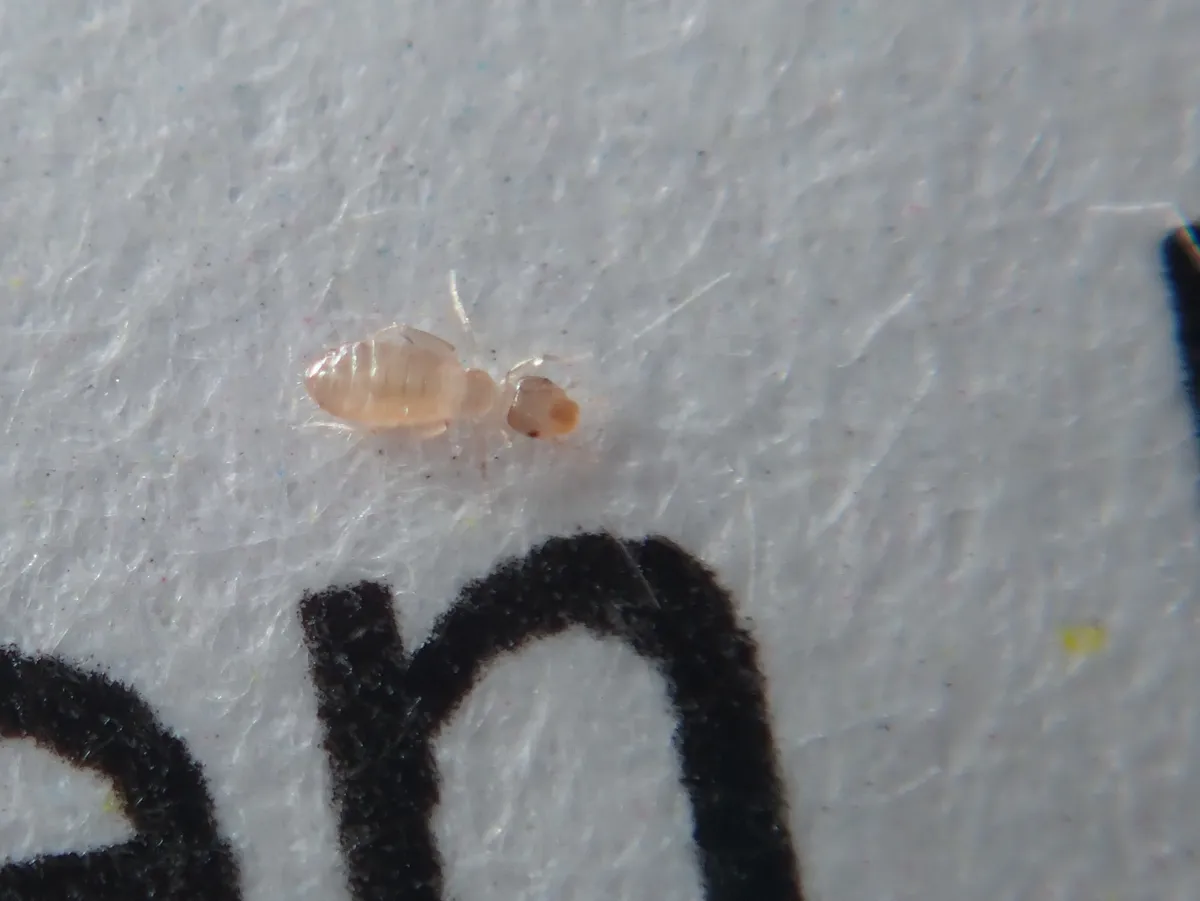 BooklouseSoft, pale and wingless; lives on damp paper and books, does not bite
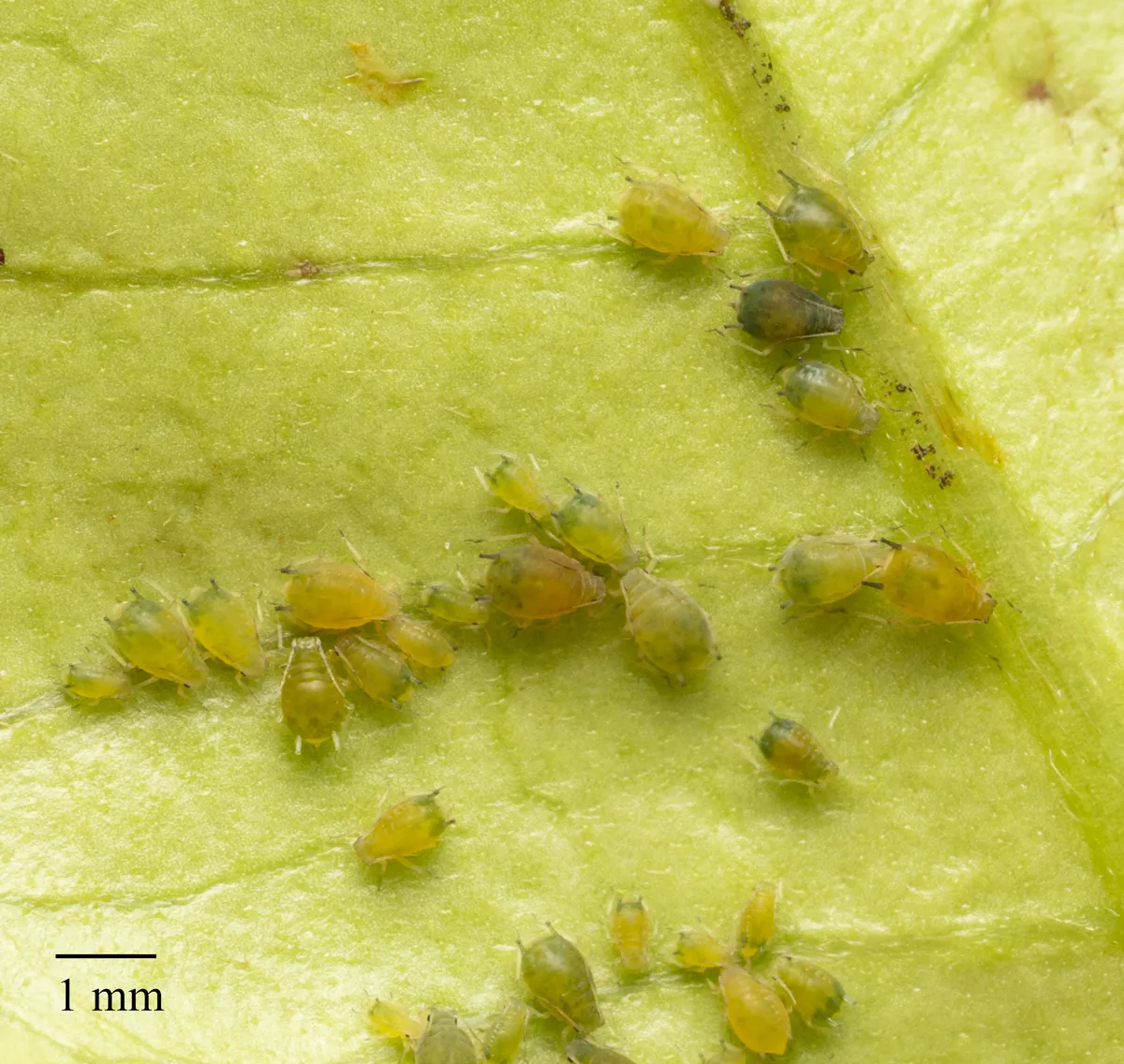 AphidPear-shaped plant feeder that may have wings; most have two tubes at the rear
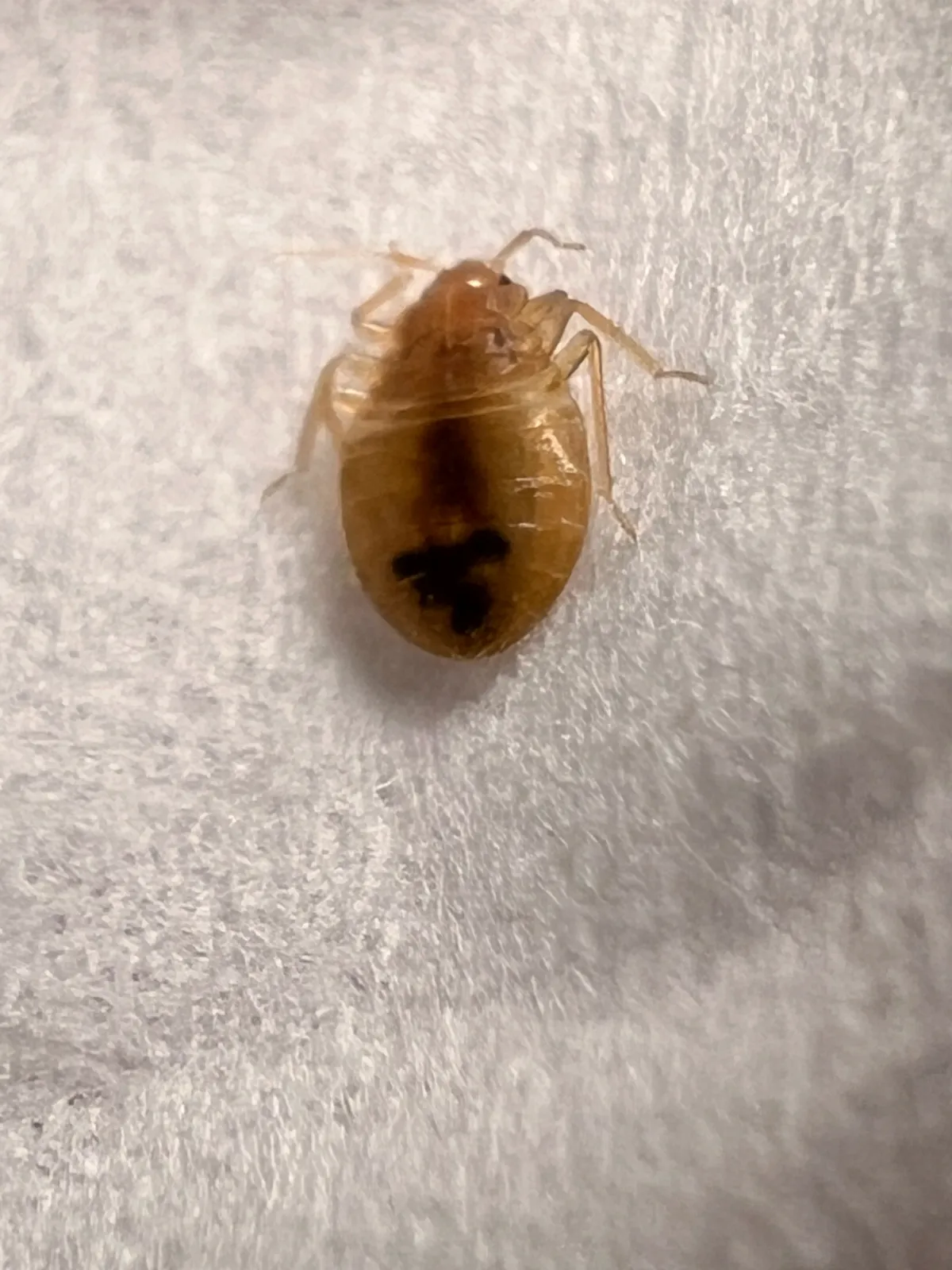 Bed bug nymphBroad, flat and oval; hides in the bed and leaves the body after feeding
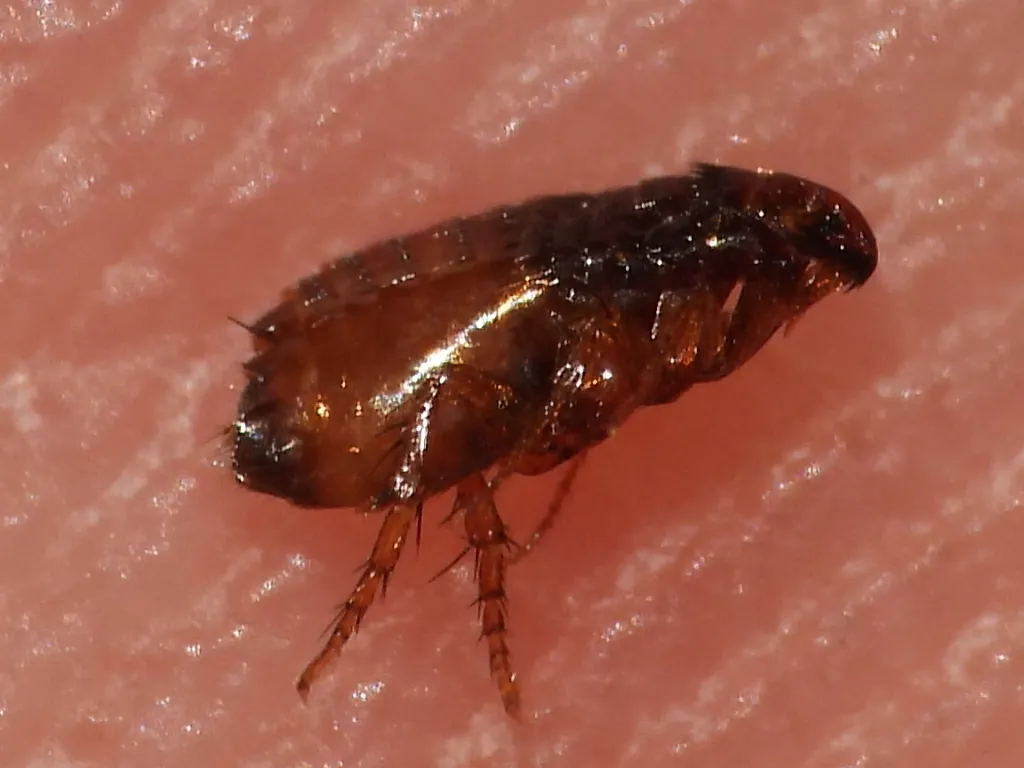 Cat fleaFlattened from side to side and jumps; head lice only crawl
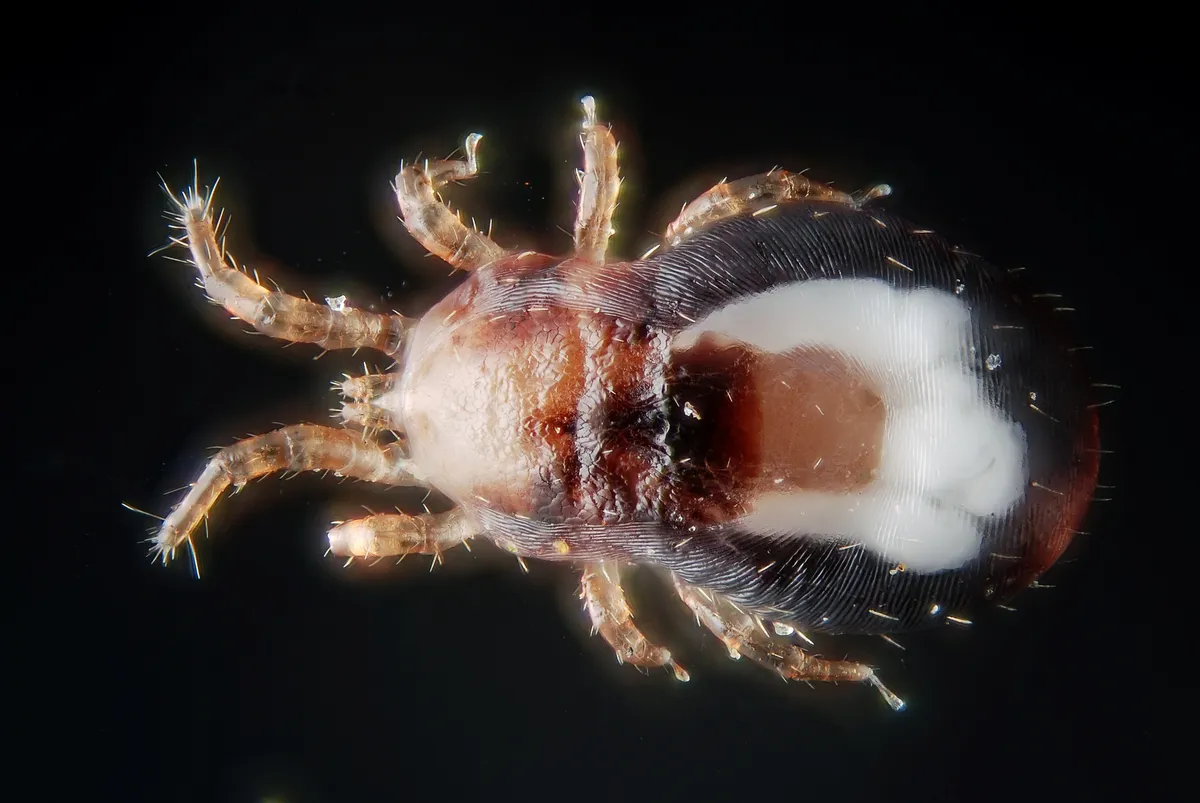 Bird miteEight legs and about 1/25 inch; bites at night near bird nests
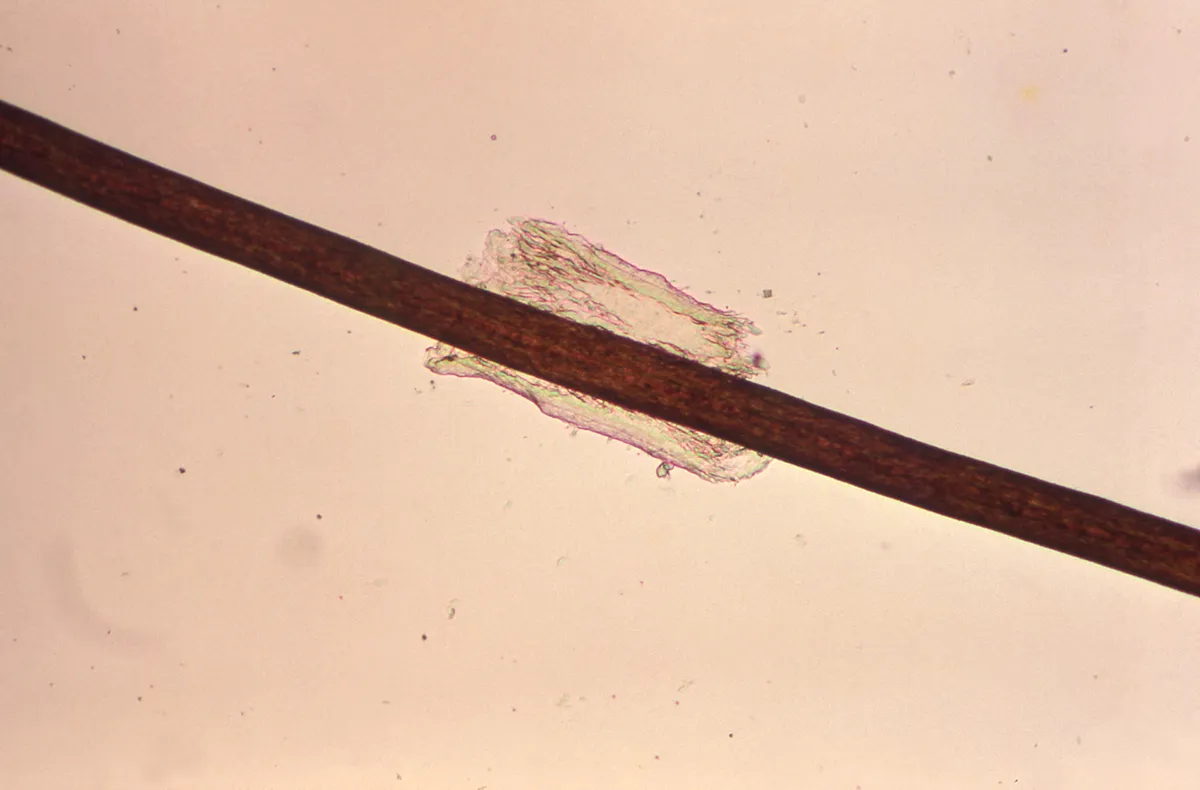 Hair castDebris around a hair that is not glued in place the way a nit is
Photos: Booklouse: (c) Alexis Tinker-Tsavalas, some rights reserved (CC BY), via iNaturalist, CC BY 4.0. Aphid: no rights reserved, via iNaturalist, CC0 1.0. Bed bug nymph: no rights reserved, via iNaturalist, CC0 1.0. Cat flea: (c) Sam Kieschnick, some rights reserved (CC BY), via iNaturalist, CC BY 4.0. Bird mite: Gilles San Martin from Namur, Belgium, CC BY-SA 2.0, via Wikimedia Commons, CC BY-SA 2.0. Hair cast: CDC/ Dr. Dennis Juranek (CDC Public Health Image Library, phil.cdc.gov), public domain.
What should you do once you know what you found?
Match the step to the bug: only a live head louse calls for lice treatment.
- Head lice. Treat only when a live louse turns up, as the AAP advises; the lice eggs guide walks through CDC's treatment steps and nit combing.
- Booklice. Bring the humidity below 50% and fix the damp, as Penn State advises.
- Aphids and sticky seeds. Pick them off; neither lives on people.
- Bed bugs. Check mattress seams and bed frames and have a specimen identified; the bed bug look-alike guide explains how.
- Fleas. Check the pets and where they sleep, where UC IPM says fleas are most numerous, and ask a veterinarian about the pets.
- Bird mites. Remove the empty nest (songbird nests only after the young have left) and vacuum the mites, as WSU advises.
- Body or crab lice. See a healthcare provider, as CDC advises when you are unsure.
This guide is general educational information, not medical advice. If you have symptoms or concerns after a bite or exposure, contact a healthcare provider.
Frequently Asked Questions
What looks like lice but isn't?+
Specks cause many of the false alarms. The American Academy of Pediatrics notes that many suspected lice and nits sent to a laboratory turned out to be dandruff, hairspray droplets, scabs, dirt or other insects, such as aphids blown in by the wind. Harvard's public health entomology lab also occasionally received book and bark lice sent in as presumed parasites, and named fleas, bed bugs and bird-nest mites among the possible causes when people feel infested but no louse can be found. A head louse is wingless, has six clawed legs, crawls along hairs close to the scalp and cannot hop or fly, so anything that jumps, flies or lives away from people is something else.
Are booklice the same as head lice?+
No. Utah State University Extension says booklice and their relatives are not true lice, though some species resemble them, and Penn State Extension says booklice do not bite, carry disease or affect human health. They are soft, pale, wingless insects 1 to 2 mm (about 1/25 to 1/12 inch) long that feed on mold in damp rooms, among books, papers and stored food. Harvard's public health entomology lab noted that booklice were occasionally sent in as presumed parasites, but that their presence on a person is incidental.
Can bed bugs live in your hair?+
No. Bed bugs do not live on people: the Connecticut Agricultural Experiment Station says they travel to their host from a hiding place to feed, and signs of them collect on mattresses, especially along the seams. They walk rather than jump, fly or hop. Head lice are the insects that live in hair, clinging to it with clawed legs, and UC IPM says they cannot live off the human body for more than one to two days.
What tiny bugs in hair jump?+
Not head lice, which CDC says move by crawling and cannot hop or fly. A jumping speck on a person points to fleas, which often come from a pet. UC IPM describes adult fleas as reddish-brown, wingless and no larger than 1/8 inch, flattened from side to side, and says the cat flea attacks dogs and cats and will also bite people. Check the pets and the places where they sleep, where UC IPM says flea numbers are highest.
Are the lice on my dog or cat the same as head lice?+
No. Dogs, cats and birds carry their own kinds of lice, and Harvard's public health entomology lab noted that the lice of mammals and birds rarely affect people. CDC says animals do not get or spread head lice, and UC IPM says head lice cannot live on family pets. Harvard's lab added that pets play no part in keeping or spreading human lice and should not be treated for head lice. A veterinarian can advise on the pet's own pests.
Do lice have wings?+
No. UC IPM describes head lice as wingless insects, and CDC says they cannot hop or fly. A tiny insect with wings in the hair is something else, such as an aphid: the American Academy of Pediatrics names aphids blown by the wind and caught in the hair among the insects mistaken for lice, and UC IPM says most aphid species also occur in winged forms. Washington State University puts aphids at 1/16 to 1/8 inch, feeding on plant sap.
What bites at night if it isn't lice or bed bugs?+
Bird mites are one possibility when birds nest on the house. Washington State University says the mites become pests indoors when starlings, pigeons, sparrows or other birds nest in the eaves, attic or chimney, and that their bites usually come at night as small, itchy pimple-like bumps. Adults are about 1/25 inch long with eight legs. Fleas from pets bite people too. Because a bite rarely names the biter, try to catch a specimen, and ask a healthcare provider about any bite or rash that worries you.
How many legs do lice have?+
Six. UC IPM says each of a head louse's six legs ends in a claw used to grasp the hair shaft, and CDC says body lice have six legs too. Counting legs under a magnifier rules out mites: Washington State University describes adult bird mites with eight legs, and the University of Kentucky says bird and rodent mites look like dark, slow-moving specks about the size of a period that cannot jump or fly.
Are crab lice and head lice the same?+
No. CDC says pubic lice, also called crab lice, are short and crab-like and look very different from head and body lice; adults are 1.1 to 1.8 mm (about 0.04 to 0.07 inch), about the size of a pencil tip. They usually spread through sexual contact and live mainly in pubic hair, though they can turn up in the eyelashes, eyebrows, beard or armpits. CDC adds that lice found on the head are generally head lice, and that pubic lice on a child's head or eyelashes may be a sign of sexual exposure or abuse.
Sources
- About Head Lice (June 4, 2024) — Centers for Disease Control and Prevention
- About Body Lice (June 24, 2024) — Centers for Disease Control and Prevention
- About Pubic Lice (June 4, 2024) — Centers for Disease Control and Prevention
- Preventing Tick Bites (August 28, 2024) — Centers for Disease Control and Prevention
- Head Lice (clinical report; D. Nolt, S. Moore, A.C. Yan and L. Melnick; Pediatrics 2022;150(4):e2022059282; full text as posted by the Indiana Department of Health) — American Academy of Pediatrics
- Head Lice: What Parents Need to Know (Dawn Nolt, MD, MPH, FAAP, updated September 26, 2022) — American Academy of Pediatrics, HealthyChildren.org
- Pest Notes: Head Lice (UC ANR Publication 7446, updated July 2020) — University of California Statewide IPM Program
- Headlice Information (R.J. Pollack, Laboratory of Public Health Entomology; page archived January 16, 2009) — Harvard School of Public Health, via the End of Term Web Archive at the University of North Texas Libraries
- A School's Guide to the Nitty-Gritty About Head Lice (Circular 850, revised July 23, 2024) — University of Georgia Cooperative Extension
- Head lice: Diagnosis and treatment (updated September 3, 2025) — American Academy of Dermatology
- Booklice (updated July 23, 2024) — Penn State Extension
- Booklice and their Relatives (Psocoptera) (ENT-160-12, C.A. Stanley, January 2012) — Utah State University Extension
- Aphids (reviewed December 11, 2025) — Washington State University Extension (Pestsense)
- Pest Notes: Aphids (UC ANR Publication 7404) — University of California Statewide IPM Program
- Bed Bugs Appearance and Life Cycle (updated January 6, 2026) — US Environmental Protection Agency
- Bed Bug Identification for the Recycling and Refurbishing Industries (bed bugs and look-alikes poster, 2011) — Connecticut Agricultural Experiment Station
- Pest Notes: Fleas (UC ANR Publication 7419) — University of California Statewide IPM Program
- Bird mites (reviewed December 11, 2025) — Washington State University Extension (Pestsense)
- Mystery Bites: Insect and Non-Insect Causes (ENTFACT-649, M.F. Potter, revised March 2026) — University of Kentucky Department of Entomology
Read and approved by Alex Francisco. Found an error? Email support@buzzskito.ca.