Published by BuzzSkito Mosquito & Tick Control
Published October 23, 2026 · Fact-checked against the sources listed below
What is a shrew?
A shrew is a small, mouse-like mammal that hunts insects and other small animals, and it is not a rodent. Missouri's shrew field guide says shrews lack the chisel-like front teeth of mice, beavers and other rodents and are more closely related to moles, and Iowa State University Extension calls the short-tailed shrew a close relative of the common mole.
Being so small shapes everything a shrew does. The 1994 wildlife damage handbook chapter on shrews says shrews lose body heat quickly, may need food as often as every 3 to 4 hours, and in some species eat three times their body weight in a day. It counts more than 250 species worldwide and more than 30 in the United States and Canada. Missouri's guide adds that shrews do not hibernate, so they keep hunting through the winter.
What does a shrew look like?
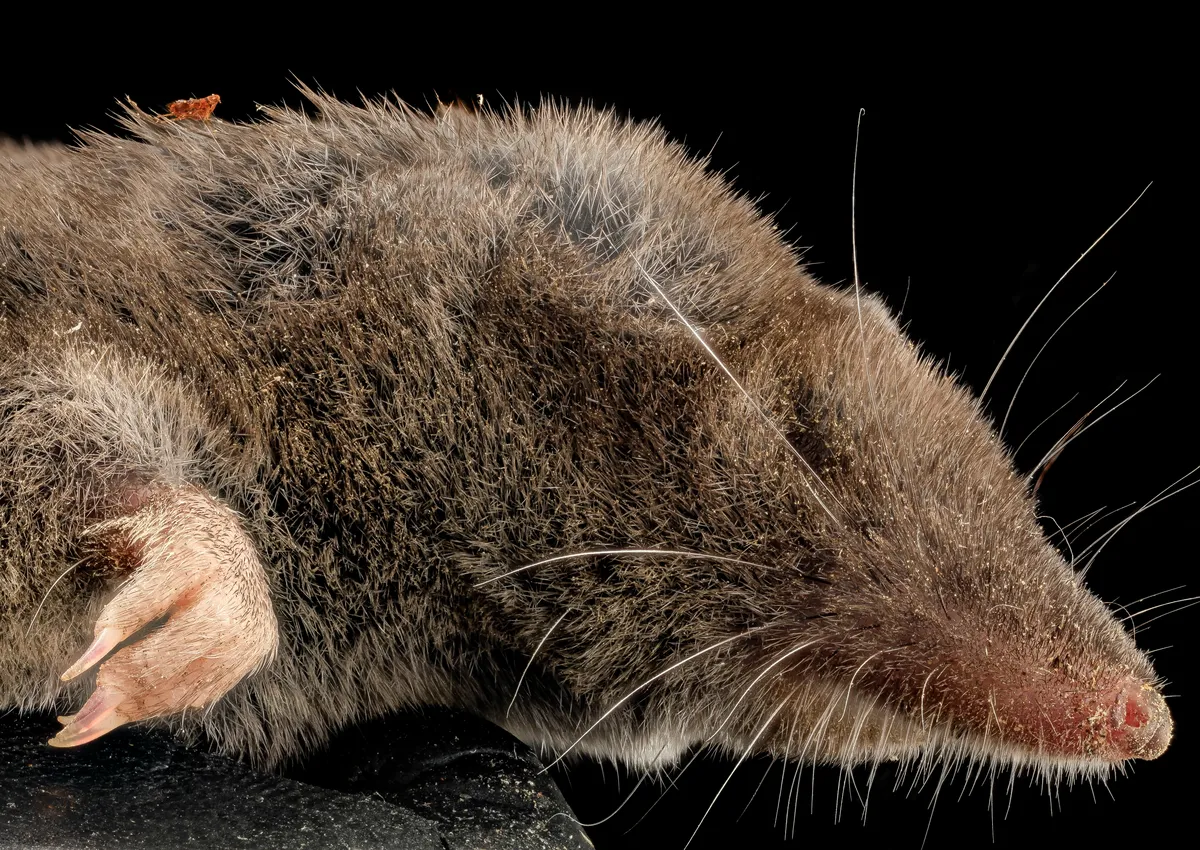
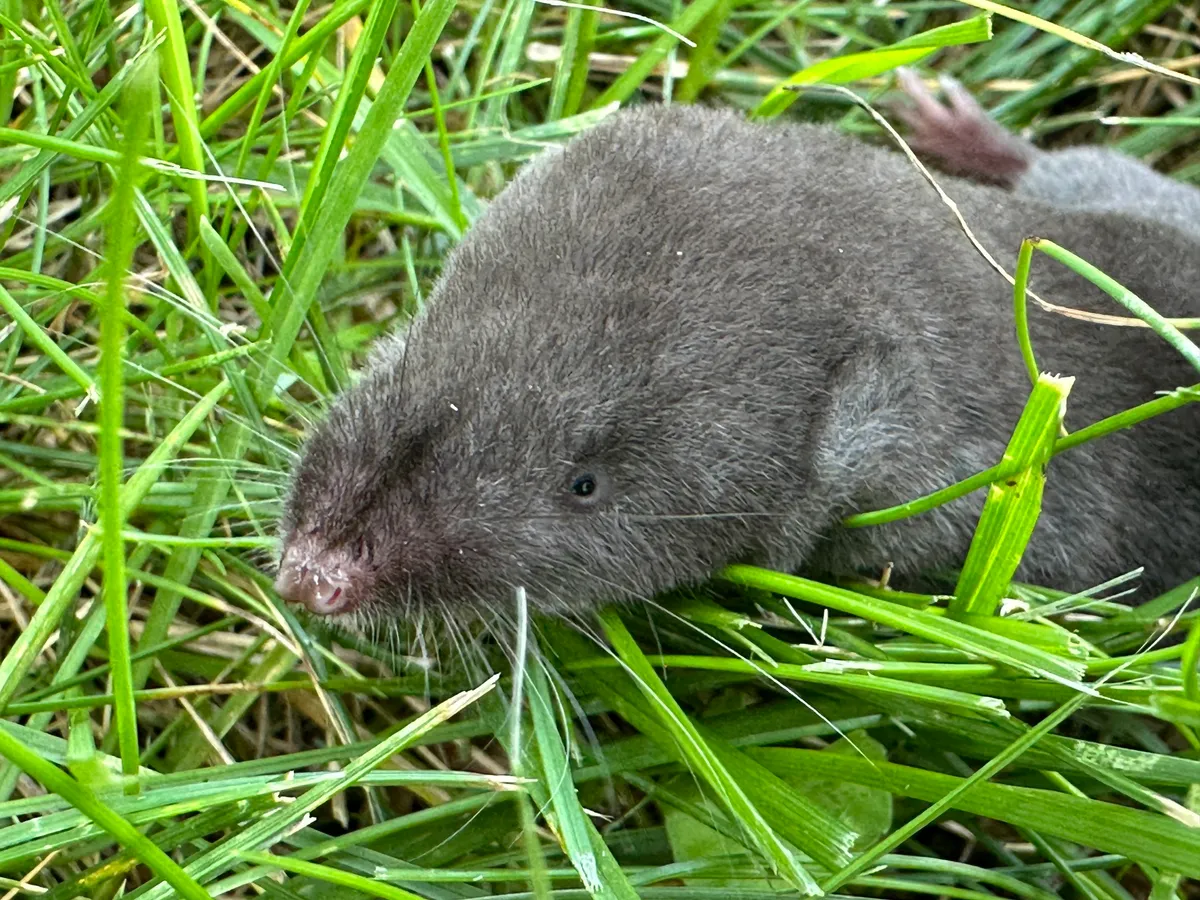
Look at the head first. Missouri's guide describes a long, movable snout that often projects well past the mouth, very small eyes and small or no external ears, plus five toes on each foot and plush fur that lies either forward or backward. The Pennsylvania Game Commission's note on shrews adds that shrew teeth are sharp, pointed and often stained dark.
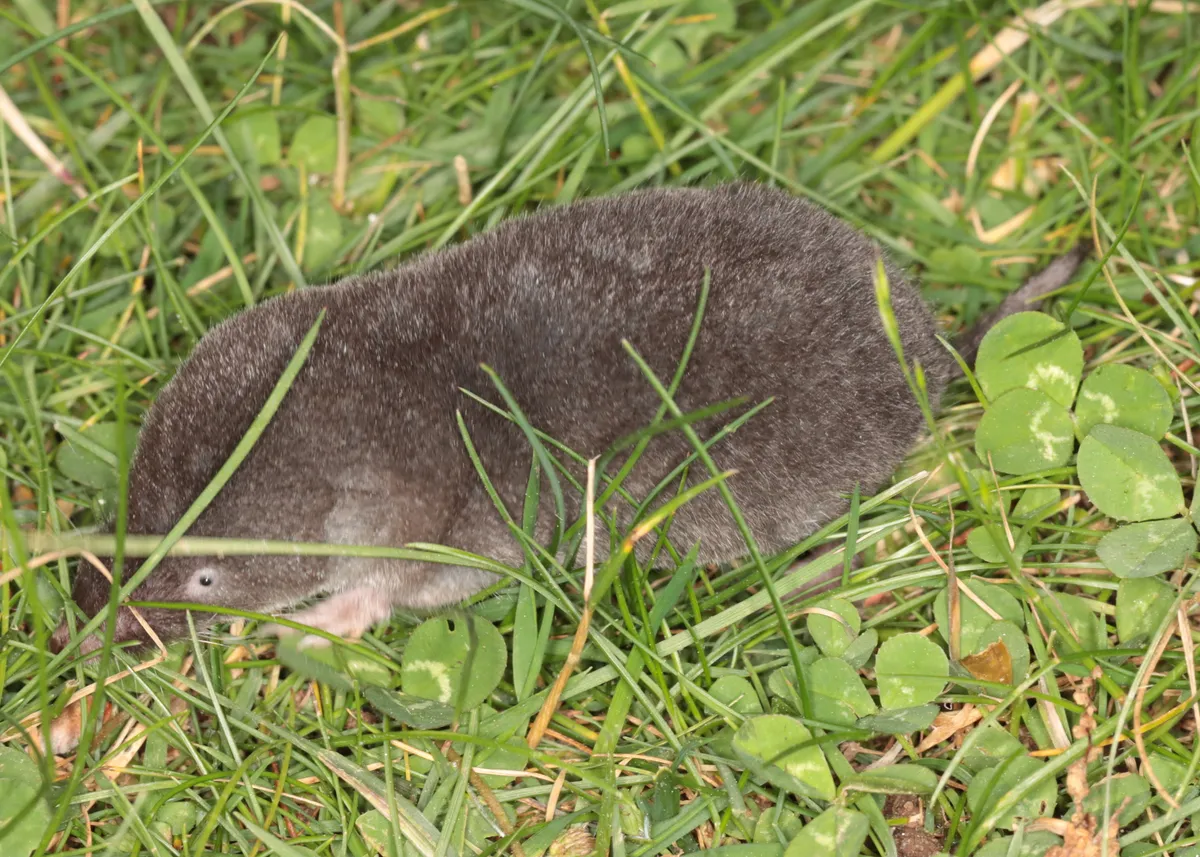
- Color. University of Minnesota Extension says most shrews are a rather drab gray or gray-brown, and Animal Diversity Web describes the northern short-tailed shrew as an almost uniform slate gray, a little paler underneath.
- Size. Missouri's species run from about 2 1/2 to 5 inches long, tail included, and weigh 1/16 to 1 ounce. The Game Commission measures the short-tailed shrew, Pennsylvania's largest, at 4.1 to 5.2 inches with a tail of only 0.7 to 1.2 inches.
- Teeth. The handbook chapter says the dark tips come from iron laid down in the outer enamel, which may help the teeth resist wear.
- Behavior. Missouri's guide describes shrews as very active, resting only now and then, and running over the surface, through leaf litter and just under the ground, often in mole and mouse runways.
Is it a shrew or a mouse?
Count the toes and look at the nose. The Game Commission's test: shrews have five toes on each foot while most mice have four on their front feet, a shrew's eyes are beadier and its nose more pointed, and mice have the chisel-like cutting incisors of rodents without the dark staining. The handbook chapter adds that mice have larger eyes and lack the long snout.
A house mouse also has more ear and more tail. UC IPM's house mouse guide puts an adult at about 5 to 7 inches, including a 3- to 4-inch tail with almost no fur on it, with relatively large ears and small black eyes, and it notes that shrews have pointed snouts and tiny eyes. A deer mouse typically has larger eyes and ears, white undersides, legs and feet, and a tail that is white below and dark on top, according to UC IPM's deer mouse guide. Types of mice sets the mouse species side by side.
What is the difference between a shrew and a vole?
A vole is a plant-eating rodent and a shrew is an insect-eater, so the two are not closely related, Iowa State stresses, even though voles may be mistaken for the short-tailed shrew. Iowa State describes voles as chestnut brown and about mouse-sized, with longish fur that nearly hides their small ears and eyes, short legs and a short tail.
Clemson's fact sheet on moles and voles gives voles 5 to 8 inches, compact, heavy bodies and prominent orange teeth for gnawing roots and stems. Iowa State says voles almost never enter houses, unlike the short-tailed shrew, which does, and that their runways, 1 to 2 inches wide, show best in early spring as the snow melts. Field mice and voles covers them in detail.
How is a shrew different from a mole?
A mole is usually bigger and built to dig. Clemson describes a mole as 4 to 7 inches long with paddle-shaped feet and prominent digging claws, an elongated head and snout, small eyes and no external ears, feeding on insects, grubs and earthworms. University of Minnesota Extension adds tiny rudimentary eyes, velvety fur and a stubby, hairless tail, and the handbook chapter says moles are usually larger than shrews and have enlarged front feet; both are insect-eaters, not rodents.
In a yard, a mole shows itself by its digging: Clemson's volcano-shaped hills in the lawn, or the raised, snake-like ridges University of Minnesota Extension describes over shallow tunnels. What dug the holes in your yard sorts mole, vole and other lawn signs.
Which shrews live in the US and Canada?
More than 30 species do, the handbook chapter says, and they are hard to tell apart: it suggests a regional mammal guide or a qualified mammalogist for a firm identification, and the Game Commission says it often takes an expert. These are the species the wildlife agencies and universities cited here describe.
- Northern short-tailed shrew (Blarina brevicauda). Slate gray, stout and short-tailed. Animal Diversity Web places it across most of east-central North America, from southern Saskatchewan and Nova Scotia to central Nebraska and Georgia, and says it often moves into barns, cellars and sheds in winter.
- Southern and Elliot's short-tailed shrews (Blarina carolinensis and Blarina hylophaga). Close relatives of the northern species; Missouri has all three, and the handbook chapter says these two presumably share its venom.
- Northern water shrew (Sorex palustris). Prefers marshy or semiaquatic areas, the handbook chapter says; the Game Commission measures Pennsylvania's water shrew at 5.3 to 6.1 inches.
- Masked (cinereus) shrew (Sorex cinereus). Small and long-tailed: the Game Commission gives 3.3 to 4.3 inches overall, with a 1.4- to 1.8-inch tail and a weight of 0.12 to 0.2 ounce. University of Minnesota Extension calls it prevalent across the northern United States and Canada and probably the most common shrew.
- Least shrew (Cryptotis parva). Tiny and very short-tailed: Animal Diversity Web's least shrew account gives about 2.8 to 3.6 inches in all and places it mostly in the eastern US, from Florida to New York and west to Texas and South Dakota. Missouri's guide says it prefers open grass, brush and dry fallow fields.
- Pygmy shrew (Sorex hoyi). The smallest North American mammal, as light as 0.1 ounce, the handbook chapter says.
Commonly confused with
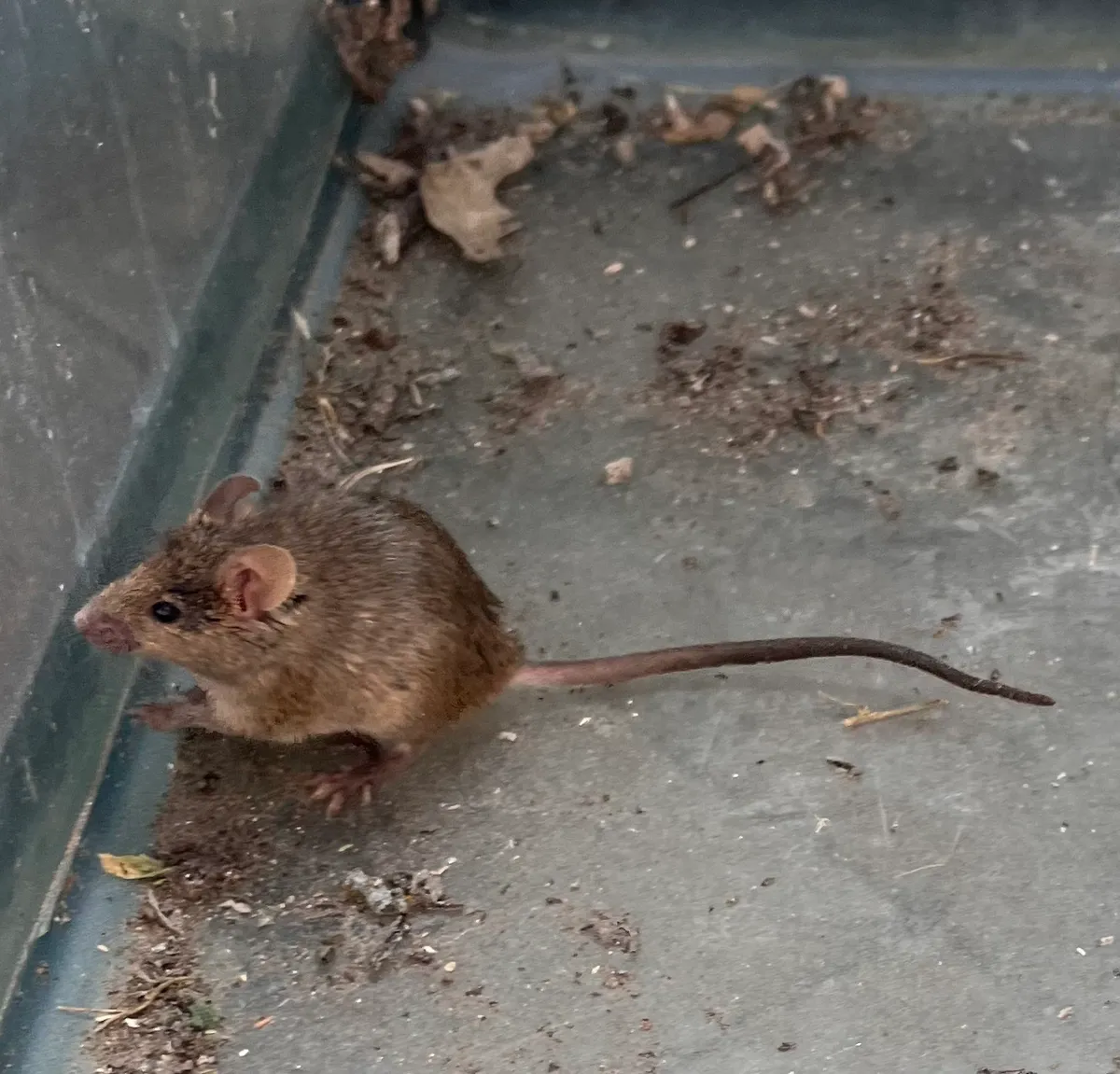 House mouseLarge ears, small black eyes, four toes on the front feet and a long, almost furless tail
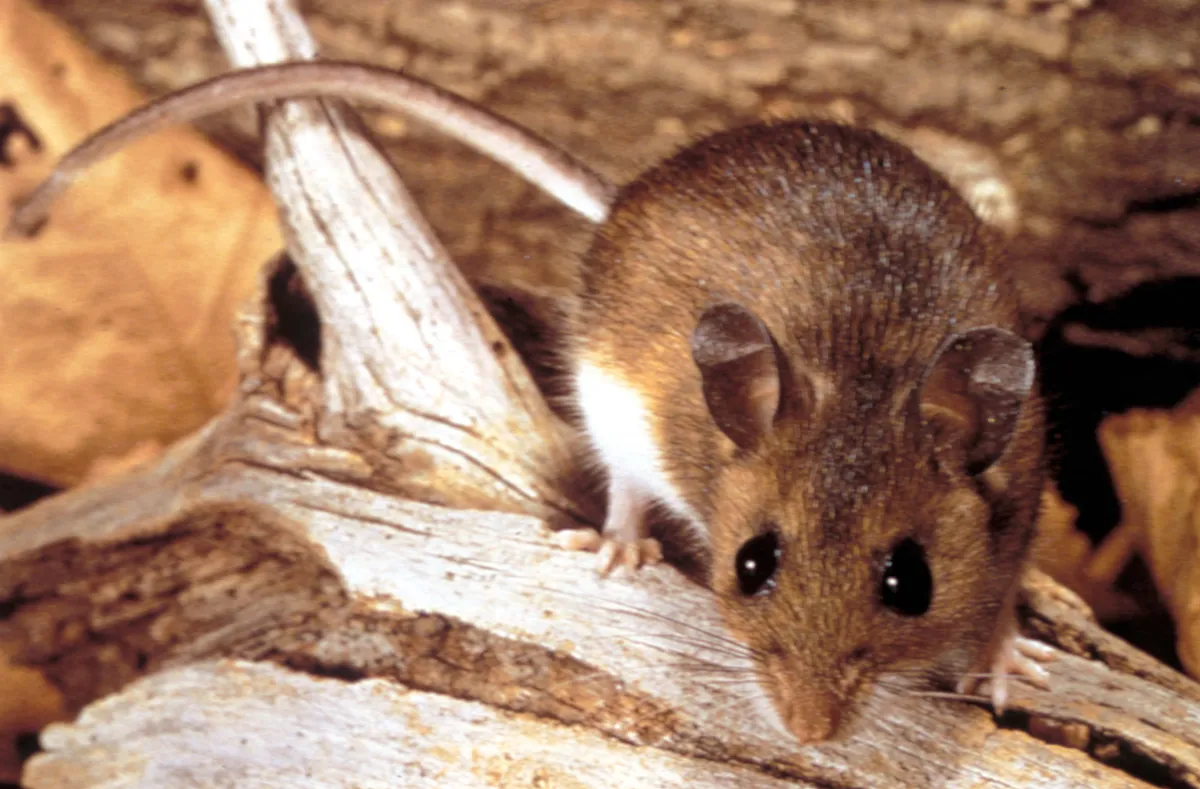 Deer mouseBigger eyes and ears, white belly and feet, and a tail dark on top and white below
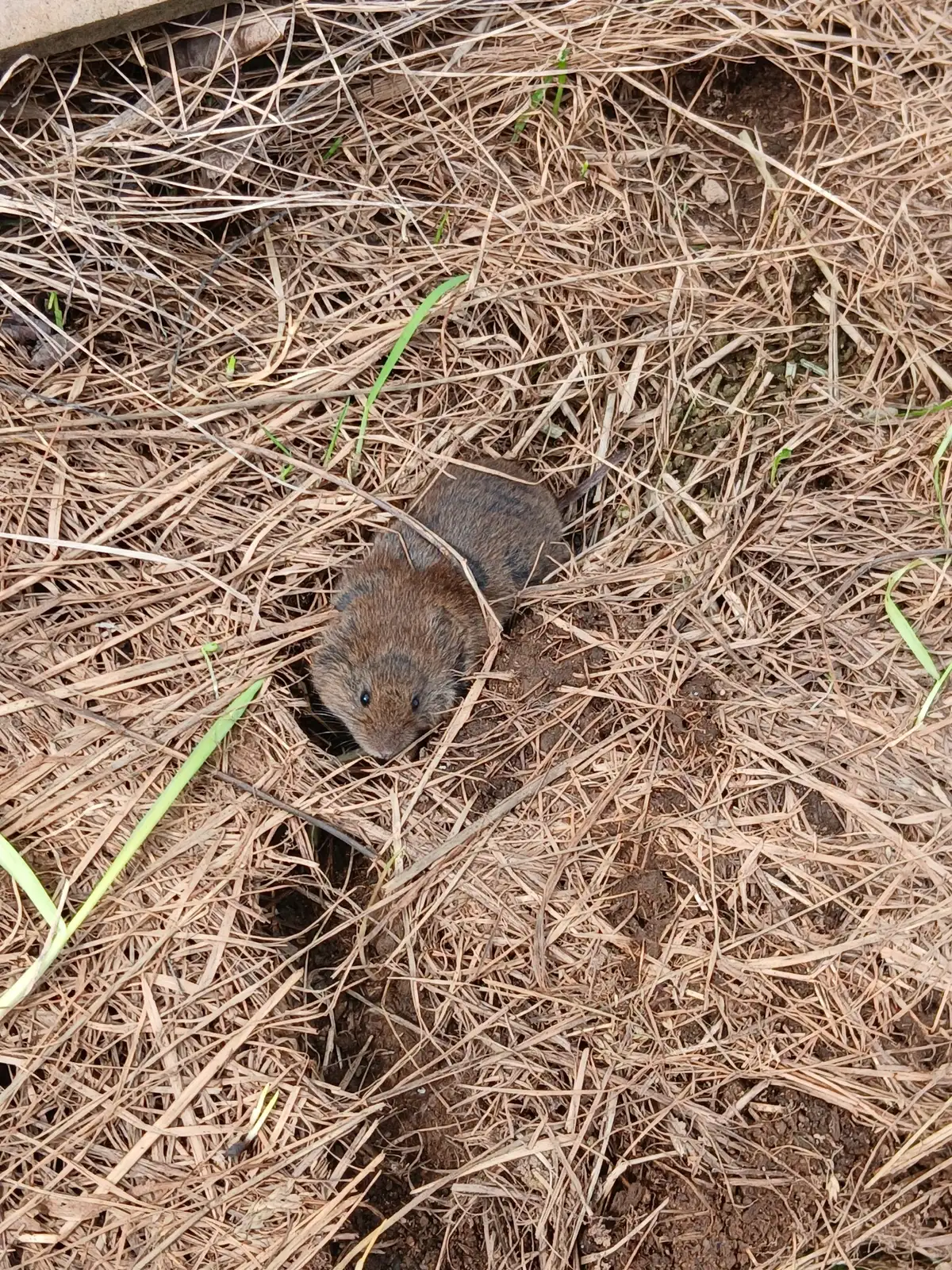 Meadow voleA stocky, plant-eating rodent with small eyes, partly hidden ears and a short tail
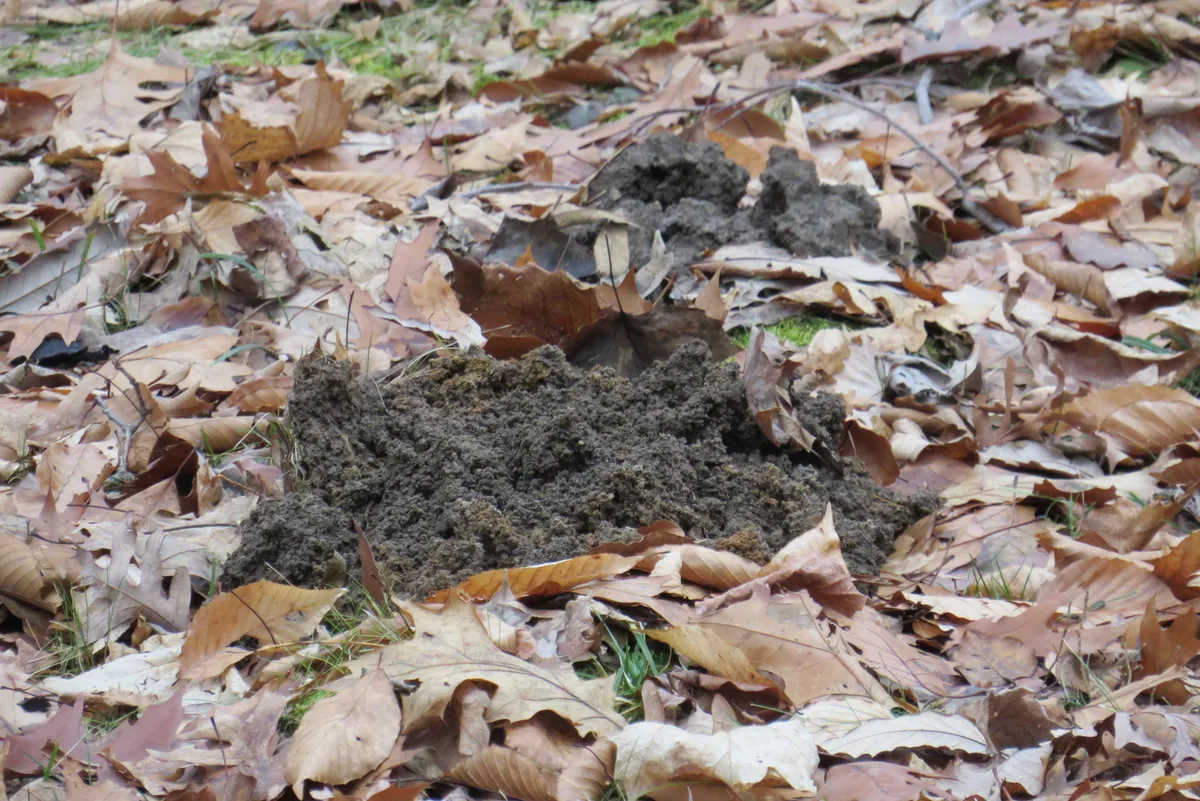 Mole hillsMoles push up volcano-shaped hills and ridges and have broad, clawed front feet
Photos: House mouse: no rights reserved, via iNaturalist, CC0 1.0. Deer mouse: CDC/ James Gathany; photo: James Gathany (CDC Public Health Image Library, phil.cdc.gov), public domain. Meadow vole: (c) Ian Murdoch, some rights reserved (CC BY), via iNaturalist, CC BY 4.0. Mole hills: no rights reserved, via iNaturalist, CC0 1.0.
Are shrews dangerous?
Not usually, but do not pick one up. The handbook chapter says shrews bite humans when improperly handled, and that their pugnacious nature can make them a nuisance in or near houses, where they occasionally fall into window wells, attack pets and go after birds or chipmunks at feeders.
Bites and venom
A short-tailed shrew's bite carries venom. Missouri's guide says the state's three short-tailed shrews have a powerful venom in their saliva that immobilizes insect prey, and that it slows the heart and breathing and may break down muscle tissue of larger victims. For people, the Game Commission says the bite can cause soreness and swelling, and Animal Diversity Web says the pain can last several days; it adds that bites are rare and usually happen when someone tries to handle the shrew.
If a shrew bites you
Treat it like any animal bite. The CDC's rabies prevention page says to wash any wound right away with soap and water for 15 minutes and to talk with a healthcare or public health professional about your risk and whether you need rabies-related care. The Minnesota Department of Health lists shrews, with mice, voles and moles, among the animals whose bites are not a rabies concern in that state; your own state or local health department can tell you how it handles them.
Disease and parasites
The evidence is thin. The handbook chapter says the potential exists for shrews to pass on diseases and parasites but that this is poorly documented, and Missouri's guide lists mites, ticks and fleas among the parasites shrews carry. Handle dead shrews and their droppings with care, as described below.
Why do cats kill shrews but not eat them?
Probably because of the smell. The handbook chapter says domestic cats appear to be very good predators of shrews that seldom eat them, presumably because of the shrew's unpleasant odor, and notes that cat owners may find dead, uneaten shrews brought into the house. The Game Commission says shrews secrete a repelling musky odor, so predators often do not eat them, and Animal Diversity Web says short-tailed shrews exude a musky odor from glands on the belly and sides that may make them distasteful.
To dispose of one, the chapter suggests slipping a plastic bag over your hand, picking up the shrew, turning the bag inside out around it, sealing it and putting it in the trash. Handling it that way, it says, reduces the chance of passing on fleas, ticks, parasites or disease.
Why is there a shrew in my house?
Usually it followed food or shelter in. University of Minnesota Extension says shrews occasionally enter homes but seldom cause damage, that they hunt where prey is plentiful, and that many shrews may mean household pests such as mice or large insects are present too, so look for signs of those. Animal Diversity Web notes that northern short-tailed shrews often move into barns, cellars and sheds in winter.
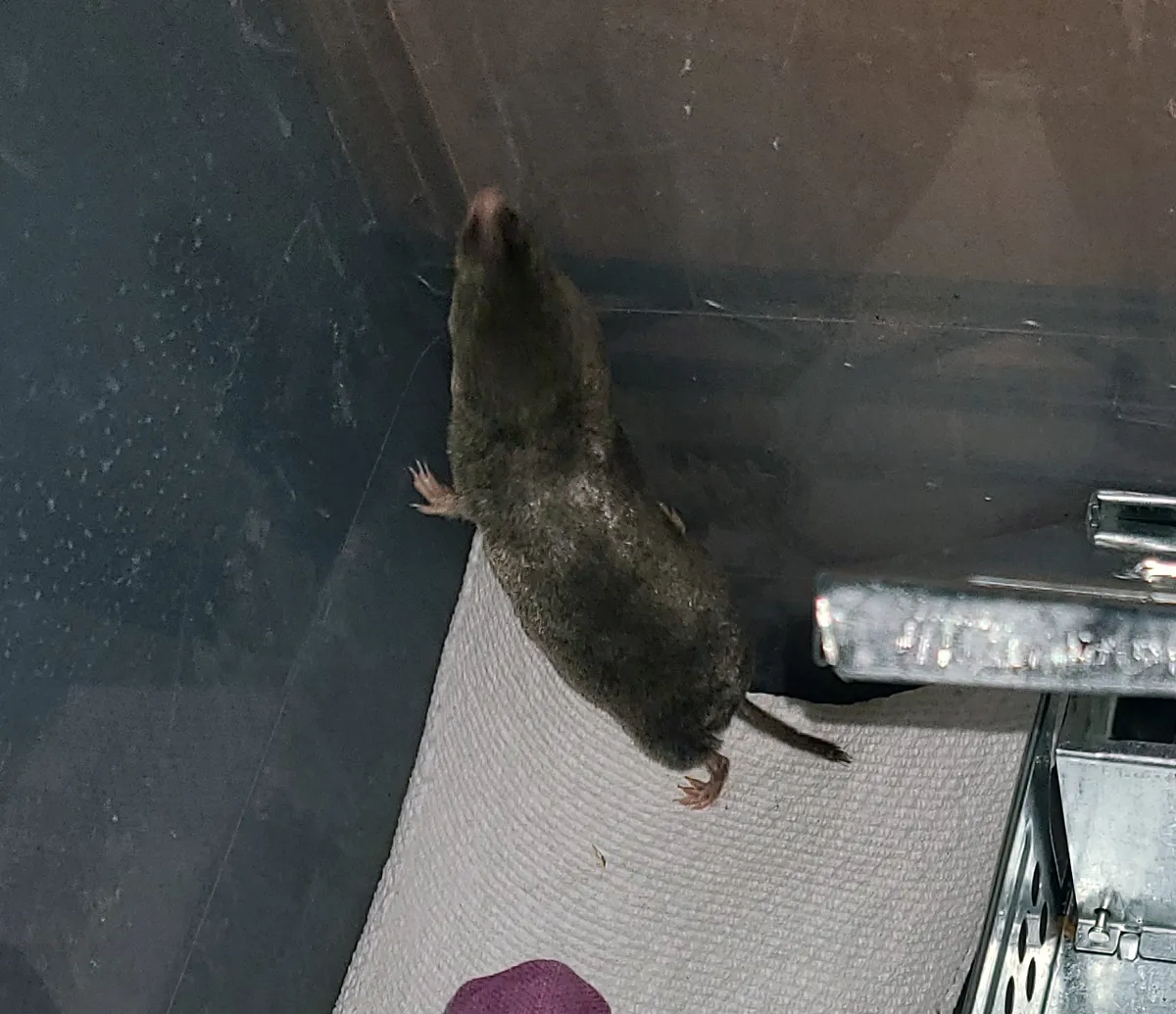
Indoors, the handbook chapter says, shrews can feed on stored food and foul it with droppings and urine. Its trap sets for shrews catch mice too, so check the toes, snout and teeth of whatever you catch.
What do shrew droppings look like?
Small, thin and often curled. The Internet Center for Wildlife Damage Management's droppings guide describes shrew droppings as about 1/16 inch across and nearly 1/4 inch long, often curled, frequently in piles and with a distinctive odor, while house mouse droppings are about as long but black, hard when dry, pointed at one end and scattered. The handbook chapter calls shrew feces often corkscrew-shaped and says some shrews use the same spots again and again.
If you cannot tell whose droppings they are, clean them up as mouse droppings: the CDC says the most common hantavirus that causes disease in people in the US is spread by the deer mouse. Its steps for cleaning up after rodents: wear rubber or plastic gloves, do not sweep or vacuum, spray the droppings with an EPA-registered disinfectant or a mix of 1 part bleach to 9 parts water until very wet, wait 5 minutes or as the label directs, wipe up with paper towels, then wash your gloved hands and, after removing the gloves, your bare hands. ICWDM likewise advises gloves and a thorough wash. Mouse poop and animal droppings show the others with photos.
How do you get rid of a shrew in the house?
Seal the gaps, remove what draws it, and trap the one inside if it stays. These steps come from the handbook chapter and University of Minnesota Extension.
- Seal it out. The chapter says rodent-proofing keeps shrews out too: cover possible entrances with 1/4-inch hardware cloth and stuff small openings with coarse steel wool, though the tiny pygmy shrew may need a finer mesh. Sealing a house against mice before winter walks through the usual gaps.
- Remove the draw. Look for the mice or large insects that University of Minnesota Extension says a lot of shrews can point to, and keep the grass around the house mowed: the chapter says regular mowing should cut the habitat and food shrews prefer and may increase predation.
- Trap the one inside. The chapter lists mouse snap traps, small box traps and pit traps. Set snap traps along walls or runways at a right angle, with the trigger over the runway, and bait them with peanut butter and rolled oats; University of Minnesota Extension also suggests the smallest live traps. Choosing mouse traps compares the types.
- Release live ones well away. Because shrews are generally beneficial insect-eaters, the chapter says live-caught ones can be released in suitable habitat more than 200 yards from where they were caught.
The chapter offers no poison: it found no repellents, toxicants or fumigants registered for use against shrews in 1994, and it relies on exclusion and traps instead. Before you kill or move one, check with your state wildlife agency or Cooperative Extension office, since the chapter notes that some states have special rules on collecting or killing nongame mammals. For the rest of the mouse work, see the complete guide to mice, a four-step plan for getting rid of mice and humane mouse control.
Are shrews good to have in your yard?
Mostly, yes. Missouri's guide says shrews eat many insect lawn and crop pests, such as certain beetle grubs and moth caterpillars including cutworms, and that their tunneling aerates and mixes the soil so rainwater soaks in instead of running off. University of Minnesota Extension goes further: because shrews eat enormous numbers of insects, snails, slugs and mice, it says they should be protected. The handbook chapter agrees that most shrew species are not abundant enough to be considered pests.
This guide is general educational information, not medical advice. If you have symptoms or concerns after a bite or exposure, contact a healthcare provider.
Frequently Asked Questions
Is a shrew a rodent?+
No. Shrews are insect-eating mammals, not rodents, and they lack the chisel-like front teeth that mice, beavers and other rodents gnaw with, the Missouri Department of Conservation says. Iowa State University Extension calls the short-tailed shrew a close relative of the common mole. A shrew's teeth are sharp, pointed and often dark-tipped, and it has five toes on every foot, while most mice have four toes on their front feet, according to the Pennsylvania Game Commission.
Is a shrew a baby mouse?+
No. A shrew is a different animal, not a young mouse, and size alone will not settle it, because a full-grown shrew can be smaller than an adult mouse. The Missouri Department of Conservation gives about 2 1/2 to 5 inches, nose to tail tip, for its shrews, while UC IPM puts an adult house mouse at about 5 to 7 inches. Look instead for the long, pointed snout, very small eyes, small or hidden ears and five toes on each foot.
What happens if a shrew bites you?+
It can hurt. The Pennsylvania Game Commission says a short-tailed shrew's bite can cause soreness and swelling in people, and Animal Diversity Web says the pain can last several days, though bites are rare and usually happen when someone tries to handle the animal. The CDC's advice for any animal bite is to wash the wound right away with soap and water for 15 minutes and to talk with a healthcare or public health professional about your risk and whether you need rabies-related care.
Can shrews give you rabies?+
Shrews are not on the CDC's list of common rabid animals in the US, which includes raccoons, skunks, bats and foxes, although the CDC notes that any mammal can get rabies. The Minnesota Department of Health lists shrews among the animals whose bites are not a rabies concern in that state. That list is Minnesota's, so after any bite, wash the wound and ask a healthcare provider or your health department about your risk.
Do shrews carry diseases?+
Possibly, but the record is thin. The 1994 wildlife damage handbook chapter on shrews says the potential exists for shrews to transmit diseases and parasites but that this is poorly documented, and the Missouri Department of Conservation notes that shrews carry parasites such as mites, ticks and fleas. The handbook suggests picking up a dead shrew with a plastic bag turned inside out, and droppings you cannot identify can be cleaned up with the CDC's steps for rodent droppings: gloves, disinfectant and no sweeping or vacuuming.
How do shrews get into the house?+
Through small openings, much as mice do. The wildlife damage handbook chapter on shrews says rodent-proofing also keeps shrews out, and it recommends covering possible entrances with 1/4-inch hardware cloth and stuffing small openings with coarse steel wool, noting that the tiny pygmy shrew may need a finer mesh. University of Minnesota Extension says shrews hunt where prey is plentiful, so a house with mice or large insects gives them a reason to come in.
Are shrews nocturnal?+
Some are and some are not. The wildlife damage handbook chapter on shrews says some species are mostly nocturnal while others are active throughout the day and night, and the Missouri Department of Conservation describes shrews as very active animals that rest only now and then. The handbook adds that shrews may need food as often as every 3 to 4 hours, and the Pennsylvania Game Commission says they must eat almost constantly.
Do shrews hibernate in winter?+
No. The Missouri Department of Conservation says shrews do not hibernate and keep eating all winter, often hunting insects that overwinter in leaf litter, soil and rotting logs. Animal Diversity Web says northern short-tailed shrews often move into barns, cellars and sheds in winter. The wildlife damage handbook chapter on shrews says sealing a building against rodents keeps shrews out as well, using 1/4-inch hardware cloth and coarse steel wool.
Can shrews climb?+
Some can. The wildlife damage handbook chapter on shrews says short-tailed and masked shrews reportedly can climb trees, where they may eat eggs or young birds in a nest or eat suet at bird feeders, and it lists attacks on birds and chipmunks at feeders among the ways shrews become a nuisance near houses. The same chapter notes that shrews occasionally fall into window wells.
What do shrews eat?+
Mostly insects and other small animals. The Missouri Department of Conservation lists insects and their larvae, earthworms, snails, slugs, spiders and centipedes, and says short-tailed shrews also take salamanders, small snakes, birds, mice and other shrews, while shrews in general eat little plant material. Some eat three times their body weight in a day, according to the wildlife damage handbook chapter on shrews, and the Pennsylvania Game Commission says they must eat almost constantly.
Sources
- Shrews (Field Guide) — Missouri Department of Conservation
- Shrews and Moles (Wildlife Notes) — Pennsylvania Game Commission
- Shrews (Robert H. Schmidt, Utah State University), Prevention and Control of Wildlife Damage, 1994 — University of Nebraska-Lincoln, Internet Center for Wildlife Damage Management
- Blarina brevicauda, northern short-tailed shrew (L. Ballenger, 2011) — Animal Diversity Web, University of Michigan Museum of Zoology
- Cryptotis parva, least shrew (A. Ohl and C. Kent, 2012) — Animal Diversity Web, University of Michigan Museum of Zoology
- Moles and Shrews (FS-1139-A; J. Kitts and C. Goodwin, reviewed 1999) — University of Minnesota Extension Service
- Brown or Black Droppings — Internet Center for Wildlife Damage Management
- Voles: Damage Management (reviewed May 2020) — Iowa State University Extension and Outreach
- How to Tell the Difference Between Moles and Voles (HGIC 2366; B. H. Smith, updated July 2025) — Clemson Cooperative Extension, Home & Garden Information Center
- Pest Notes: House Mouse (UC ANR Publication 7483; N. M. Quinn and M. Frye, updated July 2025) — University of California Statewide IPM Program
- Pest Notes: Deer Mouse (UC ANR Publication 74161; N. M. Quinn, R. A. Baldwin and R. M. Timm) — University of California Statewide IPM Program
- Rabies Prevention and Control (July 1, 2025) — Centers for Disease Control and Prevention
- Table 1: Human Rabies Risk Evaluation: Species of the Biting Animal (Animal Bites and Rabies Risk: A Guide for Health Professionals) — Minnesota Department of Health
- About Hantavirus (May 13, 2024) — Centers for Disease Control and Prevention
- How to Clean Up After Rodents (April 8, 2024) — Centers for Disease Control and Prevention
How this guide was made: it was researched and drafted with AI assistance from the sources listed above. A second, independent AI pass then checked each factual claim against those sources. Found an error? Email support@buzzskito.ca.