Reviewed by Alex Francisco
Published November 5, 2026 · Fact-checked against the sources listed below
Reading from Canada? Product rules and what is sold there differ. See the Canadian edition.
Our picks at a glance
These picks follow EPA and university guidance, not testing. A zippered mattress encasement made for bed bugs is this page's main recommendation, explained below; the picks are the box spring cover and interceptor cups that guidance pairs with it, plus a deeper cover for thick mattresses.
Bed bug mattress cover picks
As an Amazon Associate I earn from qualifying purchases.
- Check price on Amazon →
Encase this one first
Box spring encasement for bed bugs
NPIC says that if only one encasement can be afforded, the box spring should be encased first, and Virginia Tech calls the box spring a favorite bed bug hiding place that is very difficult to treat. Look for the same zipper and testing claims as on the mattress cover.
- Check price on Amazon →
To catch bugs climbing up
Set one under each bed leg. UC IPM cites research in which interceptors caught six times more bed bugs than visual searches, and the University of Kentucky says they help show whether an infestation has been eliminated. EPA says to check and clean them every week.
- Check price on Amazon →
For a thick or pillow-top bed
Deep bed bug mattress encasement
Measure the mattress depth before you order. EPA says an encasement should be strong enough to last a full year without tearing, and the University of Kentucky warns to take care not to tear one while fitting it, so choose a depth made for your mattress.
Do bed bug mattress covers work?
Yes, as a way to trap the bed bugs already in the mattress and take away their hiding places, though not as a treatment on their own. EPA's do-it-yourself guide says to buy protective covers that seal mattresses and box springs, because bed bugs trapped inside die, and UC IPM's pest note on bed bugs says trapped bugs eventually starve. A non-chemical bed bug guide by Virginia Tech's Dini Miller calls encasements a standard part of a quality bed bug management program.
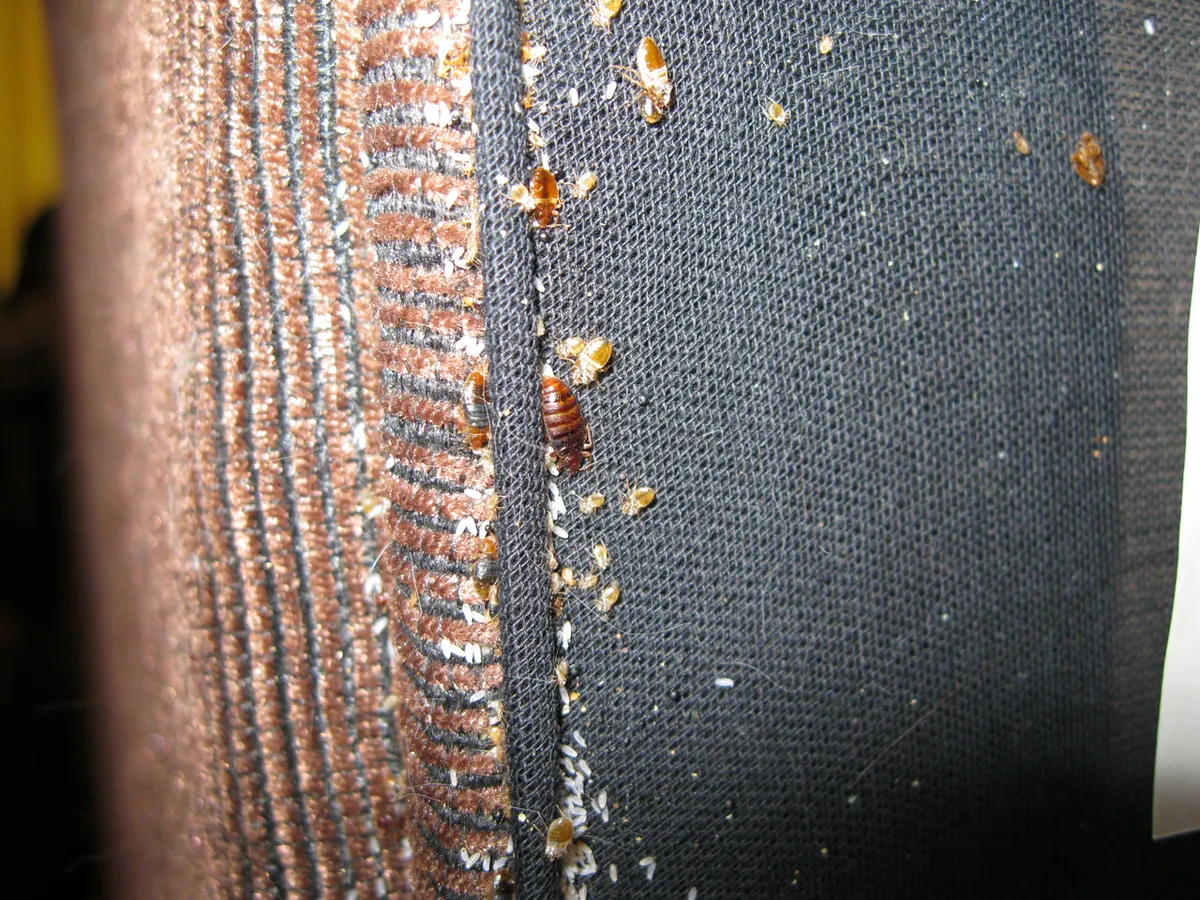
The cover also changes what you can see. EPA's guide to protecting your home says an encasement eliminates many hiding spots and that its light color makes bed bugs easier to see, and the University of Kentucky's bed bug fact sheet says encasements make it easier to spot and destroy any bugs on the outer surface. That is why encasements appear in the do-it-yourself plans from EPA and the extension services: the EPA's step-by-step method for getting rid of bed bugs uses them, and the complete guide to bed bugs shows where they fit among the other tools.
What makes a mattress cover bed bug proof?
A seal that bed bugs cannot cross in either direction, from a maker that says how the seal was tested. The guidance comes down to six checks to make before you buy:
- It encloses the whole mattress and zips shut. EPA's advice is a cover that seals the mattress and the box spring; a cover that fits like a sheet does not seal anything.
- It was tested for bed bugs. EPA's top ten tips say to buy an encasement that has been tested for bed bugs, and Virginia Tech says to choose one whose label describes how it was tested for containing bed bugs.
- The zipper closes all the way. Virginia Tech says many people neglect to zip the cover all the way and that this is the main escape route for bed bugs; an encasement with a zipper protector prevents escape even if the zipper is not entirely closed.
- The teeth are fine. Virginia Tech says the zipper teeth must be tight enough to keep newly hatched bed bugs from escaping between them, and Texas A&M AgriLife Extension says bed bug encasement zippers are designed to hold in even the smallest life stages.
- The fabric stops bites. Texas A&M says good bed bug-proof encasements are woven to prevent bed bugs from biting through, and that a good one is smooth on the outside, leaving few places for bed bugs to hide.
- It will last the year. EPA says to choose one strong enough to last the full year without tearing, and the University of Kentucky notes that higher quality encasements tend to be more durable and more comfortable to sleep on.
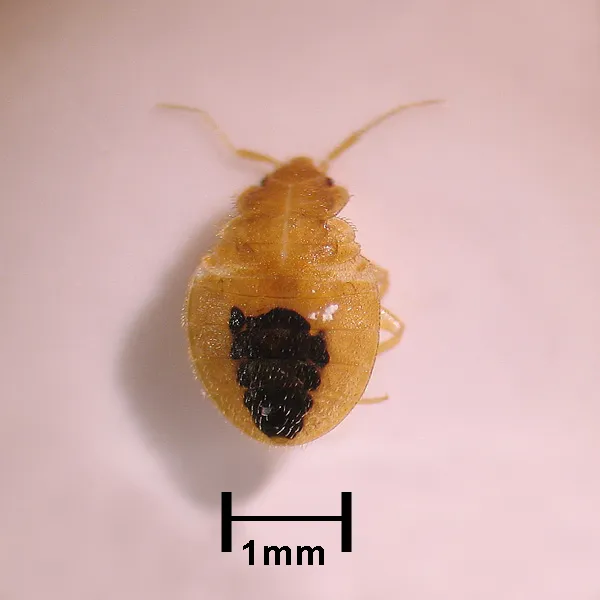
Size explains the zipper rules. EPA's bed bug life cycle page puts adults at about 3/16 to 1/4 inch (5 to 7 mm) long, a first-stage nymph at about 1/16 inch (1.5 mm) and eggs at about the size of a pinhead. So even a small gap at the end of a zipper could let the youngest stage out, and what baby bed bugs look like at each stage shows how small and pale they are.
Encasement or mattress protector?
Buy the encasement. A fitted protector is made to guard the top of a mattress against spills and leaves the underside open, while Virginia Tech says an encasement is more than a bed cover: it is meant to seal the mattress so no bed bugs can get in, and so any already inside can never bite through or escape. Before you trust the words bed bug proof in a product title, check that the cover zips all the way around and that the maker states a bed bug test.
| Cover | What it does | Best for | Limits |
|---|---|---|---|
| Zippered bed bug mattress encasement | Seals the mattress; bugs inside cannot bite through or escape and eventually starve (Virginia Tech, UC IPM) | Any bed with bed bugs, and protecting a new mattress (NPIC) | Does not stop bugs outside from crawling onto the bed (University of Kentucky); leave on a year (EPA) |
| Box spring encasement | The same seal for the box spring, a favorite hiding place that is hard to treat (Virginia Tech) | Every bed with a box spring; encase it first if you can buy only one (NPIC) | Needs the same zipper and testing checks as the mattress cover |
| Fitted mattress protector | Covers the top and sides like a sheet | Spills and stains | Does not seal the mattress, so it is not the sealed cover EPA advises |
| Pesticide-treated cover | Mentioned by EPA as a cover pre-treated with pesticide to control bed bugs | Read the label before you buy | EPA says a registered product shows an EPA registration number on its label |
| Interceptor cups (not a cover) | Catch bugs climbing the bed legs; caught six times more bugs than visual searches in research UC IPM cites | Monitoring, and cutting the bed off from the floor | Protect the bed only if it touches nothing else (EPA, Penn State) |
From EPA, NPIC, UC IPM, Penn State, Texas A&M, the University of Kentucky and Virginia Tech, all linked on this page.
Do you need a box spring encasement?
Yes, and if you can buy only one cover, it goes on the box spring. NPIC says that if only one encasement can be afforded, the box spring should be encased first, and the University of Kentucky gives the reason: box springs offer many places for bed bugs to hide and are harder to inspect afterward. Virginia Tech calls the box spring a favorite bed bug harborage that is very difficult to treat, and Virginia Tech's guide to what to expect from bed bug treatment says that if only one encasement is used, it must be on the box springs.
Most of an infestation is on the bed. Texas A&M says approximately 70 percent of the bed bugs in a typical infestation are on the mattress, box spring and bed frame. Two covers seal two of those three places, which is why both covers are worth buying together, and why the frame still needs attention afterward.
How long do you leave a bed bug mattress cover on?
A year, without opening it. EPA's top ten tips say to leave the encasements on for a year, and its do-it-yourself guide says to keep checking for bed bugs for at least a year after treatment. The reason is how long bed bugs can go without a meal: UC IPM gives 20 to 400 days, depending on temperature and humidity, and the University of Kentucky says nymphs and adults can survive up to a year or longer at 55°F or below, though about 1 to 4 months is more typical in temperature-controlled buildings.
Keep the cover whole for that year. EPA says to buy a high quality encasement that will resist tearing and to check it regularly for holes. Put a sheet or a washable pad over the encasement and launder that instead of the cover; Texas A&M says washing in hot water or tumble drying on high for 30 minutes will kill all stages of bed bugs.
How do you put on a bed bug mattress encasement?
Confirm the bugs, deal with the bedding, then seal the mattress and box spring on the same day and isolate the bed. In order:
- Confirm what you have. Look closely at a bug or the signs first; what bed bugs look like has photos of every stage.
- Strip and heat the bedding. NPIC says drying bedding on high heat for 30 minutes will kill all bed bugs.
- Treat the seams only with what a label allows. If you treat the mattress before sealing it, use only a product whose label names mattresses; the guide to bed bug sprays shows which labels allow it.
- Check the frame for sharp edges. The University of Kentucky warns to take care not to tear the encasement while fitting it, especially on a metal bed frame.
- Zip it all the way, and close the zipper guard if it has one. An open zipper is the main escape route, Virginia Tech says.
- Do the box spring the same day, with the same checks.
- Make the bed an island. EPA says to move furniture a few inches from the walls if needed and to make sure no linens touch the floor, only the bed legs; put an interceptor under each leg.
- Check every week. EPA says to inspect at least every 7 days and to check and clean interceptors every week.
What will a mattress encasement not do?
It will not end an infestation by itself. Virginia Tech's treatment guide says encasements do not prevent or control bed bugs; they make treatment easier by eliminating hiding places, and they save the mattress from being thrown away. The University of Kentucky adds that an encasement will not keep bed bugs from crawling onto the bed, so bugs in the frame, headboard or nearby furniture can still bite.
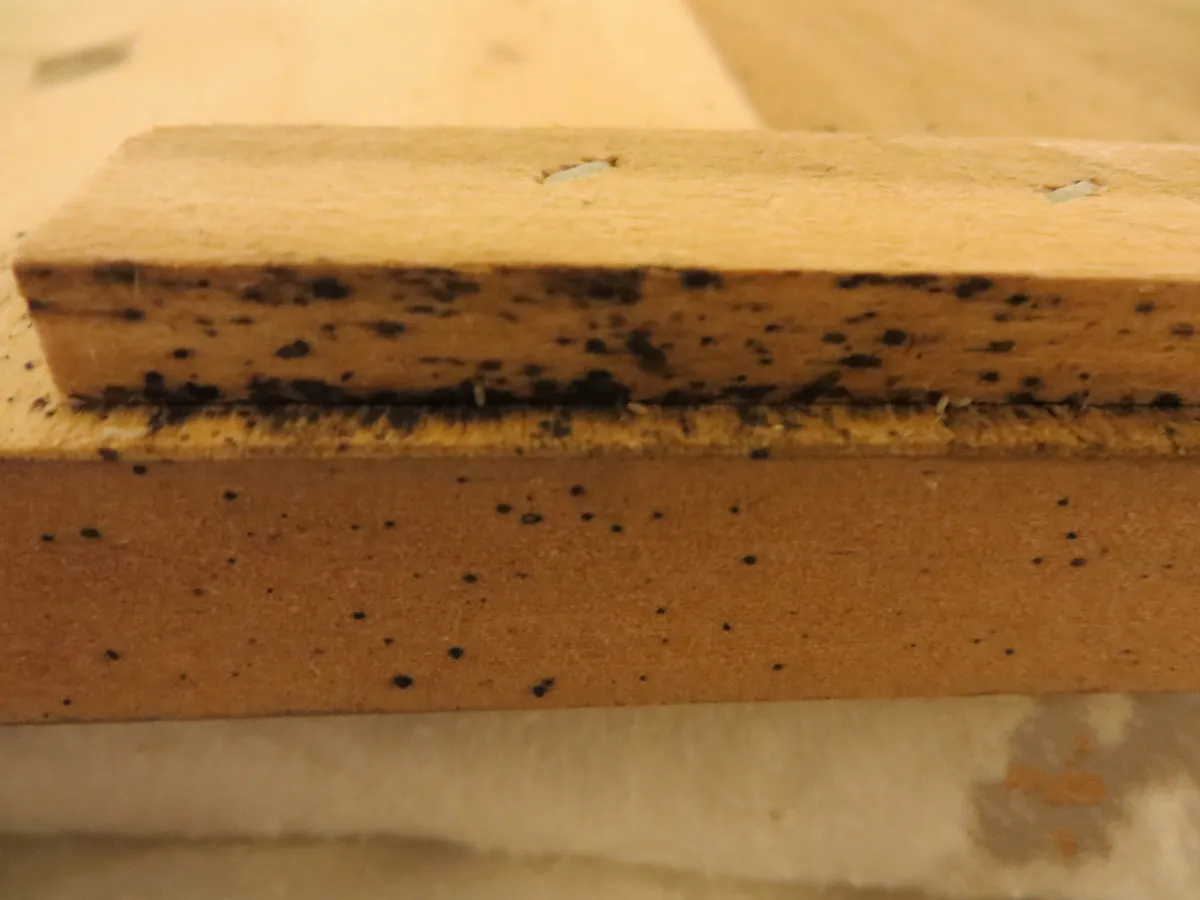
That remainder is the reason to pair the cover with treatment. Where bed bugs hide maps the frame, headboard and furniture they move to. Once the cover is on, anything new on its light surface is worth a closer look, and what shed skins and casings mean helps you tell old debris from new activity.
Do interceptors help with an encasement?
Yes; they watch the part of the room the cover cannot. UC IPM cites research in which interceptors trapped six times more bed bugs than human visual searches alone, Penn State Extension gives interceptor cups a detection rate of 89 percent, and the University of Kentucky says a trap under each bed leg also creates a barrier between the bed and the floor and helps show whether an infestation has been eliminated.
They protect the bed only if it touches nothing else. Penn State says beds should not touch walls or nearby furniture and that dust ruffles or bedding touching the floor can stop interceptors from protecting the bed. EPA says commercial and homemade interceptors are both options, and that they should be checked and cleaned every week. The bed bug interceptor guide compares cup designs, where to put them and how to read what they catch.
Should you throw out a mattress with bed bugs?
Usually not; encase it instead. The University of Kentucky calls encasements an economical alternative to discarding infested beds, NPIC says they can be used to salvage infested beds or protect replacement beds, and Virginia Tech suggests putting the mattress and box spring into encasements and having the bed frame treated instead of throwing the bed away.
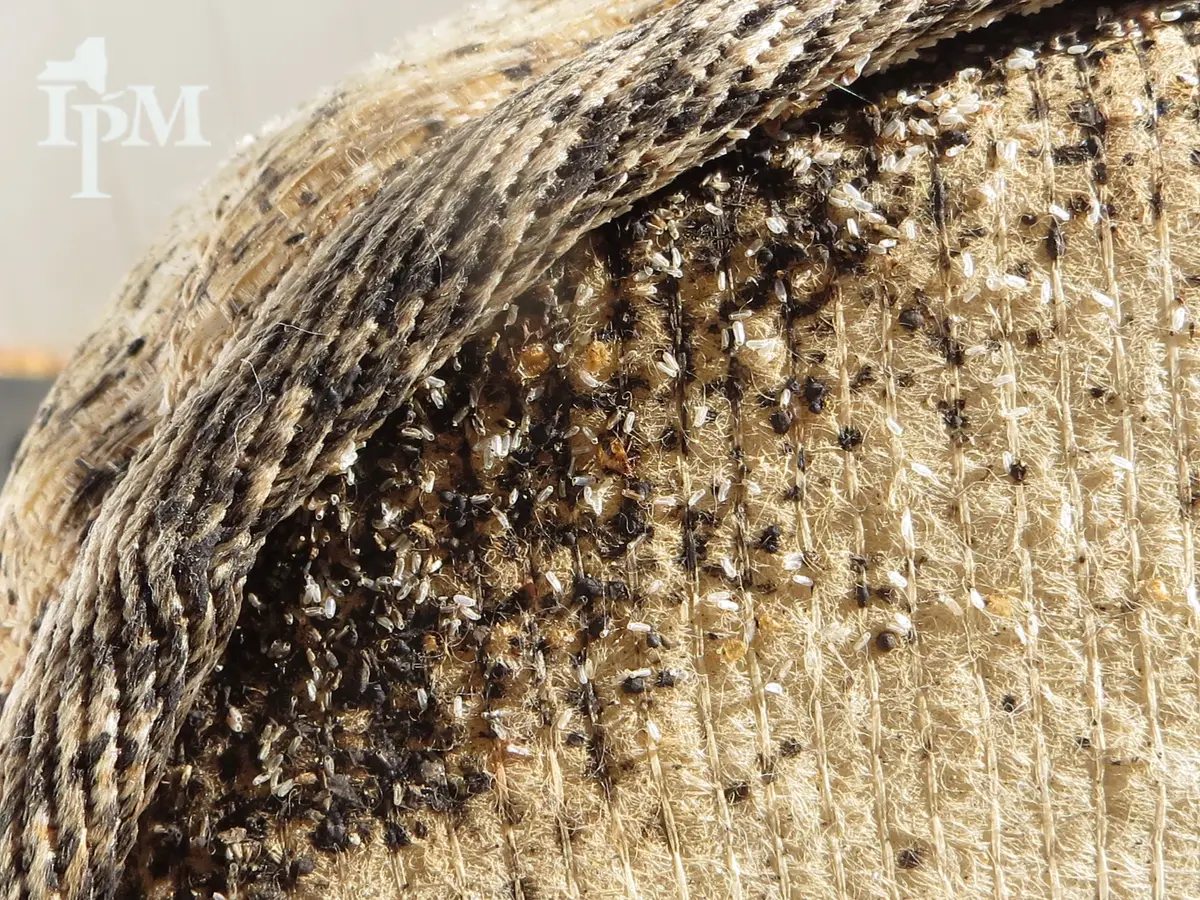
If you do get rid of one, make sure no one else takes it home: EPA's top ten tips say to slash or otherwise destroy an infested mattress before you throw it out. The guide to bed bugs on a mattress covers the signs and the cleanup step by step.
When should you call a professional?
When bed bugs are confirmed and you can afford it, or when your own work has not stopped them. UC IPM says confirmed infestations should be managed by trained professionals, and the University of Kentucky says that when resources allow, it is prudent to enlist a professional, noting that treatment can cost several hundred dollars. EPA says professionals have access to more intensive methods, including heat treatment of whole houses.
Renters should tell the landlord first: EPA says landlords may have a responsibility to participate in treatment. A professional will usually want the same covers on the bed, since Virginia Tech says a pest management company will use encasements when the infestation is in or near a sleeping area.
Frequently Asked Questions
Do bed bug mattress covers really work?+
They work as containment, not as a cure. EPA says covers that seal the mattress and box spring trap bed bugs inside, where they die, and UC IPM says trapped bugs eventually starve. Virginia Tech adds that encasements do not prevent or control bed bugs on their own; they make treatment easier by taking away hiding places and let you keep the mattress. Bugs elsewhere in the room still need treating.
Can bed bugs bite through a mattress encasement?+
Not through a good one made for bed bugs. Texas A&M says good bed bug-proof encasements are woven to prevent bed bugs from biting through, and Virginia Tech describes encasements tested to be bite proof and escape proof. The catch is the outside: the University of Kentucky says an encasement will not keep bed bugs from crawling onto the bed, so bugs living in the frame or nearby furniture can still reach you.
How long do you leave a bed bug mattress cover on?+
Leave it on for a year, as EPA advises, without unzipping it. Bed bugs can outlast shorter periods: UC IPM says they can go 20 to 400 days without feeding, depending on temperature and humidity, and the University of Kentucky says up to a year or longer at 55°F or below. EPA also says to keep checking for bed bugs for at least a year after treatment ends.
Can bed bugs escape through the zipper?+
Through an open or loose zipper, yes. Virginia Tech entomologist Dini Miller wrote that people often fail to zip the cover all the way and that this is the main escape route, that a zipper protector prevents escape even when the zipper is not entirely closed, and that the teeth must be tight enough to hold in newly hatched bed bugs, which EPA puts at about 1/16 inch (1.5 mm) long.
Can you wash a bed bug mattress encasement?+
Follow the maker's care label, but do not take the encasement off to wash it while you are dealing with bed bugs: EPA says to leave encasements on for a year, and an open zipper is how trapped bugs get out. Wash the sheet or pad on top instead. Texas A&M says washing in hot water or tumble drying on high for 30 minutes will kill all stages of bed bugs.
Is a mattress protector the same as a bed bug encasement?+
No. A fitted protector slips over the top like a sheet and leaves the underside open, so it does not seal the mattress. EPA's advice is to buy covers that seal mattresses and box springs, and Virginia Tech calls an encasement more than a bed cover: it is meant to seal the mattress so bugs cannot get in, bite through or escape. Look for a cover that zips all the way around and a bed bug testing claim.
Do I need to encase my pillows?+
None of the EPA or university guidance cited on this page calls for pillow encasements; it centers on the mattress and the box spring. Pillows that can go in a dryer can be heated instead: Texas A&M says tumble drying on high for 30 minutes kills all stages of bed bugs. If you buy pillow covers anyway, apply the same tests as for the mattress: a zipper that closes completely and a bed bug testing claim.
Is there a mattress cover that kills bed bugs?+
Most encasements do not kill anything directly; they trap bugs inside until they starve, as UC IPM describes. EPA's prevention page also mentions covers pre-treated with a pesticide to control bed bugs. If a cover claims to kill bed bugs, look for an EPA registration number on its label, because EPA says that is where a registered pesticide product shows one, and follow that label.
Should I throw out my mattress if I have bed bugs?+
Usually not. The University of Kentucky calls encasements an economical alternative to discarding infested beds, NPIC says they can be used to salvage infested beds, and Virginia Tech suggests encasing the mattress and box spring instead of throwing the bed away. If you do discard a mattress, EPA says to slash or otherwise destroy it first so no one else takes it home. NPIC also suggests encasements to protect a replacement bed.
What size bed bug encasement do I need?+
One made for your mattress's length, width and depth, so measure the depth before you order, especially on a pillow-top or other thick mattress. EPA says an encasement should be strong enough to last a full year without tearing, and the University of Kentucky warns to take care not to tear one while fitting it, so choose a depth made for your mattress rather than forcing on a smaller one. The box spring needs its own encasement.
Sources
- Top Ten Tips to Prevent or Control Bed Bugs — US Environmental Protection Agency
- Do-it-yourself Bed Bug Control — US Environmental Protection Agency
- Protecting Your Home from Bed Bugs — US Environmental Protection Agency
- Bed Bugs Appearance and Life Cycle — US Environmental Protection Agency
- Consumer Products Treated with Pesticides — US Environmental Protection Agency
- ENTFACT-636: Bed Bugs (M. F. Potter, revised March 2026) — University of Kentucky Department of Entomology
- Pest Notes: Bed Bugs (UC ANR Publication 7454; A. M. Sutherland, D. H. Choe and V. R. Lewis, updated May 2013) — University of California Statewide IPM Program
- Bed Bugs: Do-It-Yourself Control Options (ENT-3012; M. Merchant) — Texas A&M AgriLife Extension
- Bed Bugs — National Pesticide Information Center
- Non-Chemical Bed Bug Management (D. M. Miller, Virginia Tech, 2010) — Virginia Department of Agriculture and Consumer Services
- Bed Bug Treatment: What You Should Expect (D. M. Miller, Virginia Tech) — Virginia Tech, via VTechWorks
- Biology, Habitat, and Management of Bed Bugs (C. Quesada and S. Gripp, updated June 26, 2025) — Penn State Extension
Read and approved by Alex Francisco on November 5, 2026. Found an error? Email support@buzzskito.ca.