
Published by BuzzSkito Mosquito & Tick Control
Published October 29, 2026 · Fact-checked against the sources listed below
Do dust mites bite?
No. House dust mites are not parasites and cannot bite or sting people, says the University of Kentucky's fact sheet on house dust mites; their main food is dander, the flakes of skin that people and pets shed. The National Institute of Environmental Health Sciences (NIEHS) describes them as microscopic pests of house dust that can live in mattresses, bedding, upholstered furniture, carpets and curtains.
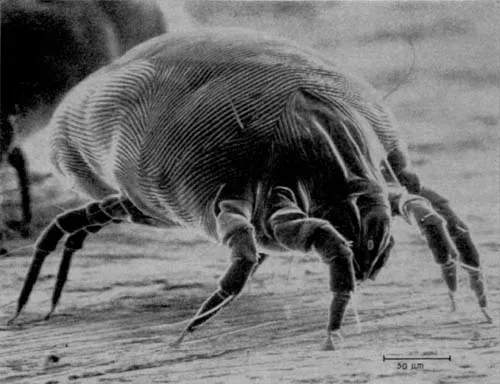
Even an adult is only about 1/50 inch (0.5 mm) long, and Kentucky says the mites are generally visible only with a microscope. What they do to people is allergy: NIEHS calls them a big source of allergens that can worsen allergies and asthma, and Kentucky lists a stuffy or runny nose, sneezing, coughing and watery eyes among the symptoms. What dust mites are and how to reduce them covers the allergy in full.
What do the bites blamed on dust mites look like?
Like the bites of whatever really made them, since dust mites leave none. Kentucky's guide to mystery bites calls the belief that dust mites cause itching and bite-like reactions untrue, and warns that bug bites are difficult to diagnose, even for physicians. The American Academy of Dermatology (AAD) notes a related mix-up: because bed bugs are rarely seen, many people mistakenly believe mosquitoes, fleas or spiders bit them. What gets called dust mite bites on humans can come from any of the causes below.
Bed bugs hide by day in mattress seams, box springs, bed frames and headboards and bite at night while people sleep, says CDC. Their bites look like mosquito or flea bites, and the AAD says they often come in clusters of 3 to 5 in a zigzag. The signs of bed bugs checklist shows what to look for, and what bed bug bites look like has more photos.
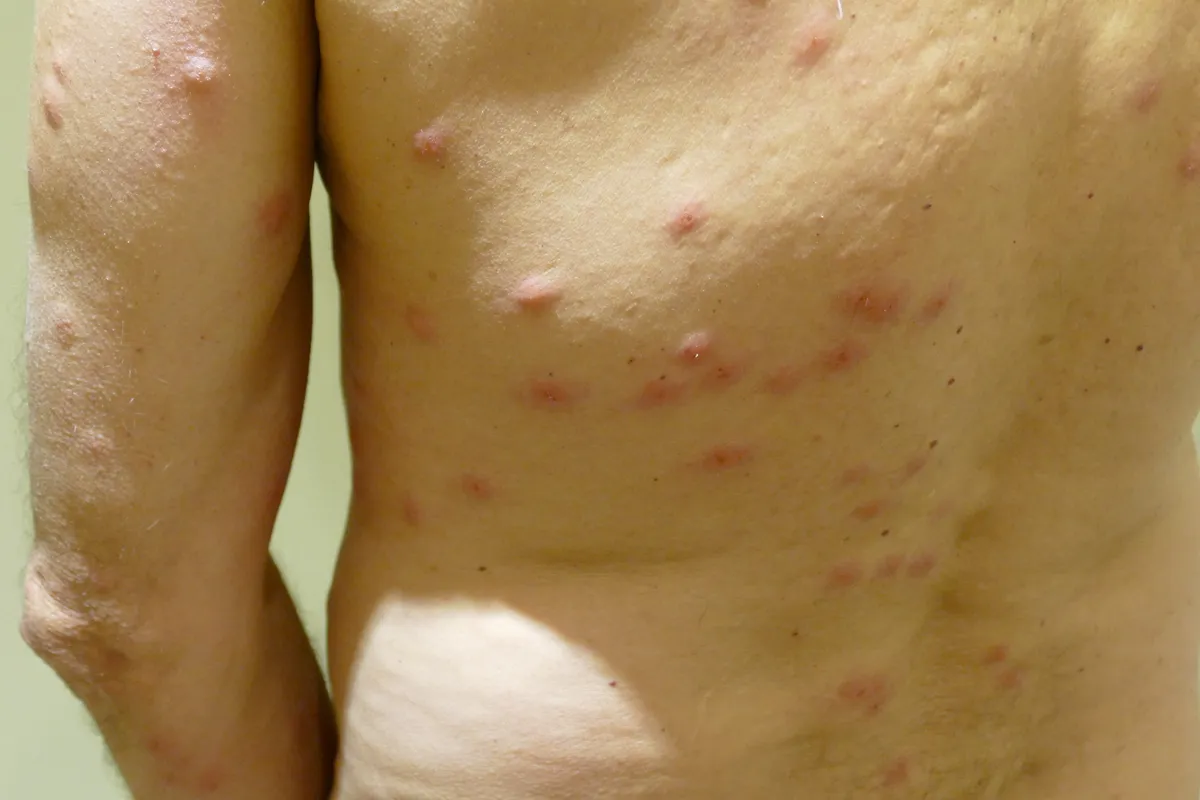
Fleas bite low: Kentucky says they generally bite low on the leg, while bed bugs bite any exposed skin. MedlinePlus describes small, very itchy red bumps, often three together, and says pet owners may not be bitten until a pet has been away for a while and the fleas go looking for other food. See fleas on people and what flea bites look like.
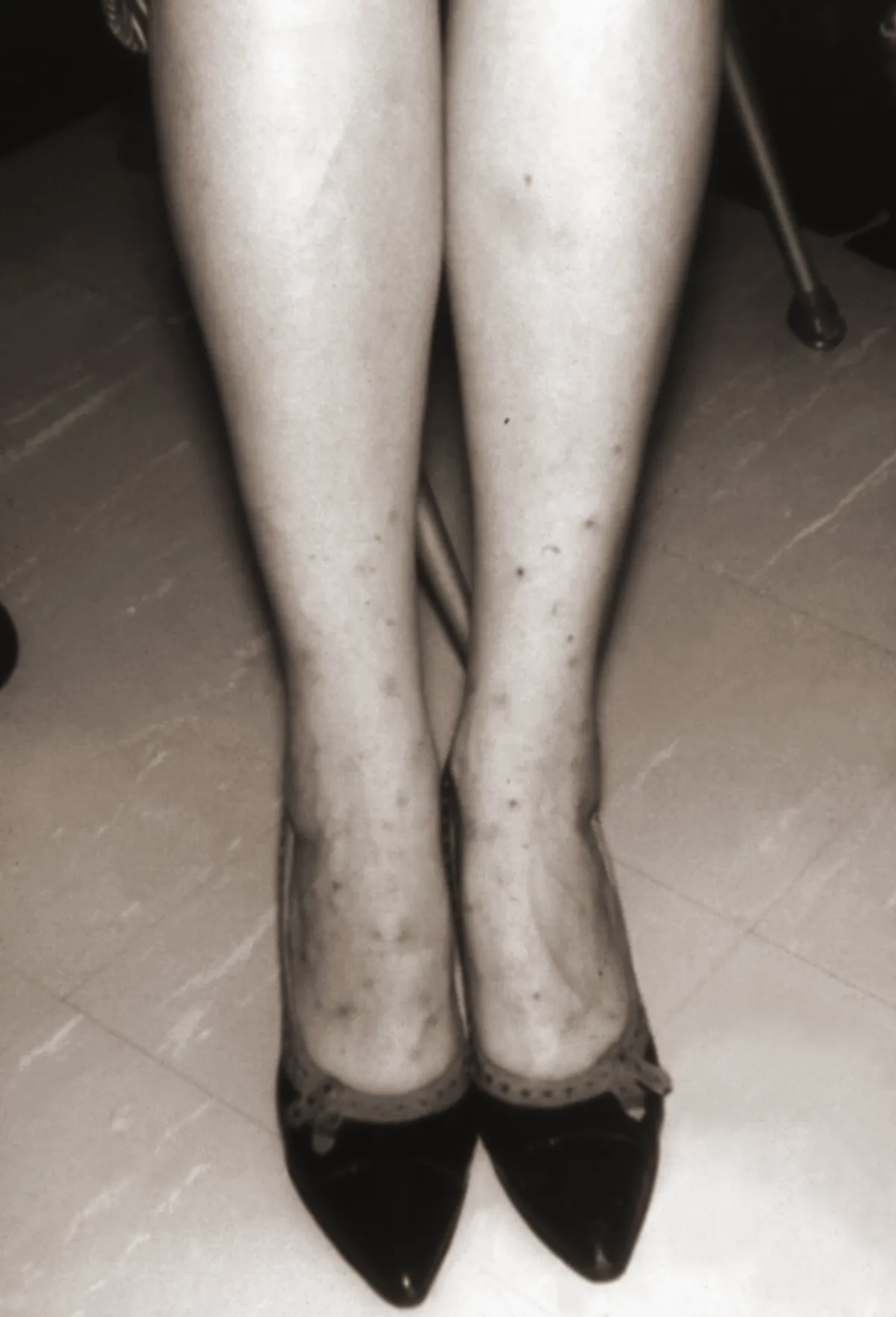
Bird and rodent mites can come indoors and bite people when a bird or rodent dies or leaves a nest in the eaves, attic or elsewhere in the building, Kentucky says. They look like dark, slow-moving specks about the size of a period. The guide to mite bites covers them and the other mites that do bite people.
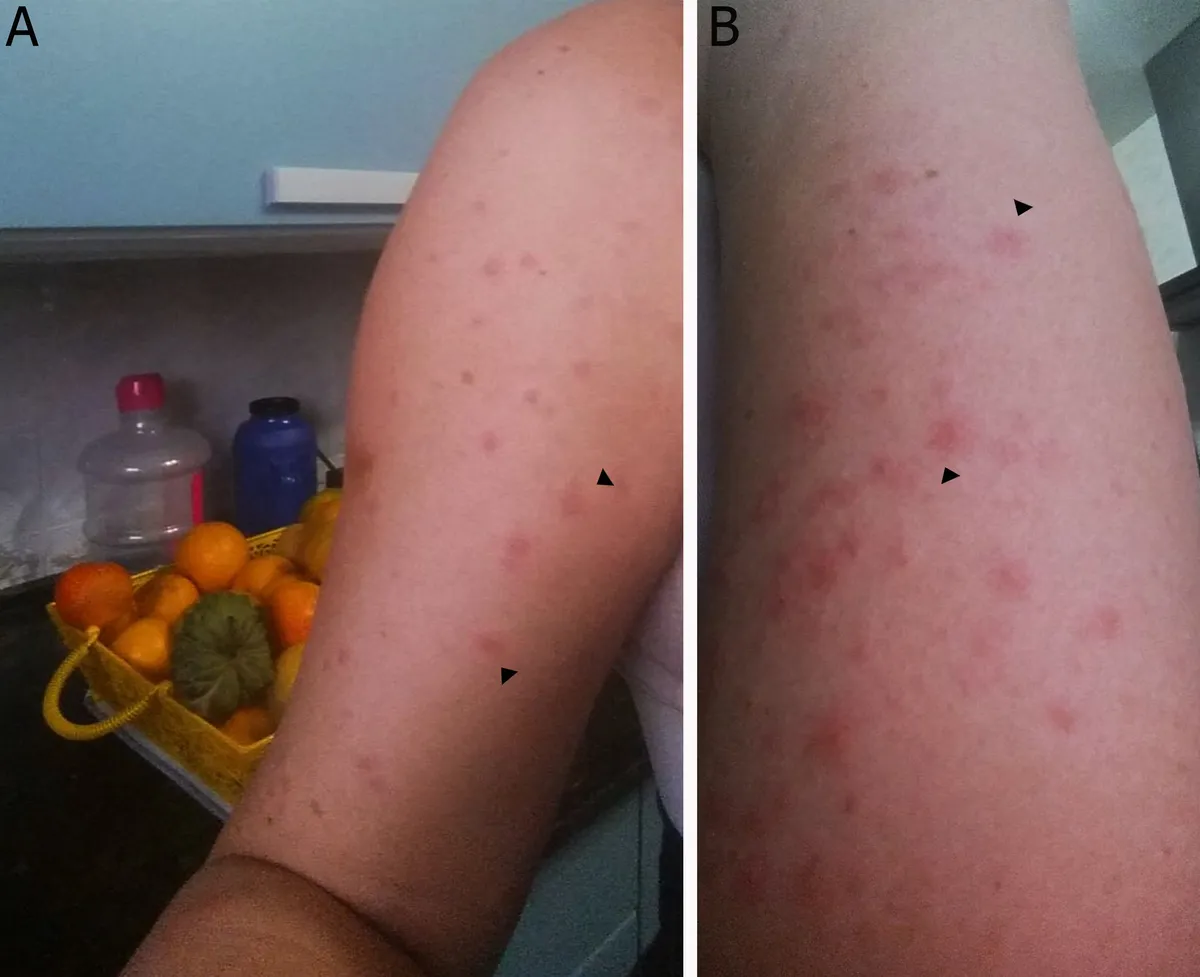
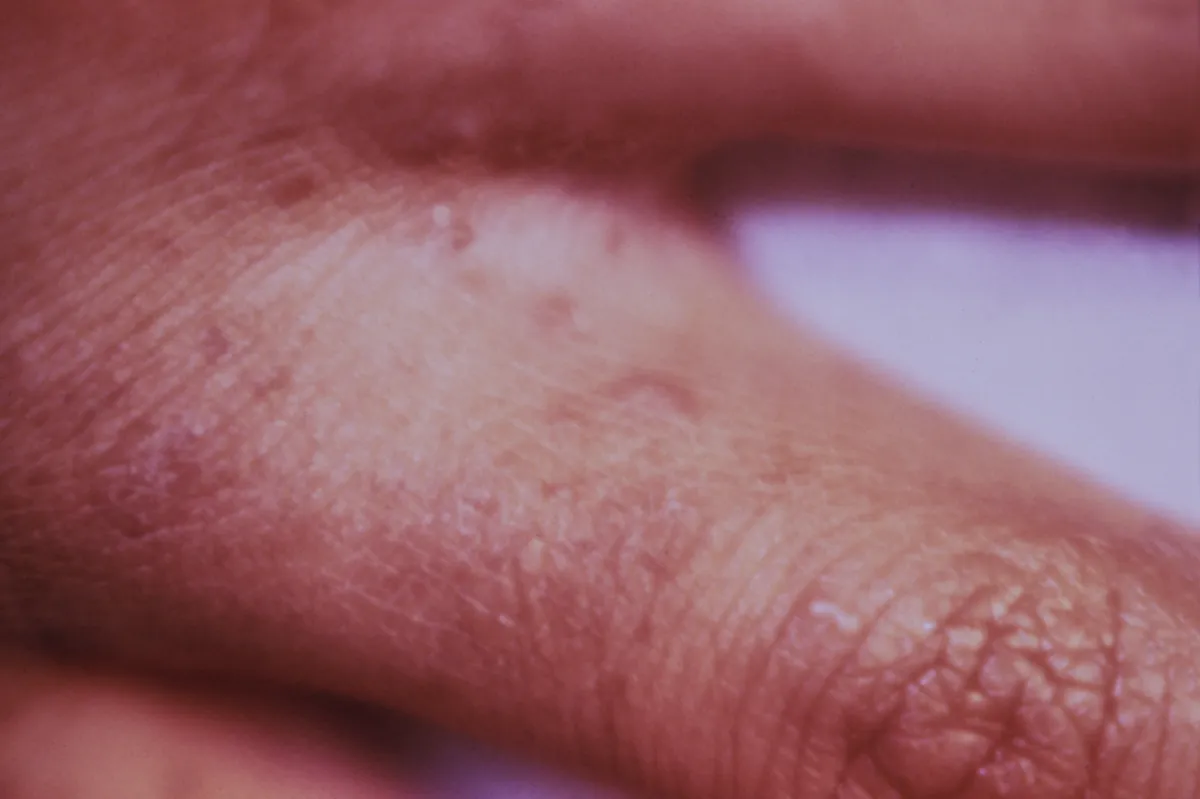
Scabies is not a bite. Female scabies mites make tiny burrows in the skin, and CDC's scabies symptoms page lists intense itching, especially at night, and a pimple-like rash between the fingers and in the folds of the wrist, elbow, knee and armpit. It spreads mainly through prolonged skin-to-skin contact with household members and sexual partners, says CDC's page on how scabies spreads, and CDC's symptoms page says that the first time, symptoms can take 3 to 6 weeks to appear. Scabies vs bed bugs compares the two.
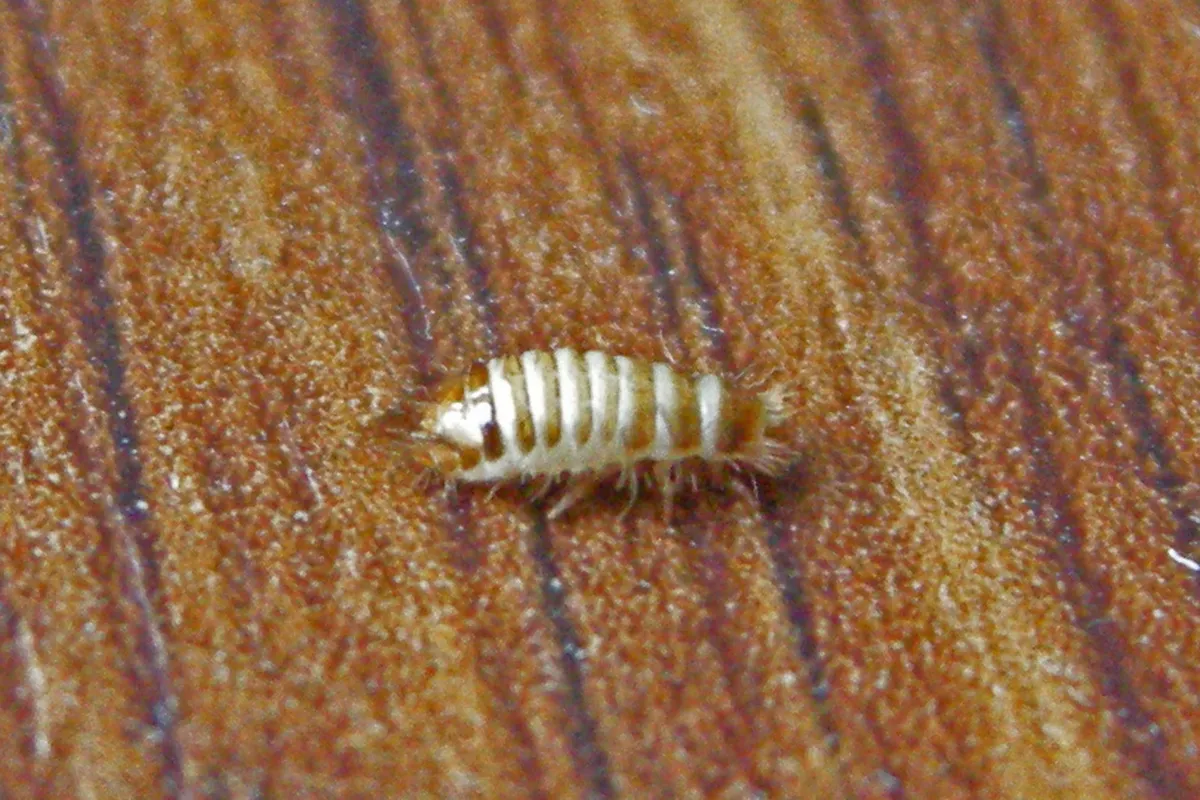
Carpet beetle larvae do not bite either. In a report in CDC's journal Emerging Infectious Diseases, the fine prickly hairs of the larvae caused itchy red bumps that mimicked bites, mostly under clothing on the thighs, arms, chest and belly, and investigators found the larvae in clothing, fabric and upholstery. Carpet beetle rash covers it.
Chiggers bite outdoors, in tall grass, weeds and berry patches and along the edges of woods, according to MedlinePlus, often around the waist, the ankles and warm skin folds. Kentucky says the welts begin itching intensely within 24 hours, so people may not connect them with the day before.
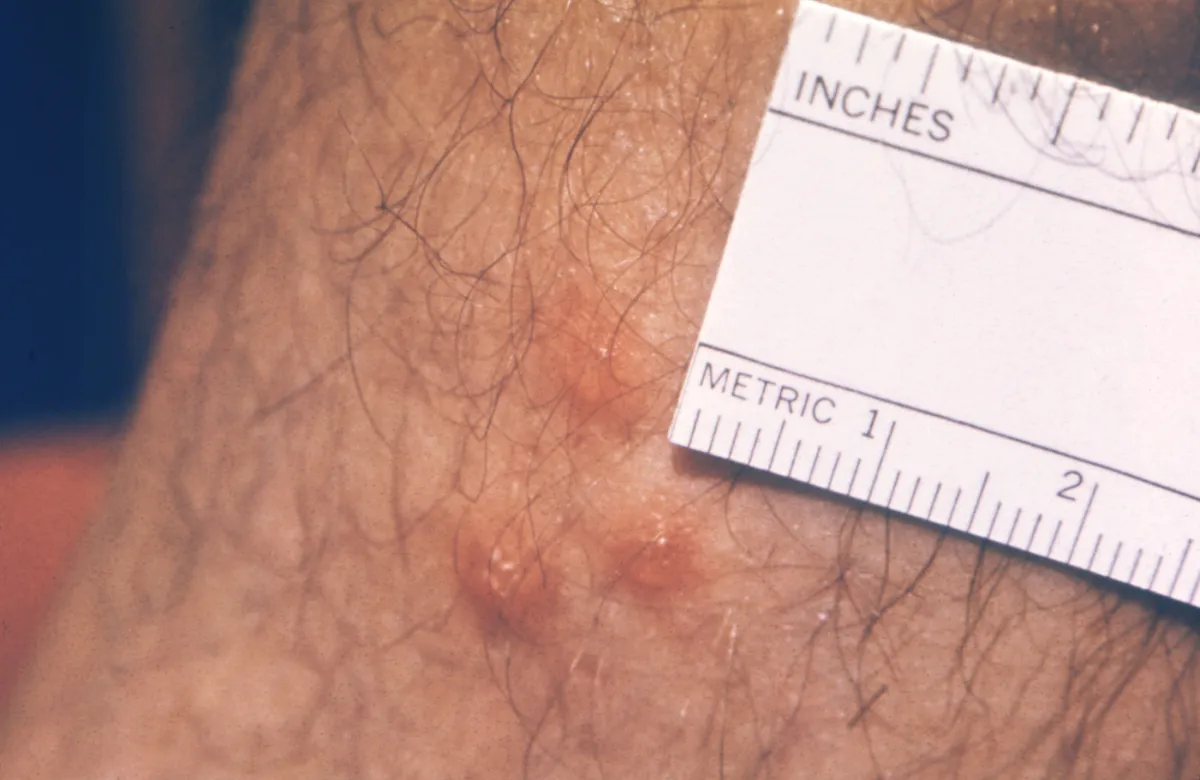
Mosquitoes raise a puffy, reddish bump a few minutes after the bite, and a hard, itchy, reddish-brown bump can follow a day or so later, says CDC; when to worry about a mosquito bite lists the warning signs. Spiders often get the blame, but Kentucky's entomologists say spider bites are rare and that, without the spider, a diagnosis from the mark alone is little more than a guess; what a spider bite looks like explains why.
What gets mistaken for dust mite bites
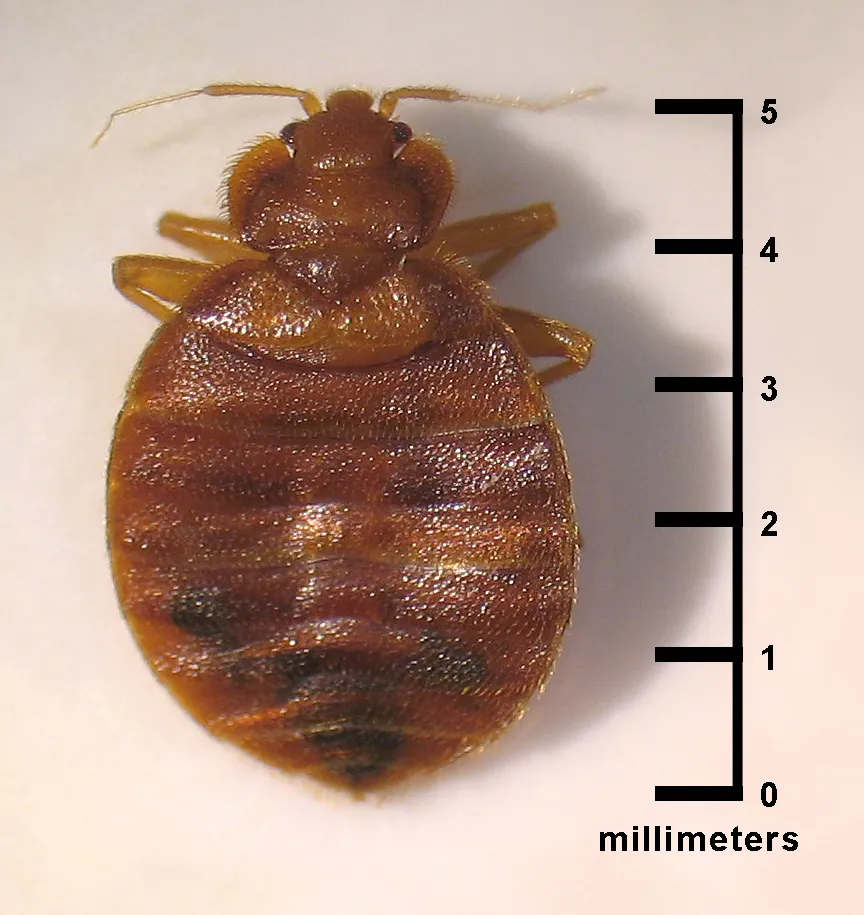 Bed bugHides by day in mattress seams and bed frames; bites at night while you sleep
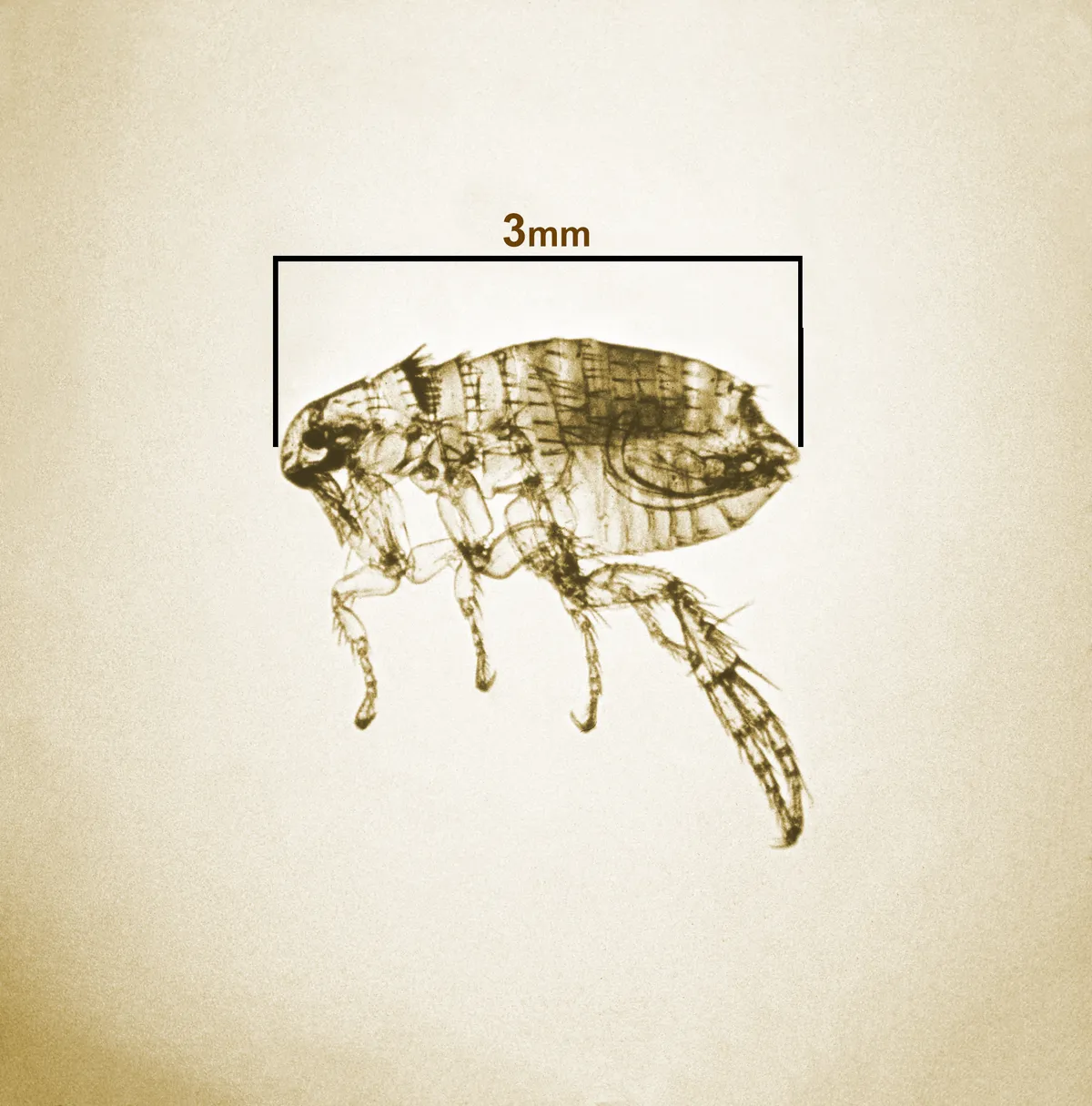 Cat fleaBrownish, about 1/8 inch long; jumps, and bites mostly low on the legs
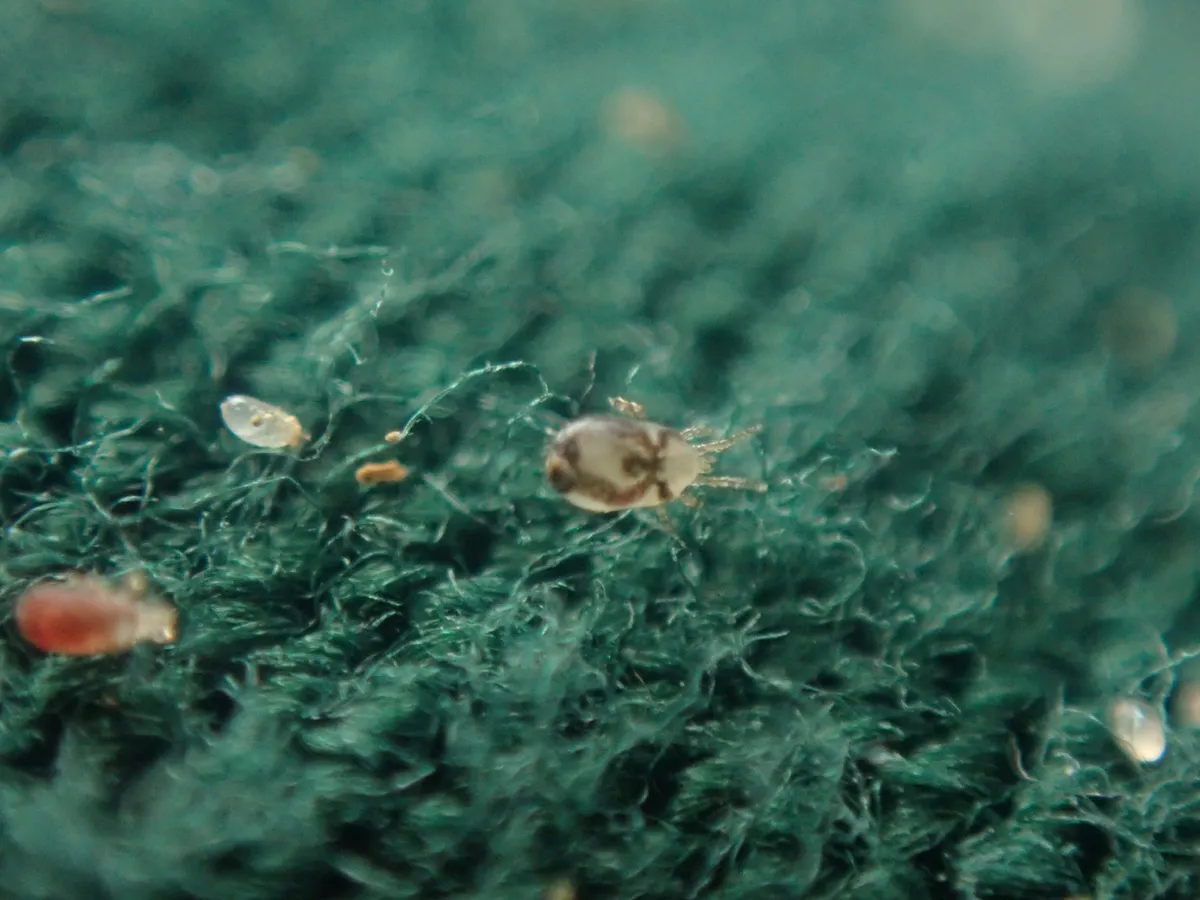 Bird miteA speck about the size of a period; can bite indoors after birds leave a nest
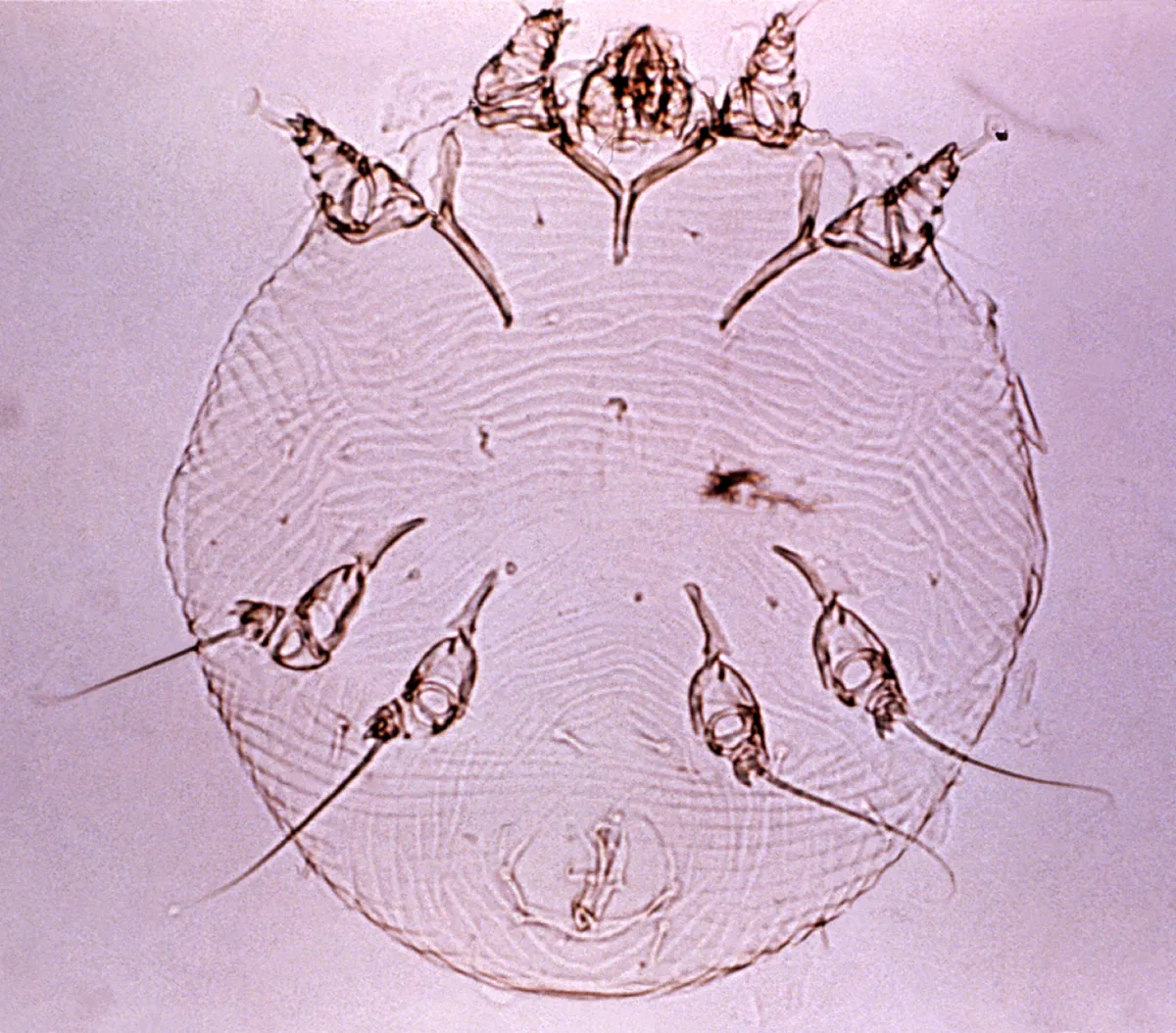 Scabies miteBurrows into the skin; intense itch, worst at night, and a pimple-like rash
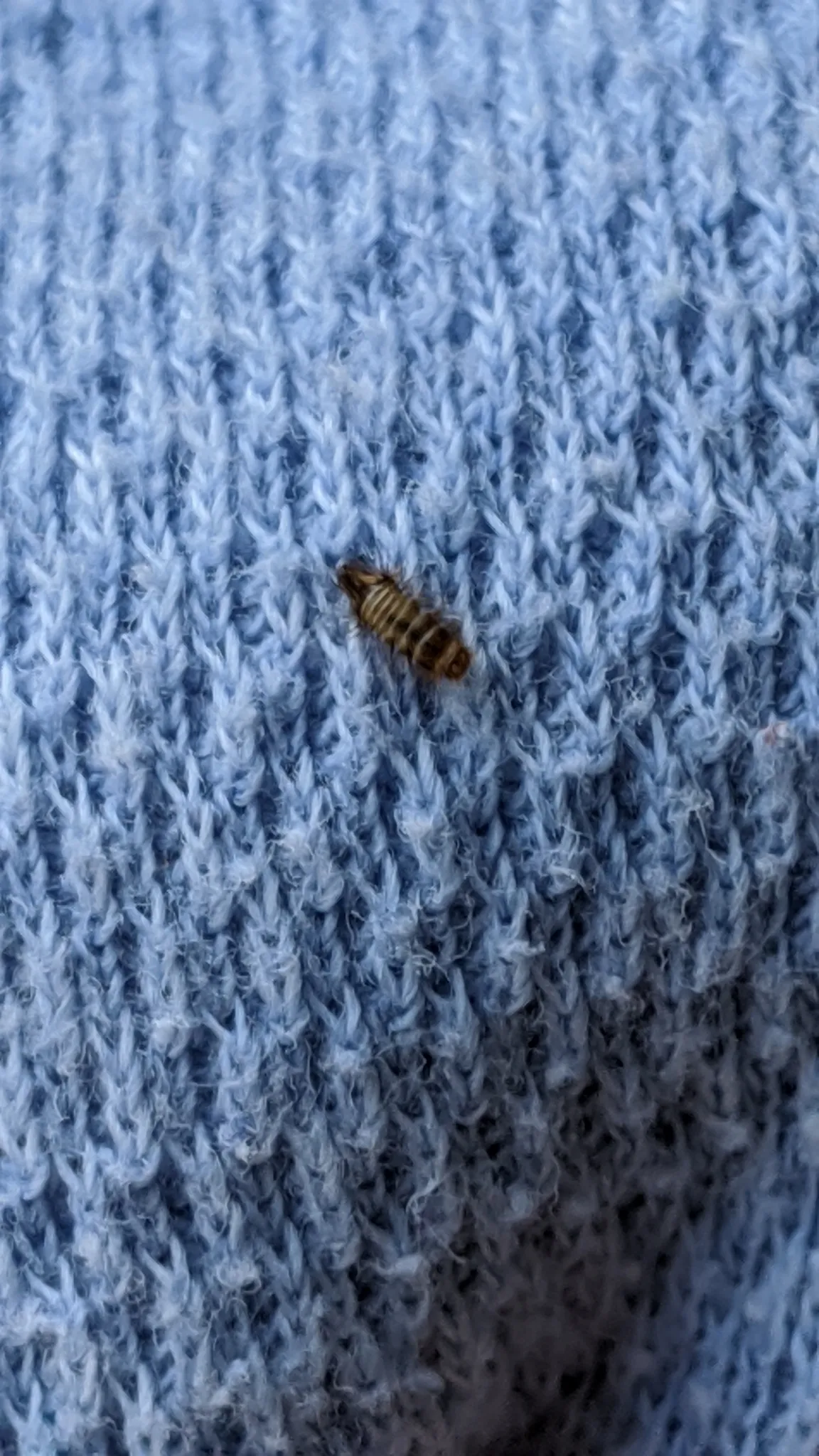 Carpet beetle larvaBristly larva in clothing, fabric or upholstery; its fine hairs can raise itchy bumps
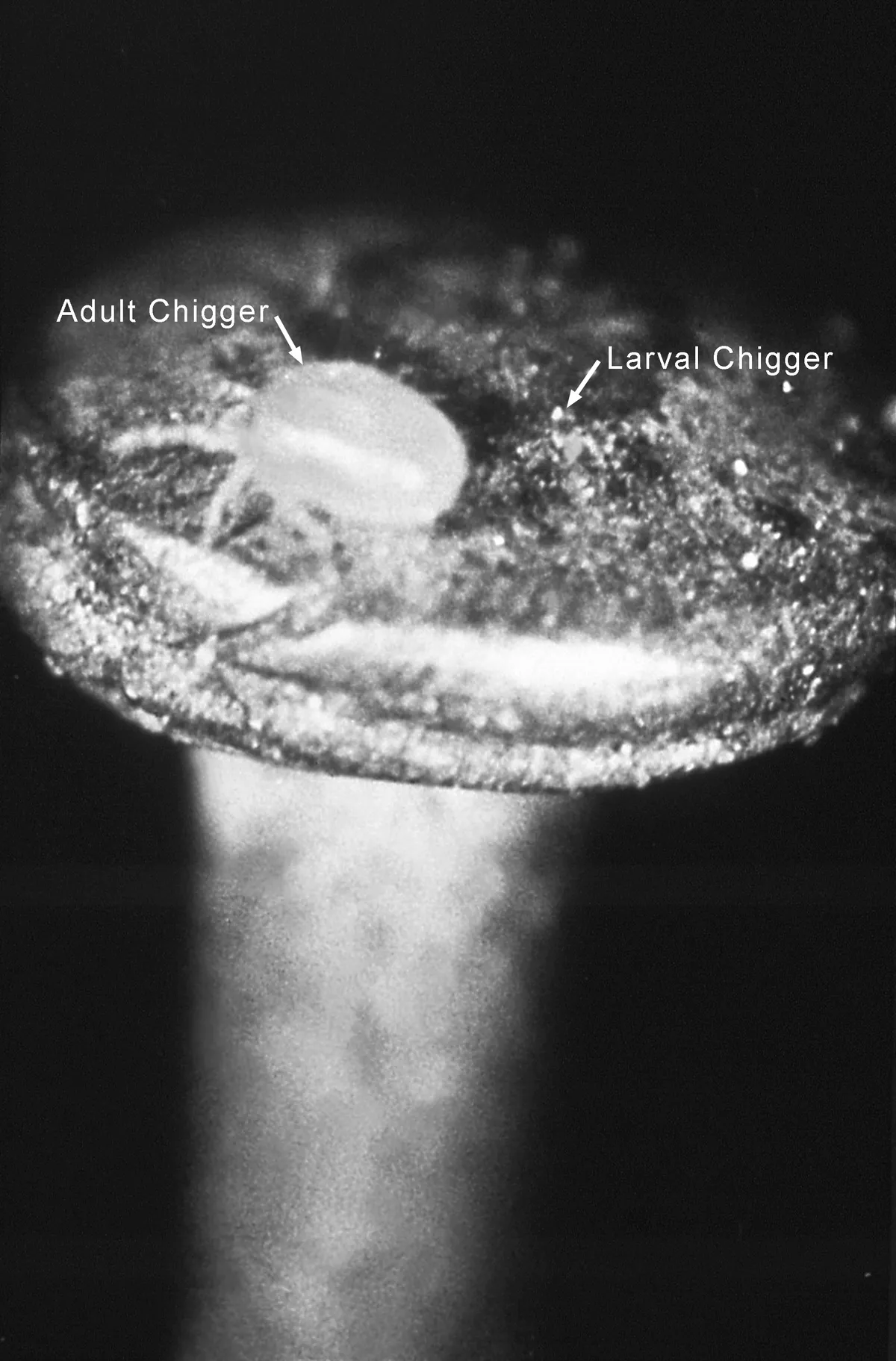 ChiggerBites outdoors after tall grass or weeds, often at the ankles, waist and armpits
Photos: Bed bug: CDC/ CDC-DPDx; Blaine Mathison (CDC Public Health Image Library, phil.cdc.gov), public domain. Cat flea: CDC (CDC Public Health Image Library, phil.cdc.gov), public domain. Bird mite: no rights reserved, via iNaturalist, CC0 1.0. Scabies mite: CDC/ Donated by the World Health Organization, Geneva, Switzerland (CDC Public Health Image Library, phil.cdc.gov), public domain. Carpet beetle larva: (c) Erin Lalime, some rights reserved (CC BY), via iNaturalist, CC BY 4.0. Chigger: Margaret A. Parsons; photo: Cornelius B. Philip, PhD, of the National Institute of Allergy and Infectious Disease (NIAID) (CDC Public Health Image Library, phil.cdc.gov), public domain.
Can a dust mite allergy cause a rash?
Not a rash of bites, but in people who have eczema, a dust mite allergy can make the rash worse. MedlinePlus lists allergies to pollen, mold, dust mites or animals among the things that can make atopic dermatitis, often called eczema, worse. It also says allergies do not cause atopic dermatitis, even though people who have it often test positive on allergy skin tests.
In eczema, the AAD's page on what causes atopic dermatitis explains, the outer layer of skin has gaps that let moisture out and let everyday things, from dust mites to fragrances, get inside, where they can lead to inflammation. For a child whose severe eczema does not get better with treatment and skin care, the AAD's guide to indoor eczema triggers says dust mites could be a trigger.
What a flare looks like: NIAMS, part of the National Institutes of Health, says itching is the most common symptom of atopic dermatitis and can be severe. In teens and adults it describes a red to dark brown, scaly rash that may bleed and crust when scratched, usually on the hands, the neck, the bends of the elbows and knees, the skin around the eyes, and the ankles and feet; on darker skin, inflamed areas often turn darker or lighter. MedlinePlus notes it is often called the itch that rashes, because the itch comes first.
How is an eczema flare different from bites?
By its shape, its places and its timing, as the health agencies describe them, though only a clinician can tell you which you have. Kentucky's entomologists say bug bites are difficult to diagnose even for physicians, so use the table to decide what to ask your doctor about, not as a diagnosis.
| Clue | Eczema flare | Bites |
|---|---|---|
| What it looks like | A red to dark brown, scaly rash that may crust when scratched (NIAMS) | Bumps or welts, such as a slightly swollen red area for bed bugs or small red bumps for fleas (CDC, MedlinePlus) |
| Timing | The itch can start before the rash (MedlinePlus) | A mosquito bump within minutes; bed bug marks one to several days later, up to 14 (CDC) |
| Where | Hands, neck, bends of the elbows and knees, around the eyes, ankles and feet (NIAMS) | Low on the legs for fleas; any skin left uncovered in bed for bed bugs (Kentucky, CDC) |
| Over time | Flares that come and go, with spells when the skin improves or clears (NIAMS) | Bed bug bites usually heal within a week or two (AAD) |
| Who gets it | Often people with asthma or seasonal allergies, or a family history of them (MedlinePlus) | Anyone a biter reaches, though some people have little or no reaction to bed bug bites (Kentucky) |
| Spreads to others? | No: NIAMS says it is not contagious | Scabies, which is not a bite, spreads through prolonged skin-to-skin contact (CDC) |
From NIAMS, MedlinePlus, CDC, the AAD and the University of Kentucky, each linked on this page. A guide to what to ask about, not a way to diagnose a rash.
How do you find out what is really biting you?
Look for the biter before you treat anything. Kentucky's entomologists say confirming bed bugs takes finding the bugs, their shed skins or dark fecal spots, and that no pesticide should be applied unless biting pests or clear evidence of them are found or strongly suspected.
- Check the bed. The EPA's guide to finding bed bugs says to look along the piping, seams and tags of the mattress and box spring and in cracks of the bed frame and headboard for rusty or reddish stains, dark spots that may bleed on the fabric like a marker, tiny eggs about 1/25 inch (1 mm) long, pale yellow shed skins and live bugs. Kentucky adds that small dish-shaped traps under the legs of the bed can catch wandering bed bugs.
- Check pets and floors for fleas. Kentucky suggests examining pets, setting a flea trap, or walking through the house in white socks pulled high, which makes fleas easier to spot.
- Look for an empty nest. Bird and rodent mites can follow a bird or rodent that died or left a nest in the building. Glue traps set where bites happen can catch a biter, though Kentucky says they are not always reliable.
- Keep a specimen. Put anything you catch in a container that cannot be crushed, not an envelope or tape, as Kentucky advises. The University of California's guide to unexplained itching says a trained entomologist's identification of a specimen is what confirms the cause.
- Show your doctor the skin. UC IPM says the first person to contact is your family physician or primary health care provider, and if no pests turn up, Kentucky says a dermatologist may be the next step.
If nothing turns up, the itch may have another cause. Kentucky names tiny fragments of paper, fabric or insulation, static electricity that makes body hair move as if something were crawling, and dry winter skin, and MedlinePlus's page on itching adds eczema, hives, irritants such as soaps or wool, medicines and some illnesses. Bites but no sign of bed bugs goes through the night-time suspects one by one, and the bug bite identifier asks six questions about your bites.
What helps if dust mites are behind it?
Confirm the allergy, then cut exposure in the bedroom. NIEHS says people who suspect a dust mite allergy can see their doctor and get tested, and that dust mites cannot be completely eliminated, though their numbers can be reduced. Its main steps, in short:
- Encase mattresses and pillows in dust-proof or allergen-impermeable covers.
- Wash all bedding and blankets every week in hot water, 130 to 140°F, and freeze bedding that cannot be washed overnight.
- Dry the air to 50% humidity or less with a dehumidifier or an air conditioner.
The AAD, which notes that dust mites live in everyone's home, gives similar steps for a child whose severe eczema treatment and skin care do not help: dust mite covers on the pillows and mattress, weekly hot-water washing of the bedding with a fragrance-free, dye-free detergent, no rugs or carpets in the child's room, and dusting it every week. Products that kill the mites are another matter: Kentucky's entomologists say benzyl benzoate kills them, but clinical trials are lacking that show it improves allergy symptoms much. The full guide to dust mites has every step and the evidence behind it.
How do you treat itchy bumps and rashes?
There is no dust mite bite to treat, so care for the itch while you find the cause, using any product only as its label directs. For most bites, MedlinePlus suggests washing with soap and water, ice wrapped in a washcloth for 10 minutes on and 10 off, and, if needed, an antihistamine or an anti-itch cream, then watching for signs of infection such as more redness, swelling or pain. Its page on itching adds short fingernails, cold compresses, loose nightclothes and a moisturizer, and says to avoid scratching.
Bed bug bites usually heal within a week or two, the AAD says. Eczema needs its own care: MedlinePlus suggests moisturizing two to three times a day with products free of alcohol, scents and dyes, along with short, cooler baths rather than long, hot ones, and says a provider can prescribe treatment. Suspected scabies goes to a healthcare provider, as CDC advises.
What should you do next?
Go by what you noticed:
- Sneezing, a stuffy nose or watery eyes at home, and no bites: ask your doctor about testing for a dust mite allergy, as NIEHS suggests, and start the bedroom steps above.
- Separate itchy bumps: they are not dust mite bites. Check the bed, your pets and any nearby nests, and compare your bumps with other bites on the bug bite identification chart.
- An itchy, scaly rash that comes and goes: see a doctor about eczema; a dust mite allergy may be one of the things that make it worse.
- A night itch with a rash between the fingers or in skin folds: contact a healthcare provider about scabies, as CDC advises.
This guide is general educational information, not medical advice. If you have symptoms or concerns after a bite or exposure, contact a healthcare provider.
Frequently Asked Questions
Can you feel dust mites crawling on your skin?+
None of the health or extension sources on this page says you can. House dust mites live in the dust of beds, couches and carpet and are generally too small to see, and University of Kentucky entomologists say they are not parasites and cannot bite or sting. A crawling feeling has other causes: Kentucky says static electricity can make body hair move as if something were crawling, and that tiny fragments of paper, fabric or insulation and dry winter skin can irritate. The University of California's guide says to contact your family physician first.
Why do I itch in bed if dust mites do not bite?+
Something else is usually at work. CDC says bed bugs bite people at night while they sleep, and that scabies brings intense itching, especially at night. Eczema can itch at any hour, and NIAMS says itching is its most common symptom. Kentucky's entomologists add dry winter skin, static electricity and fibers from paper, fabric or insulation. MedlinePlus advises contacting a provider when itching is severe, does not go away or cannot be easily explained.
Are dust mite bites contagious?+
There are no dust mite bites to pass on: University of Kentucky entomologists say dust mites cannot bite or sting. An eczema flare is not contagious either, according to NIAMS. The itchy rash that does spread from person to person is scabies, which CDC says passes mainly through prolonged skin-to-skin contact with household members and sexual partners, and less often through shared clothing, towels or bedding. CDC advises contacting a healthcare provider if you suspect it.
How long do dust mite bites last?+
Dust mites leave no bites, so how long the bumps last depends on what made them. The American Academy of Dermatology says bed bug bites usually heal within a week or two. An eczema flare comes and goes, NIAMS says, with spells when the skin improves or clears. MedlinePlus advises contacting a provider when eczema does not get better with home care, and the AAD lists a rash that spreads rapidly or comes with a fever among the reasons to get medical care.
Can dust mites cause eczema?+
Not as the cause, according to MedlinePlus, which says atopic dermatitis is not caused by allergies, though people who have it often test positive on allergy skin tests. Dust mites can make it worse: MedlinePlus lists allergies to dust mites among the things that can, and the American Academy of Dermatology says they could be a trigger when a child has severe eczema that treatment and skin care do not help. A doctor can test for the allergy.
What is the difference between dust mite bites and bed bug bites?+
Only bed bugs bite. CDC says bed bug bites look like a slightly swollen, red area that may itch, at random or in a straight line, on the face, neck, arms, hands or other skin after sleeping, and the American Academy of Dermatology says they often come in clusters of 3 to 5 in a zigzag. Dust mites cannot bite or sting, Kentucky's entomologists say. To confirm bed bugs, Kentucky says you need to find the bugs, their shed skins or dark fecal spots.
Can dust mites make you itch all over?+
Not by biting. University of Kentucky entomologists call the belief that dust mites cause itching and bite-like reactions untrue; their effect is allergy, such as a stuffy or runny nose, sneezing and watery eyes. In people with eczema, MedlinePlus lists a dust mite allergy among the things that can make it worse. Itching all over has many other causes, from dry skin to medicines and some illnesses, and MedlinePlus advises having itching all over your body checked as soon as possible.
How can I tell a dust mite allergy from bites?+
Ask a doctor about testing. NIEHS says people who suspect they are allergic to dust mites can see their doctor and get tested. The University of Kentucky lists a stuffy or runny nose, sneezing, coughing and watery eyes as symptoms of a dust mite allergy, and NIEHS says the mites can worsen allergies and asthma. The AAD says dust mites live in everyone's home, so the symptoms and a test, not a look at the mattress, tell you whether they matter for you.
Should you spray for dust mites if you have bites?+
No spray is needed for dust mite bites, because dust mites cannot bite. University of Kentucky entomologists say no pesticide should be applied unless biting pests or clear evidence of them are found or strongly suspected, so identify the biter first. For a dust mite allergy, they say benzyl benzoate kills the mites, but clinical trials are lacking that show it improves allergy symptoms much, and NIEHS's steps are covers, weekly hot washing and lower humidity.
Sources
- House Dust Mites (ENTFACT-646; S. Principato, M. Potter and Z. DeVries, revised March 2026) — University of Kentucky Department of Entomology
- Mystery Bites: Insect and Non-Insect Causes (ENTFACT-649; M. F. Potter, revised March 2026) — University of Kentucky Department of Entomology
- Dust Mites and Cockroaches (last reviewed March 6, 2026) — National Institute of Environmental Health Sciences, National Institutes of Health
- Atopic dermatitis (Medical Encyclopedia, reviewed October 13, 2024) — MedlinePlus, US National Library of Medicine
- Atopic Dermatitis (last reviewed November 2022) — National Institute of Arthritis and Musculoskeletal and Skin Diseases, National Institutes of Health
- Eczema types: Atopic dermatitis causes (last updated October 10, 2023) — American Academy of Dermatology
- How can I find indoor eczema triggers? — American Academy of Dermatology
- About Bed Bugs (April 26, 2024) — Centers for Disease Control and Prevention
- Bedbugs: Diagnosis and treatment — American Academy of Dermatology
- How to Find Bed Bugs (updated September 8, 2026) — US Environmental Protection Agency
- Fleas (Medical Encyclopedia, reviewed October 13, 2024) — MedlinePlus, US National Library of Medicine
- Symptoms of Scabies (January 12, 2024) — Centers for Disease Control and Prevention
- How Scabies Spreads (February 23, 2024) — Centers for Disease Control and Prevention
- Anthrenus sp. and an Uncommon Cluster of Dermatitis (L. Simon and others; Emerging Infectious Diseases, volume 27, number 7, July 2021) — Centers for Disease Control and Prevention
- Chiggers (Medical Encyclopedia, reviewed October 9, 2024) — MedlinePlus, US National Library of Medicine
- About Mosquito Bites (June 21, 2024) — Centers for Disease Control and Prevention
- Insect bites and stings (Medical Encyclopedia, reviewed October 14, 2025) — MedlinePlus, US National Library of Medicine
- Itching (Medical Encyclopedia, reviewed August 5, 2024) — MedlinePlus, US National Library of Medicine
- Rash 101 in adults: When to seek medical treatment (last updated January 22, 2024) — American Academy of Dermatology
- Pest Notes: Itching and Infestation: What's Attacking Me? (UC ANR Publication 7443; L. B. Kimsey, R. B. Kimsey and E. C. Mussen, updated September 2020) — University of California Statewide IPM Program
How this guide was made: it was researched and drafted with AI assistance from the sources listed above. A second, independent AI pass then checked each factual claim against those sources. Found an error? Email support@buzzskito.ca.