Published by BuzzSkito Mosquito & Tick Control
Published October 28, 2026 · Fact-checked against the sources listed below
What are sand fleas?
Sand flea is a nickname for several unrelated animals, not one species. On US beaches the name is given to two small crustaceans, beach hoppers and mole crabs; in the tropics it also means the chigoe flea, a true flea that burrows into skin. Cleveland Clinic's guide to sand flea bites notes that the most common and least dangerous sand fleas are crustaceans, kin to crabs and lobsters, also known as sand hoppers, beach fleas or beach hoppers.
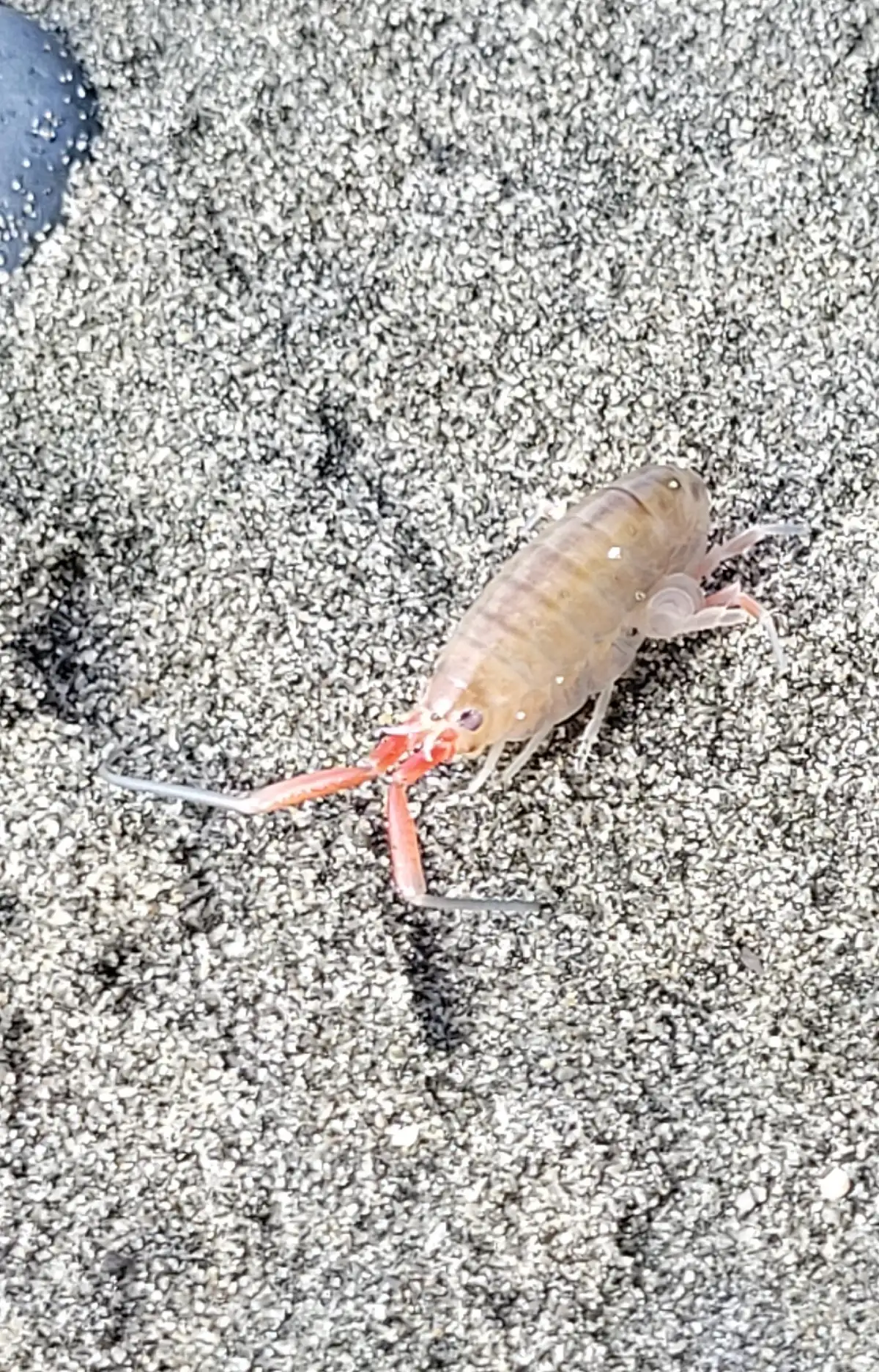
Beach hoppers are amphipods, relatives of crabs and shrimp, and the National Park Service says they are often called sand fleas because they can jump impressive distances. Mole crabs are the sand fleas that surf anglers dig out of the wash of the waves.
The names overlap. CDC's parasitology page on tungiasis lists jigger among the chigoe flea's other names, and Walter Ebeling's Urban Entomology, a 1975 textbook hosted by UC Riverside's entomology department, says it has been called a chigger as well, though the true chigger is the larva of a mite.
What do beach hoppers look like, and where do they live?
Beach hoppers vary by species. The one in the photo above, the California beach hopper, has an ivory, gray-white or gray-green body, round black eyes and pinkish-orange to reddish antennae, and grows to about 1.1 inches (2.8 cm), according to Walla Walla University's invertebrate guide. It lives on Pacific beaches from southern California north into Canada.
Look for them where the high tide leaves its debris. Walla Walla says the California beach hopper lives high on wide, fine-sand beaches, usually near decaying seaweed. It hides by day in burrows up to about 12 inches (30 cm) deep, comes out at night to feed on the seaweed and often moves down toward the waterline to eat.
On the Atlantic coast, the National Park Service at Cape Cod describes wrack, the mix of seaweed and salt marsh plants that high tides leave on the beach, as home to numerous invertebrates, with amphipods among the animals that shred it.
Do sand fleas bite?
The crustaceans called sand fleas do not feed on blood: beach hoppers eat decaying seaweed, and mole crabs strain plankton and debris from the water. Both are described as harmless. Ebeling's text says the small amphipods called sand fleas that live under beached seaweed get blamed for bites but are entirely harmless, and UF/IFAS Extension in Escambia County, Florida says mole crabs are clawless and cannot bite or pinch.
One medical source is less categorical: Cleveland Clinic says these crustaceans might cause red, itchy bumps that usually go away in a few days. If you were bitten on the sand, consider the insects that share the beach. Ebeling names two: fleas, which may turn up on beaches near homes, and stable flies, often found in piles of seaweed.
The chigoe flea, covered below, is the exception: its mated females burrow into the skin.
What are the mole crabs anglers call sand fleas?
Mole crabs are small, oval crustaceans that live in the swash zone, the wet sand where waves break and run up the beach. The Florida Fish and Wildlife Conservation Commission describes the Atlantic mole crab, Emerita talpoida, as light brownish gray and up to 2 inches long, with five pairs of legs, no claws on the first pair and two feathery antennae for filtering plankton and debris from the water. It digs into the sand tail first.
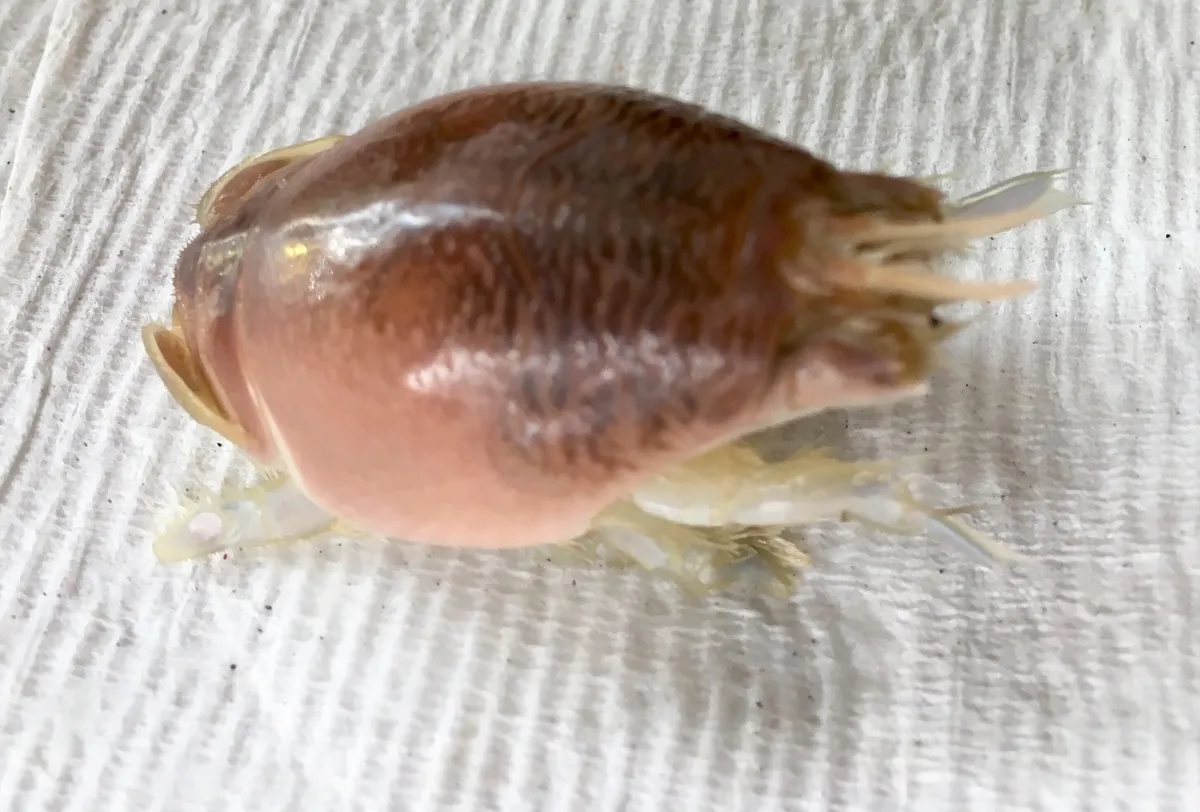
UF/IFAS Extension puts the sand fleas of Florida's Gulf Coast at about 1/2 inch to 1 inch long, with rounded white or gray shells. They are the sand fleas of surf fishing: most local fishermen consider them the perfect bait for pompano, UF/IFAS says, and collect them with a combined rake, shovel and sieve.
Which beach bugs bite?
Several insects bite on US beaches, and any of them can leave bites that get blamed on sand fleas: biting midges, stable flies, greenheads, mosquitoes and, near homes, fleas.
Biting midges (no-see-ums)
Biting midges are tiny bloodsucking flies, also called no-see-ums, sand flies or sand gnats. The University of Florida's profile of biting midges calls them often abundant and persistent pests of beachgoers, campers and fishers in US coastal areas. Adults are usually 1/25 to 1/12 inch long (1 to 2 mm), most with spotted wings, and in Florida several coastal species breed in marshes, swamps and mangroves. Most species bite at dusk, at night or in the morning, but in coastal areas many bite in broad daylight. The guide to no-see-ums covers them in full.
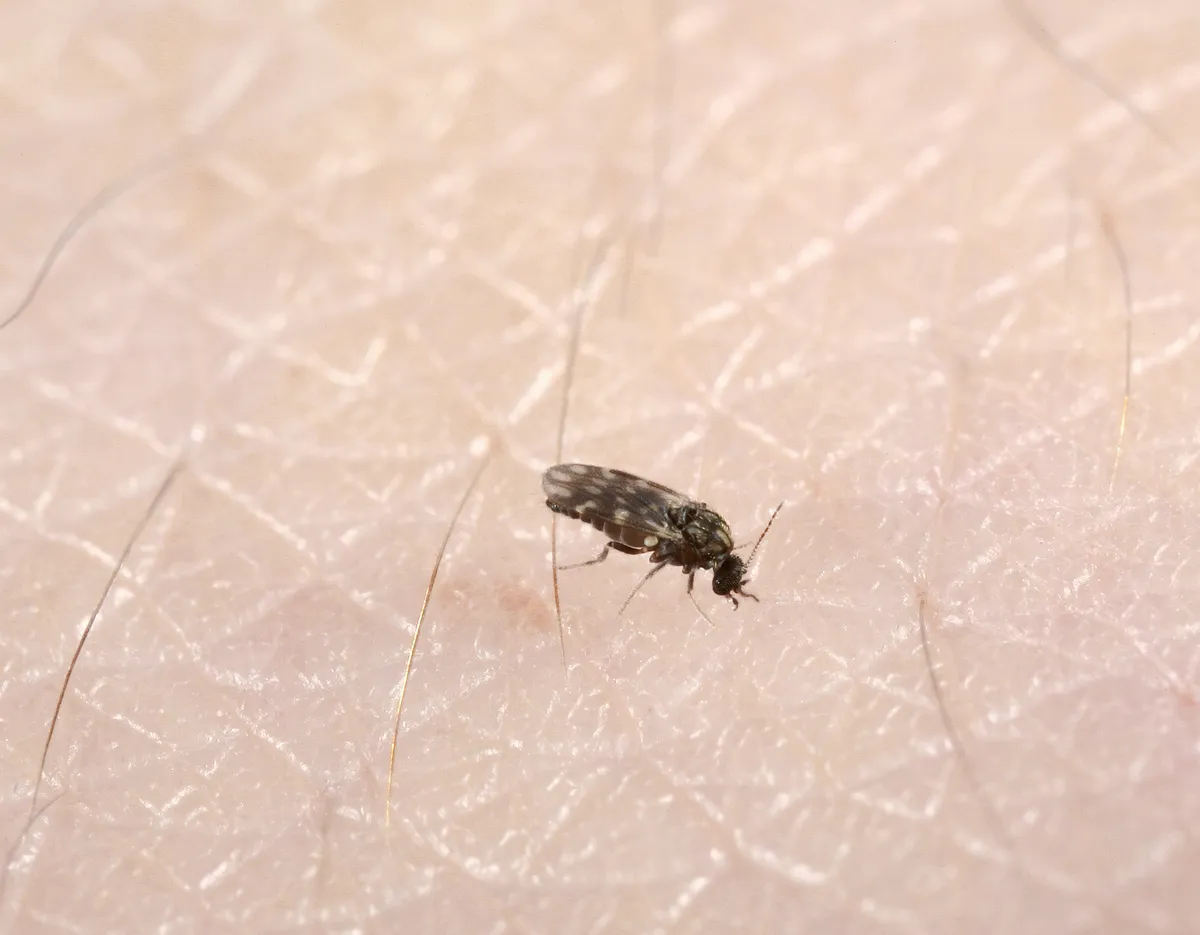
A UF/IFAS fact sheet on biting flies adds that only the females bite, that little feeding happens in even a slight breeze, and that in Florida the midges are most abundant in summer but may bite at any time of year.
Stable flies
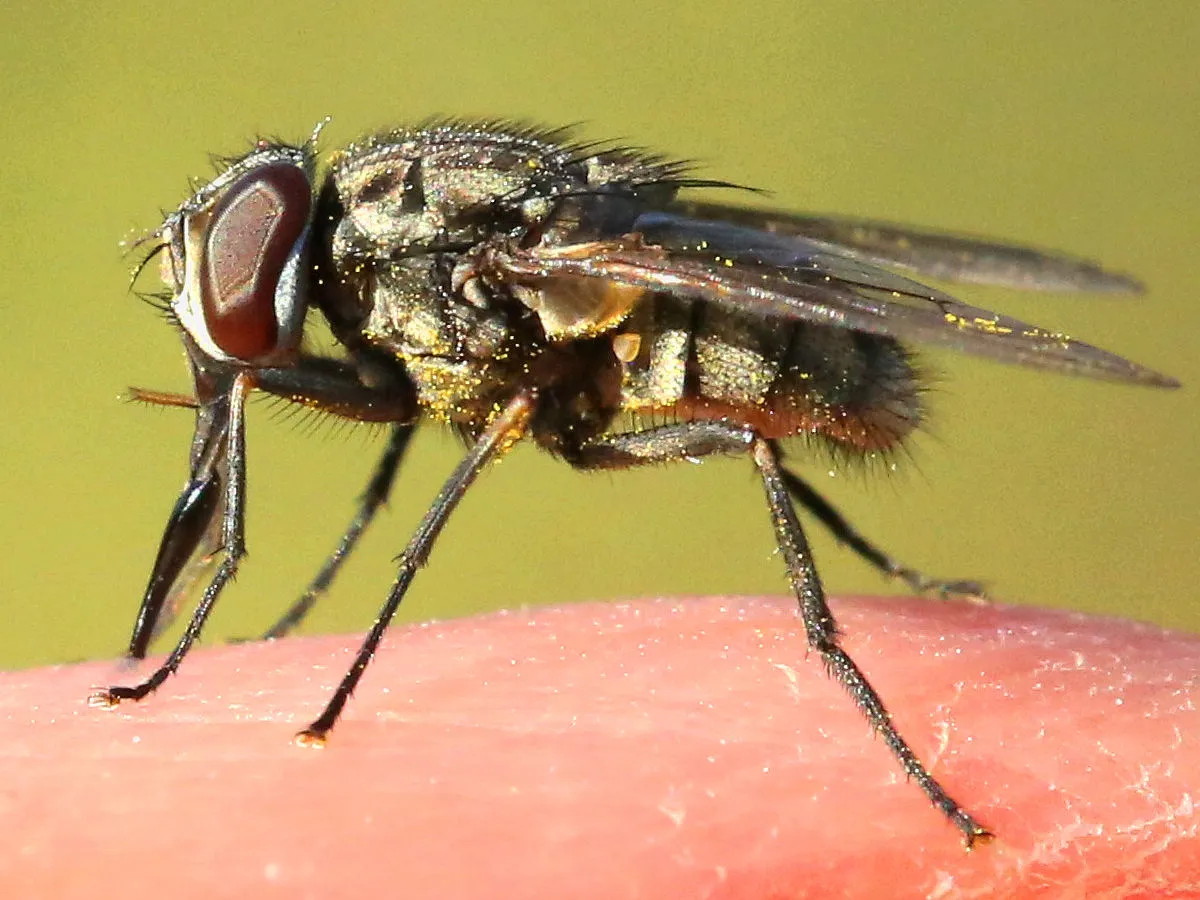
Stable flies, also called dog flies, look like house flies in size and color, but their large piercing mouthparts point forward from the head, and both males and females feed on blood, UF/IFAS says. Females lay eggs in places such as soiled animal bedding, compost piles and even seaweed piled on beaches, and big stable fly populations on the Gulf Coast have driven beachgoers away. In Florida they are most abundant in late fall, peaking in early January.
Greenheads and other horse flies
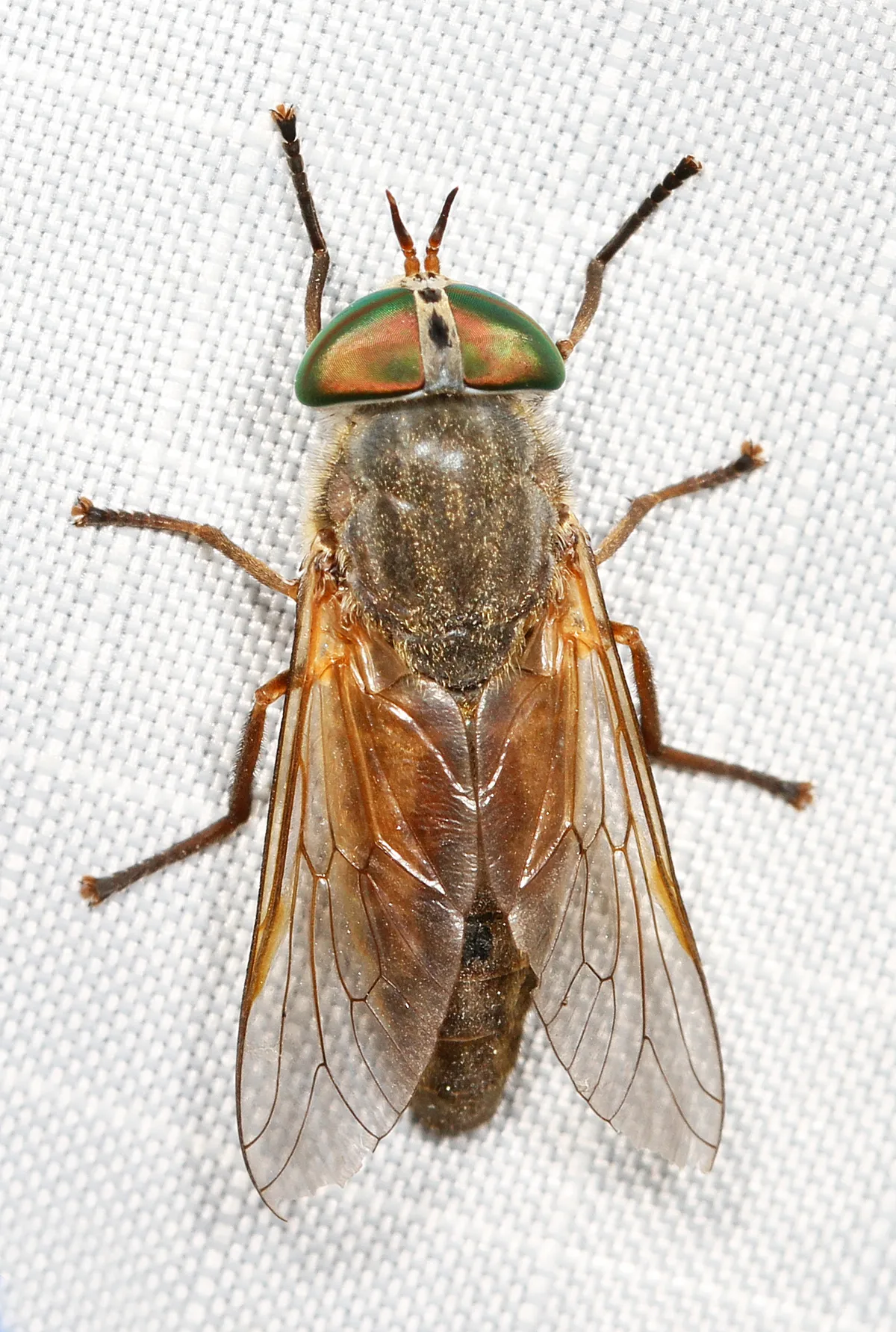
The greenhead, Tabanus nigrovittatus, belongs to Tabanus, the horse fly genus in UF/IFAS's profile of horse flies and deer flies. Rutgers University entomologists call it an abundant summer pest along coastal marshes and suggest fly traps on beaches as well as at the marsh edge; the females bite in daylight, from late June into September, with numbers peaking in July. UF/IFAS's biting flies fact sheet says horse flies and deer flies cut the skin with large mouthparts, that the wounds can become infected and that many people are allergic to the bites. See why horse fly and deer fly bites hurt, the greenhead fly guide and how to tell a deer fly from a horse fly.
Mosquitoes and fleas
The black salt marsh mosquito breeds in coastal salt marshes but has a long flight range, says the University of Florida's profile of the species, which calls it very common in eastern coastal areas of the Americas and notorious for emerging in large numbers after rain and flooding and for biting aggressively, mostly at night. The guide to keeping mosquitoes away covers repellents and timing.
Fleas can turn up on beaches too, particularly near homes, Ebeling says. Fleas on people covers how fleas end up biting humans, and what flea bites look like covers the bites.
What is the chigoe flea, the sand flea that burrows into skin?
The chigoe flea, Tunga penetrans, is a true flea and the cause of tungiasis. CDC's tungiasis page says it lives in tropical and subtropical regions, including Mexico to South America, the West Indies and Africa, usually in sandy places such as beaches, stables and farms, and that people pick it up by walking barefoot there. Males and females both feed on blood, but only mated females burrow into the skin, leaving just the rear end exposed. Each keeps feeding, swells up to about 3/8 inch (1 cm), sheds about 100 eggs over two weeks, then dies and is sloughed off with the skin.
Before it burrows it is tiny: Ebeling describes a reddish-brown flea about 1/25 inch (1 mm) long. Cleveland Clinic's tungiasis page says the fleas that cause tungiasis don't live in the United States, and Ebeling wrote that the chigoe was not definitely known to have become established here.
Cleveland Clinic says you probably won't notice the flea entering your skin; you may then see a white circle like a ring or halo with a black dot in the center, most often on the soles, between the toes, at the heel or along the outside of the foot. CDC says lesions are usually between the toes or under the toenails, that itching and irritation usually begin as the female becomes fully developed, that multiple lesions on the feet can make walking hard, and that secondary bacterial infections, including tetanus and gangrene, are not uncommon.
Are sand fleas the same as sand flies?
No. The sand fleas of US beaches are crustaceans, and sand flies are insects. UF/IFAS lists sand fly, along with no-see-um and sand gnat, among the common names of biting midges, the coastal biters described above.
The sand flies that spread leishmaniasis, a parasitic disease found in parts of about 90 countries, usually tropical or subtropical, are different insects. CDC says they are silent, about a quarter the size of mosquitoes and usually most active from dusk to dawn, and that people occasionally catch the skin form in the US, especially in Texas.
What do sand flea bites look like?
Usually like small red bumps on the ankles and feet. Cleveland Clinic describes sand flea bites as small, red, raised bumps, sometimes in clusters, that tend to occur on the ankles and feet and usually clear up in a few days. Many insect bites look alike, so where and when you were bitten matters.
Biting midge bites generally cause a local stinging or burning feeling with a defined red area around each bite, UF/IFAS says; the discomfort usually lasts minutes to hours, though people who are hypersensitive may itch for two to three days.
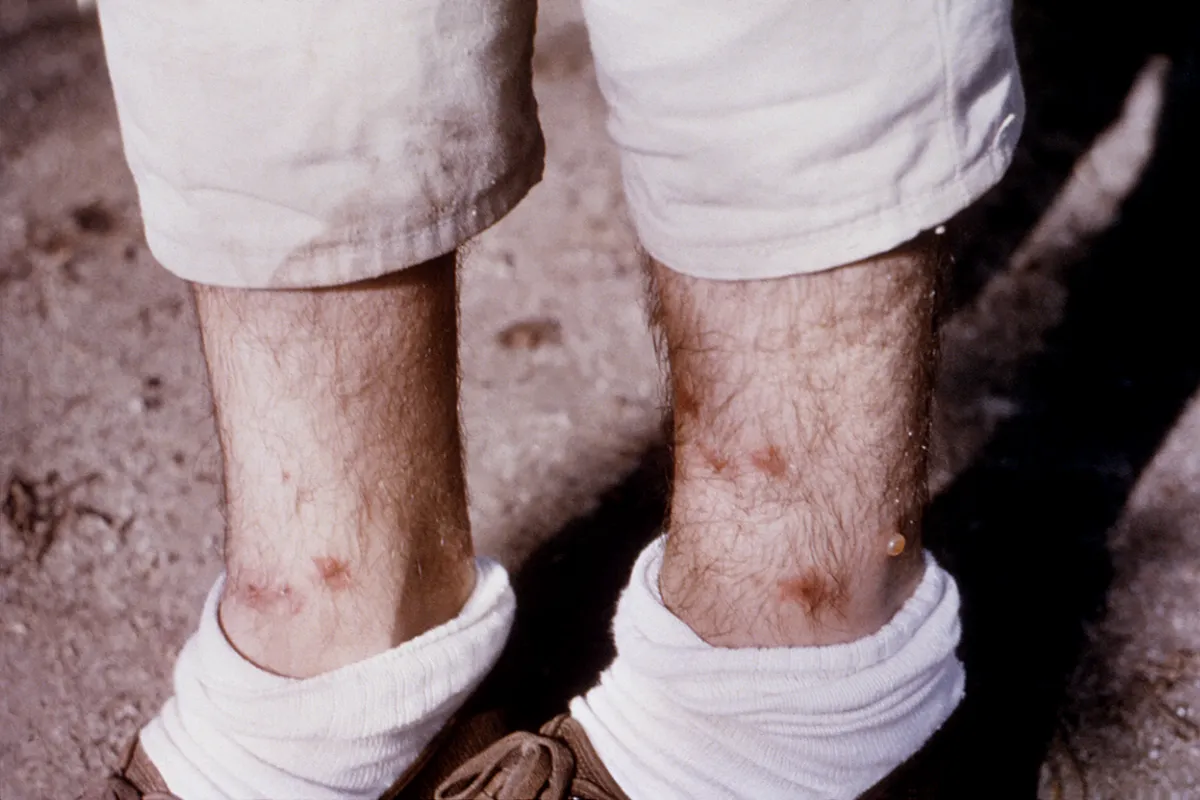
A chigoe flea leaves the white ring with a black dot described above. To compare your bites with others by pattern, place and timing, use the bug bite identification chart, or answer six questions in the bug bite identifier.
Mistaken for sand fleas, or blamed for their bites
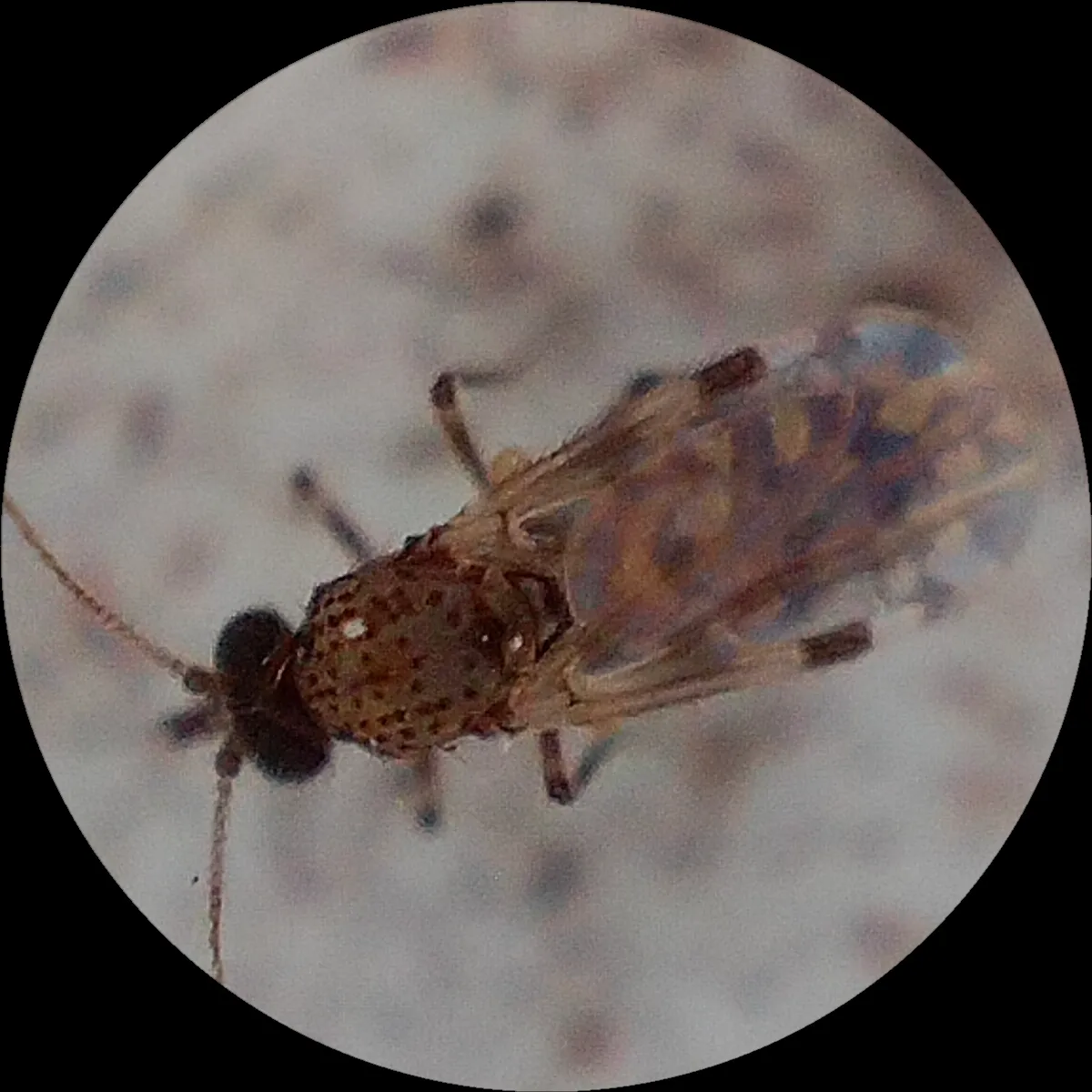 Biting midge (no-see-um)About 1/25 to 1/12 inch with spotted wings; bites most around sunrise and sunset in still air
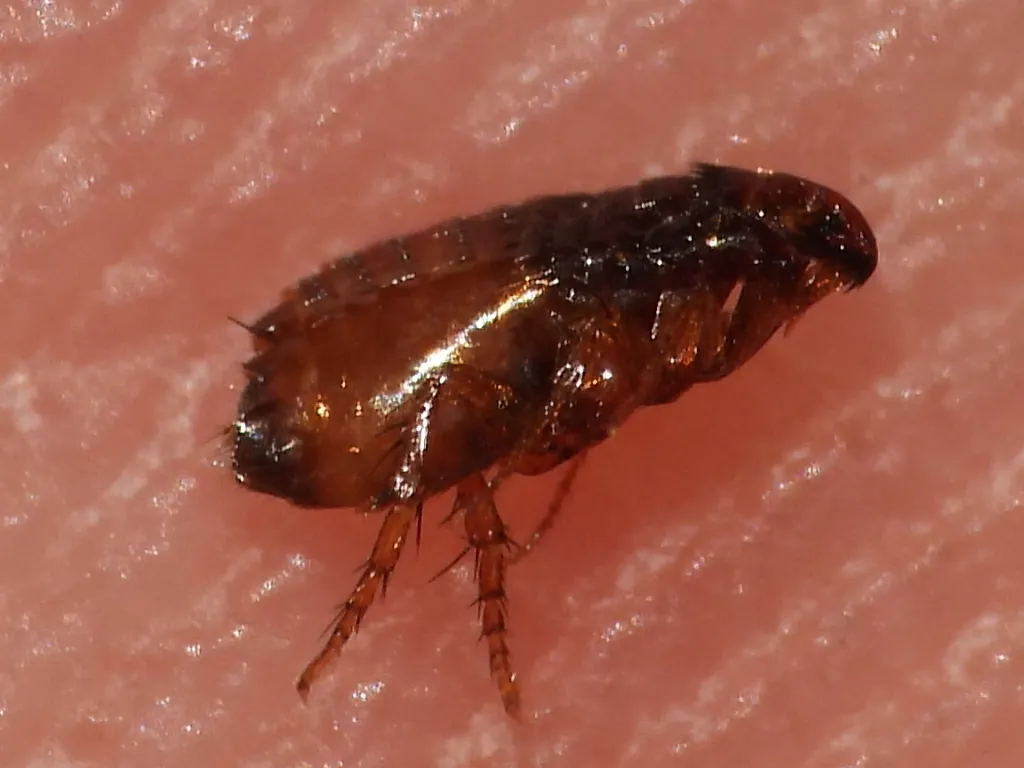 Cat fleaThe most common flea in and around homes; its bites often land on the lower legs and feet
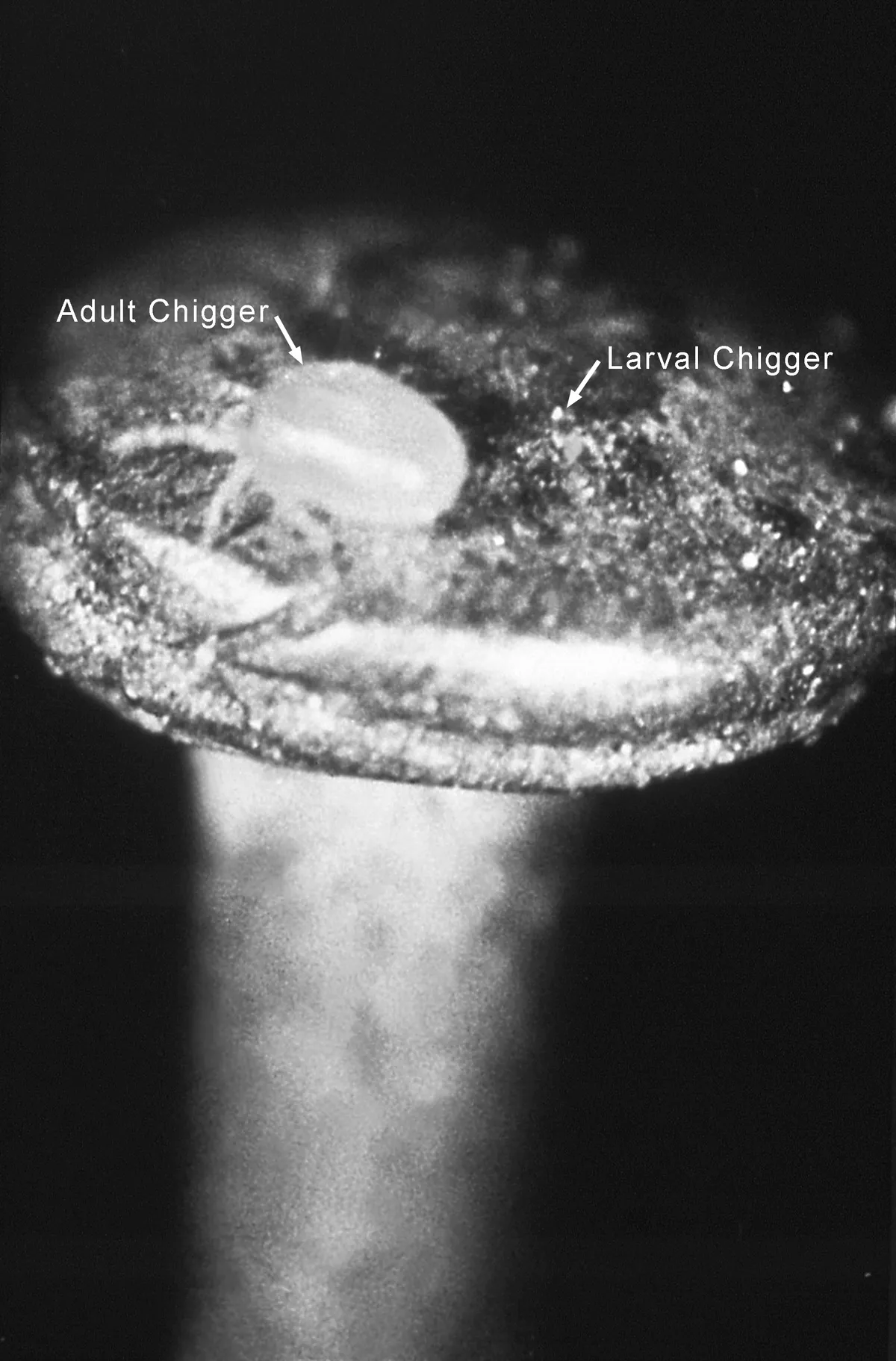 ChiggerA mite larva, not a flea; red welts and severe itching show up hours to a day later
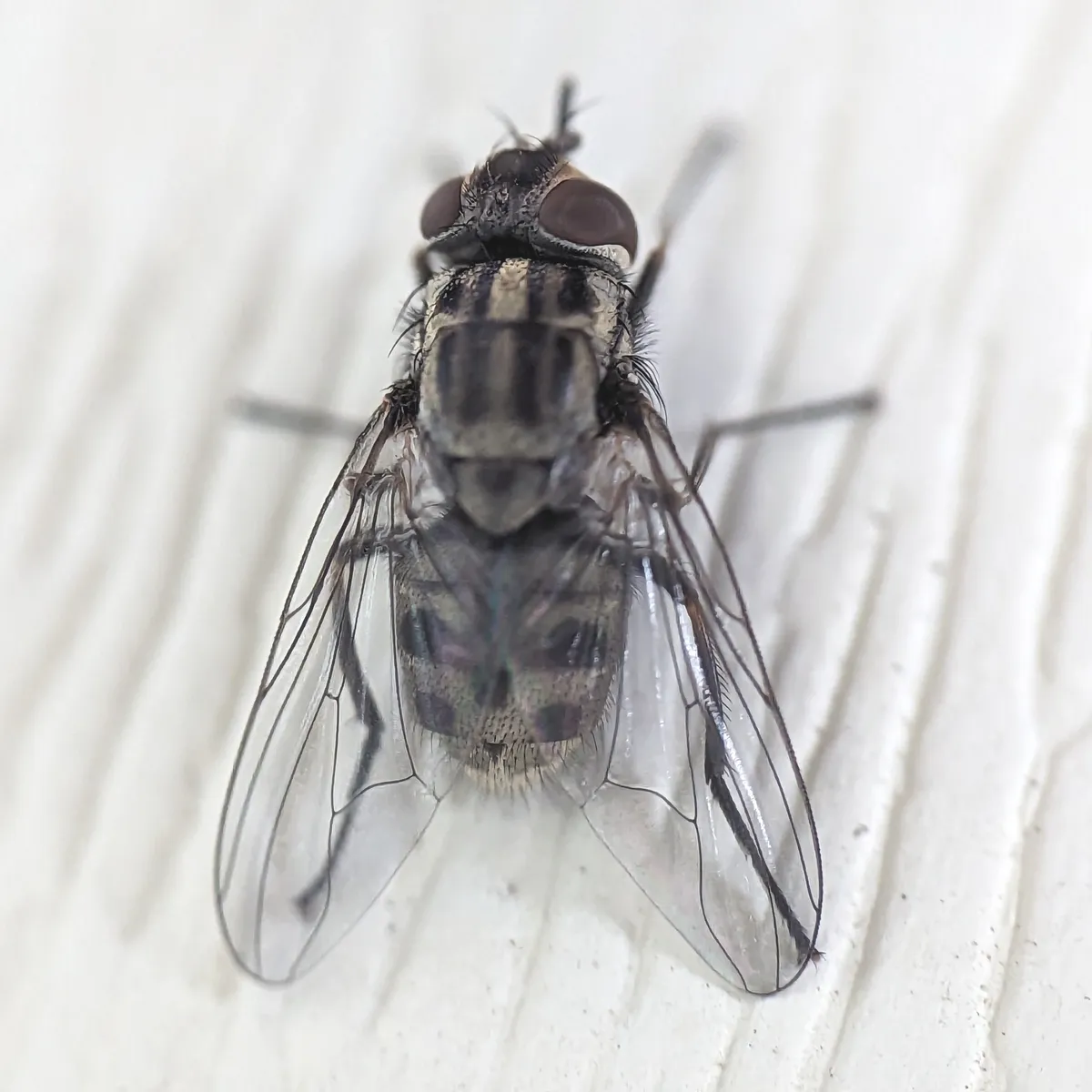 Stable flyLooks like a house fly but has a piercing beak pointing forward; breeds in beach seaweed
Photos: Biting midge (no-see-um): no rights reserved, via iNaturalist, CC0 1.0. Cat flea: (c) Sam Kieschnick, some rights reserved (CC BY), via iNaturalist, CC BY 4.0. Chigger: Margaret A. Parsons; photo: Cornelius B. Philip, PhD, of the National Institute of Allergy and Infectious Disease (NIAID) (CDC Public Health Image Library, phil.cdc.gov), public domain. Stable fly: no rights reserved, via iNaturalist, CC0 1.0.
What should you do about a sand flea bite?
For an ordinary itchy bite, MedlinePlus, the National Library of Medicine's consumer health site, gives these steps:
- Wash the bite thoroughly with soap and water.
- Hold ice wrapped in a washcloth on it for 10 minutes, take it off for 10 minutes, and repeat.
- If needed, take an antihistamine or use a cream that reduces itching. Cleveland Clinic names calamine lotion as one such cream and says to use an antihistamine as a cream or by mouth, not both.
- Over the next several days, watch for signs of infection, such as increasing redness, swelling or pain.
Never dig out a chigoe flea yourself. Cleveland Clinic says a burrowed sand flea should be removed only by a healthcare provider, with sterilized tools such as forceps or a needle, or other proven methods.
How can you avoid bites at the beach?
Match the defense to the biter:
- Use a repellent made for biting flies. The CDC Yellow Book says EPA-registered repellents labeled for flies, biting flies and no-see-ums repel biting midges, and its general repellent section lists DEET, picaridin, IR3535, oil of lemon eucalyptus or PMD, and 2-undecanone as active ingredients that typically give reasonably long-lasting protection. UF/IFAS says DEET-based repellents are the main ones used against biting midges, and that most repellents work less well on biting flies than on mosquitoes, so they need reapplying more often; follow the label. Whether DEET is safe has its own guide.
- Choose your hours, and a breeze. UF/IFAS says biting midges are usually most active around sunrise and sunset and feed little in even a slight breeze, while stable flies, deer flies and horse flies are usually most active during the day.
- Cover up. Long sleeves and long pants protect arms and legs from biting flies, UF/IFAS says. CDC adds long socks, since flea bites often land on the lower legs and feet, and closed shoes instead of sandals.
- Keep shoes on in the tropics. People pick up chigoe fleas walking barefoot in tropical and subtropical regions, CDC says, and Cleveland Clinic advises closed-toe shoes, socks that cover the ankles and long pants where they occur.
- Use finer screens at a beach rental. CDC says the insect screens commonly used on windows do not stop biting midges and recommends 20x20 mesh.
This guide is general educational information, not medical advice. If you have symptoms or concerns after a bite or exposure, contact a healthcare provider.
Frequently Asked Questions
Do sand fleas carry diseases?+
None of the sources on this page links the beach hoppers or mole crabs called sand fleas to any disease. The health risks attached to the name come from other animals. The chigoe flea of the tropics causes tungiasis, and CDC says secondary bacterial infections, including tetanus and gangrene, are not uncommon with it. UF/IFAS says some biting midges spread Oropouche virus in South America and the Caribbean, and CDC says sand flies spread leishmaniasis in parts of about 90 countries.
How long do sand flea bites last?+
It depends on what bit you. Cleveland Clinic says common sand flea bites usually clear up in a few days. UF/IFAS says the stinging or burning from a biting midge bite usually lasts minutes to hours, though people who are hypersensitive may itch for two to three days. A chigoe flea is different because it stays in the skin: Cleveland Clinic says it can live there for up to six weeks. See a healthcare provider for any rash or irritation that does not go away in a few days, Cleveland Clinic advises.
Can sand flea bites get infected?+
Yes. MedlinePlus advises watching an insect bite over the next several days for signs of infection, such as increasing redness, swelling or pain, and Cleveland Clinic says open sores, ulcers or signs of infection need immediate medical attention. With the chigoe flea, CDC says secondary bacterial infections, including tetanus and gangrene, are not uncommon, and Cleveland Clinic warns that only a healthcare provider using sterilized tools should remove a burrowed flea.
What repels sand fleas?+
Repellent is for the insects that bite at the beach, since the beach hoppers and mole crabs called sand fleas feed on seaweed and plankton, not blood. CDC's Yellow Book says EPA-registered repellents labeled for flies, biting flies and no-see-ums are effective against biting midges, and its general repellent section lists DEET, picaridin, IR3535, oil of lemon eucalyptus or PMD, and 2-undecanone as active ingredients that typically give reasonably long-lasting protection. UF/IFAS adds that most repellents work less well against biting flies than against mosquitoes, so they need reapplying more often; follow the label.
Can sand fleas come home with you?+
The beach hoppers and mole crabs called sand fleas are shore animals. The sources on this page describe beach hoppers in sand and washed-up seaweed high on the beach and mole crabs in the wet sand where waves break, and none describes either one living indoors. The chigoe flea of the tropics is different: Cleveland Clinic says travelers to the areas where it lives may return home carrying it. If bites start at home after a beach trip, check pets for ordinary fleas: UC Riverside's Ebeling text says the cat flea and dog flea are the most common fleas in and around homes, and CDC notes that flea bites often land on the lower legs and feet.
Are there sand fleas in Florida?+
Yes, in the beach sense of the name. UF/IFAS Extension in Escambia County describes the mole crabs that wash up in the waves on Florida beaches as sand fleas, and says most local fishermen consider them the perfect bait for pompano. Florida also has the biters blamed on sand fleas: about 50 species of Culicoides biting midges, according to UF/IFAS, and stable flies, whose outbreaks on the Gulf Coast have driven beachgoers away. The chigoe flea, which burrows into skin, does not live in the United States, Cleveland Clinic says.
Are sand fleas crustaceans or insects?+
It depends on which sand flea. The beach hoppers and mole crabs called sand fleas on US beaches are crustaceans: the National Park Service describes beach hoppers as amphipods related to crabs and shrimp, and Cleveland Clinic says the most common sand fleas are crustaceans, kin to crabs and lobsters. The chigoe flea of the tropics is an insect, a true flea whose mated females burrow into skin, according to CDC. The biting midges sometimes called sand flies are insects too.
What do sand fleas eat?+
Beach hoppers eat seaweed that washes up on the beach. Walla Walla University says the California beach hopper hides in a burrow by day and comes out at night to feed on decaying seaweed, and the National Park Service describes beach hoppers feeding on clumps of algae that wash ashore. Mole crabs filter plankton and debris from the water with their feathery antennae, according to the Florida Fish and Wildlife Conservation Commission. Neither feeds on blood. The chigoe flea does: CDC says both males and females feed on their host.
Can you get tungiasis in the United States?+
Not from US beaches, as far as the sources say. Cleveland Clinic states that the types of fleas that cause tungiasis don't live in the United States, and Walter Ebeling's urban entomology text says the chigoe flea was not definitely known to have become established here. CDC says people pick it up by walking barefoot in tropical and subtropical regions, including Mexico to South America, the West Indies and Africa. After time in such a place, a white lesion on the foot is a reason to call a healthcare provider.
What time of day are sand fleas most active?+
The California beach hopper is a night animal: Walla Walla University says it hides in a burrow in the sand by day and comes out at night to feed, often moving down toward the waterline. The insects blamed for sand flea bites keep other hours. UF/IFAS says biting midges are usually most active around sunrise and sunset, though in coastal areas many bite in broad daylight; stable flies, deer flies and horse flies are usually most active during the day, and the black salt marsh mosquito feeds mainly at night.
Sources
- Urban Entomology, Chapter 9, Part 3: Pests Attacking Man and His Pets (Walter Ebeling, 1975) — University of California, Riverside, Department of Entomology
- Megalorchestia californiana Brandt, 1851 (Invertebrates of the Salish Sea; D. Cowles) — Walla Walla University
- Snails, Limpets & Chitons (Glacier Bay National Park & Preserve) — US National Park Service
- Beaches (Cape Cod National Seashore) — US National Park Service
- Weekly 'What is it?': Sand fleas (mole crabs) (C. Stevenson, September 1, 2021) — UF/IFAS Extension Escambia County, University of Florida
- Mole Crab (Sand Flea, Sand Crab) — Florida Fish and Wildlife Conservation Commission
- EENY-349/IN626: Biting Midges, No-See-Ums, Culicoides spp. — University of Florida IFAS Extension (N. Burkett-Cadena, V. Cooper, C. Addae, C. R. Connelly and E. Buckner)
- ENY-220/IG081: Biting Flies — University of Florida IFAS Extension (J. B. Pitzer, P. G. Koehler and J. W. Diclaro II)
- EENY-028/IN155: Deer Flies, Yellow Flies and Horse Flies, Chrysops, Diachlorus, and Tabanus spp. — University of Florida IFAS Extension (J. M. Squitier)
- The Greenheads and You (E. Hansens and S. Race) — Department of Entomology, Rutgers University
- EENY-591/IN1035: Black Salt Marsh Mosquito, Aedes taeniorhynchus — University of Florida IFAS Extension (N. M. Agramonte and C. R. Connelly)
- DPDx: Tungiasis — Centers for Disease Control and Prevention
- Tungiasis (medically reviewed September 10, 2022) — Cleveland Clinic
- Sand Flea Bites (medically reviewed November 16, 2022) — Cleveland Clinic
- About Leishmaniasis (March 6, 2024) — Centers for Disease Control and Prevention
- Mosquitoes, Ticks, and Other Arthropods (CDC Yellow Book 2026; C. R. Connelly and J. E. Gimnig) — Centers for Disease Control and Prevention
- Insect bites and stings (Medical Encyclopedia, reviewed October 14, 2025) — MedlinePlus, U.S. National Library of Medicine
How this guide was made: it was researched and drafted with AI assistance from the sources listed above. A second, independent AI pass then checked each factual claim against those sources. Found an error? Email support@buzzskito.ca.