
Reviewed by Alex Francisco
Published November 6, 2026 · Fact-checked against the sources listed below
Our picks at a glance
BuzzSkito did not test these products. The picks follow product labels, CDC, EPA and university guidance and the published yard trials cited below, and each one does a job this guide explains: a long-lasting residual spray for the shrubs where mosquitoes rest, the sprayer to apply it, an easier hose-end option, a fogger for a single evening, a minimum-risk choice described honestly, and the gloves the concentrate's label requires.
Mosquito yard spray picks by job
As an Amazon Associate I earn from qualifying purchases.
- Check price on Amazon →
Best for most yards
Bifenthrin insecticide concentrate (7.9%)
A 7.9% bifenthrin barrier spray, applied with a mist blower, was still suppressing Asian tiger mosquitoes 25 days after treatment in a 2020 NC State yard study. Its label covers adult mosquitoes on residential lawns, trees and shrubs; mix it at the label rate in a pump sprayer.
- Check price on Amazon →
To apply the concentrate
Hand pump sprayer, 1 to 2 gallons
The bifenthrin label lists hand-held sprayers and calls for 1 gallon of mixed spray per 1,000 square feet. A wand lets you work the spray into shrubs and under leaves, where CDC says mosquitoes rest.
- Check price on Amazon →
Easiest for large lawns
Hose-end yard spray with a pyrethroid
Hose-end bottles dilute with water from the hose, and one maker says its bottle covers up to 5,000 square feet. Choose one whose label lists mosquitoes and the plants you will spray, and check which pests any long-lasting claim names.
- Check price on Amazon →
For one evening outdoors
Outdoor mosquito fogger (pyrethrins or permethrin)
Texas A&M AgriLife says foggers give a few hours to a day or so of relief, and UC IPM says a spray made shortly before a backyard gathering can help. Fog shrubs and resting spots, not flowers, and follow the label's wait before anyone returns.
- Check price on Amazon →
If you avoid synthetic insecticides
Minimum-risk cedarwood oil yard spray
Cedarwood oil is one of the ingredients federal rules allow in minimum-risk products, which EPA exempts from registration and generally does not review. None of the field trials behind this guide tested one, so judge it by your own bite count.
- Check price on Amazon →
For mixing and spraying
Chemical-resistant nitrile gloves
The bifenthrin concentrate label requires everyone who mixes, loads or applies it to wear chemical-resistant gloves, a long-sleeved shirt, long pants, socks and shoes; it allows waterproof gloves once the product is diluted.
What is the best mosquito spray for a yard?
For most yards it is a residual pyrethroid such as bifenthrin, labeled for mosquitoes and sprayed on the shady plants where they rest. A 2019 review of 44 barrier-spray studies concluded that barrier treatments lowered mosquito populations, though results varied by study and species, and rainfall and spray equipment changed how well they worked. In the Kentucky trials it summarizes, bifenthrin and lambda-cyhalothrin each reduced Asian tiger mosquitoes for up to 6 weeks, with bifenthrin cutting them by about 85% compared with untreated yards, while permethrin's effect lasted up to 8 days in a North Carolina trial.
Newer work points the same way. In a 2020 NC State study of 16 pairs of neighboring yards, a 7.9% bifenthrin barrier spray, applied by a licensed applicator with a mist blower, significantly reduced Asian tiger mosquitoes and was still working 25 days after treatment, when monitoring ended. Removing larval habitat as well made the treatment work better. Untreated next-door yards showed lower numbers too, but those differences were rarely significant, so the effect stays close to the yard you spray.
How does a mosquito barrier spray work?
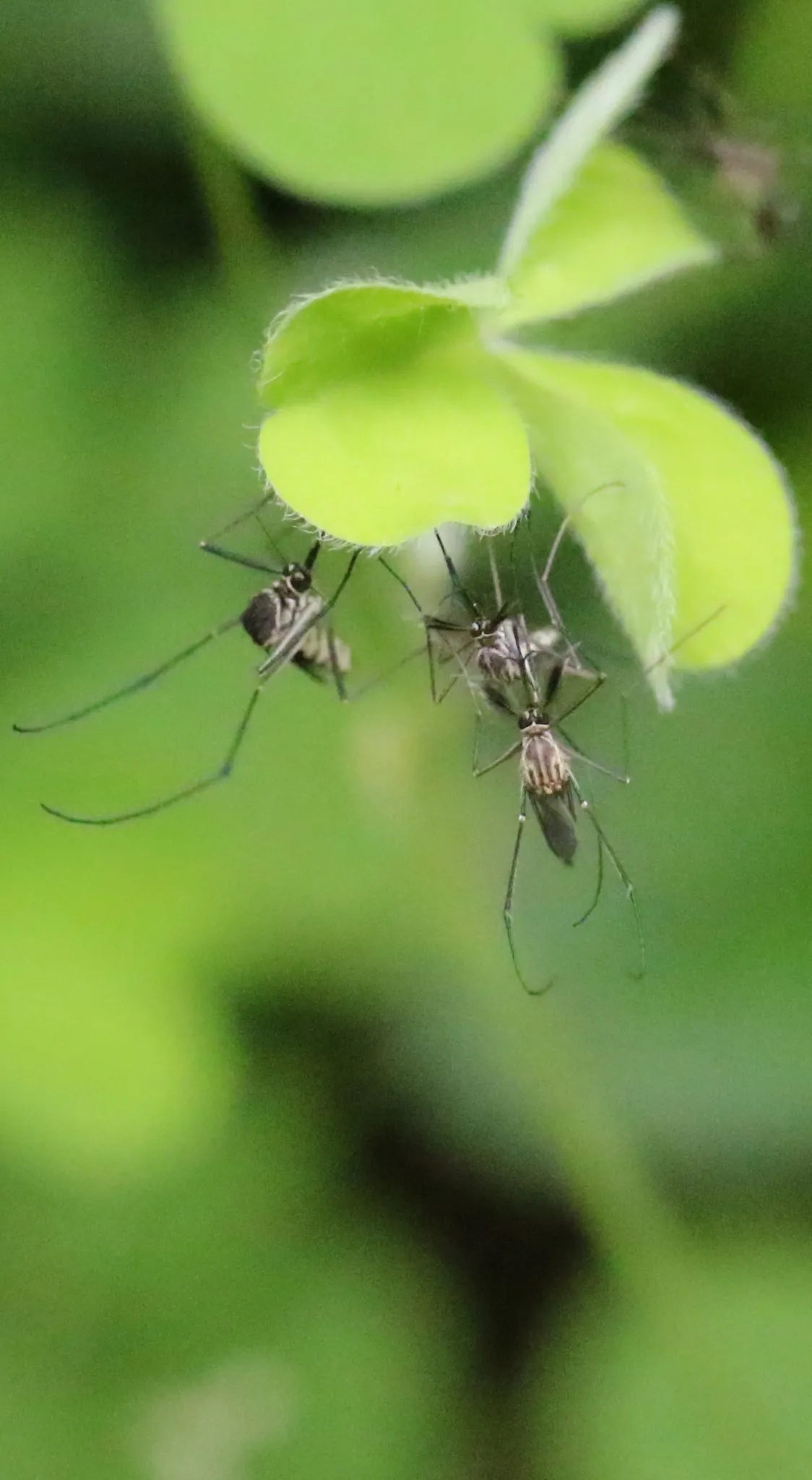
It leaves an insecticide residue on the surfaces where adult mosquitoes rest, and the residue kills them when they land. CDC's adulticide guidance says mosquitoes rest under plants, in dense brush or tall grasses, on the undersides of leaves on trees and bushes, under eaves, under decks and porches and in moist, shady areas, and that residual sprays are applied to vegetation and buildings and allowed to dry. Texas A&M AgriLife's guide to residual sprays describes them killing mosquitoes as they rest on shrub foliage or the sides of buildings.
Coverage decides whether it works. In the equipment studies the 2019 review summarizes, spray deposits peaked about 3 feet into the vegetation, and new leaves that grew after spraying gave mosquitoes untreated places to rest. So aim into dense, shady shrubs and under the leaves rather than making a quick pass over open lawn. CDC's home guidance also points to dark, humid spots such as under patio furniture, a carport or a garage.
Which mosquitoes does a barrier spray control?
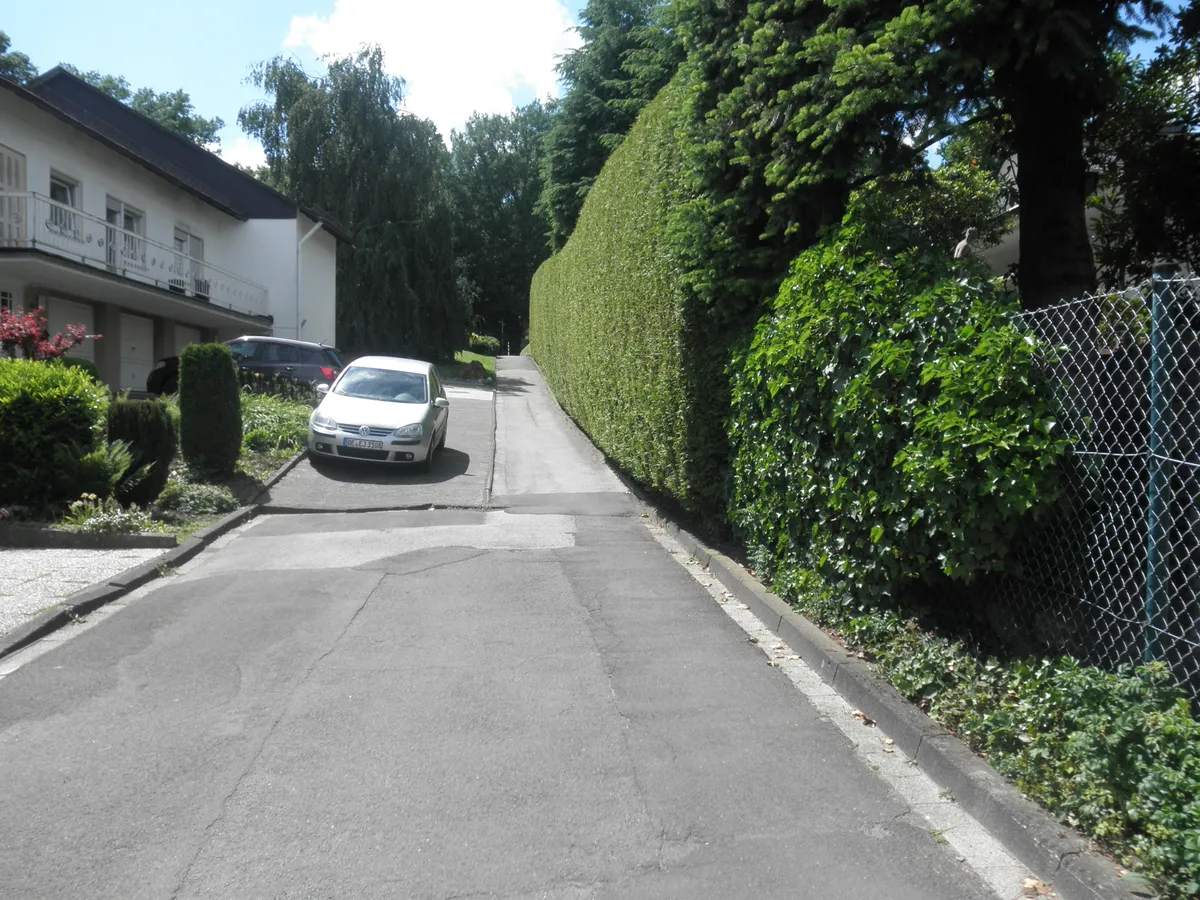
Mostly the ones that rest low in yard plants. In the Kentucky trials, bifenthrin and lambda-cyhalothrin controlled Asian tiger mosquitoes but did not reduce Culex pipiens, a house mosquito, according to the review; a later trial that treated the upper tree canopy did reduce Culex. That matters because CDC says West Nile virus cycles between birds and mosquitoes, especially Culex species, so a shrub-level barrier is not a complete answer to West Nile risk.
Which active ingredients are in mosquito yard sprays?
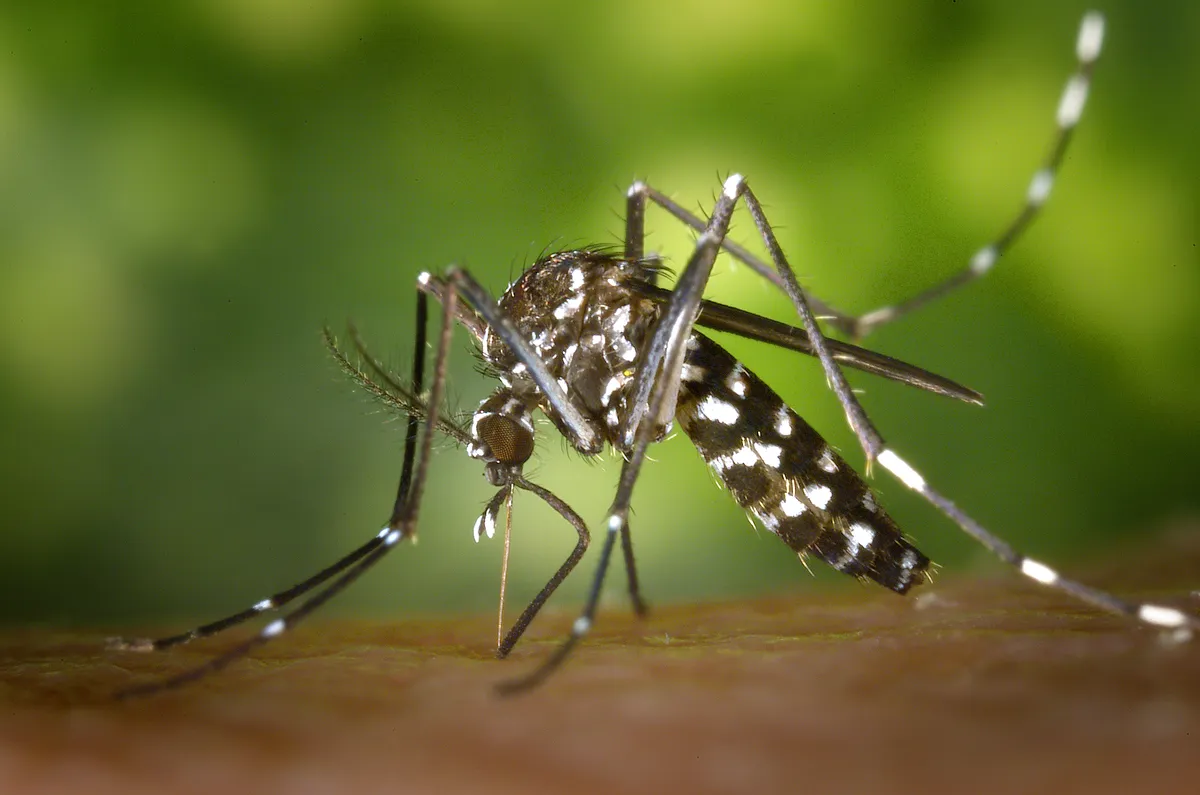
Residual yard sprays use pyrethroids: Texas A&M AgriLife names permethrin, lambda-cyhalothrin, cyfluthrin, esfenvalerate and bifenthrin. EPA describes pyrethroids as synthetic insecticides that act in a similar way to pyrethrins, which CDC says are extracted from some chrysanthemum flowers. Foggers more often use short-lived pyrethrins, permethrin, sumithrin or allethrin. This is how the main ingredients compare in the research and the fact sheets:
| Active ingredient | How long it lasted in studies | Cautions from fact sheets and labels |
|---|---|---|
| Bifenthrin | Up to 6 weeks against Asian tiger mosquitoes in Kentucky; still working at 25 days in North Carolina yards | Very highly toxic to bees and highly toxic to fish (NPIC); binds tightly to soil |
| Lambda-cyhalothrin | Up to 6 weeks in Kentucky; up to 9 weeks in trials in Australia and China | Toxic to fish and bees, like other pyrethroids (EPA) |
| Permethrin | Up to 8 days in a North Carolina trial; residues stay on leaves 1 to 3 weeks (NPIC) | Cats are more sensitive to it than dogs or people; highly toxic to bees and fish (NPIC) |
| Deltamethrin | Over 90% control for up to 4 weeks in one leaf test | Toxic to fish and bees, like other pyrethroids (EPA) |
| Sumithrin (d-phenothrin) and resmethrin | About a week after a sumithrin-based fog in one yard | Common in community mosquito control programs; EPA says resmethrin is registered only for public health and vector control programs |
| Pyrethrins and allethrin in foggers | A few hours to a day or so of relief (Texas A&M) | Short-lived; read the label's bee and fish statements |
Durations from the 2019 barrier-spray review and the 2020 North Carolina yard study; cautions from NPIC and EPA. Rain, sun, plant type and product change the numbers, and the label's retreatment interval governs.
Bifenthrin is also widely sold. NPIC's bifenthrin fact sheet counts more than 600 bifenthrin products in the United States, and the label for the 7.9% concentrate used in the North Carolina study (sold as Bifen I/T and, under the same EPA number, as Bifen 7.9 Home & Yard) covers adult mosquitoes on residential buildings and lawns and on trees, shrubs and ground cover. NPIC also notes that EPA classifies bifenthrin as a possible human carcinogen and that it binds tightly to soil, so it is not likely to reach groundwater.
Hose-end, pump sprayer or fogger: which should you use?
Use a pump sprayer when you want the spray inside the shrubs, a hose-end bottle when you need to cover a big lawn and border quickly, and a fogger only for a few hours of relief before you sit outside.
| Equipment | How it works | Strength | Limit |
|---|---|---|---|
| Hand pump sprayer (1 to 2 gallons) | You mix concentrate and water at the label rate, then pump to pressurize | A wand puts spray inside shrubs and under leaves; the bifenthrin label calls for 1 gallon of mix per 1,000 square feet | Slow on big yards, and you handle the concentrate |
| Hose-end ready-to-spray bottle | Attaches to a garden hose and dilutes as you spray | Fast: one maker says a bottle covers up to 5,000 square feet | Check that the label lists mosquitoes and the plants you will spray |
| Backpack sprayer or mist blower | A tank worn on the back; a mist blower uses moving air to carry spray into foliage | How professionals often apply barrier sprays (Texas A&M) | The review calls barrier work with mist blowers labor-intensive |
| Electric or propane fogger | Turns insecticide into a fog that drifts through the yard | Kills mosquitoes resting on exposed leaves or flying | Relief lasts a few hours to a day or so |
From the bifenthrin label, Texas A&M AgriLife, the 2019 barrier-spray review and one manufacturer's product page, each linked on this page.
Match the product to the machine. The bifenthrin label allows hand-held and backpack sprayers and mist blowers for mosquito control but rules out cold aerosol ULV sprayers and thermal foggers for that product, so a barrier concentrate does not go in a fogger. Expect a hand-held job to need follow-up: in a study in Rome, Italy of the way many residents spray, a pyrethroid from a hand-held sprayer cut egg-carrying and host-seeking female Asian tiger mosquitoes by 86%, but the population recovered in 10 days.
How do you spray a yard for mosquitoes?
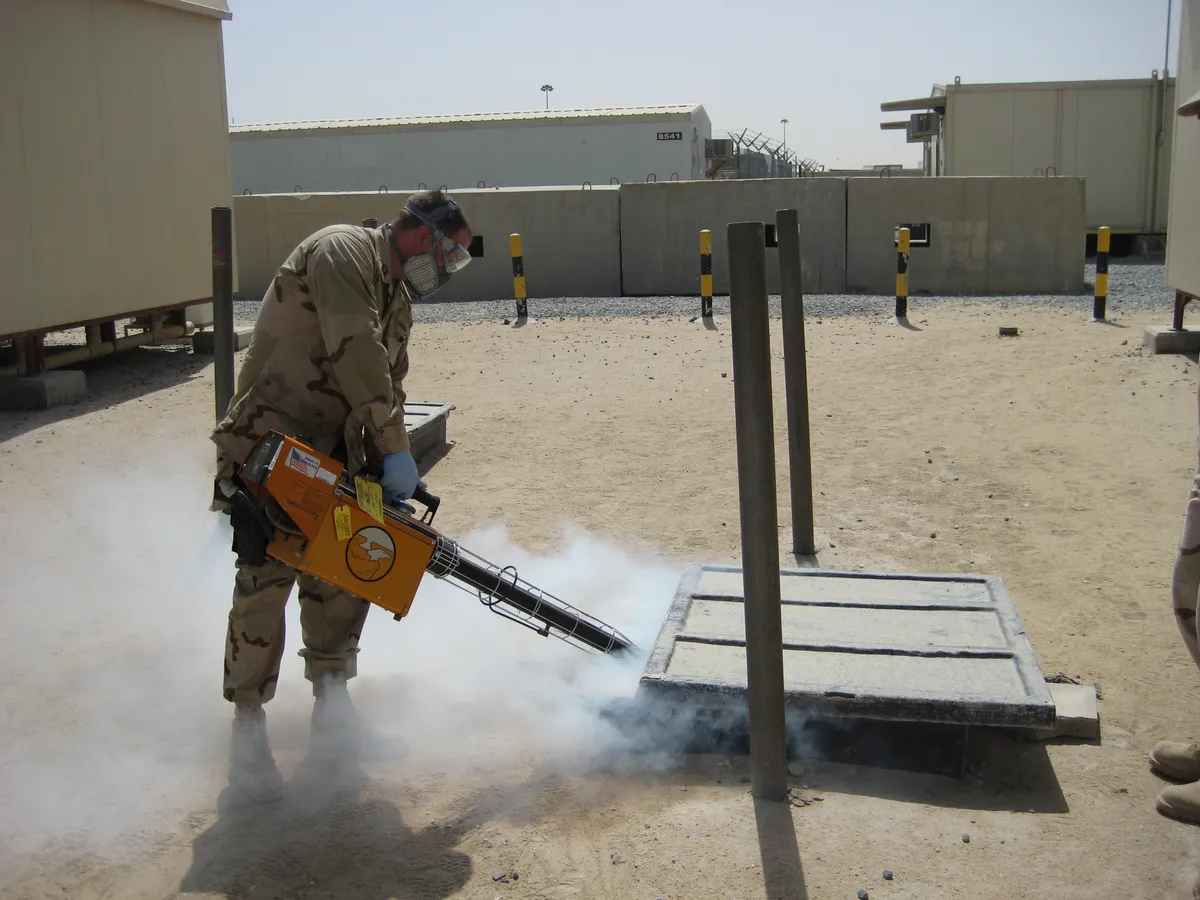
Follow the label: the bifenthrin label says using the product in a way inconsistent with its labeling violates federal law, and it sets the rate, the sites and how often you may spray. These steps follow that label, CDC and NPIC:
- Dump, scrub, turn over or cover anything holding water first, as CDC advises once a week; an adult spray does nothing to the larvae in a bucket or birdbath.
- Check the forecast. The bifenthrin label says not to spray in rain or when rain is expected before the spray has had at least 4 hours to dry, warns that rain within 24 hours may cause runoff, and for mosquito control says not to spray when wind exceeds 10 mph.
- Dress for it: that label requires a long-sleeved shirt, long pants, socks, shoes and chemical-resistant gloves for anyone mixing, loading or applying it, and allows waterproof gloves once the product is diluted.
- Mix only what you need. For mosquitoes, that label calls for 0.33 to 1.0 fluid ounce of the 7.9% concentrate per gallon of water, applied at 1 gallon per 1,000 square feet, with the high rate for longer residual control.
- Spray the resting sites: the inside and undersides of shady shrubs, ground cover, tall grass at the yard's edge and the areas under decks and porches. Skip anything in bloom.
- Keep spray off pavement and water. The label bars treating driveways, sidewalks and patios except as spot treatments, says not to spray to the point of runoff, and calls the product extremely toxic to fish and aquatic invertebrates.
- Spray in the cooler hours of the night or early morning, as the label recommends for mosquito control; NPIC adds that spraying in the evening, after bees have returned to their hives, lets residues dry overnight.
- Keep people and pets off treated areas until the spray has dried, which CDC says usually takes about an hour; the label says not to let people or pets touch treated surfaces before the spray has dried.
- Respray only on the label's schedule: for that concentrate, no more than once every 7 days at the lower rates and no more than once every 4 weeks at the high rate.
How long does mosquito yard spray last?
From a few hours to several weeks, depending on the product, where it lands and the weather. Texas A&M AgriLife's fogging guide says foggers give only a few hours to a day or so of relief because their insecticides have a very short life, while its guide to residual sprays says they can keep killing mosquitoes on their resting surfaces for weeks.
The numbers in the 2019 review: bifenthrin and lambda-cyhalothrin up to 6 weeks in Kentucky, deltamethrin over 90% control for up to 4 weeks in one leaf test, permethrin up to 8 days in North Carolina, and about a week after a sumithrin-based fog in one yard. In the 2020 North Carolina yards, bifenthrin was still working at 25 days. NPIC's permethrin fact sheet says permethrin may stay on leaves for 1 to 3 weeks.
Rain is a big variable. In one test the review describes, rainfall was the most important factor in removing bifenthrin from leaves, and sun exposure and plant type changed results too: in one leaf test, residues on a variety of rhododendron lasted longest, still killing 77% of mosquitoes 35 days after spraying. In a stormy summer, expect the short end of these ranges.
Read duration claims closely. Cutter's page for its Backyard Bug Control says the ready-to-spray bottle kills mosquitoes, fleas and ticks, but its up-to-12-weeks claim names house crickets, carpenter ants, harvester ants, lady beetles and earwigs, not mosquitoes. For sprays, repellents and foggers side by side, see how long mosquito spray lasts.
Is mosquito yard spray safe for kids and pets?
Only on the label's terms: keep children and pets off treated areas until the spray dries, and keep the product itself out of their reach. EPA says pyrethroids can be used in public health mosquito control programs without posing unreasonable risks to human health when applied according to the label, and are low in toxicity to mammals. CDC's rule is to keep people and pets out of the treated area until the product has dried, usually about an hour; follow the label if it sets a longer wait.
- Pets. NPIC's pet guidance says to keep pets off treated areas for the time on the label, or until the spray has dried completely if that takes longer, and to stop them licking or chewing treated plants, because residues can remain after drying.
- Cats. NPIC says cats are more sensitive to permethrin than dogs or people because their bodies take a long time to break it down.
- Dogs. NPIC says pets exposed to bifenthrin may have a bout of vomiting or diarrhea or be less active.
- Fish and reptiles. The bifenthrin label warns about fish and reptile pets in and around ornamental ponds and calls the product extremely toxic to fish and aquatic invertebrates.
- Children. The label says to keep the product out of reach of children, and CDC's wait-until-dry rule applies to them too.
- Emergencies. NPIC lists Poison Control at 800-222-1222 for treatment advice, the ASPCA Animal Poison Control Center at 888-426-4435 (a consultation fee may apply), and its own line, 800-858-7378, for pesticide questions.
Plant-oil products sold as pet safe are covered below; EPA generally does not review them, so that claim has not been checked by EPA. For dogs, see whether mosquitoes bite dogs and how to protect them, and for the rest of the yard, pet-safe pest control.
How do you protect bees and other pollinators?
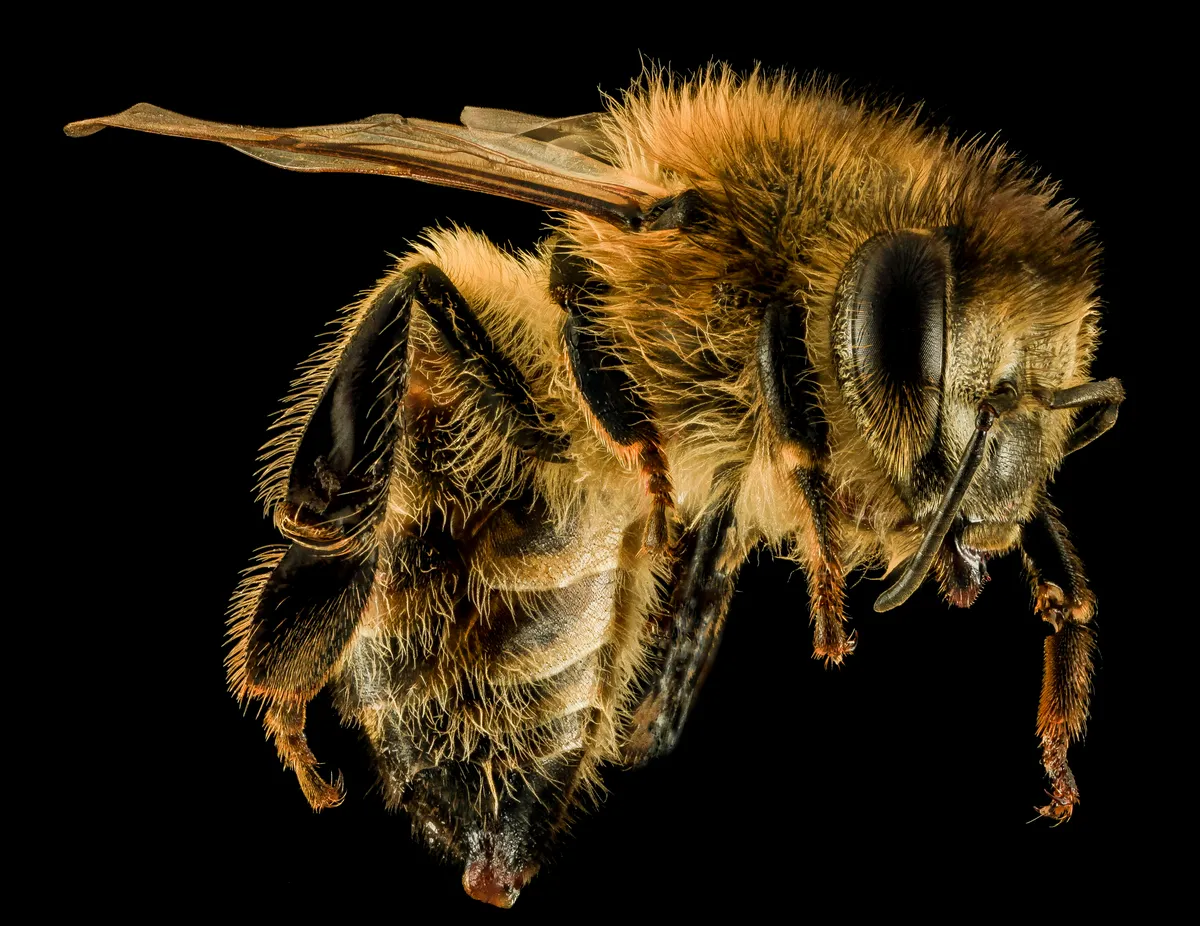
Keep spray off anything in bloom and spray when bees are not flying. The bifenthrin label warns that the product is highly toxic to bees exposed to direct treatment or to residues on blooming crops or weeds, and says not to apply it or let it drift onto them while bees are visiting the area. CDC says not to apply adulticides to plants in bloom or to plants that bees, butterflies and other pollinators visit.
NPIC's pollinator guidance adds three habits: do not spray flowers directly, spray in the evening after bees have returned to their hives so residues dry overnight, and apply as close as possible to the target to limit drift. NPIC rates bifenthrin very highly toxic to bees and permethrin highly toxic to bees and other beneficial insects, and EPA says pyrethroid labels carry language to reduce risks to pollinators.
The concern is measurable. In a study of bifenthrin and honeybees, a laboratory dose of 35 micrograms per milliliter killed every bee at all three exposure times tested, and on treated flowering plants, bee deaths were highest at the highest spray rate.
Do natural or minimum-risk yard sprays work?
None of the field trials behind this guide tested one, and these products skip the review registered sprays get. Federal rules let minimum-risk pesticides use only listed active ingredients, among them cedarwood oil, garlic, peppermint oil, rosemary oil, geraniol and sodium lauryl sulfate, and EPA has exempted them from registration; it says it generally does not review such products and does not review their labels.
The regulation also bars minimum-risk labels from claiming to control insects that carry specific diseases, so a plant-oil spray cannot promise protection from West Nile virus. A registered product can carry such a claim once EPA accepts its label: the bifenthrin label names mosquitoes that may transmit malaria and arboviruses, including West Nile. If you choose a minimum-risk spray, judge it by your own bite count, keep up the standing-water routine and, as NPIC advises for any pesticide, do not spray flowers directly. Devices are a separate question: whether a bug zapper helps against mosquitoes has its own guide.
Why dump standing water before you spray?
Because a spray kills the adults it touches while the next generation grows in water you could remove. EPA says interventions aimed at eggs and larvae are generally the most effective, least costly way to control mosquitoes, and CDC says to empty and scrub, turn over, cover or throw out anything that holds water once a week and to cover rain barrels and buckets tightly.
For water you cannot dump, such as a pond, CDC recommends a larvicide, and UC IPM says the most common homeowner form, the Bti dunk, lasts about 30 days in water. How to get rid of mosquitoes walks through the whole yard, these hidden breeding spots are the ones people miss, and mosquito larvae identification shows what the wrigglers look like.
Should you spray it yourself or hire a professional?
Spray it yourself if you will follow the label and respray on schedule; hire a licensed professional for a large or heavily planted yard, or if you would rather not handle concentrates. CDC lists hiring a pest control professional to treat your yard among its options, and Texas A&M AgriLife notes that a professional can apply residual sprays quickly with a backpack mist blower or power sprayer.
Equipment is the main difference. The 2019 review found that spray reached deeper into vegetation with equipment that pushed more air at the nozzle, and it called barrier work with backpack mist blowers labor-intensive. Licensing is another: the bifenthrin label restricts its termite uses to applicators licensed by the state, and notes that states may set stricter requirements for who may use the product.
If you hire a company, ask which product and active ingredient it will use and how it keeps spray off flowers and water; the questions in this mosquito control guide make a good checklist, and what pest control costs covers pricing. Your county may also run a program: UC IPM suggests contacting your county mosquito and vector control agency.
What won't a yard spray do?
- Stop mosquitoes from beyond your property. UC IPM says some adult mosquitoes can fly several miles from where they develop, and in the North Carolina study, untreated next-door yards rarely saw significant drops.
- Kill larvae in water. An adult spray works on adults; standing water still needs dumping or a larvicide.
- Reach mosquitoes resting high in trees. In the Kentucky trials, shrub-level barrier sprays did not reduce Culex; a canopy treatment did.
- Protect you away from the yard. For your skin, compare the best mosquito repellents; for sitting outside, see ways to keep mosquitoes away.
- Cover ticks by default. Some yard sprays, such as the Cutter product above, also list ticks; what kills ticks covers tick-specific choices.
Use any pesticide exactly as its label directs. The label is the law, and what is registered and sold varies by state.
Frequently Asked Questions
What is the best mosquito spray for a yard?+
For most yards, a residual pyrethroid such as bifenthrin, labeled for mosquitoes and sprayed on the shady shrubs, ground cover and leaf undersides where mosquitoes rest. In a 2020 North Carolina State University study, a 7.9% bifenthrin barrier spray was still suppressing Asian tiger mosquitoes 25 days after treatment, and Kentucky trials found bifenthrin and lambda-cyhalothrin worked for up to 6 weeks. Dump standing water first, keep the spray off flowers, and follow the label's rate and retreatment interval.
How long does mosquito yard spray last?+
It depends on the product and the weather. Texas A&M AgriLife says foggers give a few hours to a day or so of relief, while residual sprays can keep killing mosquitoes for weeks. In field trials summarized in a 2019 review, bifenthrin and lambda-cyhalothrin lasted up to 6 weeks and permethrin up to 8 days, and in one test it describes, rainfall was the most important factor in removing bifenthrin from leaves. Respray only as often as the label allows; one bifenthrin label limits its high rate to once every 4 weeks.
Is mosquito spray for the yard safe for dogs and cats?+
Only when the label is followed. CDC says to keep people and pets out of the treated area until the product has dried, usually about an hour, and NPIC says to keep pets off for the label's time or until the spray is completely dry, whichever is longer, and to stop them licking or chewing treated plants. NPIC also says cats are more sensitive to permethrin than dogs or people. If a pet is exposed, call your veterinarian or the ASPCA Animal Poison Control Center at 888-426-4435.
How long after spraying for mosquitoes can kids go outside?+
Wait until the spray has dried, which CDC says usually takes about an hour, or longer if the product label sets a longer time. The bifenthrin label used for this guide says not to let people or pets touch treated surfaces before the spray has dried. Keep the concentrate itself out of reach of children, as the label requires, and call Poison Control at 800-222-1222 if a child swallows a pesticide or gets it on the skin or in the eyes.
Does mosquito spray kill bees?+
Pyrethroid yard sprays can. NPIC rates bifenthrin very highly toxic to bees and permethrin highly toxic to bees and other beneficial insects, and EPA says pyrethroids are toxic to bees. The bifenthrin label says not to apply it or let it drift onto blooming crops or weeds while bees are visiting, and CDC says not to spray plants in bloom or plants that pollinators visit. NPIC suggests spraying in the evening, after bees have returned to their hives.
What time of day is best to spray for mosquitoes?+
Evening or early morning. The bifenthrin label recommends applying when mosquitoes are most active, in the cooler hours of the night or early morning, and NPIC says spraying in the evening, after bees have returned to their hives, lets residues dry overnight. Avoid windy days; that label says not to spray for mosquitoes when wind exceeds 10 mph. Check the forecast too, because rain soon after spraying can wash the product off the leaves.
Does rain wash away mosquito yard spray?+
Rain is a major reason a barrier spray fades. In one test described in a 2019 review of barrier-spray studies, rainfall was the most important factor in removing bifenthrin from leaves. The bifenthrin label says not to spray during rain or when rain is expected before the spray has had at least 4 hours to dry, and warns that rain within 24 hours may cause runoff. After heavy rain, check the label before respraying, because it sets the minimum interval between applications.
Do natural mosquito yard sprays work?+
The studies behind this guide cannot say. Plant-oil products made only from ingredients on the federal minimum-risk list, such as cedarwood oil, garlic or peppermint oil, are exempt from EPA registration, and EPA says it generally does not review them. Their labels may not claim to control insects that carry specific diseases. None of the barrier-spray field trials reviewed for this guide tested one, so judge a product by your own results and keep dumping standing water every week.
Is a fogger or a barrier spray better for mosquitoes?+
A barrier spray for lasting control, a fogger for one evening. Texas A&M AgriLife says foggers give a few hours to a day or so of relief because their insecticides have a very short life, while residual sprays applied to resting sites can keep killing mosquitoes for weeks. UC IPM says sprays and foggers used shortly before a backyard gathering can help, but longer-term approaches, starting with removing standing water, are preferable.
Can you spray grass for mosquitoes?+
Yes, if the label lists lawns, but the shrubs deserve more attention. The bifenthrin label used for this guide covers adult mosquitoes on residential lawns as well as trees, shrubs and ground cover, and CDC says mosquitoes rest in tall grasses as well as under plants and on the undersides of leaves. Treat the shady edges and dense plantings first, and keep the spray off flowering weeds in the lawn while bees are visiting, as the label requires.
Sources
- Adulticides (June 25, 2026) — Centers for Disease Control and Prevention
- Mosquito Control at Home (April 16, 2024) — Centers for Disease Control and Prevention
- West Nile: Causes and How It Spreads (July 15, 2026) — Centers for Disease Control and Prevention
- Success in Mosquito Control: An Integrated Approach (updated October 8, 2026) — U.S. Environmental Protection Agency
- Permethrin, Resmethrin, d-Phenothrin (Sumithrin): Synthetic Pyrethroids for Mosquito Control (updated February 26, 2026) — U.S. Environmental Protection Agency
- Minimum Risk Pesticide: Definition and Product Confirmation (updated April 8, 2026) — U.S. Environmental Protection Agency
- 40 CFR 152.25: Exemptions for pesticides of a character not requiring FIFRA regulation (minimum risk pesticides, paragraph (f)) — Legal Information Institute, Cornell Law School
- Bifenthrin Fact Sheet (reviewed June 2011) — National Pesticide Information Center (Oregon State University and EPA)
- Permethrin General Fact Sheet (reviewed July 2009) — National Pesticide Information Center (Oregon State University and EPA)
- Pollinator Protection (updated June 26, 2026) — National Pesticide Information Center
- Pets and Pesticide Use Fact Sheet — National Pesticide Information Center
- Pest Notes: Mosquitoes (UC ANR Publication 7451; W. E. Walton and B. F. Eldridge, updated April 2020) — University of California Statewide IPM Program
- Mosquito Safari: Controlling Mosquitoes, Sprays — Texas A&M AgriLife Extension Service
- Mosquito Safari: Controlling Mosquitoes, Fogging — Texas A&M AgriLife Extension Service
- Bifenthrin TC Insecticide/Termiticide label, EPA Reg. No. 53883-118 (September 1, 2026; alternate brand names include Bifen I/T and Bifen 7.9 Home & Yard Insecticide Concentrate) — U.S. Environmental Protection Agency, Pesticide Product and Label System
- A Review of Studies Evaluating Insecticide Barrier Treatments for Mosquito Control From 1944 to 2018 (C. A. Stoops, W. A. Qualls, T. T. Nguyen and S. L. Richards, Environmental Health Insights 13, 2019) — Environmental Health Insights, via PubMed Central
- Efficacy and Spatial Extent of Yard-Scale Control of Aedes (Stegomyia) albopictus Using Barrier Sprays and Larval Habitat Management (B. Hollingsworth, P. Hawkins, A. L. Lloyd and M. H. Reiskind, Journal of Medical Entomology 57(4):1104-1110, 2020) — North Carolina State University, via PubMed Central
- Not in my backyard: effectiveness of outdoor residual spraying from hand-held sprayers against the mosquito Aedes albopictus in Rome, Italy (M. Manica, P. Cobre, R. Rosà and B. Caputo, Pest Management Science 73(1):138-145, 2017) — PubMed, U.S. National Library of Medicine
- Impact of bifenthrin on honeybees and Culex quinquefasciatus (W. A. Qualls, R. D. Xue and H. Zhong, Journal of the American Mosquito Control Association 26(2):223-225, 2010) — PubMed, U.S. National Library of Medicine
- Backyard Bug Control (product page) — Cutter (Spectrum Brands)
Read and approved by Alex Francisco. Found an error? Email support@buzzskito.ca.