Published by BuzzSkito Mosquito & Tick Control
Published October 25, 2026 · Fact-checked against the sources listed below
How long do wild rats live?
Not long: about one to two years for a wild Norway rat, and often less for a roof rat. NC State Extension's gardener handbook gives the Norway rat an average life span of one year, and the Smithsonian's National Zoo says the wild brown rat's life span is believed to be closer to two years.
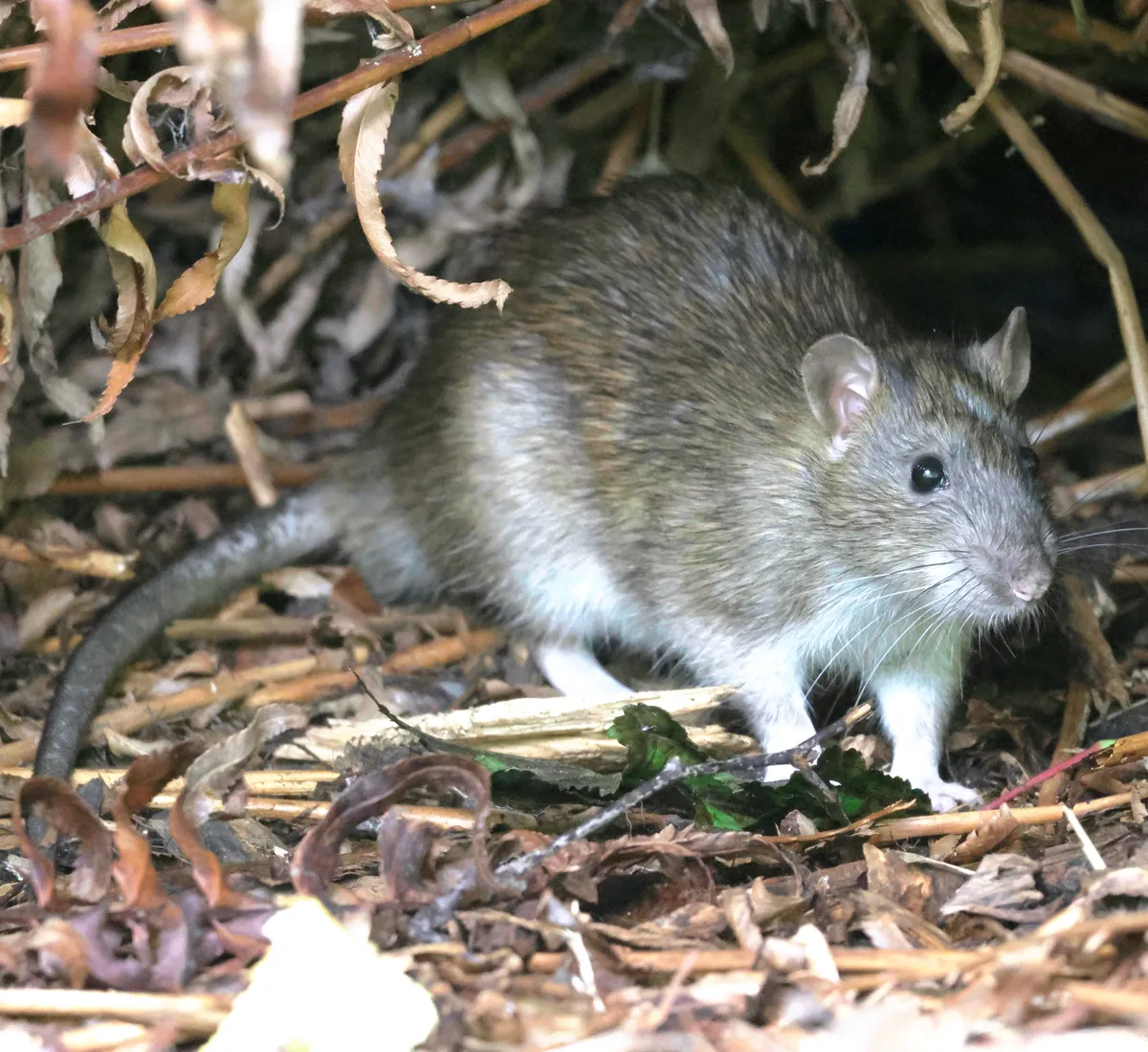
Roof rats, the slimmer climbers that nest in trees and attics, live 5 to 18 months as adults, according to Texas A&M AgriLife's school IPM rodent plan. UC IPM's Pest Notes on rats describe roof rats as weighing 5 to 10 ounces, with a tail longer than the head and body, and Norway rats as stockier, 7 to 18 ounces, with a tail shorter than the head and body.
Those spans describe the rats around houses in the US. UC IPM says Norway rats live throughout the 48 contiguous states, while roof rats prefer warm climates and coastal areas, though their range is expanding. None of the sources here gives a verified record for the oldest wild rat, so this page gives none either.
How long do pet rats live?
Longer than wild ones. The Merck Veterinary Manual gives pet rats an average life span of 18 to 36 months, and the National Zoo says brown rats in human care may live up to four years. Pet rats are the same species as the wild Norway rat: the zoo notes that the species has been bred as pets in white, black or brown.
Weight and illness shorten many pet rats' lives. Merck says obesity is common in pet rats and mice and that restricting calories without compromising overall nutrition increases life span. It names respiratory disease caused by infectious agents as the most common health problem in rats and mammary fibroadenoma as the most common tumor under the skin, and notes that a sick rat may lose interest in its daily treats, a shift that can alert an owner to disease early.
Why does a rat problem outlast any one rat?
Because rats replace themselves many times over before they die. The Internet Center for Wildlife Damage Management says Norway rats reach sexual maturity at 3 months, that a female can mate again within a day or two after giving birth, and that litters of 6 to 12 young arrive 21 to 23 days after conception, 3 to 6 times a year.
UC IPM puts it in yearly terms: the average female Norway rat has 4 to 6 litters a year and can wean 20 or more young annually, and roof rats average 3 to 5 litters of up to 8 young. NC State's arithmetic shows where that leads: a pair of rats and their offspring could produce 1,500 more rats in a single year if they all survived.
That is why waiting rats out does not work. NC State warns that unless the conditions that let rats thrive are changed, new rats will soon move in, and ICWDM says Norway rat breeding often peaks in spring and fall.
How can you tell a young rat from an adult?
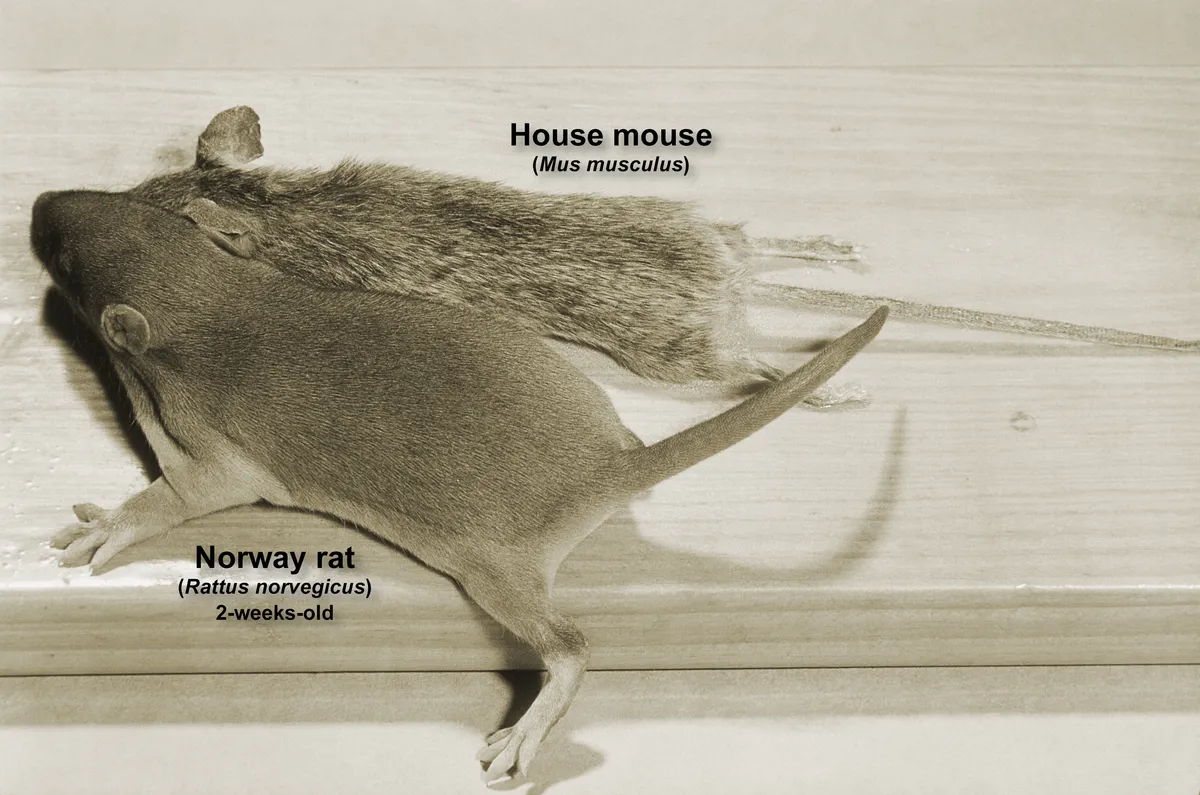
Look at the head and feet, not just the size. UC IPM says very young rats have large heads and feet relative to their bodies, while an adult mouse's are proportionally much smaller, and CDC's notes on a 1961 photo of a 2-week-old Norway rat beside a house mouse point to the young rat's coarser hair, smaller ears, blunter head and tail and proportionally larger feet.
Young rats grow up fast. ICWDM says newborn Norway rats are hairless with closed eyes, start eating solid food at 2 1/2 to 3 weeks and are independent at 3 to 4 weeks. ICWDM's roof rat biology page says roof rat young may nurse until 4 or 5 weeks old and are independent and able to breed at about 3 months. A young rat can squeeze under a door with a 1/2-inch gap, UC IPM says.
Adults are far heavier than mice: UC IPM gives 7 to 18 ounces for a Norway rat and 5 to 10 ounces for a roof rat, against about 1/2 ounce for a house mouse. The guide to telling a rat from a mouse sets the two side by side, and the guide to baby mice covers a nest of pink pups.
How long can a rat live without food or water?
Only a few days, by the one source here that puts a number on it. A factsheet in a University of Hawaii plant-pest glossary, drawing on a 1980 rodent-control publication, says rats cannot go without water for more than 48 hours or without food for more than four days.
The other sources describe daily needs rather than limits. Cornell's integrated pest management program says a Norway rat needs to drink standing water every day, from a puddle or condensation on a pipe, and ICWDM says a rat needs 1/2 to 1 ounce of water a day on dry food, less when moist food is available, plus about 110 calories of food a day. House mice are different: UC IPM says they do not need to drink water to survive.
That daily thirst is one more reason to fix leaks. CDC's sealing guide says rodents are attracted to food and water sources and advises against leaving food or water bowls out overnight.
How long will rats stay in your walls or attic?
As long as the food, water and shelter last. UC IPM says roof rats return to their nest sites if the nests are not removed, and it calls ongoing sanitation essential.
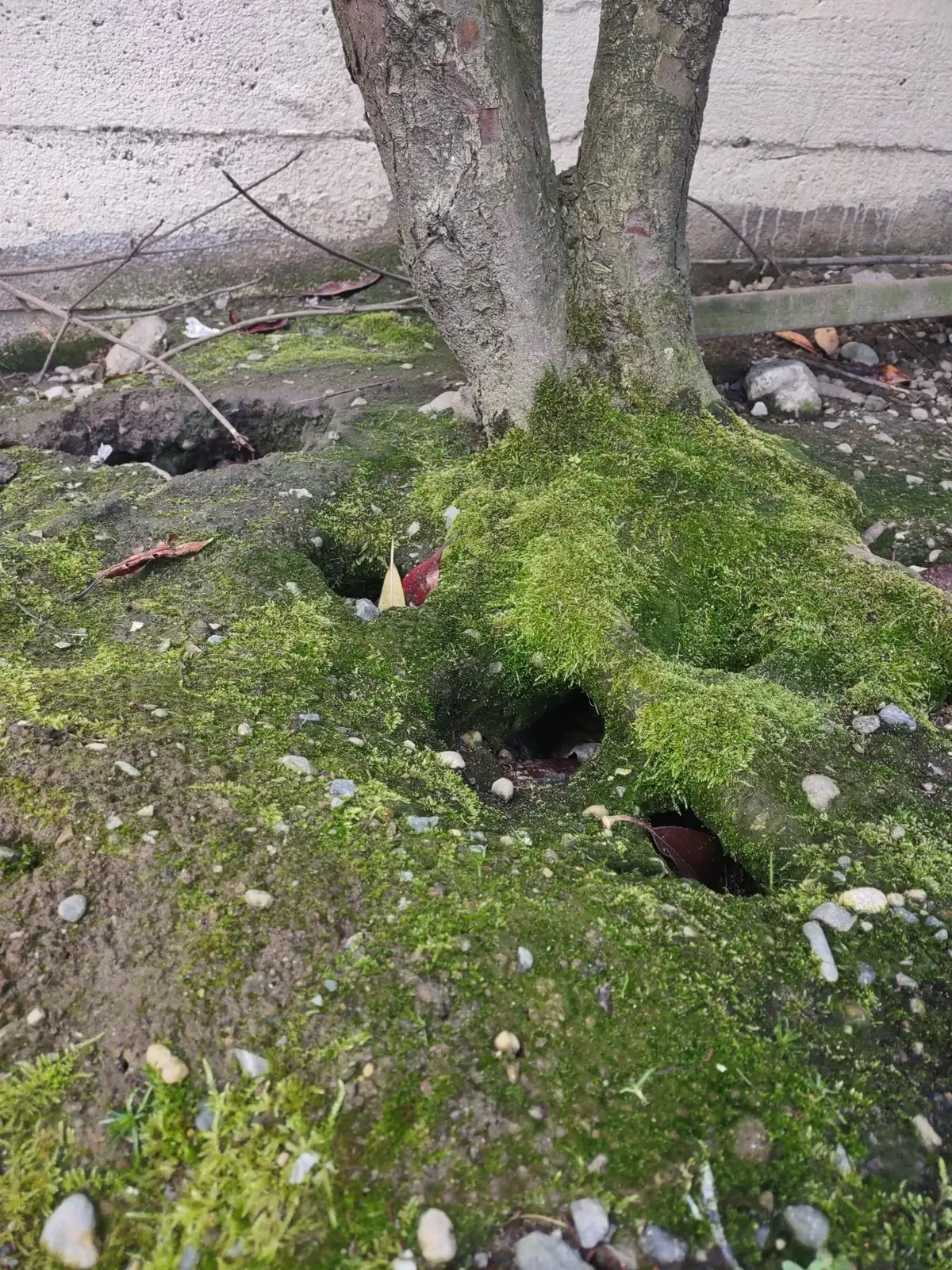
Where they settle depends on the rat. UC IPM says roof rats nest above ground, in attics and wall or ceiling voids, while Norway rats burrow along foundations and under woodpiles and usually stay in basements and on ground floors indoors; the roof rat vs Norway rat guide shows how to tell which one you have.
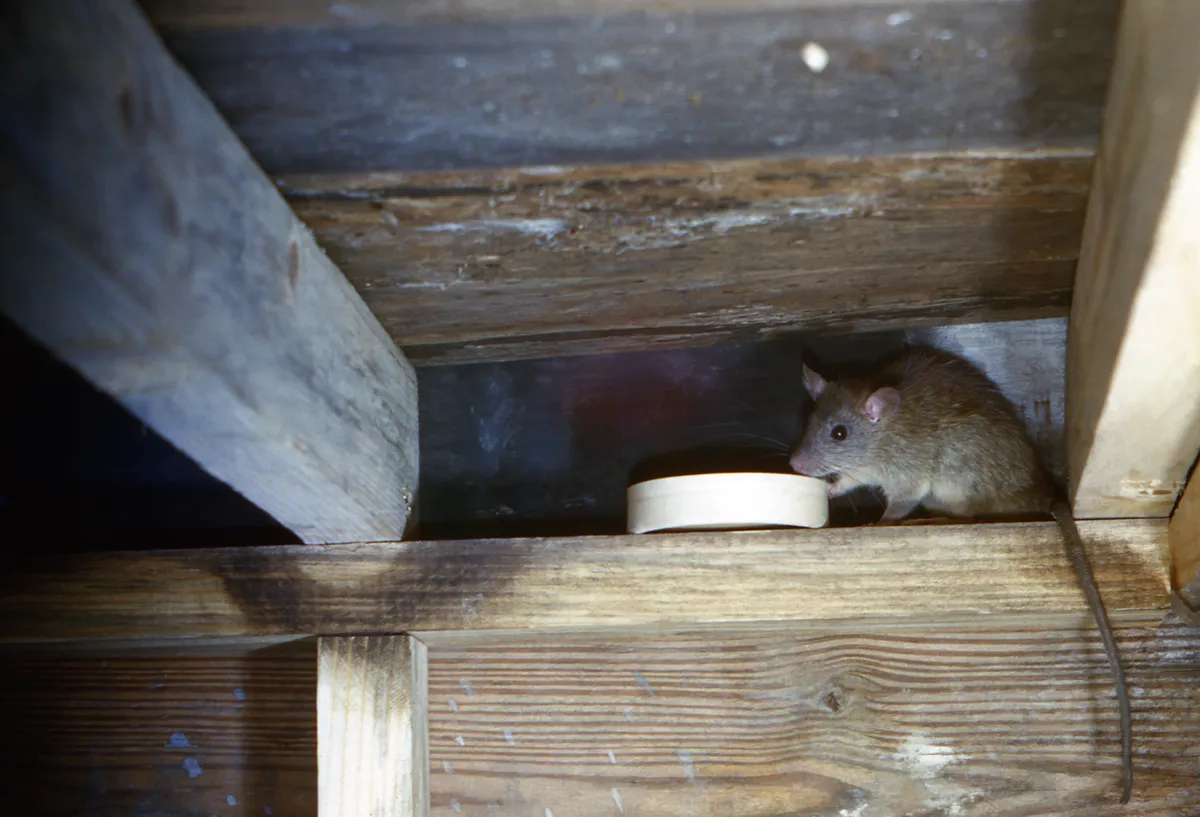
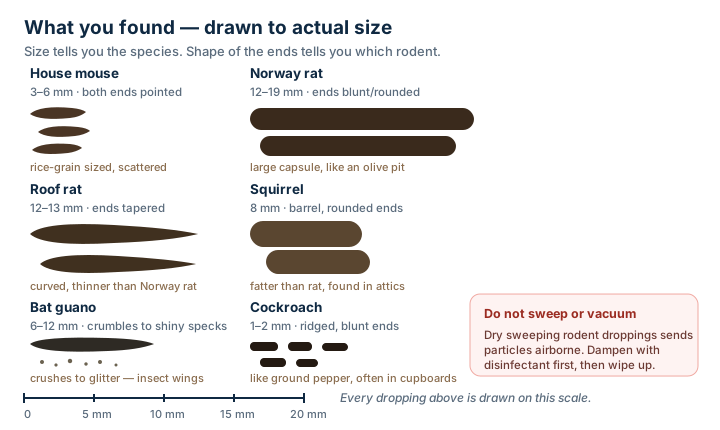
Signs tell you they are still there. UC IPM lists noises from the attic or drop ceilings, droppings near pet dishes and food, gnawed fruit or nuts, smudge marks on beams and pipes, and rats on utility lines or fence tops at dusk. ICWDM's Norway rat page says a rat leaves about 40 to 50 droppings a day, usually clumped in small groups and up to 3/4 inch long with blunt ends; the rat droppings guide has photos, and this guide to mouse droppings shows how much smaller a mouse's are.
Does winter kill rats?
Winter slows rats down, but none of the sources here says it kills off rats living in or under buildings. ICWDM says Norway rat breeding often peaks in spring and fall and may stop in winter, depending on habitat, and that roof rats in tropical or semitropical regions may breed nearly year-round.
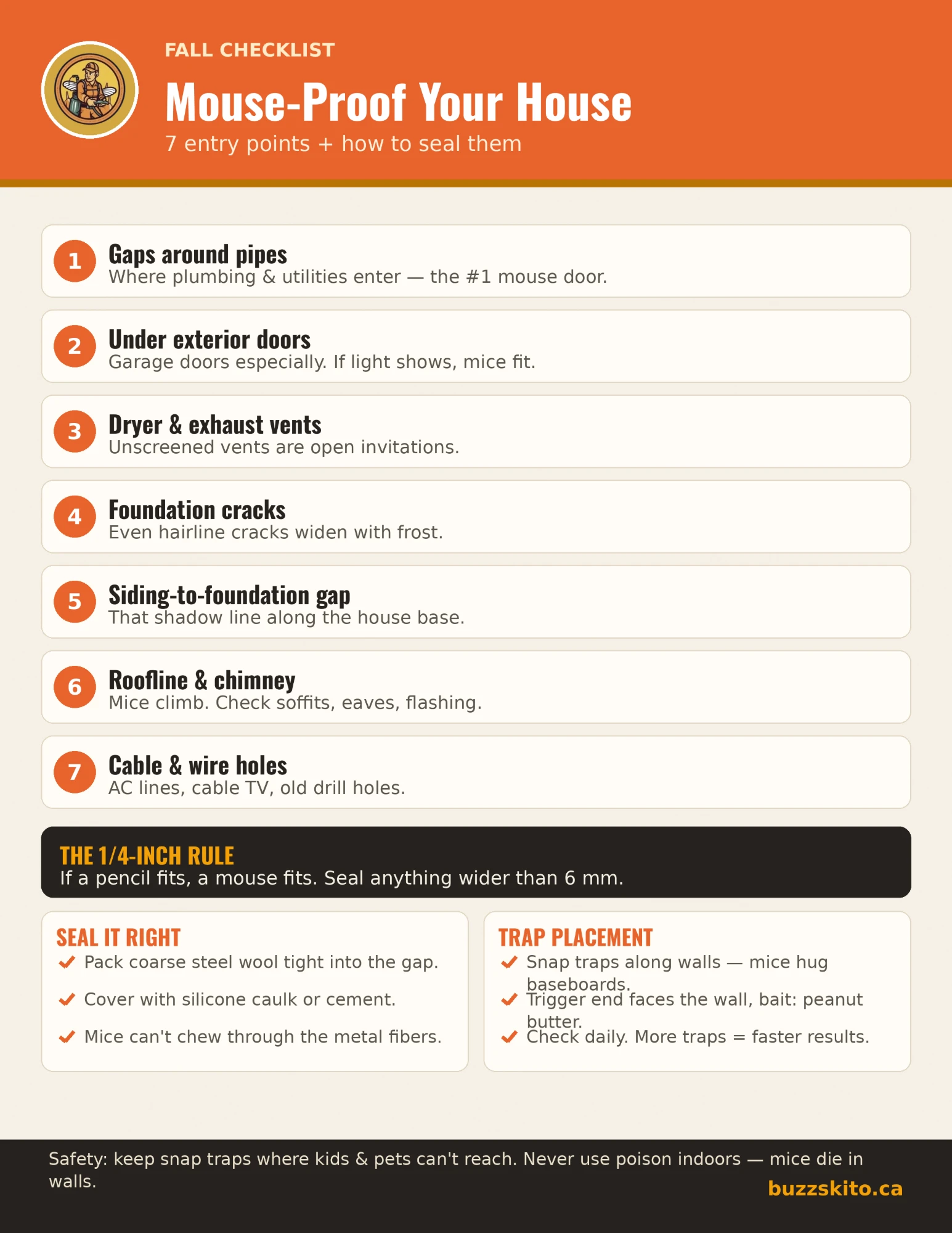
Whatever the season, the fix is the same: close the gaps. CDC's sealing checklist covers pipes under sinks, vents, doors and windows, the attic, the basement and the crawl space, and a fall mouse-proofing checklist walks through many of the same entry points. For rats, use the heavier materials in the steps below.
Commonly confused with
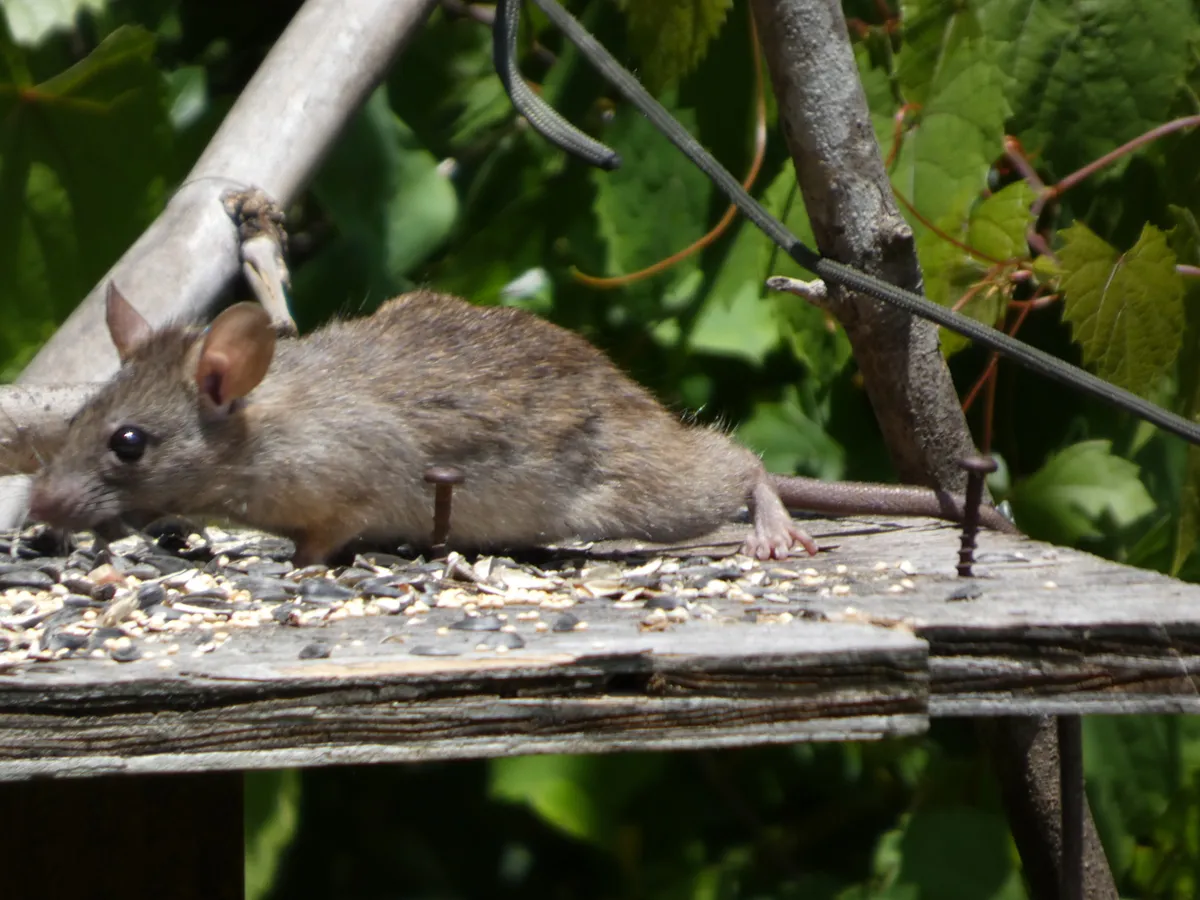 Roof ratSlimmer, 5 to 10 ounces, with a tail longer than its head and body
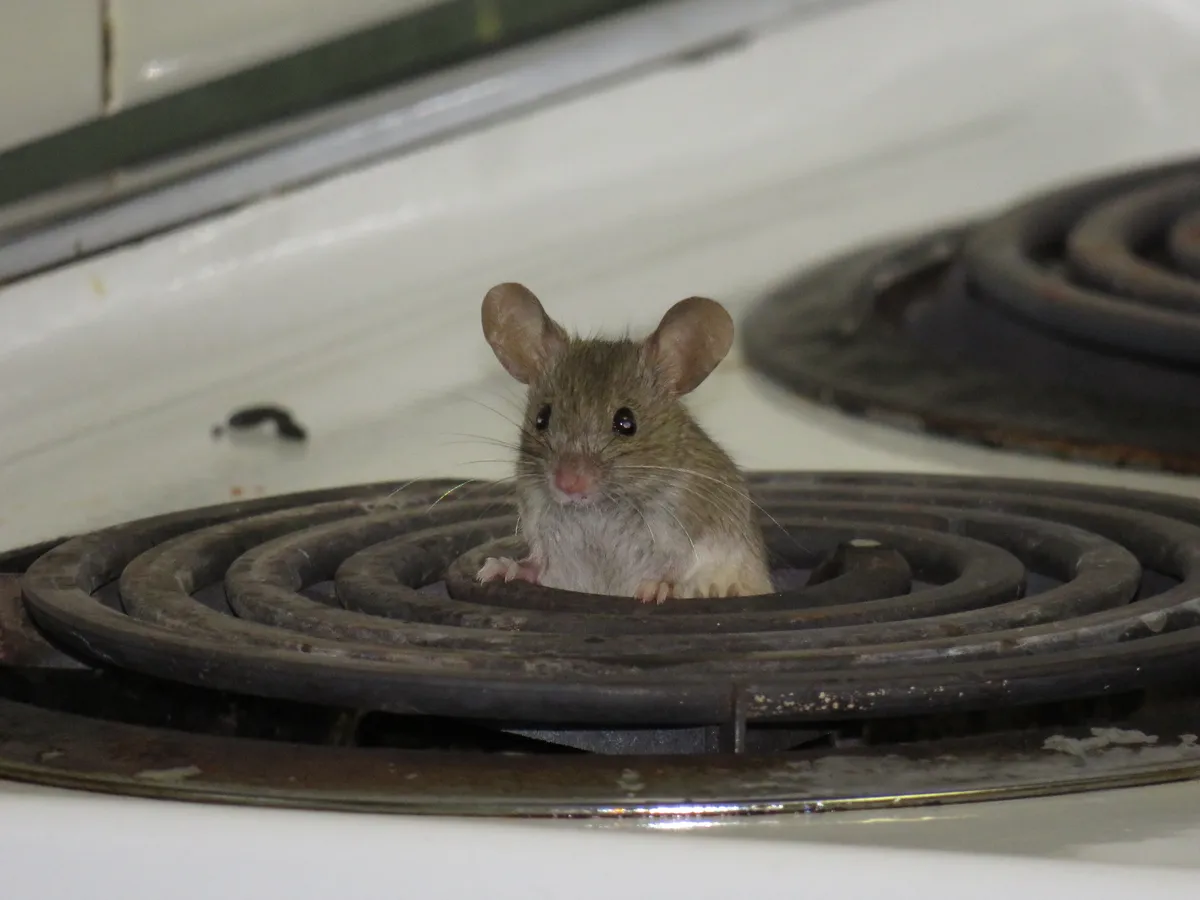 House mouseAbout 1/2 ounce; usually lives 9 to 12 months and can breed at 5 to 6 weeks
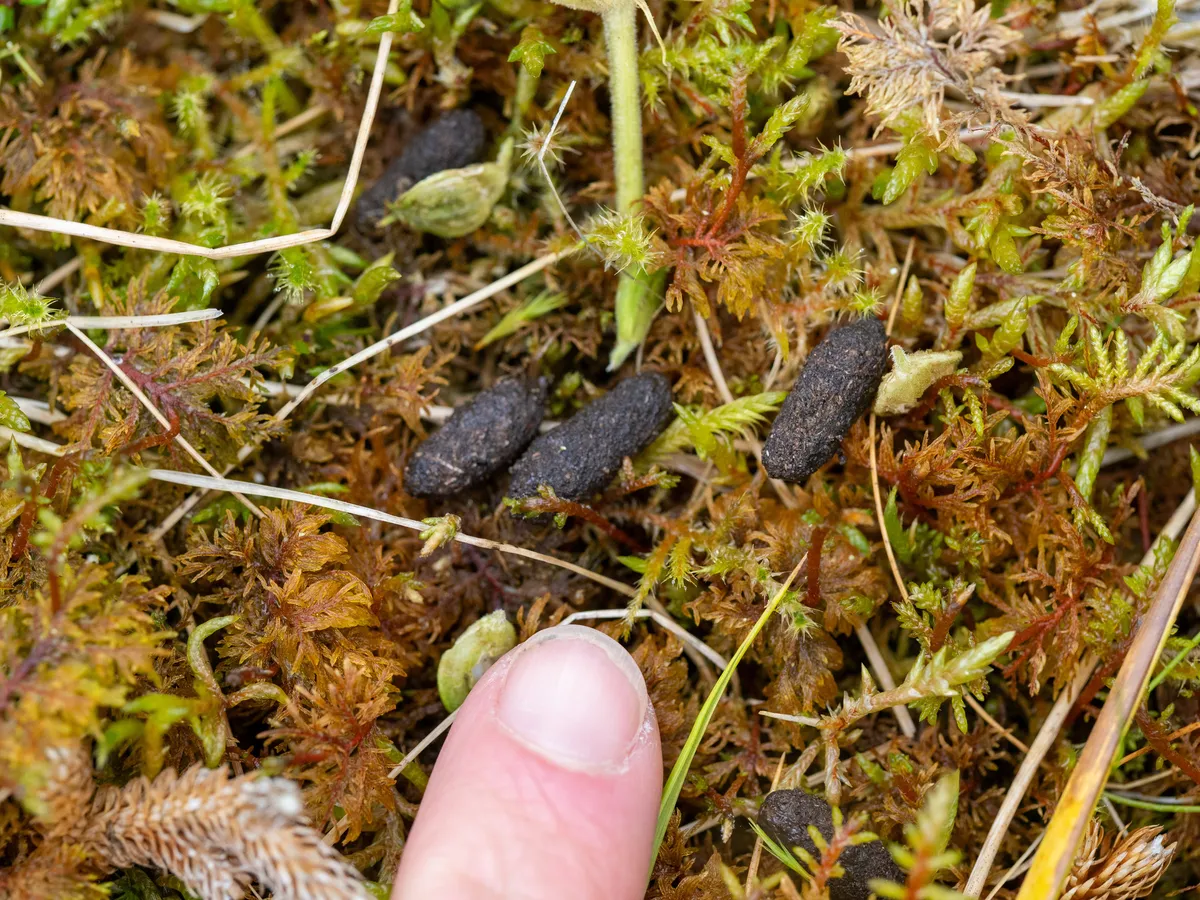 Rat droppingsUp to 3/4 inch long with blunt ends, usually clumped in small groups
Photos: Roof rat: no rights reserved, via iNaturalist, CC0 1.0. House mouse: (c) jonsense, some rights reserved (CC BY), via iNaturalist, CC BY 4.0. Rat droppings: no rights reserved, via iNaturalist, CC0 1.0.
What should you do about rats in or around the house?
Seal them out, take away their food and water, and trap the rats already inside, as CDC and UC IPM advise; the mouse and rat hub covers the same steps for mice.
- Seal the gaps. UC IPM says to seal any hole larger than 1/4 inch with steel wool, wire screen or sheet metal, because rats chew through plastic, foam, wood and caulk, to cover vents with 1/2-inch galvanized mesh and never to use chicken wire. CDC's sealing guide lists where to look, from pipes under sinks to roof eaves and crawl space vents.
- Take away food and water. Keep garbage and compost in tight-lidded containers, pick up fallen fruit and nuts, and feed pets only what they will eat, UC IPM advises; CDC adds not to leave food or water bowls out overnight.
- Set snap traps, not glue or live traps. CDC's trapping guide recommends traditional snap traps made for rats, set on the floor against the wall, and advises against glue and live traps, which can frighten rodents into urinating and raise your chance of getting sick. UC IPM says rats often avoid new traps for several days or even weeks, so leave baited traps unset at first until the bait is taken.
- Treat poison as a last step, and follow the label. CDC says to use poison or bait stations only for infestations that persist and to use them according to the label instructions. UC IPM says the public may buy rat baits only in bait stations under federal rules in place since 2011, and that all rodent baits are toxic to dogs and cats. The label is the law.
- Clean up droppings wet, never dry. CDC's cleanup steps: air the area out for 30 minutes, wear rubber or plastic gloves, soak droppings and nests with a disinfectant or 1.5 cups of bleach per gallon of water for 5 minutes, wipe up with paper towels, and never sweep or vacuum them.
Getting rats out promptly matters for health. UC IPM says rats can spread typhus, leptospirosis, foodborne illnesses such as salmonella and E. coli, and rat-bite fever to people and pets, and have been linked to serious allergic reactions; it also notes that commensal rats and mice do not carry or transmit rabies. CDC's rat-bite fever page says symptoms usually begin 3 to 10 days after contact with rodents, and to seek medical care right away if they follow a bite or scratch. Mice live shorter lives but breed even faster, as the guide to how long mice live explains.
This guide is general educational information, not medical advice. If you have symptoms or concerns after a bite or exposure, contact a healthcare provider.
Frequently Asked Questions
How old do rats get?+
Most wild rats do not reach two. NC State Extension gives the Norway rat an average life span of one year, the Smithsonian's National Zoo says wild brown rats are believed to live closer to two years, and Texas A&M AgriLife says adult roof rats live 5 to 18 months. Kept by people, rats last longer: the Merck Veterinary Manual gives pet rats 18 to 36 months on average, and the National Zoo says brown rats in human care may live up to four years.
How long do Norway rats live?+
About one to two years in the wild. NC State Extension gives the Norway rat an average life span of one year, and the Smithsonian's National Zoo says the wild brown rat's life span is believed to be closer to two years, while brown rats in human care may live up to four. Pet rats are the same species, and the Merck Veterinary Manual gives them an average of 18 to 36 months.
How long do roof rats live?+
Texas A&M AgriLife's school IPM program says adult roof rats can live 5 to 18 months. ICWDM says roof rats are independent and able to breed at about 3 months, and UC IPM says they average 3 to 5 litters a year of up to 8 young, so a roof rat can raise several litters in that short life. Roof rats prefer warm climates and coastal areas, UC IPM adds, though their range is expanding.
How long do rats stay pregnant?+
About three weeks. ICWDM says Norway rat litters are born 21 to 23 days after conception and gives the same 21 to 23 days for roof rats, and the Merck Veterinary Manual gives 21 to 23 days for pet rats. A female Norway rat can mate again within a day or two after giving birth, ICWDM says, which is how one female can have 3 to 6 litters in a year.
How many babies do rats have?+
Wild rats usually have 5 to 12 per litter, depending on the species. ICWDM gives 6 to 12 young per litter for Norway rats and 5 to 8 for roof rats, and the Smithsonian's National Zoo says brown rat litters average around eight pups. The Merck Veterinary Manual gives pet rats an average litter of 8 to 18. UC IPM says the average female Norway rat can wean 20 or more young a year.
At what age do rats start breeding?+
Wild rats can breed at about 3 months. ICWDM gives 3 months for Norway rats and about 3 months for roof rats, and NC State Extension says rats begin to breed at three months of age. The Smithsonian's National Zoo says female brown rats reach sexual maturity around four months and males at three. Pet rats are earlier: the Merck Veterinary Manual says males are mature by 6 to 10 weeks and females by 8 to 12 weeks.
Do rats live longer than mice?+
Somewhat, both in the wild and as pets. UC IPM says a house mouse usually lives 9 to 12 months, though some have lived up to 3 years, while NC State Extension gives the Norway rat an average of one year and the National Zoo says wild brown rats may live closer to two. As pets, the Merck Veterinary Manual gives mice an average of 18 to 24 months and rats 18 to 36 months.
Will rats leave on their own?+
Not while food, water and shelter remain. NC State Extension warns that unless the conditions that allowed rats to thrive are changed, new rats will soon move in, and UC IPM says roof rats return to their nest sites if the nests are not removed. Rats breed fast enough to replace losses: ICWDM says Norway rats can have 3 to 6 litters a year. Seal entry points, remove food and water, and trap the rats already inside, as CDC advises.
How long does it take to get rid of rats?+
Expect weeks rather than days. UC IPM says rats often avoid new traps and baits for several days and perhaps weeks, and suggests leaving baited traps unset until the bait is taken. CDC says to check traps daily, reset them until rodent activity has stopped, and check and refill the bait every week for at least 15 days. Seal the gaps too: CDC says sealing holes is what keeps rodents from getting in.
Can rats carry rabies?+
UC IPM says commensal rats and mice, the kinds that live around people, do not carry or transmit rabies. They carry other diseases instead: UC IPM lists typhus, leptospirosis, foodborne illnesses such as salmonella and E. coli, and rat-bite fever, and says rats have been linked to serious allergic reactions. Wear rubber or plastic gloves and follow CDC's wet cleanup method for droppings. If fever or other symptoms follow a rat bite or scratch, CDC says to seek medical care right away.
Sources
- Extension Gardener Handbook, Chapter 20: Wildlife (AG-831; C. DePerno and others, February 1, 2022) — NC State Extension
- Norway rat — Smithsonian's National Zoo and Conservation Biology Institute
- IPM Action Plan for Rodents — Texas A&M AgriLife Extension Service, School IPM
- Mice and Rats as Pets (J. Frohlich; reviewed May 2026) — Merck Veterinary Manual
- Norway Rat Biology — Internet Center for Wildlife Damage Management
- Roof Rat Biology — Internet Center for Wildlife Damage Management
- Norway Rats — Internet Center for Wildlife Damage Management
- Pest Notes: Rats (UC ANR Publication 74106; N. M. Quinn, updated June 2025) — University of California Statewide IPM Program
- Pest Notes: House Mouse (UC ANR Publication 7483; N. M. Quinn and M. Frye, updated July 2025) — University of California Statewide IPM Program
- PHIL 26271: house mouse beside a 2-week-old Norway rat (Bayard F. Bjornson, 1961) — Centers for Disease Control and Prevention, Public Health Image Library
- Factsheet: Rat, rats (after B. M. Brennan, Rodents and Rodent Control in Hawaii, 1980) — University of Hawaii at Manoa, College of Tropical Agriculture and Human Resources
- Mouse and Rat Biology and Behavior — Cornell University, Integrated Pest Management
- How to Seal Up to Prevent Rodents (April 8, 2024) — Centers for Disease Control and Prevention
- How to Trap Up to Remove Rodents (April 8, 2024) — Centers for Disease Control and Prevention
- How to Clean Up After Rodents (April 8, 2024) — Centers for Disease Control and Prevention
- About Rat Bite Fever (July 9, 2024) — Centers for Disease Control and Prevention
How this guide was made: it was researched and drafted with AI assistance from the sources listed above. A second, independent AI pass then checked each factual claim against those sources. Found an error? Email support@buzzskito.ca.